Blood sugar chart by age: fasting and after-meal ranges
Sheenam Midha · Health writer
On this page
A blood sugar chart by age is most useful when it separates two different questions: the laboratory cutoffs used to diagnose diabetes and the day-to-day targets used by someone already receiving diabetes care. Age can influence the treatment plan, but it does not create a new set of diagnostic thresholds for every decade.
If you need to switch units, use the blood sugar converter. A reading in mg/dL can be converted to mmol/L by dividing by 18.
Why blood sugar charts are often confusing
Online charts commonly mix fasting laboratory results from people without a diagnosis, treatment targets for people with diabetes, and readings during pregnancy. Those groups are not interchangeable.
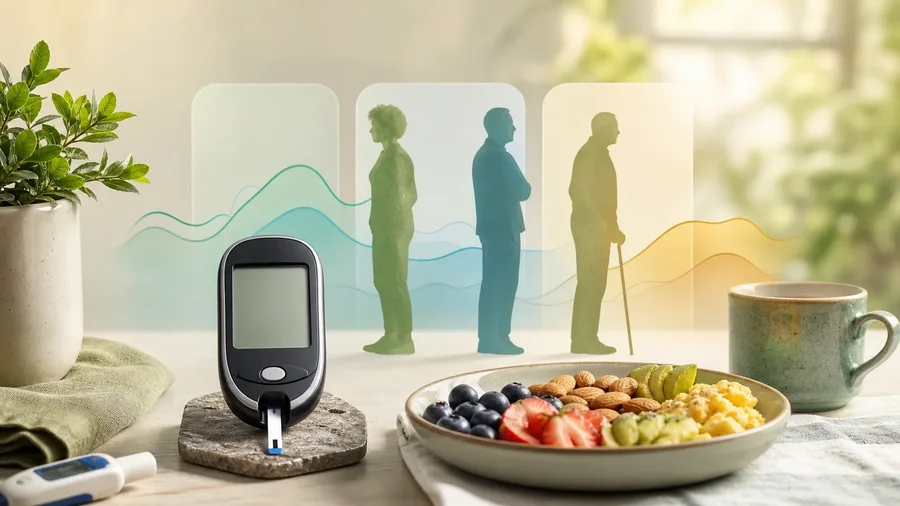
They may also label a result “normal for seniors” when the real issue is that clinicians sometimes choose a less stringent treatment target to reduce hypoglycemia in an older adult with frailty, cognitive impairment, multiple illnesses, or limited life expectancy.
How to read this blood sugar chart by age
Diagnostic laboratory cutoffs for nonpregnant adults
| Test | Normal range | Prediabetes range | Diabetes range |
|---|---|---|---|
| Fasting plasma glucose | 99 mg/dL or below | 100-125 mg/dL | 126 mg/dL or above |
| A1C | Below 5.7% | 5.7-6.4% | 6.5% or above |
| 2-hour oral glucose tolerance test | 139 mg/dL or below | 140-199 mg/dL | 200 mg/dL or above |
These CDC diagnostic ranges apply across adult age groups. A clinician interprets them with symptoms, repeat testing, pregnancy status, medicines, and conditions that affect the test.
Common monitoring targets for many adults with diabetes
| Timing | Common target | Important caveat |
|---|---|---|
| Before meals | 80-130 mg/dL | Your target may differ. |
| 1-2 hours after starting a meal | Below 180 mg/dL | Use the timing in your care plan. |
| Low blood sugar alert level | Below 70 mg/dL | Follow your treatment plan promptly. |
These are treatment targets, not diagnostic ranges for someone without diabetes.
Timing changes the meaning of a glucose reading
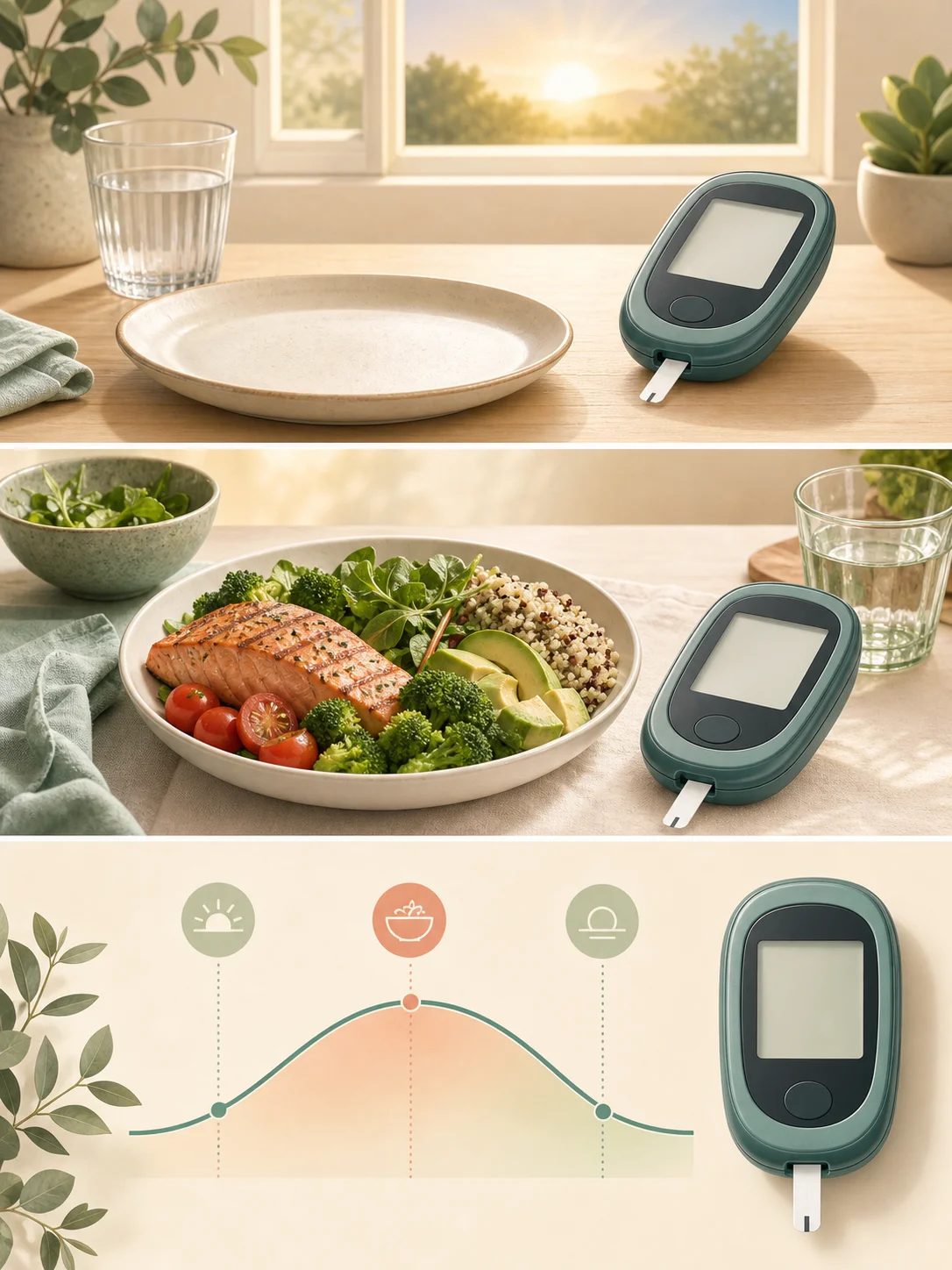
“Fasting” has a specific meaning in diabetes testing. It usually refers to no calories for at least eight hours, with water allowed. A value checked two hours after a midnight snack is not a fasting result just because it was taken before breakfast. Coffee with sugar, milk, or creamer also breaks the fast.
A before-meal reading answers a different question. It shows where glucose stands immediately before food, but it may be only three or four hours after the previous meal. An after-meal check is generally timed from the start of the meal, not from the last bite. If lunch begins at 1:00 p.m., a two-hour reading is taken near 3:00 p.m. even if lunch lasted half an hour.
Random glucose means the sample was taken without a fasting requirement. It can be useful when symptoms are present, but it cannot be compared directly with a fasting row on a chart. The oral glucose tolerance test is more structured: a laboratory checks glucose after fasting and again after a measured glucose drink.
Write the timing beside the number. “168” alone is vague. “168 mg/dL, two hours after the first bite of dinner” is information a clinician can use.
A sample day: how several readings tell a story
Imagine a person who wakes with glucose at 112 mg/dL, checks 104 mg/dL before lunch, and sees 176 mg/dL two hours after dinner. None of those numbers should be diagnosed in isolation. Together, they suggest that dinner or evening timing deserves a closer look.
On another day, the same person wakes at 150 mg/dL after poor sleep and an illness but has lower readings later. The morning change may relate to illness hormones, overnight glucose release, medication timing, or food from the previous evening. Repeating the pattern after recovery is more useful than blaming one breakfast that has not happened yet.
Now picture a meter log containing only fasting values. It may look steady while large after-meal rises go unseen. The opposite is also possible: someone checks only after their largest meal and assumes their whole day is high. A good monitoring plan chooses times based on the question being asked.
For a person using insulin, that plan may be detailed and tied to dosing instructions. For someone with prediabetes, a clinician may recommend far fewer checks or no home testing at all. More data are not automatically better if nobody knows what decision the data should inform.
How to get a cleaner home reading
Wash your hands with soap and water, then dry them fully. Sugar from fruit, lotion, or another substance on a fingertip can cause a falsely high result. Wet hands may dilute the blood drop. Alcohol wipes are sometimes used, but the finger needs to dry before testing.
Check that the strips match the meter and have not expired. Store them as the manufacturer directs, away from excess heat and moisture. Use enough blood for the strip, and avoid squeezing the finger so hard that tissue fluid mixes with the sample.
Home meters are built for monitoring, not for making a laboratory diagnosis. A small difference between two finger-stick readings is expected, even when they are taken close together. If a result is surprising and you feel well, repeat it with clean, dry hands and follow the device instructions. If symptoms are severe, treat the situation according to your care plan rather than losing time testing over and over.
A CGM measures glucose in interstitial fluid instead of directly in blood. During a rapid rise or fall, the sensor and finger-stick number may not match at that exact minute. Follow the sensor maker’s instructions about when a meter confirmation is needed.
What can push a reading up or down?
Carbohydrate amount and type matter, but they are not the whole story. Illness, pain, emotional stress, poor sleep, dehydration, and steroid medicines can raise glucose. Physical activity often lowers it, although intense exercise can briefly raise a reading in some people because stress hormones release stored glucose.
Insulin and some diabetes medicines can cause low glucose, particularly when a meal is delayed, alcohol is involved, or activity is greater than expected. Other medicines have little risk of causing a low when used alone. That difference is one reason generic advice such as “exercise whenever the number is high” can be unsafe.
Menstrual-cycle changes, travel, shift work, and a new sleep schedule may alter patterns too. Record enough context to spot repetition, but do not turn the log into a full-time job. A meal note, medication time, activity, illness, and symptoms are usually more useful than a long explanation for every value.
Screening, diagnosis, and monitoring are separate jobs
Screening looks for risk in someone who may not have symptoms. Diagnosis applies validated laboratory criteria and, in many cases, confirms an abnormal result on another day. Monitoring follows a known condition and asks whether the current plan is working safely.
Mixing those jobs causes needless alarm. The common before-meal target of 80 to 130 mg/dL is for many people already managing diabetes. It does not mean a person without diabetes can use one home value of 131 mg/dL to diagnose the condition. Likewise, a “normal” fasting result does not cancel a laboratory A1C or oral glucose tolerance test in the diabetes range.
If tests disagree, the answer is not to pick the result you prefer. A clinician may repeat a test, use a different method, or look for a condition that changes A1C or glucose. The pattern, the laboratory method, and the person’s symptoms all matter.
What changes for older adults?
Healthy older adults with stable conditions and good cognitive and physical function may use goals similar to younger adults. The 2026 ADA standards allow less stringent goals when hypoglycemia, complex illness, frailty, or treatment burden makes tighter control unsafe.
That does not mean high glucose is harmless with age. The goal is to avoid symptomatic highs while also preventing dangerous lows. Read normal A1C by age for the distinction between diagnosis and individualized treatment.
Children and pregnancy need separate guidance
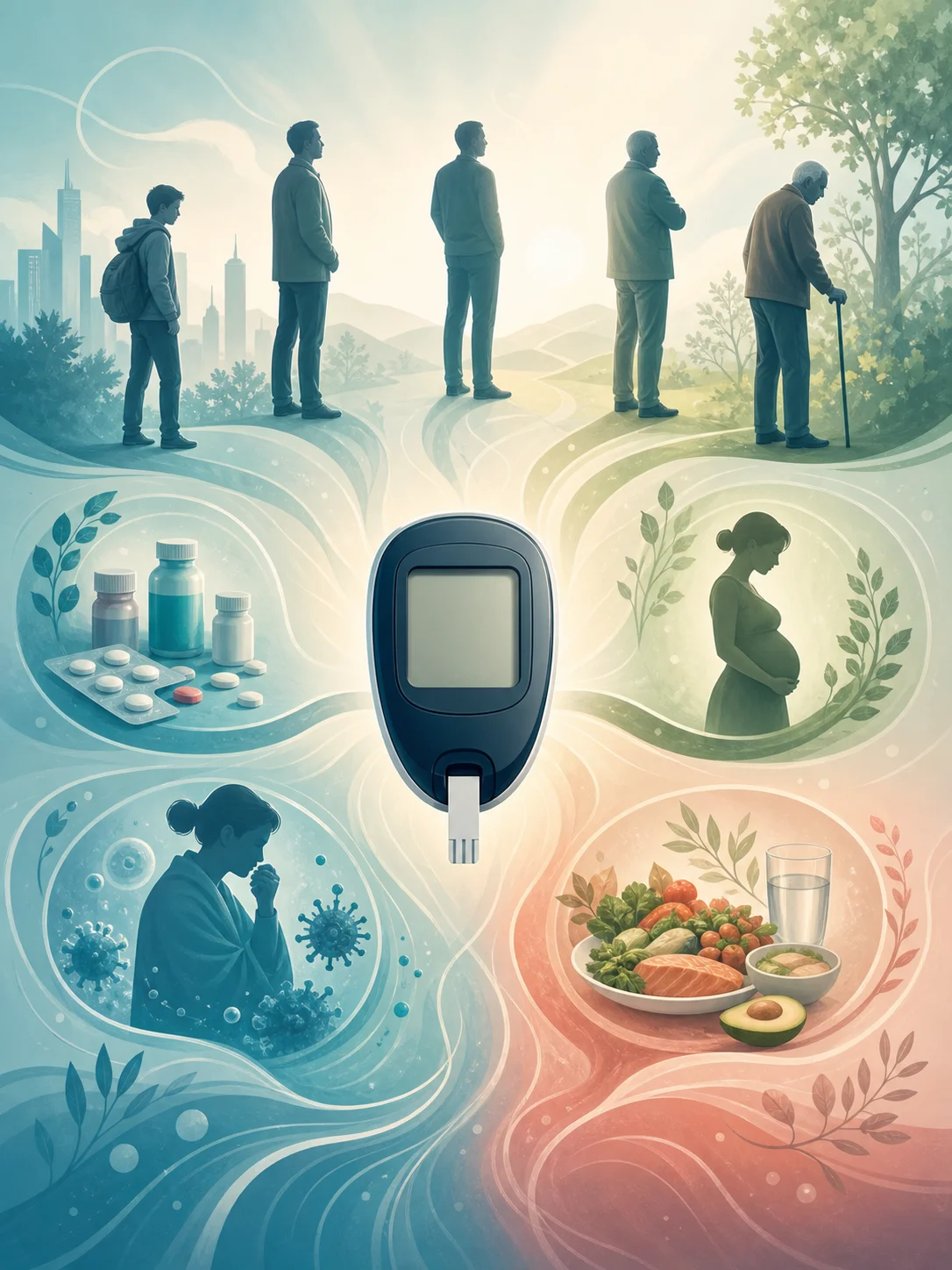
Children with diabetes have individualized plans based on diabetes type, growth, activity, insulin, and technology. Pregnancy uses tighter and time-specific targets because glucose affects both parent and baby. Do not apply an adult internet chart to either situation.
Why one reading can be misleading
Food, stress, sleep, illness, hydration, exercise, medicines, and meter technique all matter. Wash and dry your hands, use unexpired strips, and repeat a surprising result according to the device instructions. A laboratory test is required for diagnosis.
A1C adds a longer view. Our A1C-to-blood-glucose chart shows how the percentage translates to estimated average glucose, but it cannot reproduce every daily peak and low.
When to seek help
Contact your care team for repeated readings outside your agreed range or an unexplained pattern change. Seek urgent help for confusion, fainting, severe weakness, breathing difficulty, persistent vomiting, or signs of diabetic ketoacidosis or severe hypoglycemia.
If you take insulin or another medicine that can cause hypoglycemia, keep your written low-glucose treatment plan easy to find. Family members or caregivers should know where rescue supplies are stored and when emergency help is needed. An online chart cannot replace those instructions.
Use timing and context
Use age to personalize care, not to excuse an abnormal result. Diagnostic cutoffs remain consistent for adults, while treatment targets can and should change when health status or hypoglycemia risk changes.
Evidence and review
How this article was checked
Diagnostic cutoffs and monitoring targets checked against CDC and 2026 ADA guidance. This article has not been independently medically reviewed. Evidence last reviewed Aug 4, 2026.
- CDC - Diabetes Testing - Fasting glucose, A1C, and glucose-tolerance diagnostic cutoffs.
- CDC - Monitoring Your Blood Sugar - Common before-meal and after-meal targets for many nonpregnant adults with diabetes.
- American Diabetes Association - Glycemic Goals 2026 - Current individualized glucose goals and hypoglycemia guidance.
FAQ
Frequently asked
Answers
Frequently asked questions
Does normal fasting blood sugar change with age?
Diagnostic cutoffs do not simply rise with age. Treatment targets may be individualized for older adults based on health, function, medicines, and hypoglycemia risk.
When should after-meal blood sugar be checked?
Many guidance tables refer to one to two hours after the beginning of a meal. Follow the timing in your personal monitoring plan.
Can one high reading diagnose diabetes?
Usually not by itself when there are no classic symptoms. Diagnosis generally requires appropriate laboratory testing and confirmation by a healthcare professional.
Share this article


