

Cholesterol mg/dL to mmol/L: how to convert your lipid units
Convert cholesterol with divide by 38.67 and triglycerides with divide by 88.57, see a worked LDL example, and avoid the glucose divide-by-18 trap.
Sheenam Midha 6 min read
Browse our latest evidence-informed health articles, practical guides, and calculator explainers.
Convert cholesterol with divide by 38.67 and triglycerides with divide by 88.57, see a worked LDL example, and avoid the glucose divide-by-18 trap.

Learn which tape measurements the US Navy body fat formula uses, how to take them, and why the result is an estimate rather than a scan.

Convert a single blood glucose reading between mg/dL and mmol/L with the divide-by-18 rule, a worked example, and common readings in both units.
Learn how food, activity, medication, sleep, and testing conditions affect A1C, plus what a realistic improvement timeline looks like.

Estimate daily fluid needs from body size and context, then adjust for heat, exercise, food, pregnancy, illness, and medical restrictions.
Build a realistic macro target for weight loss without mistaking calculator precision for certainty or eliminating an entire food group.
Estimate a useful daily protein range for building muscle, then turn the number into meals without treating more protein as automatically better.
Measure heart rate recovery consistently, compare one- and two-minute drops, and understand why protocol and symptoms matter more than one cutoff.

Five heart-rate zones by age, two ways to estimate maximum heart rate, where Zone 2 sits, and why the fat-burning zone is not a shortcut to fat loss.
Body-fat categories for men and women, reference bands by age, and why the measuring method can matter as much as the category you land in.

Measure waist and hips consistently, calculate the ratio, and understand sex-specific risk bands and their limitations.
See population-average eGFR levels by age and learn why kidney disease cannot be diagnosed from age or one creatinine-based estimate alone.

Diagnostic A1C thresholds stay consistent in adulthood, but safe treatment goals may change with health, medicines, and hypoglycemia risk.
A clear blood sugar chart that separates diagnostic cutoffs from common diabetes treatment targets and explains when age changes the plan.
Calculate the triglyceride-to-HDL ratio, understand what a higher result may suggest, and learn why it cannot replace the full lipid panel.

Learn the non-HDL cholesterol formula, see worked examples, and understand why this simple value can add context when triglycerides are elevated.

Compare the three cholesterol ratios, learn each formula, and understand why lower is not the only thing that matters.
Convert A1C to estimated average glucose in mg/dL or mmol/L and learn why the estimate may differ from meter and CGM readings.

The Friedewald LDL formula in mg/dL and mmol/L, how VLDL is estimated from triglycerides, how the Sampson equation and direct LDL differ, and when the estimate stops being reliable.
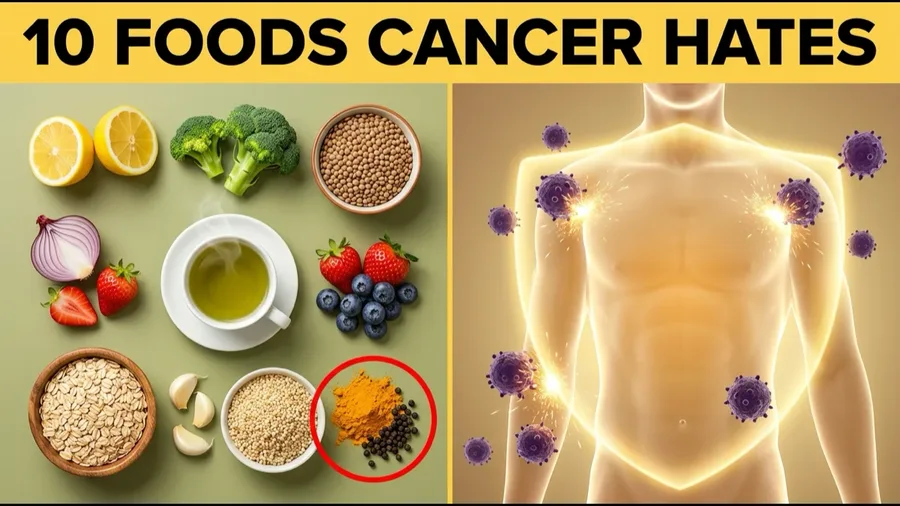
No food cures cancer, but your overall eating pattern can influence long-term risk. Here are 10 practical, evidence-based choices and the claims to ignore.