How to lower A1C safely: what changes the number and when
Sheenam Midha · Health writer

On this page
How to lower A1C safely starts with a repeatable plan, not a crash diet or an unproven supplement. Food, activity, sleep, prescribed treatment, and glucose monitoring work together, while your personal target should protect you from both high and low blood sugar.
A1C estimates how much glucose has attached to hemoglobin in red blood cells. Because those cells circulate for about three months, the test gives a longer view than one fasting or after-meal reading. It is useful, but it is not a complete diary of every spike and low.
The CDC uses the same diagnostic thresholds for adults of different ages: below 5.7% is generally considered normal, 5.7% to 6.4% is in the prediabetes range, and 6.5% or higher can indicate diabetes when confirmed appropriately. Treatment goals after diagnosis are individualized.
Why lowering A1C safely matters
Persistently high glucose can damage blood vessels and nerves over time. Bringing an elevated A1C toward a safe target can reduce the risk of complications, but pushing too aggressively can cause hypoglycemia, especially when insulin or certain diabetes medicines are involved.
That is why the 2026 American Diabetes Association guidance emphasizes shared goal-setting and deintensifying medicines when treatment burdens or low-glucose risk outweigh the benefit. A calculator can translate the number, but it cannot choose your medication dose or personal target.
Use our A1C calculator to see the estimated average glucose associated with a laboratory result, then review the assumptions in our A1C-to-glucose conversion guide.
How to lower A1C safely
1. Find the pattern before changing everything
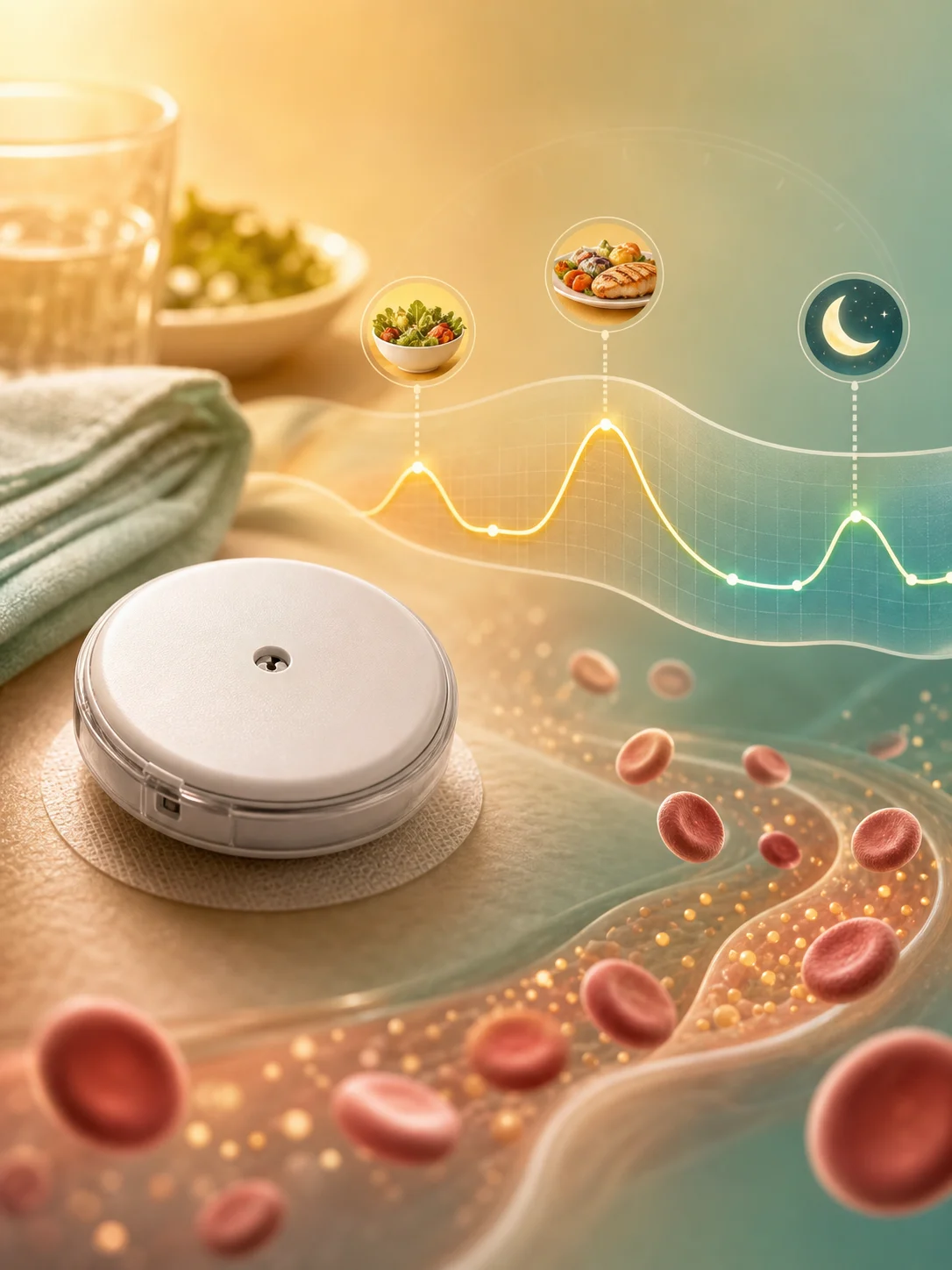
Ask whether glucose is highest after particular meals, overnight, early in the morning, during illness, or after missed medication. A meter or continuous glucose monitor can reveal patterns that A1C alone hides. Discuss unexpected highs and lows with the clinician who manages your treatment.
2. Adjust carbohydrate quality and portions
You do not need to eliminate every carbohydrate. Build meals around vegetables, beans, intact whole grains, whole fruit, and adequate protein. Pairing carbohydrate with fiber, protein, and unsaturated fat can make meals more filling and may soften the post-meal rise. Sugary drinks are often the simplest high-impact item to replace.
3. Move after meals and across the week
Muscle uses glucose during activity. A short walk after a meal can be more realistic than waiting for a perfect one-hour workout. Over the week, combine aerobic movement with resistance training if it is safe for you. If you use insulin or medicines that can cause lows, ask how to monitor and fuel exercise.
4. Take prescribed medicine consistently
Lifestyle changes and medication are not opposing teams. If a medicine is expensive, causes side effects, or is difficult to take, tell your clinician rather than rationing it silently. Never double a missed dose unless your prescription instructions specifically say to do so.
5. Protect sleep and treat illness
Poor sleep, infection, pain, stress, and steroid medicines can raise glucose. These factors do not make healthy habits pointless; they explain why the same meal can produce different readings on different days. Seek a sick-day plan if you use insulin or have repeated high results during illness.
Start with a two-week pattern, not a complete life overhaul
When a lab result is upsetting, changing breakfast, exercise, supplements, medication timing, and sleep all at once is tempting. It also makes it nearly impossible to learn what helped. A short baseline gives you something concrete to review.
For one or two weeks, record the glucose checks already recommended in your care plan. Add the meal time, medicine time, unusual activity, illness, and symptoms. You do not need a perfect diary or a photograph of every bite. A few plain notes such as “late dinner,” “walked 20 minutes,” or “missed evening dose” are enough to expose repetition.
Look for one question. Is fasting glucose consistently high? Are values rising most after one meal? Are lows appearing after exercise or overnight? Does the pattern change on days when medication is delayed? Bring the log to the clinician or diabetes educator who can help interpret it.
If you do not have diabetes and are trying to lower an A1C in the prediabetes range, home testing may not be necessary. A sustainable food and activity plan, follow-up laboratory testing, and attention to overall cardiovascular risk may be more useful. Ask before buying a meter you may not need.
Build meals you can repeat on an ordinary Tuesday
The best meal plan is not the strictest one you can tolerate for ten days. It is the one you can still follow when work runs late, groceries are limited, or the family is eating together.
Start with drinks. Replacing soda, sweet tea, energy drinks, or frequent sweetened coffee can remove a concentrated source of carbohydrate without shrinking the meal. Juice raises glucose too, even when the label says 100% fruit. Whole fruit usually brings more fiber and takes longer to eat.
At meals, choose a portion of protein, add non-starchy vegetables when available, and decide deliberately how much rice, bread, pasta, potatoes, or other carbohydrate fits. Beans and intact whole grains provide carbohydrate, but their fiber and structure often make them easier to fit than refined options. Culture and budget matter; there is no single “diabetes food.”
You can learn from paired checks if your clinician recommends them. Compare glucose before a familiar meal and at the agreed time afterward. Change one part of that meal the next time, not the entire day. The useful lesson might be that a smaller rice portion works, that a sugary drink was the main issue, or that a ten-minute walk helps.
Avoid cutting carbohydrate so sharply that prescribed insulin or another medicine no longer matches what you eat. Sudden restriction can cause a low. Anyone using glucose-lowering medicine should discuss major diet changes with the prescribing team.
Use movement as a routine, not a punishment
Exercise does not have to erase a meal. A short walk after eating is useful because it is easy to repeat and puts working muscle close to the time glucose is entering the blood. Some people prefer ten minutes after two or three meals; others can manage one longer walk. Consistency beats an ambitious schedule that disappears after a week.
Over time, aim to include aerobic activity and muscle-strengthening work if your health allows it. Resistance training gives muscle a reason to stay strong while activity and nutrition change. Start below your maximum, especially if you have been inactive, have foot problems, chest symptoms, severe eye disease, or another condition that affects exercise safety.
Check the plan first if you use insulin or a medicine that can cause lows. Activity may lower glucose during the session or hours later. Carry the treatment specified in your low-glucose plan, wear identification if advised, and teach workout partners what to do if you become confused or cannot treat yourself.
One hard workout can briefly raise glucose because the body releases stress hormones. That does not mean activity has failed. Review the larger pattern rather than judging exercise from one immediate reading.
Make medication problems visible
A prescription cannot lower A1C when it stays in the bottle. Missed doses are often blamed on “noncompliance,” but the real reason may be nausea, cost, a schedule that clashes with shift work, fear of needles, or instructions that were never clear.
Tell the prescriber what is actually happening. Ask whether the timing can be simplified, whether a lower-cost option exists, and which side effects need attention. Bring the bottles or an accurate list. If two clinicians prescribe diabetes medicines, make sure each knows the full plan.
Do not borrow another person’s medicine, buy an unverified product online, or add a supplement because an advertisement promises a large A1C drop. “Natural” does not mean harmless. Supplements can interact with medicine, vary in strength, and distract from treatment that has evidence behind it.
If readings improve, medicine may eventually need adjustment, particularly when it can cause hypoglycemia. That adjustment belongs with the clinical team. Feeling better is not a safe signal to stop treatment on your own.
Track progress without letting the number run your day
Choose a small set of measures tied to the plan: taking medicine as prescribed, walking after dinner four days a week, replacing a sweetened drink, or completing the glucose checks requested by your clinician. These are actions you can control. A1C follows later.
Daily glucose can show early movement, but normal variation is noisy. Compare similar times and circumstances rather than the lowest reading this week with the highest reading last month. If you use CGM, review several days and look at time in range and lows, not only the estimated A1C displayed by the app.
Weight may change, stay flat, or be irrelevant to the immediate treatment question. Some diabetes medicines change weight; others do not. Better glucose can occur before a dramatic change on the scale. Keep the focus on the full health picture, including blood pressure, cholesterol, sleep, strength, and how the plan feels to live with.
At the follow-up, ask what worked and what needs to change. If the A1C barely moved, that is information, not a moral judgment. The explanation may be an inaccurate result, missed glucose peaks, treatment that is not strong enough, a medicine side effect, or a plan that was unrealistic from the start.
What timeline is realistic?
Home glucose readings can change within days. A1C moves more slowly because older red blood cells still carry information from before the change. Many clinicians repeat the test after about three months when treatment changes, though the appropriate schedule depends on your situation.
Avoid promises that a tea, spice, or seven-day detox will lower A1C by a guaranteed amount. Even effective changes produce different results depending on the starting A1C, diabetes type, medication, weight change, sleep, illness, and adherence.
A repeat result usually makes more sense after enough time has passed for the new pattern to influence red blood cells. Your clinician may test sooner when symptoms, pregnancy, medication safety, or a large glucose change calls for closer follow-up. Keep using day-to-day readings for immediate safety; do not wait for A1C to reveal an urgent problem.
When the A1C result may be misleading
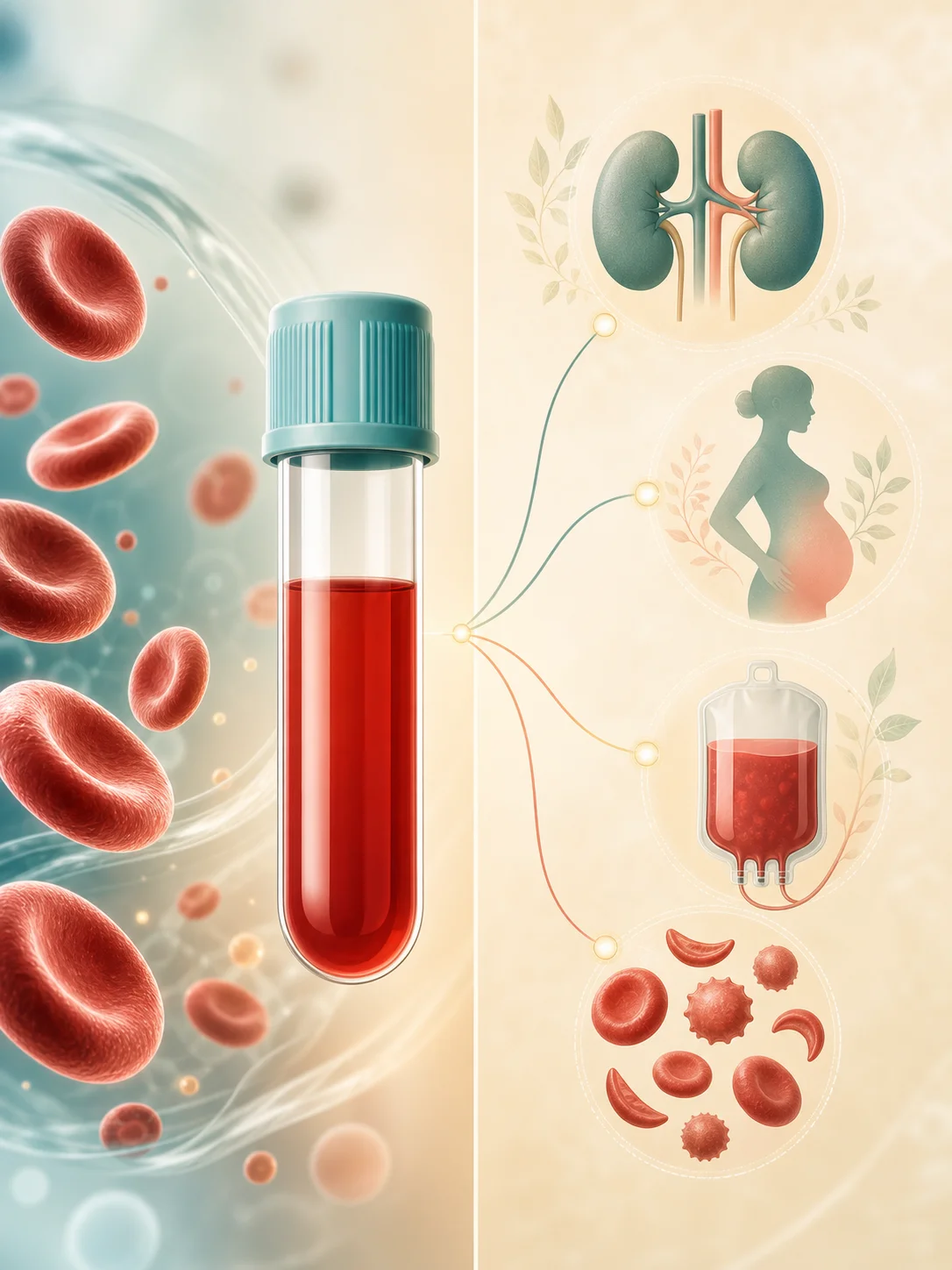
Severe anemia, kidney failure, liver disease, recent blood loss or transfusion, pregnancy, and some hemoglobin variants can make A1C less representative of average glucose. If your laboratory result conflicts sharply with meter or CGM patterns, ask whether another test is more appropriate.
Our blood-sugar chart explains the difference between diagnostic cutoffs and treatment targets, while normal A1C by age covers why older adults may receive individualized goals.
When to get urgent help
Seek urgent medical advice for severe weakness, confusion, fainting, trouble breathing, vomiting that prevents fluids, signs of dehydration, or very high or low glucose according to your care plan. Do not wait for the next A1C test when you have acute symptoms.
Build the next repeatable step
The safest path is steady: understand your pattern, improve meals you can repeat, move regularly, use medicine as prescribed, and review progress with your healthcare team. A1C is a valuable trend marker, not a grade and not a reason to pursue a dangerous shortcut.
Evidence and review
How this article was checked
Checked against current CDC, NIDDK, and American Diabetes Association guidance. This article has not been independently medically reviewed. Evidence last reviewed Aug 4, 2026.
- CDC - A1C Test for Diabetes and Prediabetes - Diagnostic ranges, testing frequency, goals, and factors that can distort A1C.
- NIDDK - Managing Diabetes - Evidence-based management of glucose, blood pressure, cholesterol, and medicines.
- American Diabetes Association - Glycemic Goals 2026 - Current guidance on individualized A1C and glucose goals and hypoglycemia prevention.
FAQ
Frequently asked
Answers
Frequently asked questions
How quickly can A1C go down?
A1C reflects roughly the previous three months, with recent weeks contributing more. Daily glucose may improve sooner, but a repeat A1C is usually more meaningful after enough time has passed for the new pattern to appear.
Can I lower A1C without medication?
Some people with prediabetes or early type 2 diabetes improve with lifestyle changes, while others need medication as well. Do not stop or change prescribed treatment without the clinician managing your diabetes.
Is a lower A1C always better?
No. A target that causes frequent hypoglycemia may be unsafe. Goals should account for medicines, pregnancy, age, other illnesses, complications, and personal priorities.
Why does my A1C not match my glucose meter?
A1C is a long-term estimate, while a meter captures selected moments. Anemia, kidney disease, blood loss, transfusion, pregnancy, and some hemoglobin variants can also change the relationship.
Share this article