How much water should I drink? A practical daily guide
Sheenam Midha · Health writer
On this page
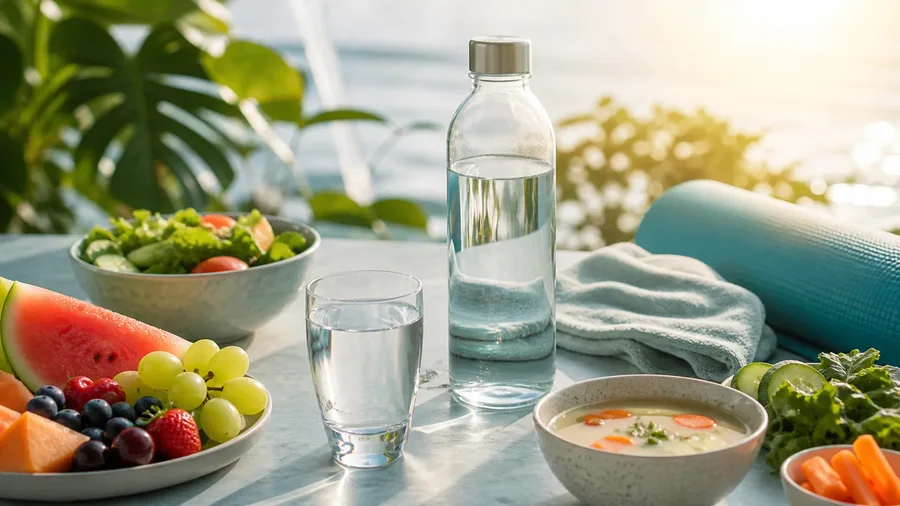
How much water you should drink depends on more than body weight. Climate, exercise, pregnancy, food, illness, and medications can move the target, and a calculator should be treated as a starting estimate rather than a quota to force.
Use our water-intake calculator to generate a practical baseline. Then adjust it with thirst, urine pattern, environment, activity, and any instructions from your healthcare team.
Water, fluid, and total water are not identical
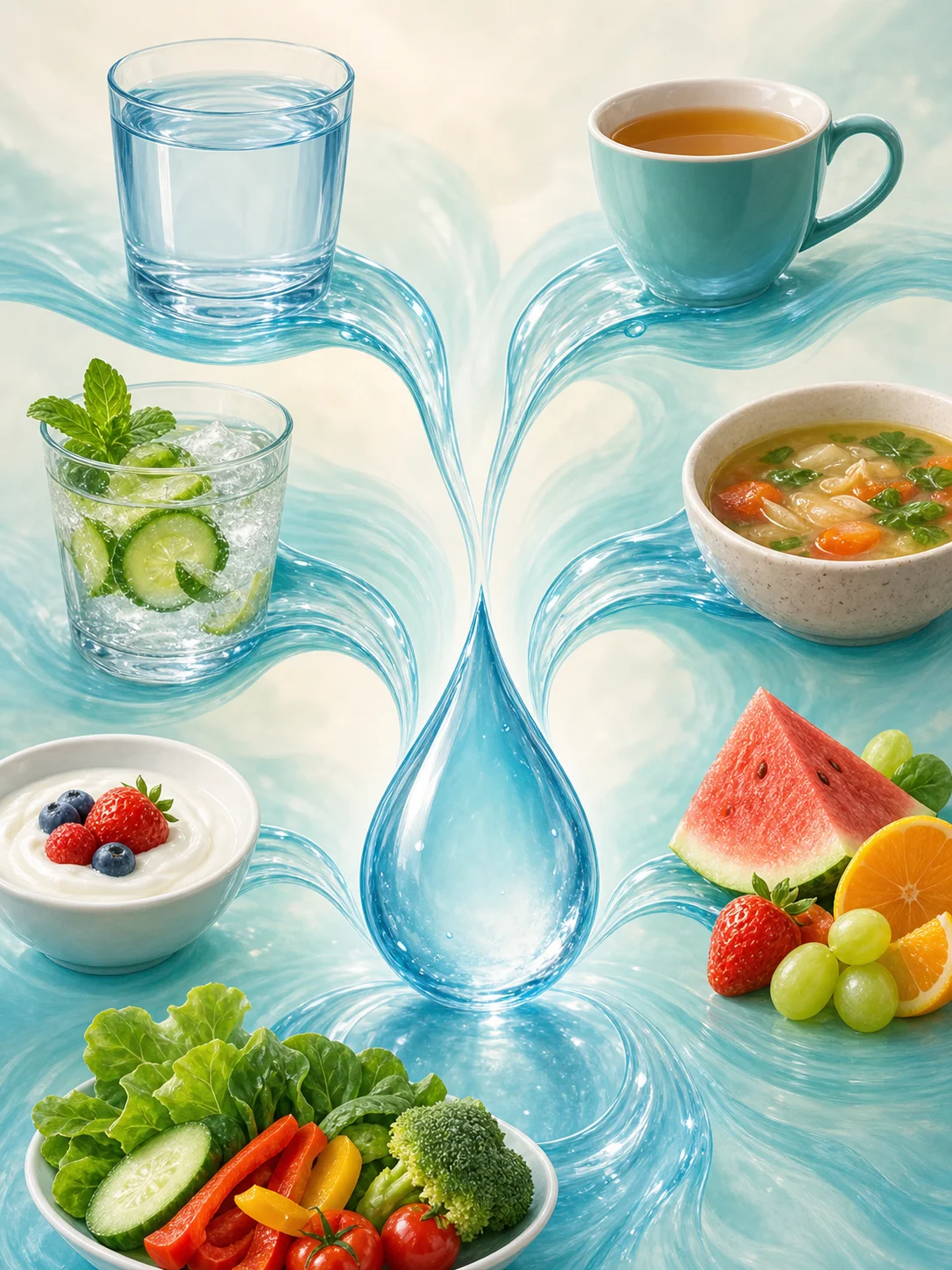
Daily total water includes plain water, other drinks, and water naturally present in food. Fruit, vegetables, soups, yogurt, and cooked grains can contribute meaningful fluid. That is why a research reference for total water should not be interpreted as a requirement to drink the same volume as plain water.
The National Academies established adequate intakes rather than a minimum that applies to every person. Population reference values help plan diets, but an individual can need more or less on a given day.
What the reference intakes actually say
The National Academies set an adequate intake for total water of about 3.7 liters per day for adult men and 2.7 liters for adult women. These numbers include water from every beverage and from food. They were based largely on observed intakes among generally healthy people, not on evidence that everyone becomes dehydrated below one exact line.
In the underlying U.S. data, beverages supplied roughly 3.0 liters for men and 2.2 liters for women, with food providing the rest. A diet rich in fruit, vegetables, soups, yogurt, and cooked grains can supply more water than a dry, highly processed diet.
The references do not cover every climate, body size, pregnancy stage, illness, or training schedule. They also are not instructions to finish the full amount as plain water.
The familiar eight 8-ounce glasses equal about 1.9 liters. That may suit some people as a simple drinking reminder, but it is neither a universal minimum nor a ceiling.
What a body-weight calculator can and cannot do
A calculator may use a starting range such as milliliters per kilogram. This scales the estimate with body size, which is useful, but it still cannot see sweat rate, food moisture, air temperature, pregnancy, altitude, or medical fluid limits.
At a higher body weight, multiplying indefinitely can produce a large number that is uncomfortable or inappropriate. Body composition and activity matter. Treat the output as a planning range and compare it with thirst, urine pattern, climate, and clinician advice.
Round the result. There is no practical difference between goals of 2,437 and 2,450 milliliters. A water bottle, cup, or meal routine is easier to use than counting every sip.
Do not add the calculator estimate on top of all other drinks unless it explicitly says “plain water.” Check whether it reports total fluid, total water, or drinking water.
How much water should I drink per day?
A body-weight formula can create a baseline, commonly expressed in milliliters per kilogram. It cannot see how watery your food is, how much you sweat, or whether a medicine changes fluid balance. Round the output into a range you can use instead of measuring every sip.
For healthy adults in ordinary conditions, thirst and access to fluids usually guide intake reasonably well. Older adults may have a less noticeable thirst signal, while young children depend on caregivers. People working or exercising in heat need a more deliberate plan.
When you may need more fluid
- Hot or humid weather
- High altitude or very dry air
- Long or sweaty exercise sessions
- Fever, vomiting, or diarrhea
- Pregnancy or breastfeeding
- A diet with more fiber or unusually salty foods
Illness can require more fluid, but vomiting, diarrhea, and heavy sweating also remove electrolytes. Oral rehydration solution is formulated differently from plain water and may be more appropriate in some situations. Severe dehydration, inability to keep fluids down, confusion, fainting, or very little urination needs prompt medical care.
Hydration for exercise
Start normally hydrated rather than drinking an enormous amount at the last minute. During exercise, needs depend on duration, heat, clothing, body size, pace, and individual sweat rate. Weighing immediately before and after a representative session can help estimate losses, but the result also includes anything consumed or excreted during the session.
For shorter, easier sessions, water is often sufficient. Longer or very sweaty events may require carbohydrate and sodium as well as fluid. Drinking continuously beyond thirst without regard to losses can cause exercise-associated hyponatremia, a dangerous dilution of blood sodium.
Heart rate is another context-sensitive exercise estimate. Use our heart-rate zone calculator and heart rate zones guide to pair the number with perceived effort and the talk test.
How to estimate your sweat rate
For a representative workout, weigh yourself in minimal dry clothing immediately before and after. Record all fluid consumed and any urine passed. Keep the units consistent.
A simplified calculation is:
Sweat loss = pre-exercise weight − post-exercise weight + fluid consumed − urine produced
One kilogram of body-weight loss is roughly one liter of fluid, although the estimate is not perfect. Divide the loss by workout hours to estimate an hourly sweat rate.
Example: you weigh 70.0 kg before a one-hour run and 69.4 kg afterward. You drank 400 mL and did not urinate. The estimated loss is 0.6 L plus 0.4 L, or about 1.0 L for that hour.
Do not automatically drink that exact rate in every session. Weather, pace, clothing, and acclimatization change sweating. The result helps plan, especially for long events, but drinking should also avoid weight gain from excess fluid.
Water, sodium, and long exercise
Sweat contains water and sodium. During short, easy exercise, normal meals and plain water are often sufficient. As duration, heat, and sweat loss increase, carbohydrate and sodium may become useful along with fluid.
Sports drinks are tools, not mandatory health drinks. They can help during long endurance exercise, but they also contain sugar and sodium that may be unnecessary during an ordinary short walk or gym session.
People differ widely in sweat sodium. White salt marks on clothing can suggest salty sweat but do not provide a laboratory measurement. A sports dietitian can help plan for long events, especially after repeated cramping, large losses, or a history of hydration problems.
Avoid trying to replace every gram of weight during exercise with plain water. Finishing heavier than you started can be a warning that intake exceeded loss.
Simple signs to monitor

Thirst, dry mouth, darker urine, lower urine frequency, headache, and declining performance can accompany inadequate intake, though none is perfectly specific. Pale-yellow urine is a practical general cue. Bright yellow from B vitamins, red from some foods or blood, and brown urine require different interpretation.
Body weight can change rapidly with fluid. A one-kilogram overnight change is far more likely to reflect water, stored carbohydrate, sodium, or digestive contents than a kilogram of new body fat. This matters when evaluating a weight-loss macro plan.
Urine color is useful, but not a laboratory test
Pale yellow urine often accompanies adequate hydration. Darker urine after waking can be normal because it concentrated overnight. A single dark sample after sweating does not tell you how much to drink down to the milliliter.
B vitamins can turn urine bright yellow. Beets and some medicines change color. Blood, cola-colored urine, persistent cloudiness, pain, or a major unexplained change deserves medical attention rather than more water alone.
Completely clear urine all day is not a target. It may simply mean you are drinking more than needed. Frequent nighttime urination can reflect evening intake, medicine, sleep disorders, diabetes, urinary problems, or other conditions.
Thirst is useful for most healthy adults with ready access to fluids. It may be less reliable in older age, during intense exercise, in illness, or when certain medicines affect it.
Coffee, tea, milk, and sparkling water
Coffee and tea contribute fluid. The caffeine in ordinary amounts may increase urination slightly in some people, but the drink still supplies water. If caffeine worsens anxiety, reflux, sleep, or heart rhythm symptoms, those effects may set a lower practical limit.
Milk and fortified plant drinks contribute water and nutrients. Juice contributes fluid but also concentrated natural sugar, so it is not the same choice as plain water for routine thirst.
Unsweetened sparkling water hydrates. Check sodium if a clinician has given you a restriction, and notice whether carbonation worsens bloating or reflux.
Alcohol is not a hydration strategy. It can increase urine production, impair judgment, disrupt sleep, and complicate heat or exercise. Pairing alcohol with water may reduce thirst, but it does not cancel alcohol’s other effects.
A practical day without a rigid quota
Drink with meals and keep a bottle or glass where you spend time. Have extra before heading into heat, and carry fluid when access will be limited. After exercise, replace losses gradually alongside food rather than forcing a large volume at once.
A person eating soup, fruit, and yogurt may need fewer drinks than someone eating dry foods. A cool office day differs from outdoor work in humid heat. Let the routine change.
If you routinely forget to drink, attach it to events: breakfast, medication, a work break, lunch, and returning from exercise. If you routinely overdrink because a bottle has become a compulsion, use thirst and medical advice instead of another reminder app.
For children, older adults who depend on caregivers, and anyone who cannot obtain fluids independently, the plan needs support from another person.
Special situations need separate advice
Pregnancy and breastfeeding raise total water needs, but nausea, vomiting, heat, and feeding pattern change the practical amount. Ask the prenatal team for advice if fluids are hard to keep down or urine output falls.
Vomiting and diarrhea remove electrolytes as well as water. An oral rehydration solution uses a specific glucose-and-salt balance to improve absorption. Mixing a homemade version incorrectly can be dangerous, especially for children.
Diabetes can cause thirst and frequent urination when glucose is high. Drinking water may replace some loss, but it does not treat severe hyperglycemia or ketoacidosis.
Heart failure, kidney failure, cirrhosis, and low blood sodium may require a measured fluid limit. Follow the prescribed amount, including foods that melt at room temperature if the care team counts them as fluid.
When drinking more may be unsafe
Heart failure, advanced kidney disease, liver disease, low blood sodium, and some medications can require a clinician-set fluid target. In those situations, generic advice to “drink as much as possible” can be harmful.
Overhydration can cause nausea, headache, confusion, swelling, seizures, and, in severe cases, death. Do not force liters of water quickly to detox, cure illness, or suppress hunger. Kidneys and liver manage normal waste removal; water supports those systems but does not wash away every exposure.
Make hydration easier without obsessing
Keep water accessible, drink with meals, and add extra around heat or exercise. If plain water is unappealing, try sparkling water, unsweetened tea, or water flavored with citrus or herbs. Sugary drinks add calories quickly, while excessive caffeine or alcohol can complicate sleep and recovery.
Reassess if your routine, climate, training, pregnancy status, or health changes. The right plan is responsive, not one fixed number carried through every season.
Keep emergency signs separate from ordinary thirst. Confusion, fainting, severe weakness, seizures, inability to keep fluid down, very little urine, or breathing difficulty needs prompt medical help.
Use a flexible hydration plan
Use a calculator to establish a baseline, then let context refine it. Drink regularly, increase thoughtfully with heat and losses, do not force excessive volumes, and follow medical fluid instructions when they apply.
Evidence and review
How this article was checked
Hydration guidance checked against National Academies reference intakes and CDC public-health guidance. This article has not been independently medically reviewed. Evidence last reviewed Aug 4, 2026.
- National Academies - Dietary Reference Intakes for Water - Reference framework for total water intake from drinks and foods.
- CDC - About Water and Healthier Drinks - Practical hydration guidance and factors that change individual water needs.
- ACSM - Exercise and Fluid Replacement - Position stand on hydration before, during, and after exercise and avoiding excessive intake.
FAQ
Frequently asked
Answers
Frequently asked questions
Is eight glasses of water a day enough?
It can be a useful reminder, but it is not a universal requirement. Body size, food, climate, exercise, pregnancy, illness, and medical conditions all change fluid needs.
Do coffee and tea count toward hydration?
Yes. Water in coffee, tea, milk, and other drinks contributes to total fluid intake. Water is usually the simplest low-calorie default, while alcohol is not a good hydration strategy.
Can you drink too much water?
Yes. Drinking far more than the kidneys can excrete can dilute blood sodium and become dangerous. Avoid forcing large volumes rapidly, especially during prolonged exercise.
What color should urine be when hydrated?
Pale yellow often suggests adequate hydration, but vitamins, medicines, foods, and illness can change color. Completely clear urine all day is not a goal and may reflect excessive intake.
Share this article