Foods and cancer risk: 10 evidence-based choices for your plate
Sheenam Midha · Health writer
On this page
TL;DR: No food starves, kills, or cures cancer. The useful evidence is about patterns: more vegetables, fruit, beans, and whole grains; less processed meat, alcohol, sugary drinks, and heavily processed food. Small choices repeated for years matter more than a miracle ingredient used for a week.
Search for “foods that fight cancer” and you will find dramatic promises about sugar, lemon water, turmeric, berries, or a specific 14-day plan. Those headlines turn early laboratory findings and population studies into claims they cannot support.
Cancer is not one disease, and food is not a treatment. Your lifetime risk is shaped by many factors, including age, genes, infections, tobacco, alcohol, sun exposure, body weight, activity, and screening. Diet is one factor you can influence, but it works as part of that bigger picture.
The most consistent guidance from the World Cancer Research Fund and the American Cancer Society is refreshingly ordinary: build most meals from minimally processed plant foods, keep a healthy weight without crash dieting, move regularly, and limit the foods and drinks most clearly associated with higher risk.
What “lower risk” really means
When researchers say a dietary pattern is associated with lower cancer risk, they are describing a difference across groups of people over time. They are not saying everyone who eats broccoli avoids cancer or that someone who develops cancer caused it with their diet.
Three kinds of evidence often get mixed together:
- Laboratory studies can show that a compound changes cells in a dish. The dose and conditions may be impossible to reproduce by eating the food.
- Observational studies can find that people with one eating pattern have different cancer rates. Other behaviors may explain part of the difference.
- Clinical trials can test an intervention in people, but cancer-prevention trials are difficult because many cancers take years to develop.
A responsible article treats promising laboratory results as a reason for more research, not as proof that a food treats a tumor.
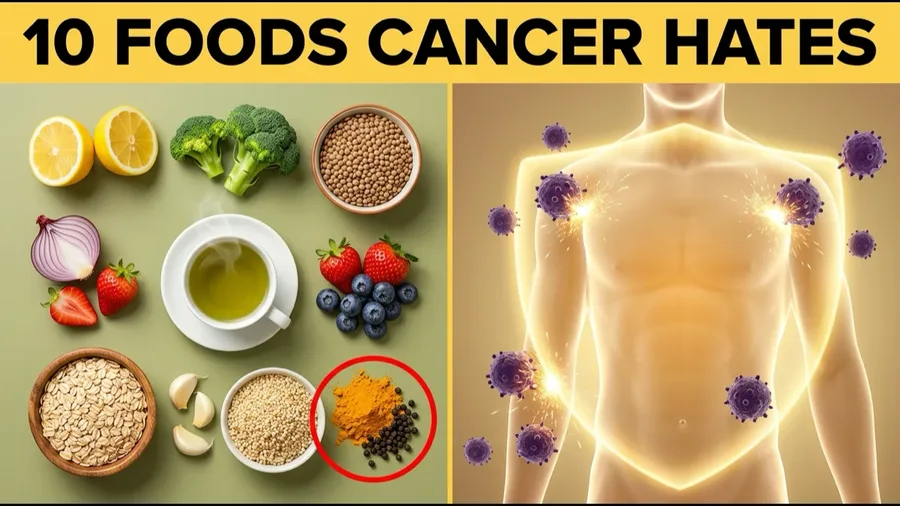
Ten practical foods and food groups to eat more often
These are not ranked, and none is essential on its own. Think of them as flexible building blocks for a plant-forward pattern.
1. Beans, lentils, and peas
Legumes provide fiber, plant protein, folate, and resistant starch. Fiber supports regular bowel movements and is fermented by gut bacteria into compounds that help maintain the colon lining. Start with half a cup in soup, chili, curry, or salad and increase gradually if you are not used to a high-fiber diet.
2. Whole grains
Oats, brown rice, barley, whole-grain bread, and quinoa contribute fiber and a range of nutrients. Whole grains are more useful as a regular replacement for refined grains than as a supplement added to an otherwise unchanged diet.
3. Cruciferous vegetables
Broccoli, cabbage, kale, cauliflower, and Brussels sprouts contain glucosinolates, which the body converts into biologically active compounds. Laboratory findings are interesting, but they do not justify a cancer-treatment claim. Eat cruciferous vegetables because they are nutrient-dense members of a varied vegetable intake.
4. Dark leafy greens
Spinach, arugula, collards, and other greens supply folate, carotenoids, vitamin K, and fiber. Rotate different greens and preparation methods instead of relying on a daily juice. Whole vegetables keep the fiber and are usually more filling.
5. Berries and other whole fruit
Berries bring fiber and polyphenols along with vitamin C. Frozen berries count and are often more affordable. Whole fruit is generally a better everyday choice than juice because it retains fiber and is harder to consume in large amounts quickly.
6. Tomatoes and other colorful vegetables
Tomatoes contain lycopene, while orange, red, purple, and green vegetables provide different carotenoids and polyphenols. Color is a practical way to build variety, not a scoring system where the darkest food automatically has the strongest effect.
7. Nuts and seeds
Walnuts, almonds, peanuts, flaxseed, and chia provide unsaturated fats, fiber, and plant protein. A small handful of unsalted nuts or a spoonful of ground seeds is an easy addition to oatmeal, yogurt, salads, and vegetables.
8. Garlic, onions, and herbs
Allium vegetables and herbs add flavor that can make plant-forward meals easier to enjoy. They contain compounds studied for potential biological effects, but ordinary culinary use is the sensible recommendation. Concentrated extracts and very high doses can interact with medicines.
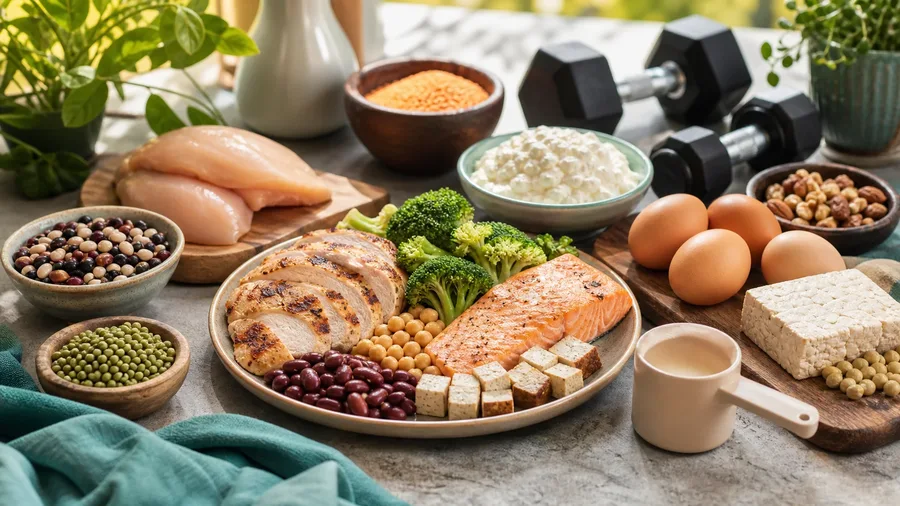
9. Fish or other minimally processed protein
For people who eat animal foods, fish, poultry, eggs, or plain dairy can replace some processed and red meat. Plant options such as tofu, tempeh, and beans work too. The useful change is the overall swap, not finding a perfect protein.
10. Water and unsweetened drinks
Water, sparkling water, and unsweetened tea can replace sugary drinks. Tea contains compounds studied in laboratory and population research, but adding several cups of tea does not cancel the effects of tobacco, alcohol, inactivity, or an otherwise low-quality diet.
What to limit has stronger evidence than many “superfood” claims
Some of the clearest dietary guidance focuses on what to eat less often:
- Processed meat: The World Health Organization concludes that processed meat causes colorectal cancer. Bacon, sausage, hot dogs, salami, and similar products are best treated as occasional foods.
- Red meat: Beef, pork, and lamb can fit in smaller amounts, but regular high intake is associated with higher colorectal cancer risk.
- Alcohol: Alcohol increases the risk of several cancers. For cancer prevention, less is better; not drinking avoids the risk.
- Sugary drinks and highly processed foods: These can make weight gain easier. Excess body fat is itself linked with higher risk for multiple cancers.
This does not mean a hot dog or dessert “feeds” a tumor. It means frequency and pattern affect risk over time.
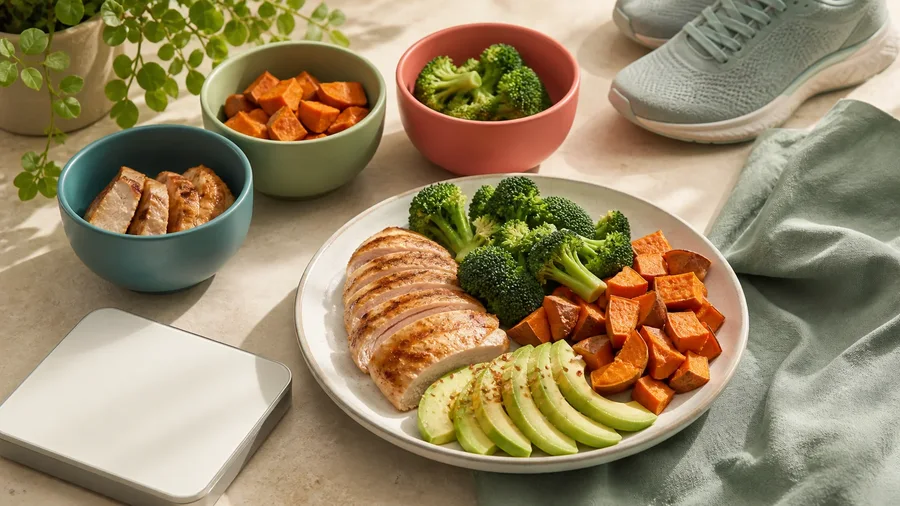
A simple plate you can repeat
You do not need a detox or a rigid meal plan. Try this starting point:
- Fill about half the plate with vegetables or fruit.
- Use a quarter for beans, tofu, fish, poultry, eggs, or another protein.
- Use the remaining quarter for a whole grain or starchy vegetable.
- Add nuts, seeds, olive oil, herbs, or yogurt for flavor and satisfaction.
- Choose water or an unsweetened drink most of the time.
The best change is the one you can repeat. If beans every day upset your stomach, start twice a week. If fresh produce is expensive, use frozen or canned vegetables with no added sugar and lower sodium.
If you have cancer or are receiving treatment
Prevention advice is not the same as treatment nutrition. During chemotherapy, radiation, surgery, or recovery, nausea, taste changes, mouth sores, diarrhea, constipation, and weight loss can change what your body needs and what you can tolerate.
The priority may be getting enough calories, protein, and fluids, even if the foods do not look like an ideal prevention plate. Some foods, herbs, and supplements can also interact with treatment. The National Cancer Institute recommends individualized support based on treatment and symptoms. Ask your oncology team for a referral to an oncology dietitian when possible.
What about turmeric, green tea extract, and antioxidant pills?
Food amounts and supplement doses are not interchangeable. A concentrated extract can expose you to far more of a compound than a normal serving, and more is not always better. High-dose supplements have sometimes produced unexpected harm in trials, and antioxidants may interfere with parts of cancer treatment.
Do not use a supplement as a substitute for screening or treatment. If you take prescription medicine or are receiving cancer care, show your clinician every supplement, tea, powder, and herbal product you use.
The bottom line
There is no list of foods that makes cancer “die,” and there is no recipe that can clean up the risk created by smoking, heavy alcohol use, missed screening, or delayed medical care. A mostly plant-based, minimally processed eating pattern can support long-term health and is associated with lower risk for several cancers. It is one practical layer of prevention, not a guarantee.
If you are worried about a symptom, do not try to eat your way out of it. Speak with a healthcare professional.
Evidence and review
How this article was checked
The article was rewritten to distinguish cancer treatment from long-term risk reduction and checked against guidance from major cancer organizations. It has not been independently medically reviewed. Evidence last reviewed Aug 3, 2026.
- World Cancer Research Fund - Cancer Prevention Recommendations - Recommendations on body weight, plant foods, processed meat, sugary drinks, alcohol, and supplements.
- American Cancer Society - Diet and Physical Activity Guideline - Guidance on dietary patterns associated with lower cancer risk.
- American Institute for Cancer Research - Foods That Fight Cancer - Evidence summaries for plant foods and cancer risk without cure claims.
- World Health Organization - Cancer and processed meat - Explanation of the evidence linking processed meat with colorectal cancer.
- National Cancer Institute - Nutrition in Cancer Care - Nutrition guidance for people receiving cancer treatment.
FAQ
Frequently asked
Answers
Frequently asked questions
Can any food prevent or cure cancer?
No single food can prevent, cure, or treat cancer. Diet is one part of long-term risk, alongside age, genetics, infections, tobacco, alcohol, body weight, physical activity, screening, and access to care. Cancer treatment should always be guided by an oncology team.
What is the best diet pattern for lowering cancer risk?
Major cancer organizations recommend a pattern built mostly from vegetables, fruit, beans, and whole grains, with limited processed meat, red meat, sugary drinks, highly processed foods, and alcohol. The pattern matters more than any one ingredient.
Should cancer patients follow this list during treatment?
Not automatically. During treatment, enough calories, protein, fluids, and foods you can tolerate may matter more than a prevention-focused plan. Side effects and medication interactions change what is appropriate, so ask your oncology team or an oncology dietitian.
Are antioxidant supplements a substitute for vegetables and fruit?
No. High-dose supplements have not consistently reproduced the benefits associated with eating whole foods, and some can interfere with treatment or cause harm. Discuss supplements with your clinician, especially during cancer treatment.
Share this article