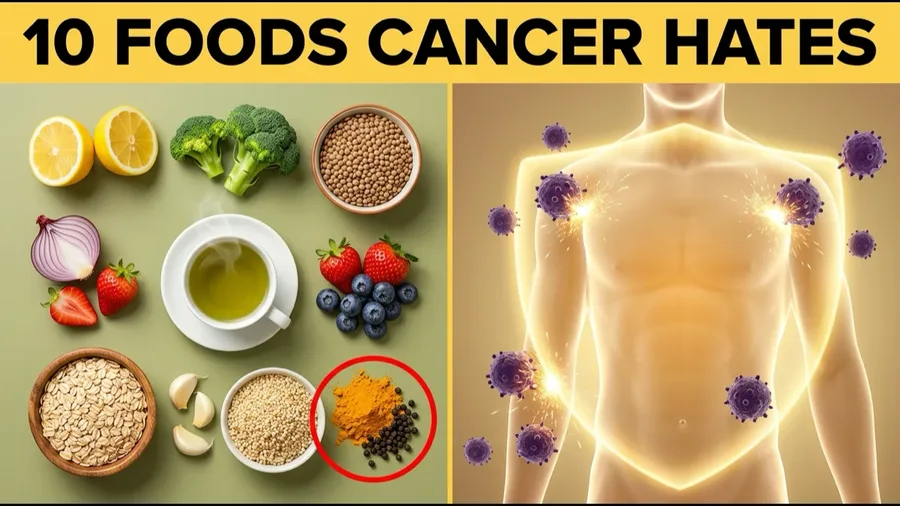
Foods that fight cancer: the 8 worth eating every week
Sheenam Midha · Health writer
On this page
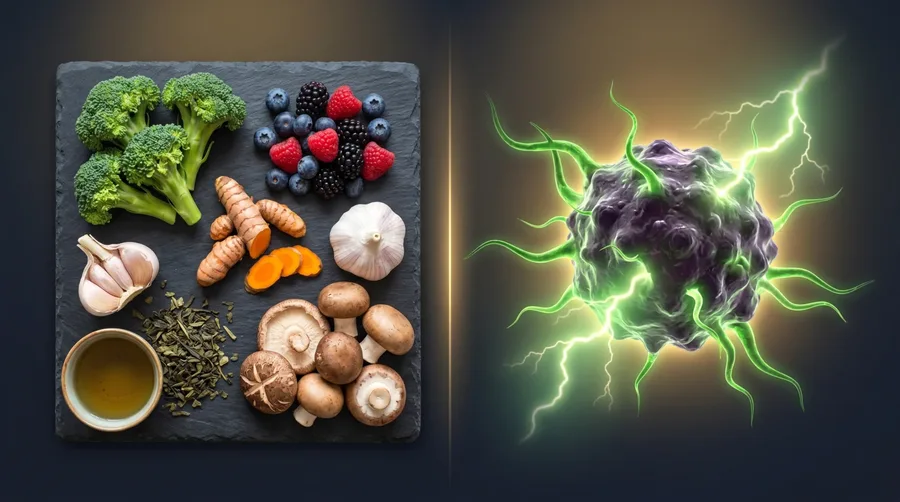
TL;DR: No single food cures cancer, but the foods that fight cancer best work together as a pattern, and research suggests a big share of cancers are tied to lifestyle, with diet a huge part of that. Eight stand out: berries, leafy greens, cruciferous vegetables, whole grains, fatty fish, garlic and onions, turmeric, and green tea. Even small changes, an extra serving of vegetables or swapping white pasta for whole grains, can lower your risk over time. This is how you eat to give your body a fighting chance.
In life, we often take for granted the small choices we make every day. What we eat, for example, is something we rarely give much thought to beyond satisfying our hunger or indulging in a craving. But what if I told you that the food you consume daily could either support your body or leave it more exposed to one of the greatest dangers we face today, cancer?
It’s a sobering thought, and the evidence is reassuring rather than scary. Research suggests a large share of cancers are linked to lifestyle, and diet plays a huge role in that equation. But here’s the thing. When we talk about cancer prevention, we usually focus on what not to eat. Don’t eat this, avoid that, cut this out. What if instead, we shifted our perspective? What are the foods that fight cancer, the ones we could actually add to our plate to help arm our bodies with the defenses they need to stay healthy?
One honest note before we start. You will see videos and headlines promising a “14-day cancer reversal” or claiming one miracle food makes cancer disappear. That is not how the body works, and no food prevents, treats, or cures cancer on its own. What the science actually points to is the overall pattern of how you eat, day after day, year after year. So think of this list as risk-reduction, not treatment, and never a reason to skip or stop care your doctor has recommended. If you also want the flip side, here is a gentle look at the foods feeding cancer cells you eat almost every day.
With that said, let’s explore eight of the most powerful cancer-fighting foods, each with its own unique properties. And while all of these are impressive in their own right, there’s one, just one, that tends to stand head and shoulders above the rest. We’ll get to that later. For now, let’s start with number eight.
8. Berries: nature’s candy
First on our list are berries, nature’s candy. Berries like blueberries, strawberries, and raspberries are not only delicious, they’re packed with antioxidants, particularly flavonoids and anthocyanins. These compounds are like tiny soldiers, working tirelessly to protect your cells from damage.
You see, oxidative stress, a process where harmful molecules called free radicals damage your cells, is one factor in cancer development. The antioxidants in berries help neutralize these free radicals, easing the damage before it builds up.
There’s real evidence behind this. Research has found that women who ate just two servings of blueberries a week had a meaningfully lower chance of dying from breast cancer. Let that sink in. A simple, accessible fruit, linked to lower risk of one of the most common cancers. And it’s so easy to add berries to your diet, stir them into your morning oatmeal, blend them into a smoothie, or just enjoy them as a snack. The best part? These are also some of the better foods that fight cancer and inflammation at the same time, since they calm the chronic, low-grade inflammation that quietly drives so many diseases.
7. Leafy greens
Spinach, kale, and collard greens might not be the most exciting foods on your plate, but they’re some of the most powerful. These greens are loaded with carotenoids, potent antioxidants that protect cells from the kind of damage that leads to cancer. They’re also packed with vitamins, minerals, and fiber, making them an all-around powerhouse for your health.
Research suggests people who eat a diet rich in leafy greens tend to have a lower risk of developing cancers like stomach and colorectal cancer. And here’s something many people overlook, maintaining a healthy weight is a key factor in cancer prevention. Leafy greens are low in calories but high in nutrients, making them perfect for keeping your weight in check while nourishing your body.
Leafy greens also support a healthy gut, feeding the good bacteria in your digestive system. This matters because a healthy gut microbiome has been linked to a lower risk of several types of cancer. Think of these greens as more than just salad fillers, they’re essential to a cancer-fighting diet. If raw salads feel like a chore, you can also get more vegetables in through juices and soups.
6. Why are cruciferous vegetables such potent cancer fighters?
Cruciferous vegetables like broccoli, cauliflower, and Brussels sprouts contain glucosinolates that your body breaks down into active compounds like sulforaphane. These compounds don’t just protect cells, they help clear out damaged ones, slowing the growth of cancer cells and even nudging them toward natural death. Research has linked regular intake, on the order of a cup or so a week, with lower pancreatic cancer risk.
Studies suggest that people who regularly eat cruciferous vegetables have a lower risk of several cancers, including breast, lung, stomach, and pancreatic. If there’s any vegetable worth adding to your diet, it’s these. And the best part? You don’t even need to cook them much. Lightly steaming or eating them raw preserves their cancer-fighting power. For more on this family, here are 10 foods that block cancer cells and how to actually eat them.
5. Whole grains
Whole grains like oats, quinoa, and barley are more than just a source of fiber. They’re a crucial part of a cancer-prevention diet. Fiber works like a broom for your digestive system, sweeping away harmful substances that could otherwise linger and cause problems. This is particularly important for preventing colorectal cancer, which is one of the most common cancers worldwide.
Experts recommend aiming for at least 14 grams of fiber for every 1,000 calories you eat, and whole grains are an easy way to hit that target. Swap out processed grains like white bread or pasta for their whole grain counterparts, and you’re already making a significant step toward protecting your health. Whole grains are also rich in folate, and there’s a good case for folate’s role in colon cancer prevention.
4. Fatty fish
Salmon, mackerel, and sardines are not only delicious, they’re packed with omega-3 fatty acids, which help fight inflammation, a major factor in cancer development. These fish are also rich in vitamin E and selenium, two nutrients that play a vital role in protecting your cells from damage.
Research suggests that eating more fish, even a modest amount each day, is linked with a lower risk of colorectal cancer. It might not sound like much, but every little bit helps, and over time these small changes add up. Fatty fish have also been linked to lower risks of breast and liver cancers, which makes them some of the more reliable foods that help fight cancer across the board.
3. Garlic and onions
Let’s talk about garlic and onions, the unsung heroes of the kitchen. These staples aren’t just good for adding flavor to your meals; they’re also powerful cancer fighters. Garlic and onions belong to the Allium family, a group of vegetables that contain compounds like flavonoids and organosulfur compounds. These compounds work together to protect your cells from damage and may even slow the growth of cancer cells.
What’s fascinating about garlic and onions is that they help prevent cancer before it even starts. They appear to slow the formation of harmful substances that can lead to cancer, making them a key ally in prevention. They’re also prebiotic, meaning they feed the healthy bacteria in your gut, which ties into the bigger gut-health picture researchers keep coming back to. Plus, garlic is great for your heart, and a strong heart supports your whole body, especially when you’re focused on prevention.
2. Turmeric, and the black pepper trick
Turmeric is a vibrant yellow spice that’s been used for centuries in traditional medicine. Turmeric contains an active compound called curcumin, which has shown promising cancer-fighting properties in research. Curcumin can encourage damaged cells to self-destruct through a natural process known as apoptosis. But that’s not all, curcumin also appears to slow the growth of cancer cells and reduce inflammation in the body, making it a double threat.
Adding turmeric to your meals is easy. Sprinkle it into soups, stir it into smoothies, or add it to scrambled eggs. And here’s a tip, pair turmeric with black pepper. Black pepper contains a compound called piperine, which dramatically increases the absorption of curcumin. So by combining these two spices, you’re getting far more of turmeric’s benefit than you would from turmeric alone.
1. What is the number one cancer-fighting food?
If you had to pick one of the top foods that fight cancer, green tea would be near the top of most lists. Green tea is packed with a powerful antioxidant called epigallocatechin gallate, or EGCG for short. This compound has been shown to slow tumor growth in lab studies and may help lower the risk of a variety of cancers, including breast, colon, liver, and prostate. People who regularly drink green tea tend to have a lower risk of certain cancers compared to those who don’t.
To get the most from green tea, don’t use boiling water when you brew it, let the water cool slightly before pouring it over the tea leaves. This helps preserve the beneficial antioxidants. And green tea works even better when paired with other cancer-fighting foods. Try having a cup with your berry snack or after a veggie-filled meal for an extra boost.
While green tea is an amazing addition to your diet, it’s not a magic cure, and no drink ever is. It’s just one part of a larger strategy for a healthy, cancer-fighting lifestyle. If you want a deeper dive, here are 10 proven cancer-fighting foods you should be eating.
Cancer is a complex and multifaceted disease, but the choices we make every day can help tip the scales in our favor.
What foods fight breast and prostate cancer specifically?
People often ask whether certain foods target certain cancers, and the honest answer is that the same core pattern helps across the board. For foods that fight breast cancer, berries, cruciferous vegetables, leafy greens, and green tea show up again and again in the research. For foods that fight prostate cancer, fatty fish, green tea, and the Allium family (garlic and onions) tend to lead. Tomatoes and their lycopene are often mentioned here too.
None of these are a stand-in for screening or treatment. If you’re a man over fifty or with a family history, it’s still worth knowing the early prostate cancer symptoms men often miss. Food supports the body, but catching things early is its own kind of medicine.
How to actually eat for cancer prevention
Remember, you don’t need to overhaul your entire diet overnight. Even small changes, like adding an extra serving of vegetables or swapping out processed grains for whole grains, can make a significant difference in the long run. The pattern is what counts, not any single perfect meal.
- Add a handful of berries to breakfast or use them as a snack.
- Fold leafy greens into at least one meal a day.
- Eat broccoli, cauliflower, or Brussels sprouts lightly steamed or raw to preserve their compounds.
- Swap white bread and pasta for whole grain versions.
- Add salmon, mackerel, or sardines to your week.
- Use garlic and onions liberally when you cook.
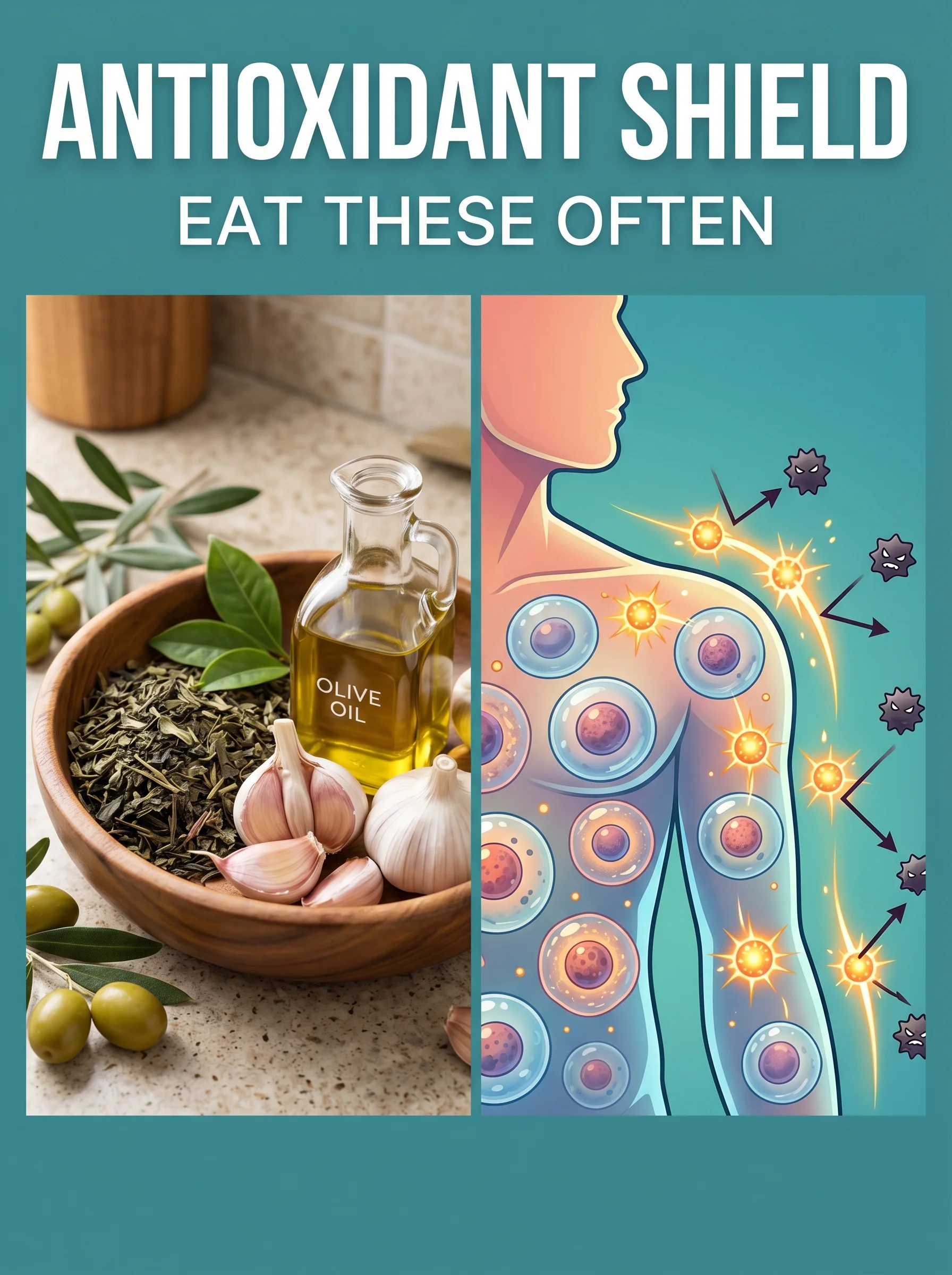
- Pair turmeric with black pepper for better absorption.
- Brew green tea with water that’s cooled slightly rather than boiling.
A gentle closing thought
So there you have it, eight of the best foods that fight cancer. Berries, leafy greens, cruciferous vegetables, whole grains, fatty fish, garlic and onions, turmeric, and green tea. Each one plays a supporting role in your health and helps lower your risk over time. Which of these will you add to your next meal?
If this was useful, the newsletter goes out every Friday with more of the same. You can join the drop if you want it to land in your inbox.
Frequently asked questions
Can any single food actually prevent or cure cancer?
No. No single food prevents, treats, or cures cancer, and any claim of a “14-day reversal” should be treated with healthy skepticism. What research points to is the overall pattern of eating, lots of plants, fiber, and healthy fats over time. Foods that fight cancer reduce risk, they don’t replace medical care.
What are the top cancer-fighting foods to eat?
Berries, leafy greens, cruciferous vegetables, whole grains, fatty fish, garlic and onions, turmeric, and green tea are among the most studied foods that help fight cancer. They work best together as a steady eating pattern rather than as a single miracle item you eat once and forget about.
Do berries and green tea really fight cancer cells?
Both are rich in antioxidants. Berries supply flavonoids and anthocyanins, while green tea provides EGCG, and lab and population studies link them to lower cancer risk. They support your body’s defenses and ease inflammation, but they work alongside a healthy lifestyle, not as a stand-alone treatment.
What foods fight breast and prostate cancer?
For breast cancer, berries, cruciferous vegetables, leafy greens, and green tea come up often in research. For prostate cancer, fatty fish, green tea, garlic, onions, and tomatoes lead the list. The same plant-forward pattern helps both, and none of it replaces regular screening.
What foods should cancer patients eat during and after treatment?
This is best guided by your care team or a dietitian, since needs change with treatment. In general, gentle, nutrient-dense, easy-to-digest foods help with energy and recovery. Never change your diet to replace prescribed treatment, and always check supplements with your doctor first.
Why pair turmeric with black pepper?
Black pepper contains a compound called piperine, which dramatically increases the absorption of curcumin, the active compound in turmeric. On its own, curcumin is hard for the body to take up, so combining the two spices helps you get far more of turmeric’s potential benefit from the same pinch.
Share this article