Benefits of chestnuts: why this low-fat Fall nut belongs on your plate
Sheenam Midha · Health writer
On this page
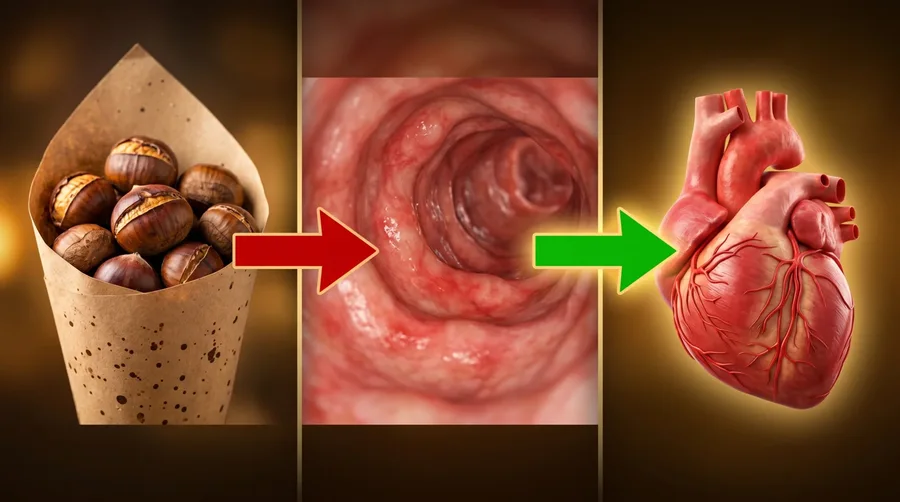
TL;DR: Chestnuts are a delicious Fall treat, and the benefits of chestnuts go well beyond the smell of them roasting. They support better digestion, help protect your eyes, support heart health, keep blood sugar a little steadier, and may even carry mild anti-tumor properties. They bring vitamin C, potassium, magnesium, and fiber, they are naturally low in fat, and they are gluten-free too.
Chestnuts are a delicious Fall treat, but they also quietly look after you. The benefits of chestnuts include improved heart health, gentler digestion, steadier blood sugar, and more. Here is a calm look at the nutritional benefits of chestnuts and how this small seasonal nut can fit into your everyday plate.
Chestnuts are a good source of vitamins and minerals, including vitamin C, potassium, and magnesium. They are also a good source of fiber, which can help to keep you feeling full and satisfied after eating.
What are the benefits of chestnuts?
The health benefits of chestnuts come from a friendly mix of vitamin C, potassium, magnesium, and fiber in one small, satisfying snack. That mix supports better digestion, eye protection, heart health, steadier blood sugar, and possible anti-tumor effects. Chestnuts are also gluten-free, which makes them a good choice for people with celiac disease.
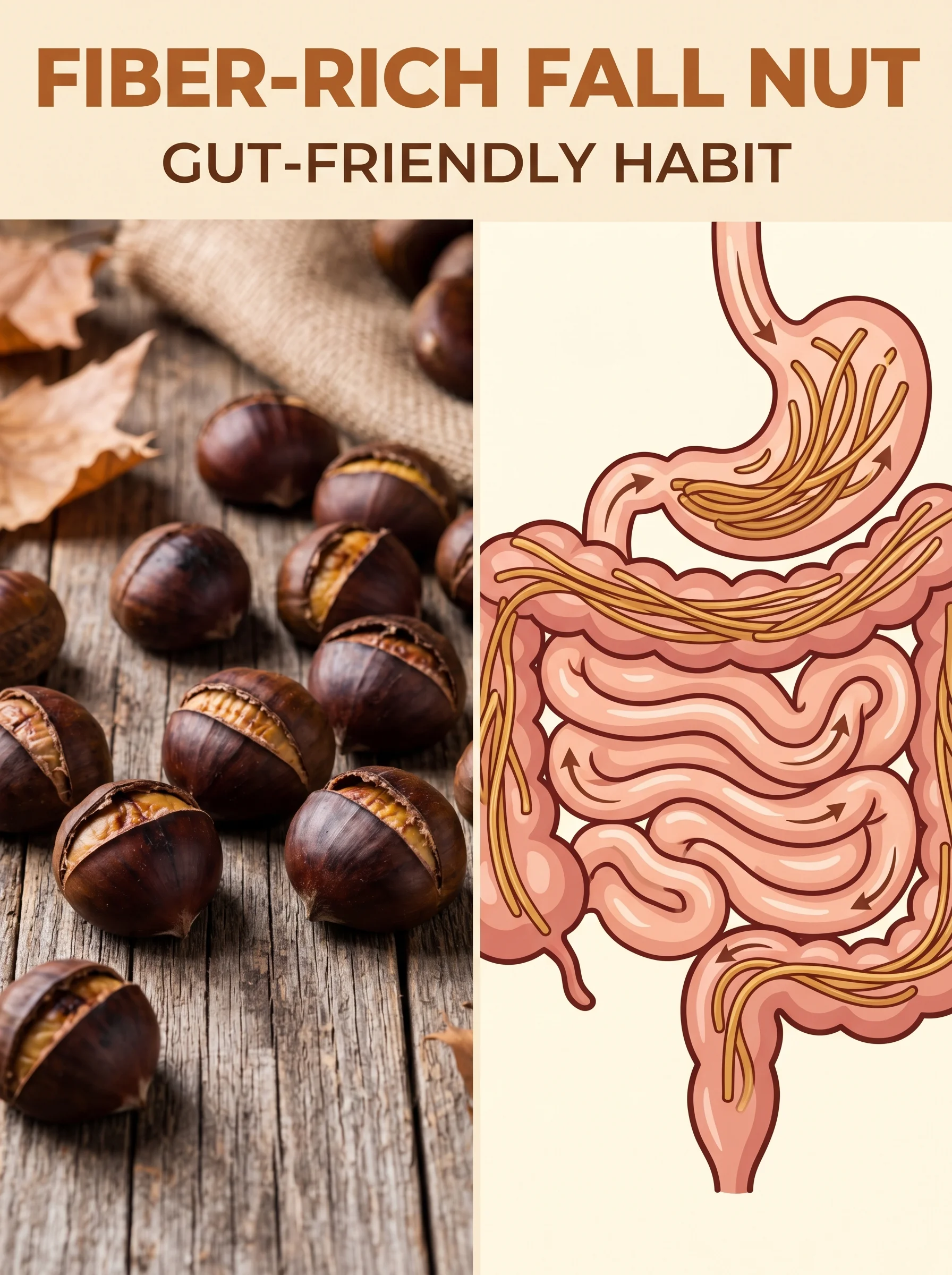
1. Improve digestion
Chestnuts can help improve your digestion because they contain fiber, which helps keep you regular and supports the growth of healthy bacteria in your gut. Chestnuts are also gluten-free, which makes them a good choice for people with celiac disease. If your gut tends to feel stuck, a little extra fiber from whole foods is one of the gentlest places to start, much like the steady habit of choosing to eat more vegetables with juices and soups.
2. Protects the eyes
Chestnuts are a good source of antioxidants, which are important for your health. Some of these antioxidants accumulate in the retinas of your eyes and protect them from damage from blue light.
3. Support heart health
Antioxidants and minerals like magnesium and potassium can help you avoid heart disease and stroke. Chestnuts are a good source of these substances and may assist your heart health. They are a nice companion to other small everyday foods that help keep your heart strong, not a replacement for any medicine your doctor has prescribed.
4. Control blood sugar
Chestnut fiber can also aid in the maintenance of blood sugar levels. High-fiber meals ensure that carbohydrates are slowly absorbed by your body. This helps to avoid the sharp spikes that matter for people managing diabetes. Chestnuts are a starchy nut, so portion still counts, and they sit comfortably alongside other gentle, fiber-rich choices like flaxseed for heart and diabetes support.
5. Potential anti-tumor properties
Research suggests that chestnuts may have properties that help slow tumor growth. Chestnuts seem to carry antioxidants that may help stop cancer cells from spreading, and early studies hint they may even encourage some to die off. This is gentle, supportive evidence rather than a cure, and chestnuts sit best as one small part of a wider plate of foods that help block cancer cells.
How are chestnuts different from other nuts?
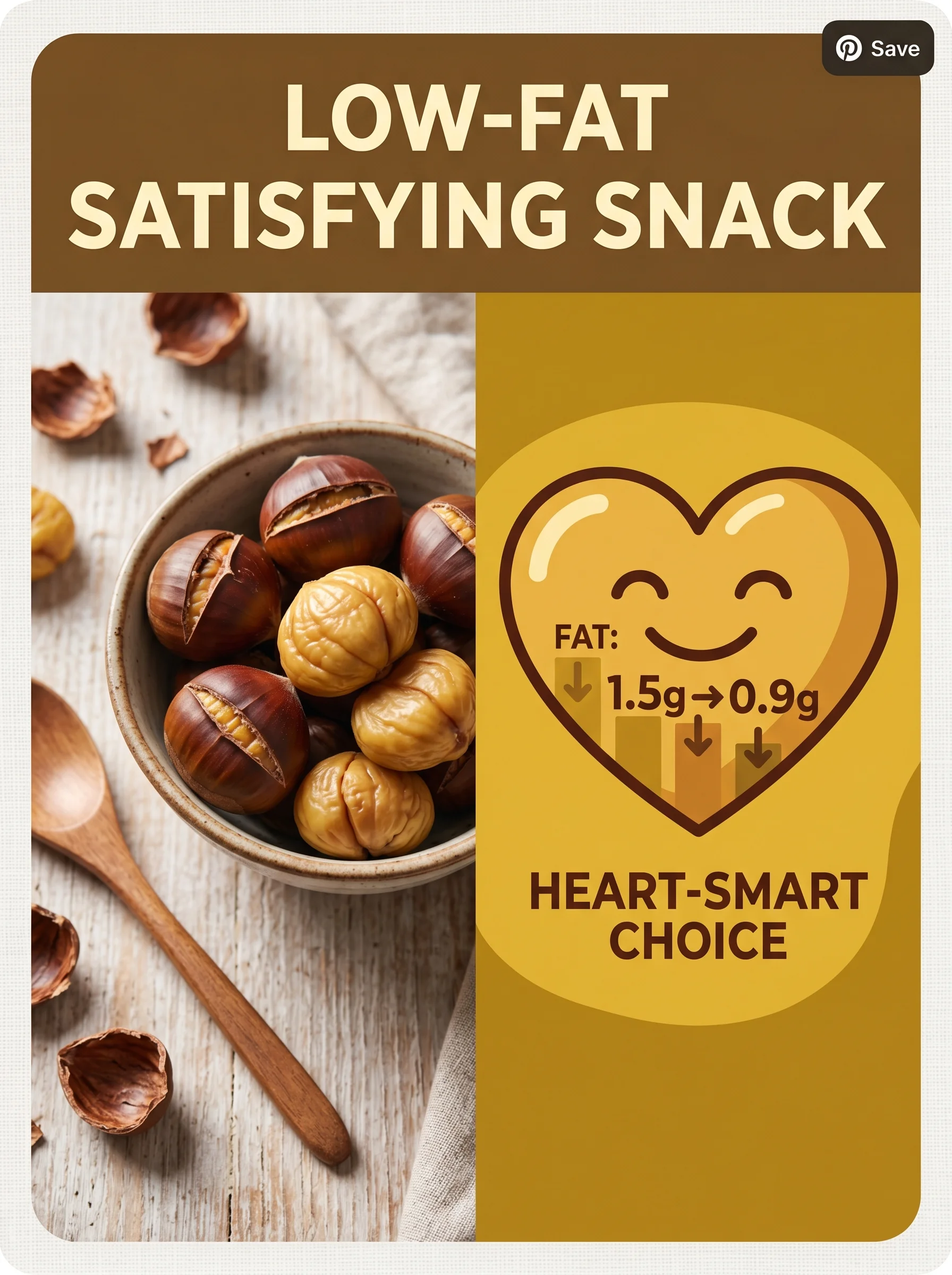
This is the most interesting part of the chestnuts nutritional benefits. Most nuts are high in fat and oils, but chestnuts are mostly starch, water, and fiber, which makes them naturally low in fat and lower in calories than almonds or walnuts. They are also one of the few nuts with a real dose of vitamin C. So if you love nuts but want something lighter and more like a gentle carbohydrate, chestnuts fill that quiet, seasonal gap.
What about water chestnuts and horse chestnuts?
The names cause a lot of confusion, so here is the calm version. Water chestnuts are not nuts at all. They are crunchy aquatic vegetables, and the benefits of water chestnuts are mostly their fiber, potassium, and low calories, which is why they are popular in stir-fries. Horse chestnuts are different again. Raw horse chestnuts (and their seeds) are not food and can be toxic, although horse chestnut extract is sometimes used, under guidance, for circulation and leg swelling. This post is about sweet edible chestnuts, the ones you roast in Fall.
How do you actually eat chestnuts?
Along with all these benefits, chestnuts are delicious, versatile, and easy to add to your diet. If you would like to try chestnuts, experiment with roasting or boiling them to enjoy as a snack. You can also incorporate cooked chestnuts into dishes such as salads, soups, stuffings, and desserts. Recent research on eating habits suggests that small, specific goals, like adding one more serving of something good, tend to stick better than big rules, so even a single handful a week is a real start.
Are raw chestnuts safe?
Raw chestnuts are generally safe to consume, although they do contain tannic acid, which might induce stomach discomfort, nausea, or liver damage in those with liver issues or who experience a lot of kidney problems. Cooking softens both the texture and the tannins, so roasting or boiling is the easier, more comfortable way to enjoy them.
The quiet benefits of chestnuts, in one handful
Chestnuts are one of those quiet, seasonal foods that earn their place on your plate without asking for much attention. A small handful as a snack, or stirred into a soup or salad, can do a lot of gentle work for your digestion, your heart, and your blood sugar.
And remember that variety matters as much as quantity. A diverse, colorful mix of plant foods tends to do more for you than any single hero ingredient, so let chestnuts join the crowd rather than carry it alone.
If you like small, practical notes like this, the newsletter goes out every Friday with one tiny essay and a handful of good links.
Frequently asked questions
What are the health benefits of chestnuts?
The main benefits of chestnuts come from their vitamin C, potassium, magnesium, and fiber. Together they support gentler digestion, help protect your eyes and heart, and keep blood sugar a little steadier. Chestnuts are also naturally low in fat and gluten-free, which makes them an easy, kind addition to most plates.
Are chestnuts good for digestion?
Yes. Chestnuts can help improve your digestion because they contain fiber, which helps keep you regular and supports the growth of healthy bacteria in your gut. They are also gluten-free, which makes them a good choice for people with celiac disease or anyone whose stomach feels sensitive to wheat.
How are chestnuts different from other nuts?
Most nuts are high in fat, but chestnuts are mostly starch and fiber, which makes them naturally low in fat and lower in calories. They are also one of the few nuts with a meaningful amount of vitamin C. Think of them as a lighter, more carbohydrate-style nut rather than a rich, oily one.
Can chestnuts help with blood sugar?
Chestnut fiber can aid in the maintenance of blood sugar levels. High-fiber foods ensure that carbohydrates are absorbed more slowly, which helps soften the spikes that matter for people with diabetes. Chestnuts are still starchy, so watch your portion, and keep any prescribed medicine exactly as your doctor advised.
What are the benefits of water chestnuts, and are they the same thing?
No, they are not the same. Water chestnuts are crunchy aquatic vegetables, not true nuts, so the benefits of water chestnuts are mostly their fiber, potassium, and very low calories. Sweet chestnuts, the ones you roast, are the nut described in this post and offer a richer mineral and vitamin C profile.
Are raw chestnuts safe to eat?
Raw chestnuts are generally safe to consume, although they do contain tannic acid, which might induce stomach discomfort, nausea, or liver damage in those with liver issues or who experience a lot of kidney problems. Roasting or boiling them softens the tannins and makes them gentler and tastier.
Share this article