Folate deficiency symptoms: 7 signs your body may be showing
Sheenam Midha · Health writer

On this page
TL;DR: Folate, also called folic acid or vitamin B9, is essential for cardiovascular and nervous system health. The folate deficiency symptoms to watch for are surprisingly common: headaches, shortness of breath, low mood, digestive upset, mouth ulcers, tingling hands and feet, and palpitations. Beans, lentils, greens and a few other everyday foods quietly fill the gap.
If you have any of these 7 signs, you may be looking at folate deficiency symptoms. Folic acid, also called folate, methylfolate, or vitamin B9, is an essential vitamin for our body. Many pregnant women take it since folic acid helps in many essential body processes for fetal formation.
And more: it is necessary for cardiovascular health and the nervous system. With so many benefits to our body, the lack of folic acid can be quietly harmful. The tricky part is that folate deficiency symptoms in adults are easy to brush off as stress or tiredness. So, pay attention to these 7 signs.
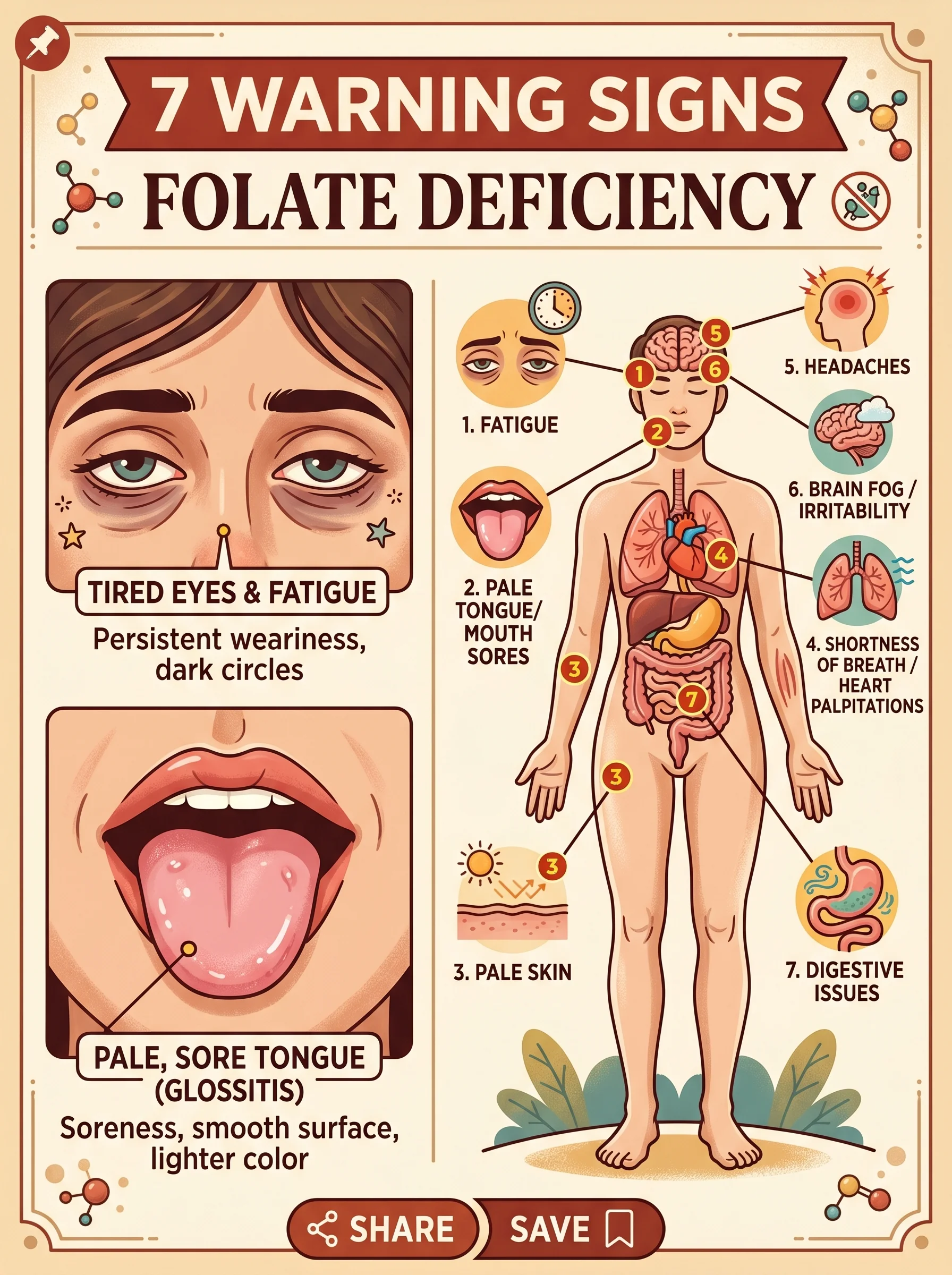
1. Frequent, intense headaches
Do you suffer from frequent and intense headaches? The cause for it might be the lack of folic acid. Folate deficiency interrupts the oxygen supply to the brain. And this is directly linked to the lungs. The consequence is shortness of breath and chest tightness, often alongside the headache itself.
2. Mood, memory and concentration
Who could imagine that folate deficiency affects our mental health? Its lack can cause low mood, weak memory, and poor concentration. These are some of the quieter folate deficiency symptoms, and they are easy to mistake for a simple bad week.
3. Digestive issues
Severe digestive issues, such as diarrhea, acute stomachache, vomiting, and nausea are other signs of folate deficiency. If your gut feels off more often than not, it can be worth a closer look at what your plate is missing, and our gentle guide to getting more vegetables through juices and soups makes that easier.
4. Weakness and mouth ulcers
Two seemingly uncommon signs the body gives when lacking folic acid are weakness and mouth ulcers. In addition, folate deficiency also causes fatigue, pale skin, pain in the mouth, and a swollen tongue. This kind of fatigue and pale skin can overlap with the symptoms of vitamin B12 and folate deficiency, since the two B vitamins work closely together to build healthy red blood cells.
5. Numbness or tingling in hands and feet
Another common sign of folate deficiency, which usually goes unnoticed by most people, is the numbness or tingling sensation in hands and feet. This is one of the folate deficiency symptoms that overlaps with low B12, which is why a doctor often checks both at the same time.

6. Palpitations and cognitive issues
Palpitations are another signal of folate deficiency and can come with many cognitive issues, such as heightened anxiety and ringing in the ears. If your heart sometimes flutters for no clear reason, these gentle ways to calm heart palpitations can help while you work on the underlying gap.
7. How to get enough folate through food
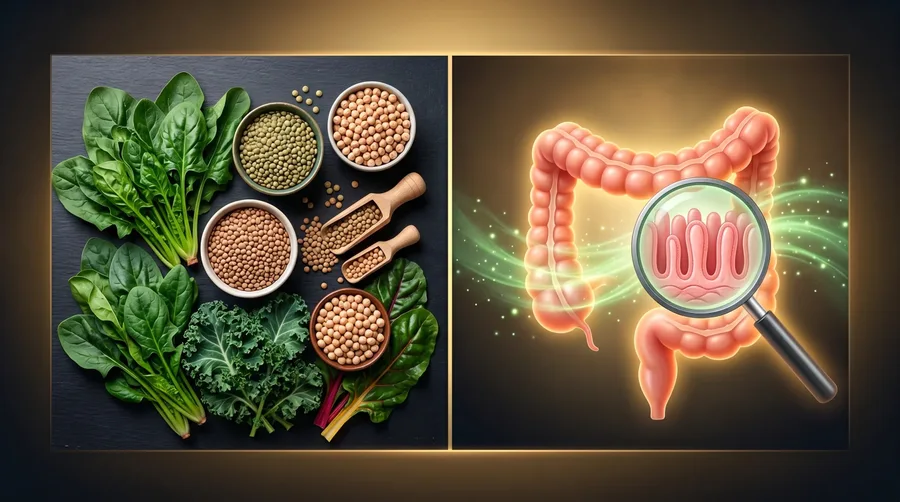
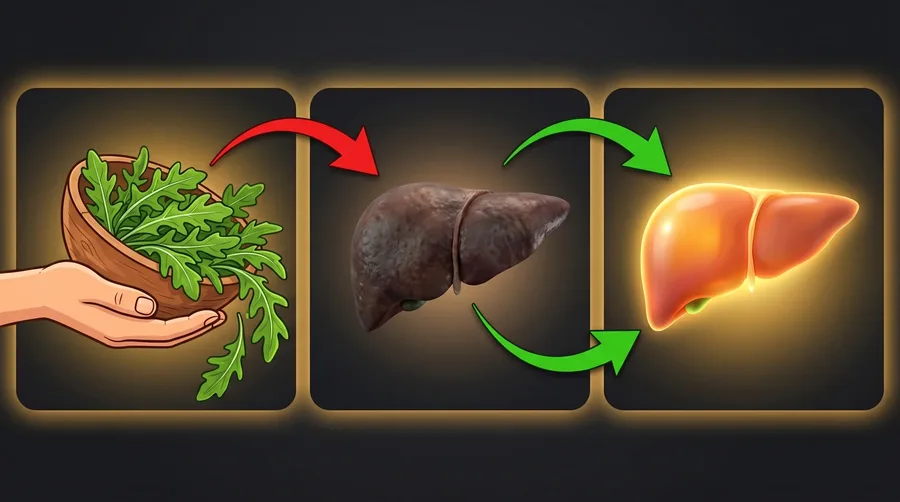
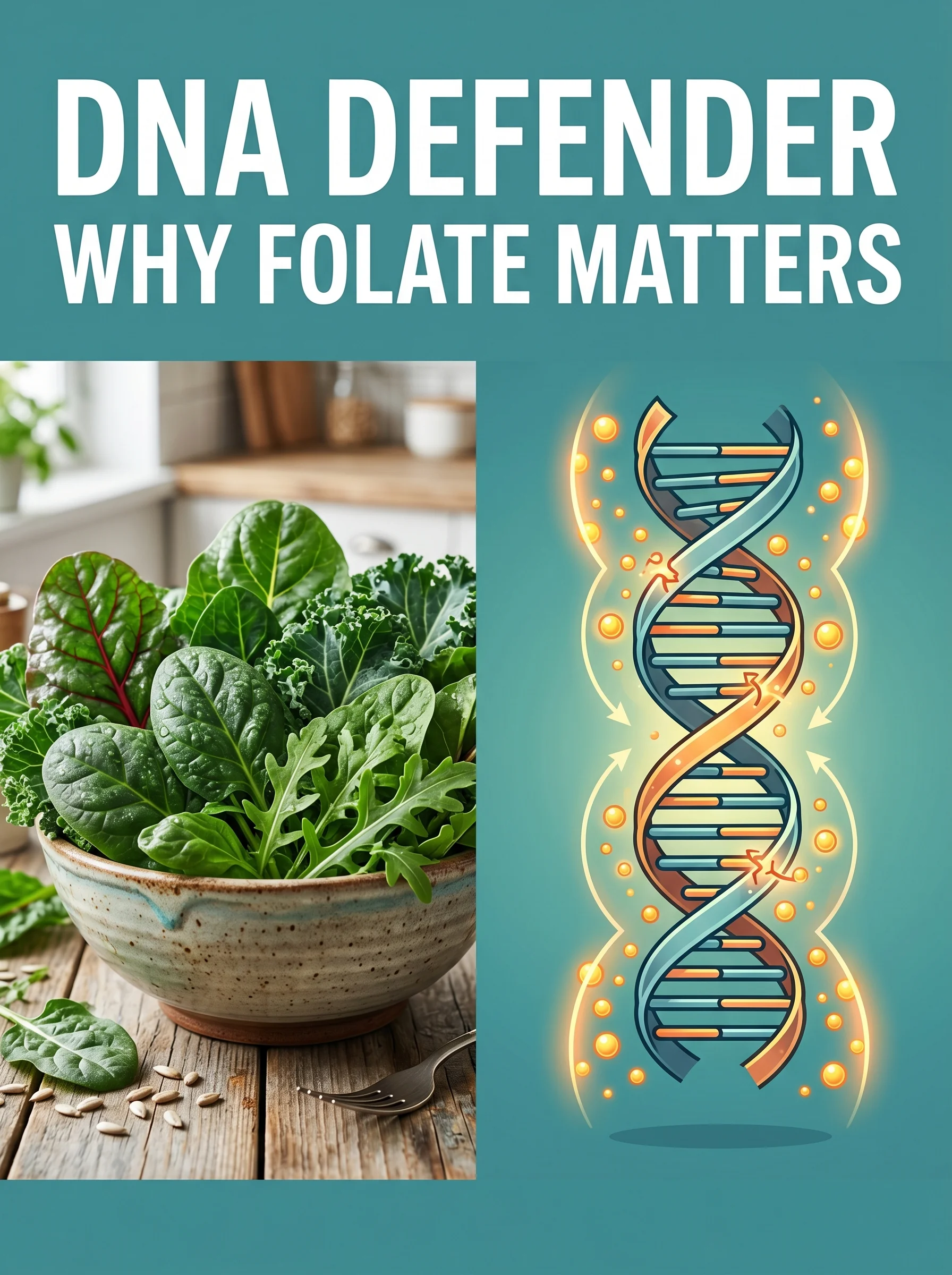
To make sure you have enough folic acid, eat beans, lentils, peas, beets, broccoli, brussels sprouts, and spinach, which are rich in folate. The vitamin is also found in most green-leaf vegetables and breakfast cereals. If you like leafy greens, arugula is another quiet folate source worth adding to the mix.
Can low folate be a sign of cancer?
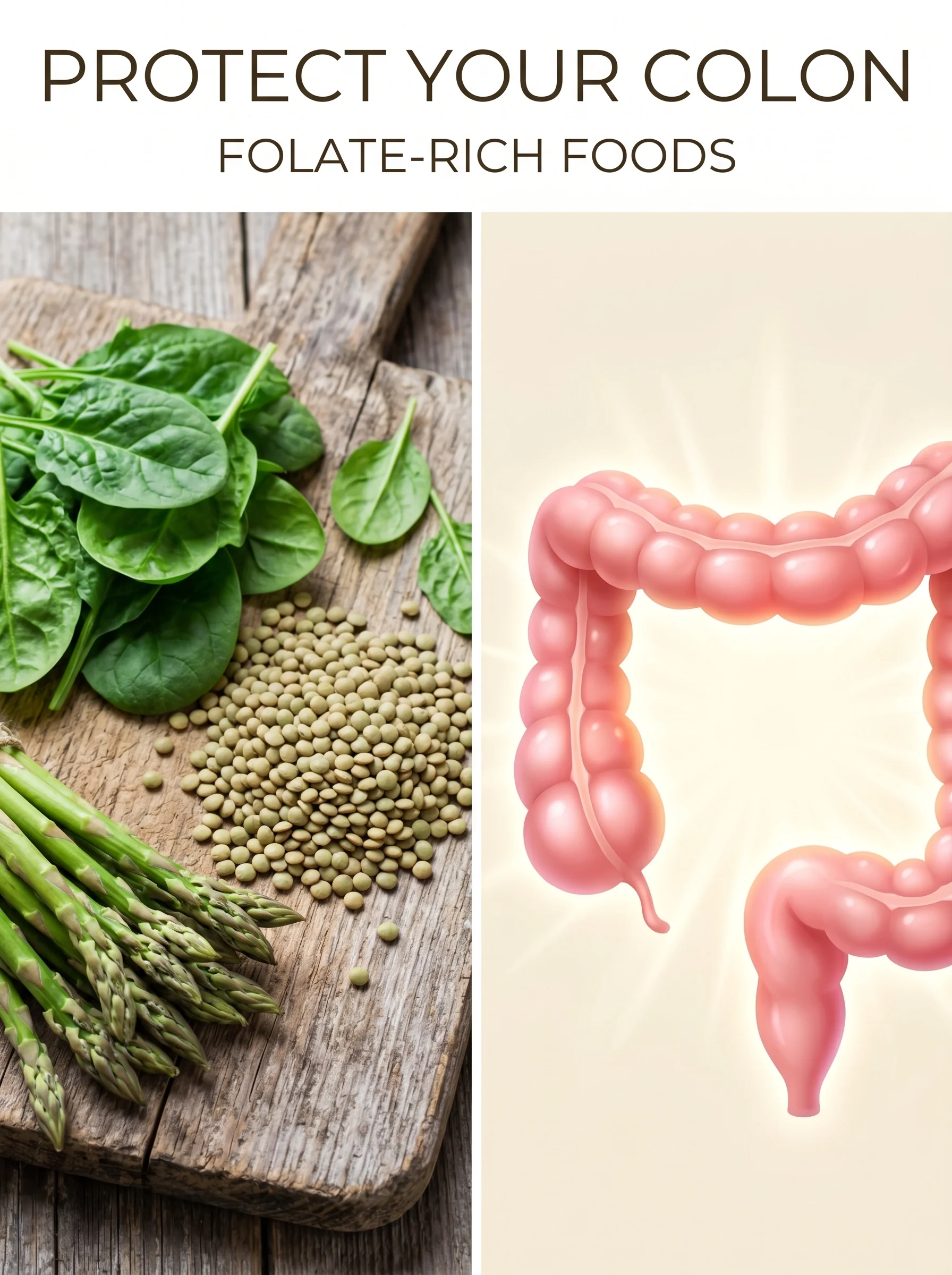
This is a fresh question a lot of people are asking, and the honest answer is gentle. Recent research suggests that getting more folate from food is linked with a lower risk of colorectal cancer, and low folate status has been flagged as one possible signal among many. That is not the same as folate deficiency causing cancer, and a low result is a reason to eat well and talk to your doctor, not to panic. We walk through the full picture in our piece on folate for colon cancer prevention.
One nuance worth knowing: food folate and high-dose supplemental folic acid are not always treated the same way in the research, and the timing and dose may matter. Food first is the simplest, safest path. If you take supplements, keep your doctor in the loop and never use them to replace any prescribed treatment.
The takeaway
Folate sits quietly behind a lot of everyday complaints: the headache you can’t shake, the mouth ulcer that keeps coming back, the low mood that feels like it has no cause. The fix is not exotic. Beans, lentils, peas, beets, broccoli, brussels sprouts and spinach do most of the work. If any of these seven folate deficiency symptoms feel familiar, it is worth a closer look, and a simple blood test can confirm it. If you want more of this kind of gentle, food-first guidance, the newsletter lands in your inbox every Friday.
Frequently asked questions
What are the symptoms of folate deficiency?
The main folate deficiency symptoms are frequent headaches, shortness of breath, low mood, weak memory, digestive upset, mouth ulcers, a swollen tongue, tingling in the hands and feet, and palpitations. Fatigue and pale skin are common early signs, since folate helps build healthy red blood cells.
What are the symptoms of folate deficiency in adults?
In adults, folate deficiency symptoms often look like tiredness, pale skin, mouth ulcers, poor concentration, and low mood. Because these creep in slowly, they are easy to blame on stress or a busy season. A simple blood test can confirm whether folate is the real cause.
What is the difference between folate and folic acid?
Folate is the natural form found in foods like leafy greens, beans, and lentils. Folic acid is the synthetic form used in supplements and fortified cereals. Both supply vitamin B9, but for everyday needs, food folate is the simplest and gentlest way to fill the gap.
What are the symptoms of vitamin B12 and folate deficiency together?
Vitamin B12 and folate deficiency share many symptoms because both vitamins build red blood cells. You may notice fatigue, pale skin, tingling hands and feet, a sore tongue, and trouble concentrating. Because they overlap, doctors usually test both B12 and folate at the same time.
Which foods are highest in folate?
Beans, lentils, peas, beets, broccoli, brussels sprouts, and spinach are rich in folate. The vitamin is also found in most green-leaf vegetables, citrus fruits, and fortified breakfast cereals. Eating a mix of these daily fixes most cases of folate deficiency.
Can low folate be a sign of cancer?
Not on its own. Recent research suggests higher dietary folate is linked with lower colorectal cancer risk, and low folate has been noted as one possible signal among many. A low result is a reason to eat more folate-rich foods and check in with your doctor, not a diagnosis.
Share this article