8 Foods That Raise Blood Pressure You Should Avoid
Sheenam Midha · Health writer
On this page
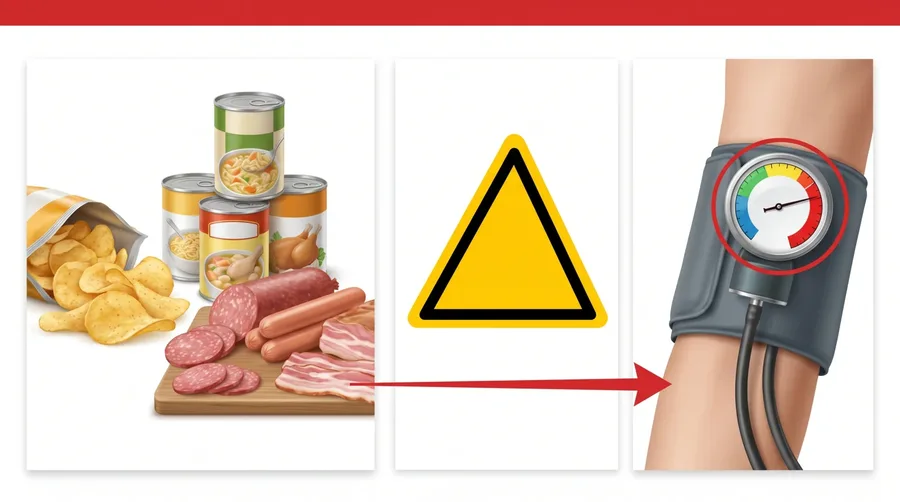
TL;DR: The foods that raise blood pressure most are processed meats, excess sugar, canned and pickled foods, bouillon cubes, fatty meats, coffee, alcohol and energy drinks, and chocolate. Salt gets the blame, but these eight everyday foods are where most people can make the biggest, calmest change.
Do you know anyone living with high or low blood pressure? More and more people around us are dealing with it, and altered blood pressure is one of the most common. The good news is that the foods that raise blood pressure are often the same ones you can gently swap, and small changes add up faster than you might think.
Blood pressure is simply the pumping system that carries blood through the heart and arteries, while taking blood flow to the brain and other organs. Normal blood pressure is considered to be 120/80 mmHg. When the numbers differ, you have hypertension (high blood pressure), above 140/90, or hypotension (low blood pressure), below 90/60.
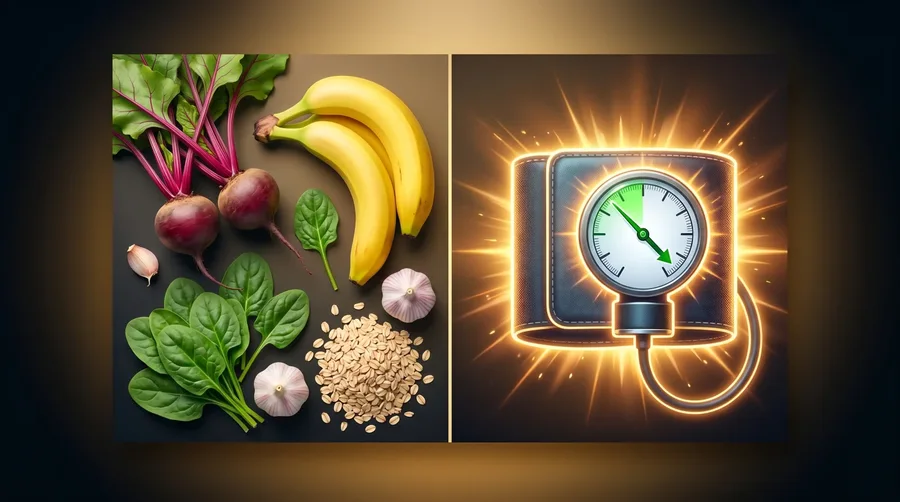
In this piece, we will look at the foods that raise blood pressure besides salt, which you probably already know about. Hypertension appears whenever something hinders blood circulation in the vessels, increasing the pressure the heart needs to keep things flowing. Did you know that poor eating is one of the factors for high blood pressure? If you want the other side of the plate, here are foods that help normalize your blood pressure to balance things out.
1. Processed meats, like ham, sausages, and bacon
These foods tend to be rich in salt and fats. While a small slice may help restore the well-being of someone with low blood pressure, processed meats are certainly not the best for someone who suffers from high blood pressure. They are some of the first foods to avoid with high blood pressure if you want quick wins.
2. Why does sugar raise blood pressure?
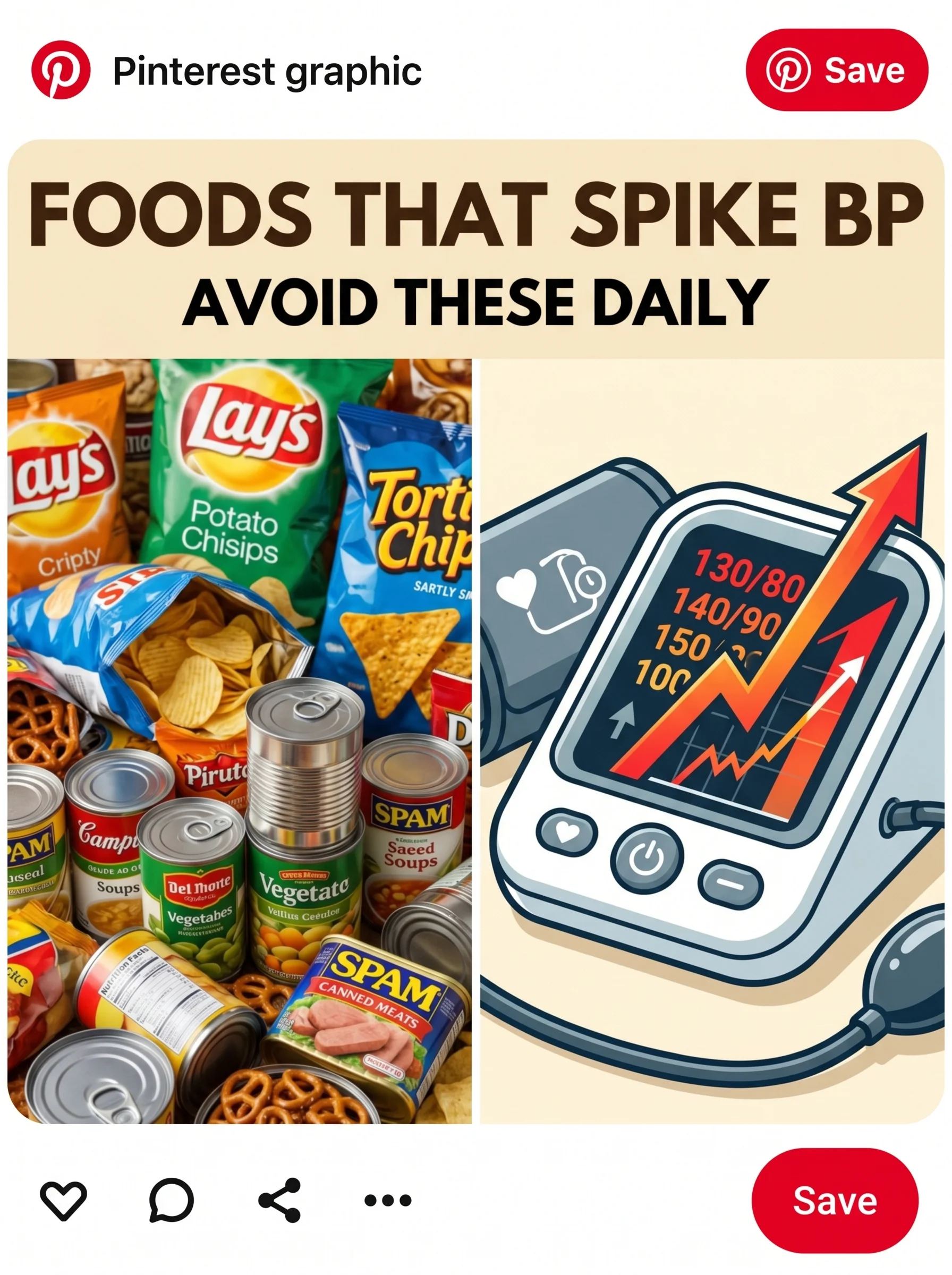
Any hypertensive person would do well to keep an eye on their sugar intake. Studies with diabetic patients show a link between excess sugar and rising blood pressure. Too much sugar also adds weight over time, and extra weight is one of the quiet reasons blood pressure creeps up.
3. Canned, pickled foods, and condiments
Foods like canned tuna or sardines tend to be rich in salt and fats, since the salt helps preserve them. The same goes for pickled vegetables, like olives, asparagus, and hearts of palm, and condiments like ketchup, soy sauce, and mayonnaise. Reading the label for sodium is one of the simplest habits you can build.
4. Bouillon cubes or sachets
This seasoning is one to go easy on because it is high in sodium and often contains monosodium glutamate (MSG), a substance used to enhance flavor. A homemade broth or a squeeze of lemon and fresh herbs gives you the savory note without the salt load.
5. Fatty meats, like sirloin cap, shoulder clod, or flank steak
If eaten in excess, fatty cuts can raise your cholesterol and triglyceride levels, whether your blood pressure runs high or low. That buildup of fat in the arteries makes the heart work harder, which is exactly what you are trying to avoid. Leaner cuts and more plants are a gentle place to start.
6. Does coffee raise blood pressure?
Caffeine, from any source, makes the blood vessels contract, which can raise blood pressure for a short while. Coffee, energy drinks, sodas, and teas all count, and the list is long. For most people a cup or two is fine, but if your numbers run high, it is worth noticing how your body responds.
7. Alcoholic beverages, sodas, energy drinks, and boxed juices
According to several studies, doctors recommend that people with hypertension stay away from excessive alcohol, including red wine. Sugary sodas, energy drinks, and boxed juices belong here too, since they pair sugar with caffeine or extra calories. Water, sparkling water, or unsweetened tea are easy, friendly swaps.
8. Chocolate
Although delicious, eating too much chocolate can nudge your blood pressure up because of its fat and theobromine, a stimulating substance. A small square of dark chocolate now and then is a kinder portion than a whole bar, and it keeps the treat without the spike.
Can you lower high blood pressure naturally without medication?
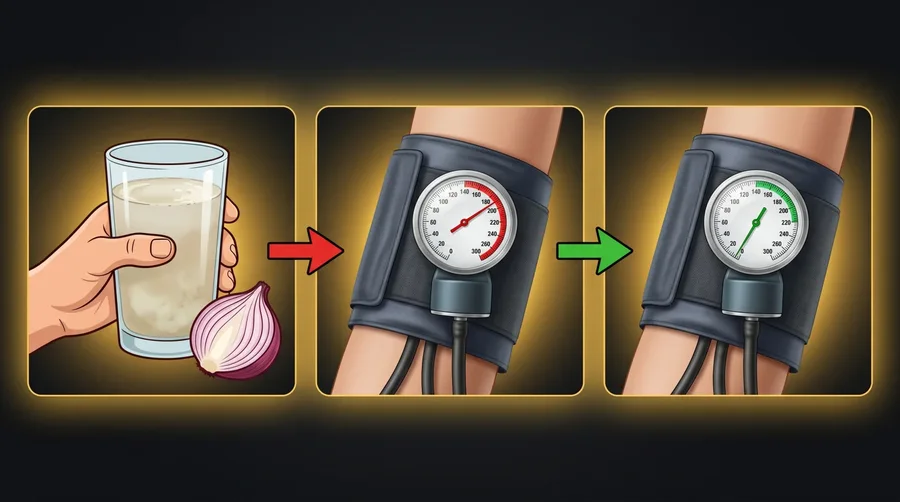
Here is the honest answer. Foods can support healthy blood pressure, but they are an addition to your care, not a replacement for it. You may have seen viral videos promising to cure high blood pressure from the root or normalize it with a single cup of onion juice. Please be gentle with those claims. If you are curious, you can read about onion juice for blood pressure with realistic expectations, but never stop a prescribed medication on the strength of a video.
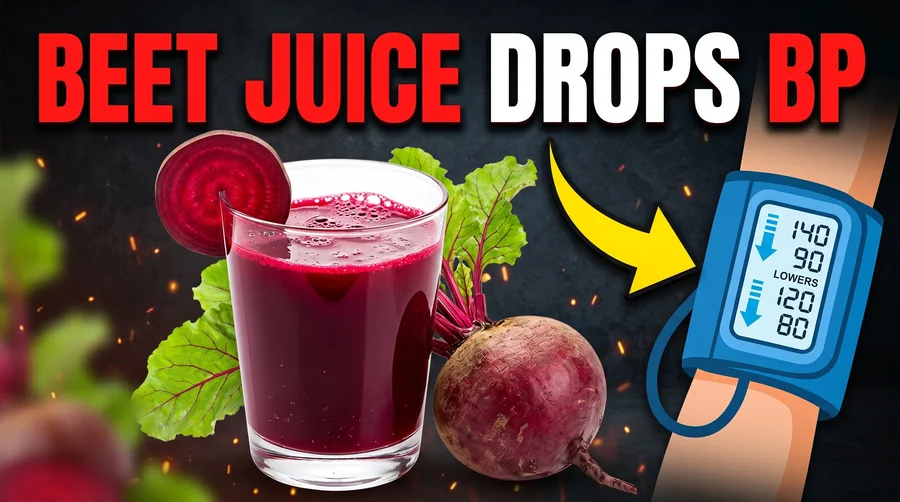
Beetroot is the one bright spot getting fresh attention. Recent research suggests that nitrate-rich beet juice can produce a modest drop in blood pressure, and even there it is framed as a helpful adjunct alongside your treatment, not a substitute. If you want to try it, see how beetroot juice may lower blood pressure naturally, and keep your usual routine going.
And remember that blood pressure is multifactorial. Potassium and magnesium from foods help, but so do weight, stress, sleep, and alcohol. No single deficiency or single cup fixes everything, and that is okay.
The takeaway
Alongside the eight foods above, watch foods rich in sugar and fats, which favor the buildup of fat in the arteries, hindering circulation and pushing blood pressure higher. Pairing this list with daily habits that keep your heart healthy makes the whole effort easier to keep up.
It is also worth knowing the warning signs that your blood pressure may be putting your heart at risk, so you can catch changes early. If you have trouble cutting these items from your diet, talk to a nutritionist who can build a menu that fits your life. And if small nudges like this are useful, the newsletter goes out every Friday.
Frequently asked questions
Which foods raise blood pressure and should be avoided?
The main foods that raise blood pressure are processed meats, excess sugar, canned and pickled foods, bouillon cubes, fatty meats, coffee and other caffeine, alcohol, and chocolate. Most are high in sodium, sugar, or saturated fat. Cutting back on them is usually where you see the biggest, fastest improvement.
What foods help lower blood pressure instead?
Leafy greens, beetroot, bananas, avocado, berries, fatty fish, and nuts and seeds are popular choices because they are rich in potassium, magnesium, and nitrates. They support healthy blood pressure as part of a balanced diet, working best alongside any treatment your doctor has prescribed rather than replacing it.
Does coffee raise blood pressure?
Caffeine, from any source, makes blood vessels contract, which can raise blood pressure for a short time. Coffee, energy drinks, sodas, and teas all contain it. Most people tolerate a cup or two, but if your numbers run high, notice how your body responds and adjust gently.
Does sugar affect blood pressure?
Yes. Anyone with hypertension is better off monitoring their sugar intake. Studies with diabetic patients show a link between excess sugar and rising blood pressure. Too much sugar also contributes to weight gain over time, which is another quiet driver of higher blood pressure.
Can you cure high blood pressure naturally without medication?
Foods and habits can support healthy blood pressure, but they are not a cure and should not replace prescribed medication. Be cautious of viral claims that a single juice or remedy removes high blood pressure from the root. Always talk with your doctor before changing any treatment.
What counts as high or low blood pressure?
Normal blood pressure is considered to be 120/80 mmHg. When the numbers differ, you have hypertension (high blood pressure), above 140/90, or hypotension (low blood pressure), below 90/60. A single odd reading is not a diagnosis, so it helps to check more than once.
Share this article