Daily habits to keep your heart healthy in 2026: 5 simple wins
Sheenam Midha · Health writer
On this page
TL;DR: You already know that exercise and healthy foods for a healthy heart matter. But there is more you can do. A Cleveland Clinic cardiothoracic surgeon suggests five daily habits to keep your heart healthy in 2026: choose better fats, floss every day, sleep 7 to 8 hours, avoid long stretches of sitting, and stay away from secondhand smoke.
You already know that exercise and healthy foods for a healthy heart go a long way, right? But what else can you do to keep your heart strong, especially if you want a simple new habit to commit to this year?
According to the cardiothoracic surgeon Marc Gillinov from the Cleveland Clinic, Ohio, you can do five small things every day to help your heart work better. None of them are heroic. Here are the daily habits to keep your heart healthy that are worth adding to your life, one at a time.
1. Eat healthy fats and the best foods for a healthy heart
Saturated, polyunsaturated, and unsaturated fats are all part of a normal diet. The only fat we don’t really need is trans-fat, which raises the risk of heart disease and strokes over time.
Here is why it matters: trans-fat clogs the arteries, raising bad cholesterol (LDL) while lowering good cholesterol (HDL). When you cut it out, your blood flow improves.
So what are trans-fats? They are industrial fats often used in baked goods, chips, margarine, fried foods, and fast food to add taste and texture. The simple move is to read your labels. You will find trans-fats listed in the fat section, and you want to choose foods with 0% trans-fat.
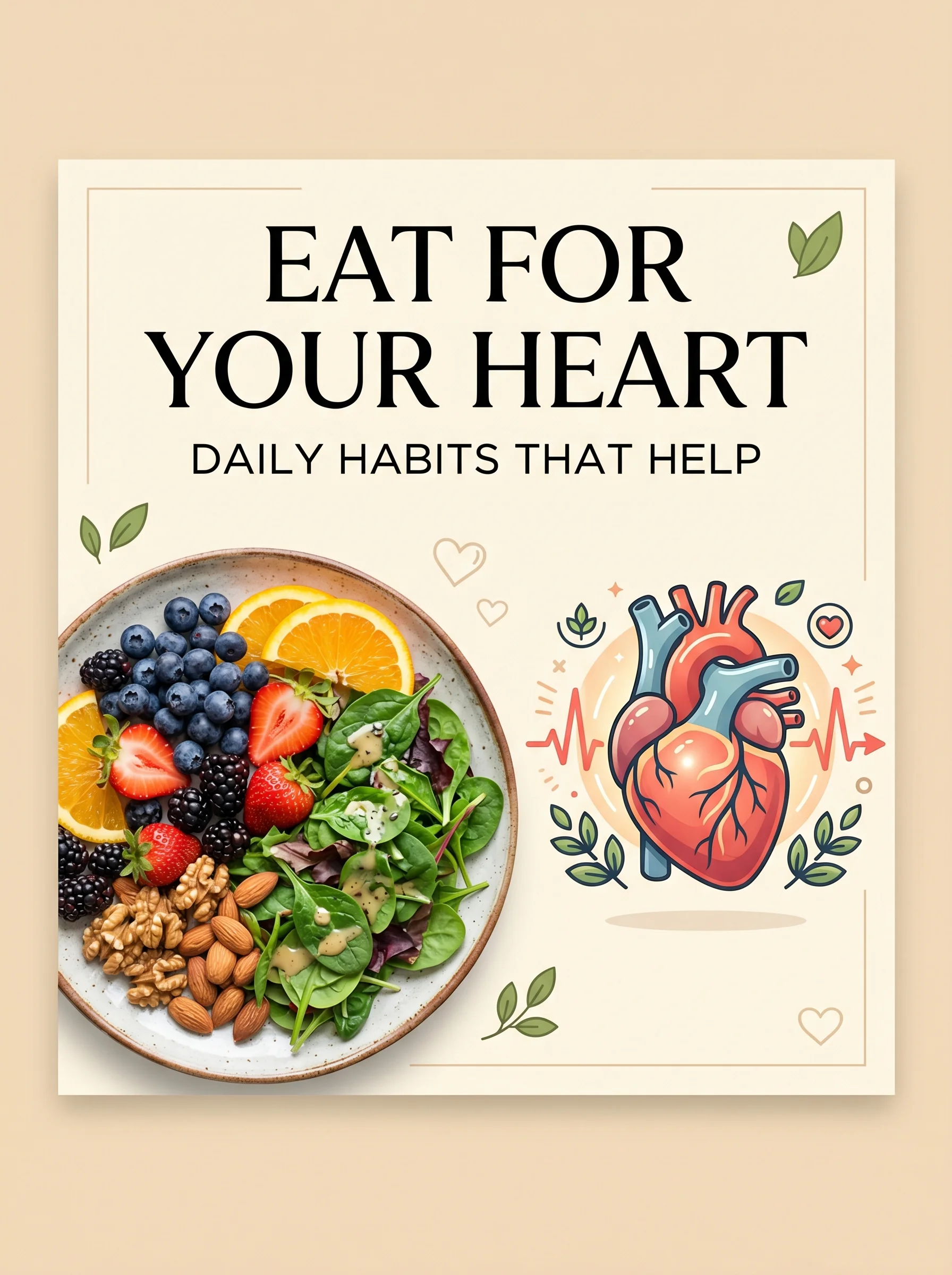
Then crowd your plate with the boring-but-true basics. Some of the best foods to eat for a healthy heart are leafy greens, fatty fish like salmon and sardines, beans, nuts, oats, and plenty of fiber, while keeping ultra-processed food and added sodium low. If you want a short starter list, these everyday foods that help keep your heart healthy are an easy place to begin. And because high blood pressure travels with belly fat and high cholesterol as a kind of metabolic trio, it is worth knowing the foods that help normalize your blood pressure too.
Which foods improve gut health and heart health at the same time?
This is a fresh angle people are asking about in 2026, and it holds up. Recent research suggests the gut microbiome and the heart are closely linked, so foods that feed your gut bacteria tend to support your heart as well.
In practice that means fiber-rich plants, fermented foods, and polyphenol-rich drinks. For example, black tea is good for both your gut and your heart, which is the kind of two-for-one habit worth keeping. You do not need an air fryer or any trendy gadget to do this well. The healthy foods for heart health that move the needle are the simple, fibrous, colorful ones you already recognize.
2. Floss daily
Oral health is a surprisingly good window into your general health, including your heart, since people with periodontal (gum) disease often carry risk factors for heart disease.
There are many ongoing studies here, and a good number of them show that the bacteria behind gum disease can move into the bloodstream, raising C-reactive protein, a marker of inflammation in the blood vessels. Those changes may nudge up the risk of heart disease and strokes.
Gillinov suggests brushing and flossing every day to keep periodontal disease away. If you want to go further, here is how to fight dental plaque naturally between cleanings.
3. How much sleep does your heart need?
Sleep is one of the most underrated daily habits to keep your heart healthy. If you don’t get enough, you may be at higher risk of cardiovascular disease, regardless of your age and other habits. Aim for 7 to 8 hours a night.
A study with 3,000 adults over 45 years old found that those who slept less than six hours per night had twice the chance of a stroke or heart attack compared with people who slept six to eight hours. Researchers believe poor sleep interrupts biological processes, including blood pressure and inflammation.
So make sleep a priority. If winding down is hard, a calm bedtime routine helps, and some people find essential oils useful for better sleep and less anxiety. If you have sleep apnea, seek treatment, since it is linked to heart disease and arrhythmia.
4. Don’t sit for too long
Over the last few years, research has suggested that sitting for long stretches is bad for your health, no matter how much you exercise. That is hard news for anyone with a desk job.
Pooling observational studies that included around 800,000 people, researchers found that those who sat the most had a 147% increase in cardiovascular events and a 90% increase in deaths from those events. Long sitting, especially on trips, also raises the risk of deep vein thrombosis (blood clots).
The fix is simply to move through your day. Park farther from the door, take short walks, or work standing up for a while. And keep exercising most days. Movement is one of the most reliable daily habits to keep your heart healthy.
5. Avoid passive smoking
Studies show the risk of heart disease is 25 to 30% higher in people exposed to secondhand smoke, whether at home or at work.
According to the American Heart Association, exposure to tobacco smoke contributes to around 34,000 premature heart-disease deaths and 7,300 lung-cancer deaths each year. Non-smokers who already have high blood pressure or high cholesterol face an even higher risk when exposed to passive smoke, because the chemicals in cigarette smoke help build plaque in the arteries.
So step away from smokers, and feel free to say you would rather not be near the smoke. Keep children away from secondhand smoke too.
What is the single best heart-healthy habit to start in 2026?
If you only pick one, pick the one you will actually repeat. For most people that is daily movement or a steadier 7 to 8 hours of sleep, because both lower blood pressure and inflammation without any special equipment.
The honest truth is that no single food, supplement, or gadget replaces these basics or any medicine your doctor has prescribed. Think of healthy foods for a healthy heart as support for good habits, not a cure, and never stop a prescribed medication on your own.
The takeaway
Follow these five daily habits to keep your heart healthy, lean on simple heart-friendly foods, and you will be doing your heart a real favor. You will likely feel better and steadier, too.
If notes like this are useful, the newsletter goes out every Friday. One small habit worth trying is about all you need each week.
Frequently asked questions
What daily habits actually protect your heart in 2026?
Five simple ones do most of the work: choose better fats and heart-healthy foods, floss daily, sleep 7 to 8 hours, avoid long stretches of sitting, and stay away from secondhand smoke. None require special equipment, and they add up when you repeat them most days of the week.
What are the best healthy foods for a healthy heart?
The reliable basics are leafy greens, fatty fish like salmon and sardines, beans, nuts, oats, and other high-fiber plants, with less ultra-processed food and sodium. Aim for healthy fats and zero trans-fat. These foods support your heart and your cholesterol when eaten consistently, not just once.
Which foods improve gut health and heart health at the same time?
Fiber-rich plants, fermented foods, and polyphenol-rich drinks like black tea feed your gut bacteria and support your heart. Recent research suggests the gut and heart are closely linked, so colorful, fibrous, minimally processed foods tend to help both at once, no trendy gadget required.
How much sleep do you need for heart health?
Aim for 7 to 8 hours a night. A study of 3,000 adults over 45 found that those sleeping less than six hours had twice the chance of a stroke or heart attack compared with people sleeping six to eight hours. Treat sleep apnea if you have it, since it strains the heart.
Can you offset long sitting with exercise?
Not fully. Research suggests long sitting is bad for your health no matter how much you exercise, with the heaviest sitters showing a 147% rise in cardiovascular events. The fix is to move throughout the day, with short walks and standing breaks, in addition to your regular workouts.
How dangerous is secondhand smoke for the heart?
The risk of heart disease is 25 to 30% higher in people exposed to secondhand smoke. Tobacco smoke contributes to roughly 34,000 premature heart-disease deaths and 7,300 lung-cancer deaths a year. The chemicals build plaque in the arteries, so keep yourself and children away from the smoke.
Share this article