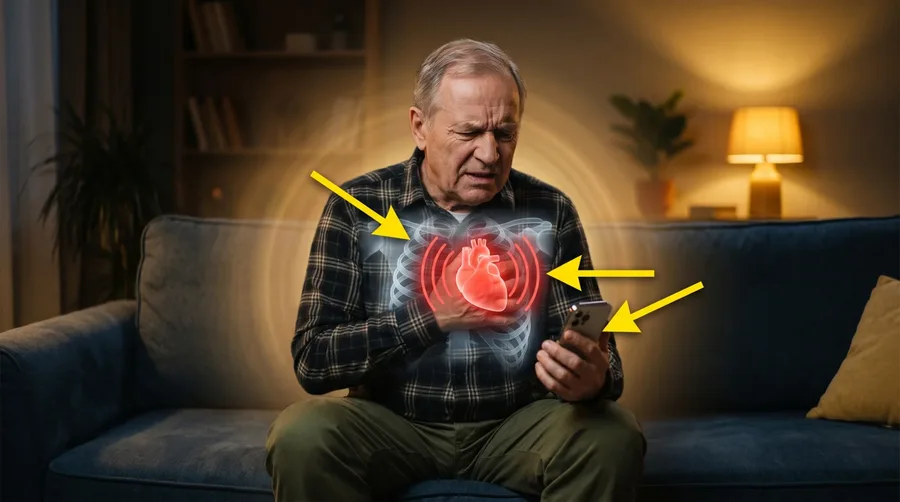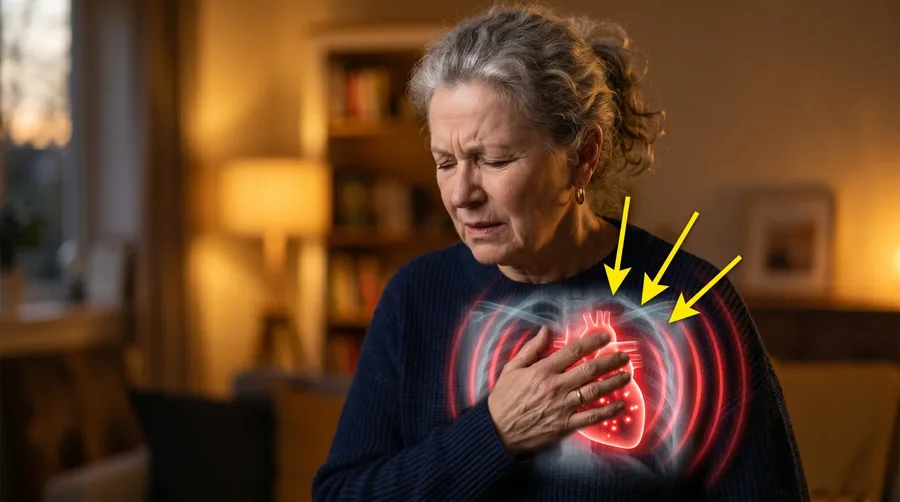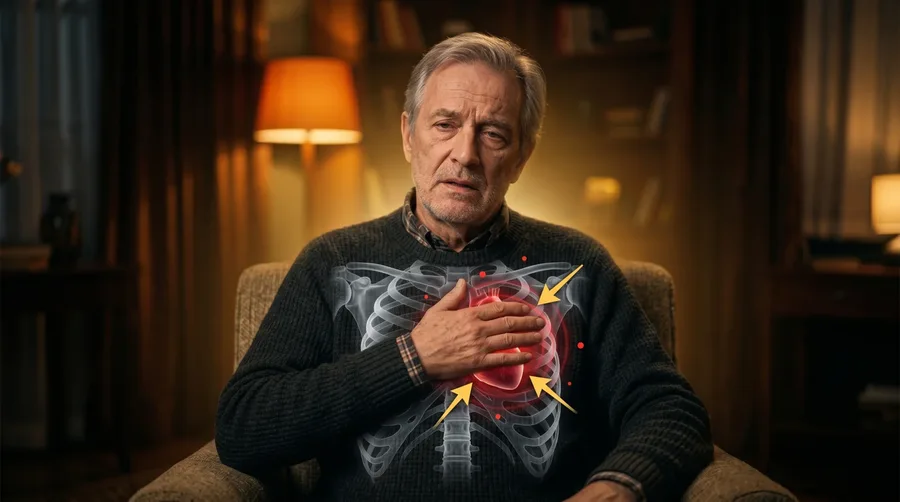
7 heart attack warning signs your body sends before something goes wrong
Sheenam Midha · Health writer
On this page
TL;DR: Your heart beats over 100,000 times a day, and it often gives you quiet signals long before anything dramatic happens. The heart attack warning signs worth knowing include high blood pressure, breathlessness, high cholesterol, poor sleep, swollen legs, pale or bluish skin, and dizziness. Notice them early, talk to a doctor, and protect the engine that keeps you going.
Our hearts work tirelessly to keep us alive, beating over 100,000 times per day. But with modern lifestyles, our hearts face higher stress levels along with an increased risk of disease. The good news is that our bodies often give us signals when our hearts may be in distress, and these early heart attack warning signs are usually subtle enough to miss if you are not paying attention.
Recognizing these clues early can help prevent serious problems down the road. Listen to your body and understand what it is trying to tell you. Your heart will thank you.
What are the subtle heart attack warning signs your body gives you?
The seven subtle heart warning signs are high blood pressure, shortness of breath and easy fatigue, high cholesterol, trouble sleeping soundly, swelling in the legs and feet, pale or bluish skin, and feeling dizzy or lightheaded. Each one points to a different way the heart may be struggling to do its job.

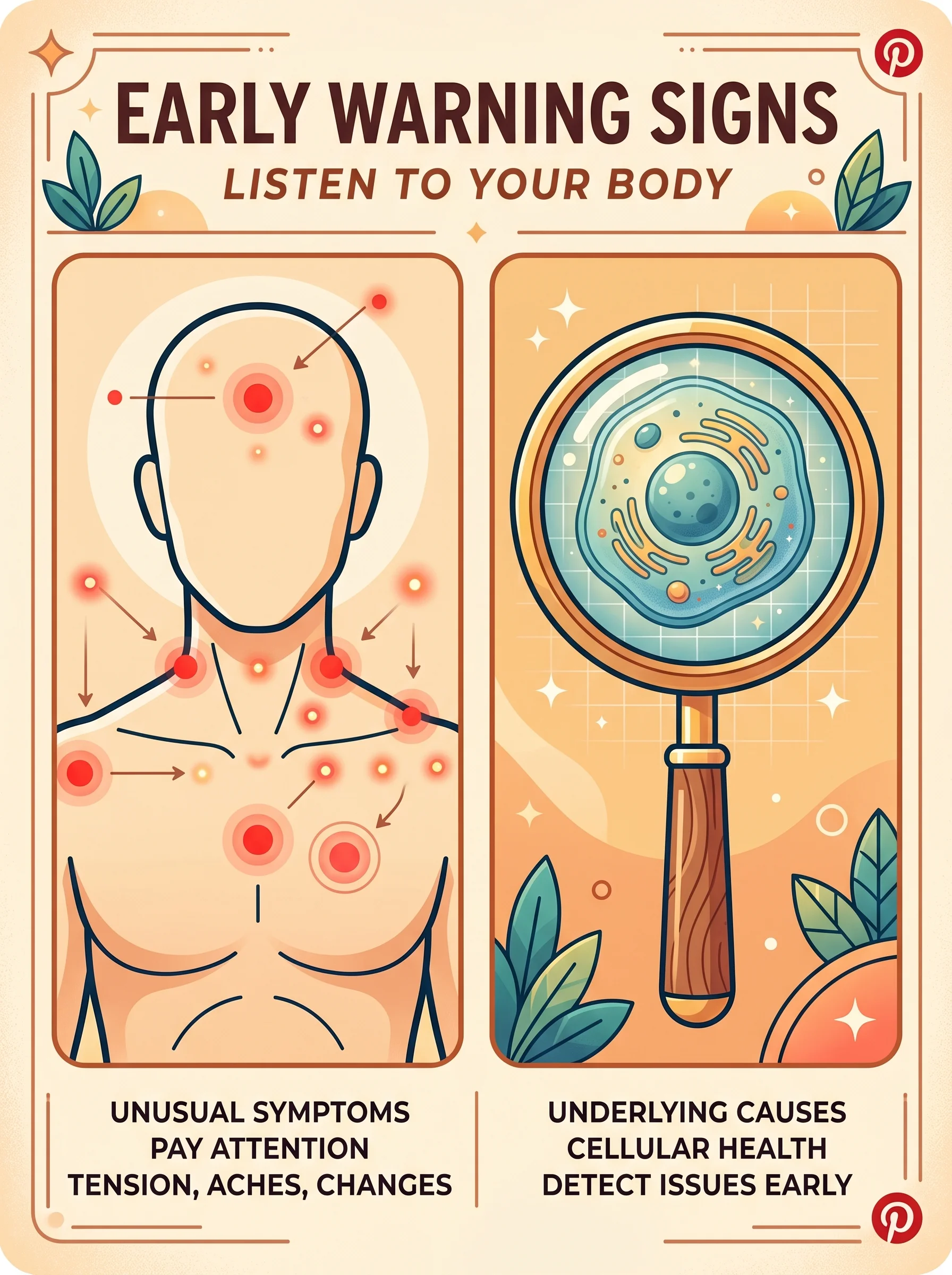
Any one of these on its own may not be alarming. Together, or repeated, they are the body’s way of asking for attention.
1. You have high blood pressure
Hypertension forces the heart to pump harder, enlarging the left ventricle over time. This thickening stresses the heart and causes arteries to harden. Keeping blood pressure in a healthy range protects your heart, and it helps to know the other hypertension warning signs your heart may be at risk so nothing slips by.
2. You experience shortness of breath and fatigue easily
If everyday activities leave you winded, it can mean your heart is not pumping as efficiently as it should. Poor cardiac output reduces oxygen circulation, tiring muscles quickly. Feeling breathless on the stairs is one of those harmless-seeming clues that is genuinely worth mentioning to a doctor.
3. You have high cholesterol levels
Excess LDL cholesterol in the blood sticks to artery walls, causing blockages that limit blood flow. HDL helps remove that LDL buildup. When the balance tips the wrong way, blood flow to the heart suffers, which is why cholesterol is one of the quieter heart attack warning signs.
4. You have trouble sleeping soundly
About half of people with heart failure notice trouble breathing when lying flat. Fluid can build up in the lungs and create breathlessness that interrupts sleep. Propping yourself up on extra pillows may help in the short term, but the pattern itself is worth investigating.
5. You have swelling in the legs and feet
Fluid that pools in the lower body is called edema, and it can signal that the heart is not moving blood as well as it used to. Gravity pulls fluid into the legs when circulation falters. Healthy hearts help prevent that pooling, so persistent swelling deserves a closer look.
6. Your skin looks pale or bluish
Poor blood flow can give skin a dull, dusky tone. A bluish cast, called cyanosis, points to low oxygen in the blood. Warm, healthy color in your skin relies on good circulation, so a sudden change is worth noticing.
7. You feel dizzy or lightheaded
The heart works to keep a steady flow of blood to the brain. When it struggles, blood pressure can dip and briefly reduce oxygen reaching the head. Lightheadedness, especially if it keeps happening, is a gentle warning that your cardiovascular system needs attention.
Which symptoms should send you to the doctor right away?
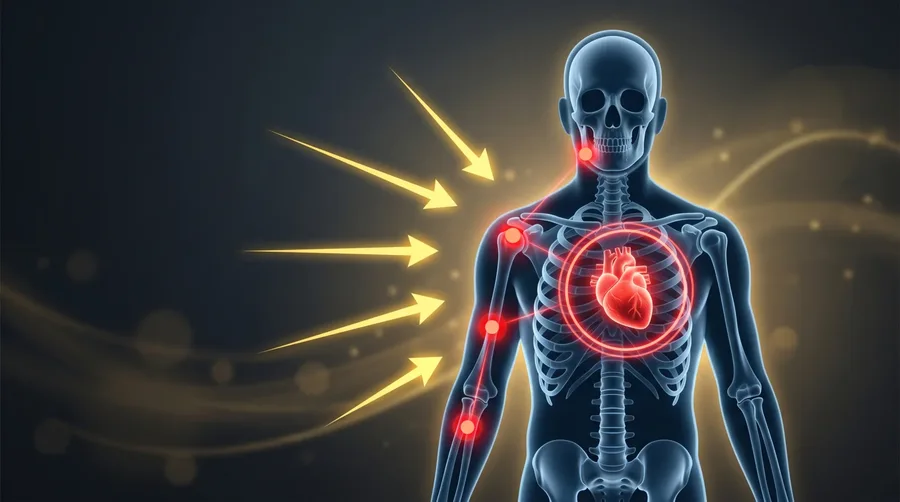
Beyond these subtle clues, the more obvious heart attack warning signs and symptoms include chest pain, tightness or burning, pain radiating down the left arm, nausea, sweating, an irregular pulse, and sudden dizziness or weakness. Any of these warrants urgent medical care. If you want a fuller picture, here are the warning signs your heart is in serious danger that should never wait.
Are there heart attack warning signs weeks or a month before it happens?
Sometimes, but not as reliably as viral videos suggest. A true heart attack is often sudden, so treat earlier symptoms like unusual fatigue, breathlessness, or swollen ankles as risk signals worth a doctor visit, not a countdown clock. Many of these overlap with other conditions, which is exactly why they get ignored. Reading up on these harmless symptoms that can signal heart issues can help you tell the difference between a busy week and a body asking for help.
How are heart attack warning signs in women different?
Women’s symptoms are often atypical and under-recognized, which is a real problem the American Heart Association keeps highlighting. Instead of the classic chest-clutch, women may feel jaw, neck, or upper-back pain, shortness of breath, nausea, cold sweats, or unusual fatigue. These quieter signs are easy to brush off, so if something feels persistently off, it is always worth getting checked.
What is a silent heart attack?
A silent heart attack happens with few or no obvious symptoms, so people often miss it entirely. You might feel mild fatigue, indigestion, or a vague discomfort and put it down to a long day. It is usually found later on an ECG during a routine checkup, which is one more reason regular heart screening matters as you get older.
What should you do during a heart attack when you’re alone?
First, the myth: “cough CPR,” the viral idea that coughing hard can keep you alive during a heart attack at home, is not endorsed by the American Heart Association and can waste critical minutes. The real steps are simpler. Call emergency services right away, unlock your door so help can reach you, sit down, and chew an aspirin only if a doctor has previously advised it for you. Our guide on how to survive a heart attack when you’re alone walks through this calmly, step by step.
How do you actually look after your heart day to day?
The takeaway is to listen to your body and understand the warning signs of heart distress. Make heart-healthy lifestyle choices to lower your risk, and get regular checkups to monitor blood pressure, cholesterol, and heart function. A few steady daily habits to keep your heart healthy do more over a lifetime than any single dramatic change.
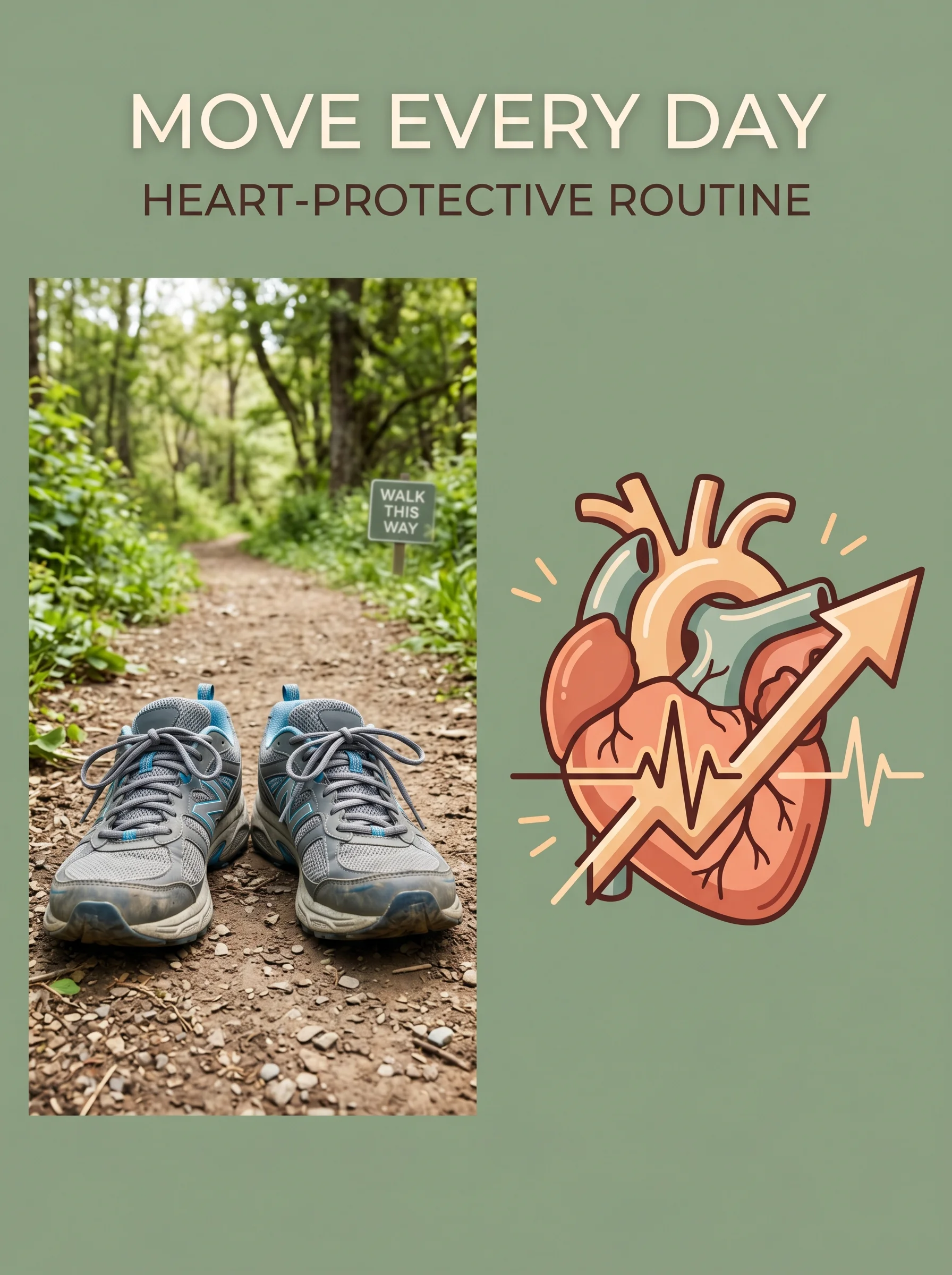
- Maintain a healthy weight.
- Exercise moderately.
- Manage stress.
- Eat nutritious whole foods.
- Get proper sleep.
- Avoid smoking, heavy drinking, and anything that strains the heart.
A gentle closing thought
Your heart gives you a lifetime of vitality when it is cared for. Show it some love. Notice the subtle signals, keep up with preventative care, and never stop a prescribed medication on your own. With a little steady attention, your heart will keep you going strong.
If you want more quiet, practical notes like this one, the newsletter lands in your inbox every Friday. That’s the only bell you have to ring.
Frequently asked questions
What are the warning signs of a heart attack?
The most urgent heart attack warning signs are chest pain or tightness, pain spreading to the arm, jaw, or back, shortness of breath, cold sweats, nausea, and sudden dizziness or weakness. Quieter early signs include easy breathlessness, swollen ankles, and unusual fatigue. Any of the urgent signs means calling emergency services right away.
Are there heart attack warning signs weeks or a month before it happens?
Sometimes the body gives early hints like unusual tiredness, breathlessness, or swelling, but a heart attack is often sudden, so there is no reliable countdown. Treat these as risk signals worth a doctor visit rather than proof an attack is coming on a set date. Early checks catch problems while they are still manageable.
What are the early warning signs of a heart attack in women?
Women often have atypical symptoms rather than dramatic chest pain. Watch for jaw, neck, or upper-back pain, shortness of breath, nausea, cold sweats, and unusual fatigue. Because these are easy to dismiss, women are sometimes diagnosed late. If something feels persistently wrong, get it checked rather than waiting for classic signs.
What is a silent heart attack and how would I know I had one?
A silent heart attack causes few or no clear symptoms, so it often goes unnoticed at the time. You might recall mild fatigue, indigestion, or vague discomfort. It is usually picked up later on an ECG during a routine checkup, which is one more reason regular heart screening matters as you age.
What should you do if you think you’re having a heart attack and you’re alone?
Call emergency services immediately, unlock your door so help can get in, and sit down to rest. Chew aspirin only if a doctor has already advised it for you. Ignore the viral “cough CPR” claim, which the American Heart Association does not endorse and which can waste the minutes that matter most.
Can trouble sleeping really be a heart issue?
It can. About half of people with heart failure notice trouble breathing when lying flat, because fluid can build up in the lungs and interrupt sleep. Propping up on extra pillows may help briefly, but a recurring pattern of breathlessness at night is worth mentioning to your doctor.
Share this article