Heart attack warning signs and how to survive one when you're alone
Sheenam Midha · Health writer
On this page
TL;DR: Knowing the heart attack warning signs, like chest pressure, pain spreading to the arm, jaw or back, shortness of breath, cold sweats and nausea, buys you precious minutes. If you suspect a heart attack and no one is around, call emergency services first and stay as calm as you can. Unlock your door so help can reach you. Chew a 325 mg aspirin if you are not allergic and have one. Sit down, don’t lie flat, prop your knees up, and do not try to drive yourself. Ignore the viral “cough CPR” advice, it is not a recognized rescue. This piece walks through the signs, the steps, and the small habits that keep your heart out of trouble in the first place.
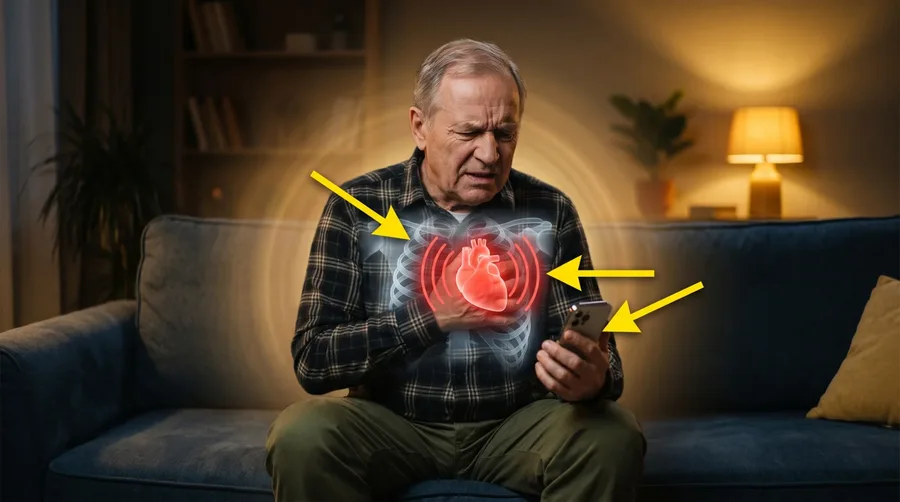
Imagine waking up on a beautiful morning, just like any other, when suddenly, out of nowhere, you feel an intense, crushing pain in your chest. No one is around, and panic starts to set in. In that moment, knowing the heart attack warning signs and the right next move is everything.
This is exactly what happened to my dear friend John. Alone and scared, his quick thinking made all the difference. His experience was not just a wake-up call for him but also for me. It inspired me to create this piece. I want to ensure that you know what to do if you ever find yourself in such a critical situation.
What happens during a heart attack?
A heart attack, or myocardial infarction, occurs when the flow of oxygen-rich blood to a section of the heart muscle suddenly becomes blocked. Imagine your heart as a relentless worker, tirelessly pumping blood through your arteries. Over time, fatty deposits, including cholesterol, can form plaques in these arteries. When one of these plaques ruptures, a blood clot can form and block the flow of blood. Deprived of oxygen, the affected part of the heart starts to die. This is why every minute counts during a heart attack.
To visualize this, think of a busy highway, the coronary arteries, full of vehicles (blood cells) moving smoothly. Now, imagine a sudden blockage, a pile-up due to debris, causing a horrendous traffic jam. This is essentially what happens inside your arteries when a heart attack occurs. Eating in a way that keeps your arteries clear matters too, and a handful of anticoagulant foods that help prevent blood clots can be a gentle part of that picture.
What are the heart attack warning signs?
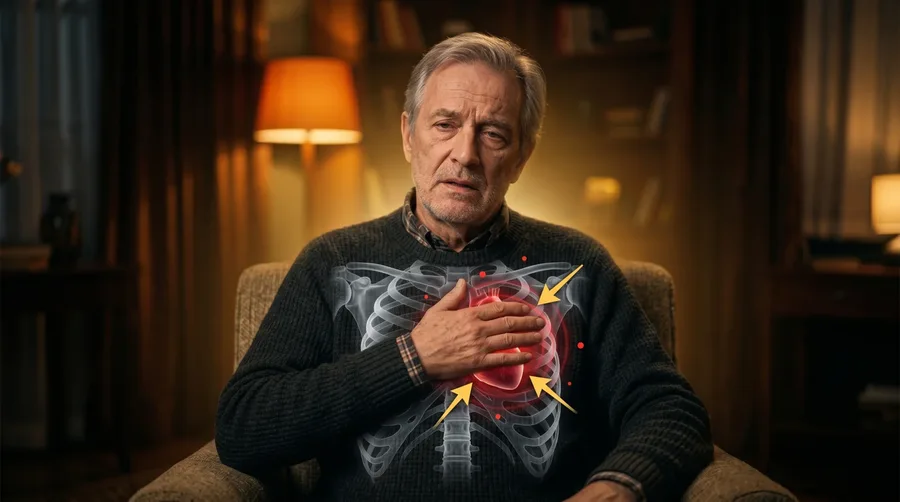
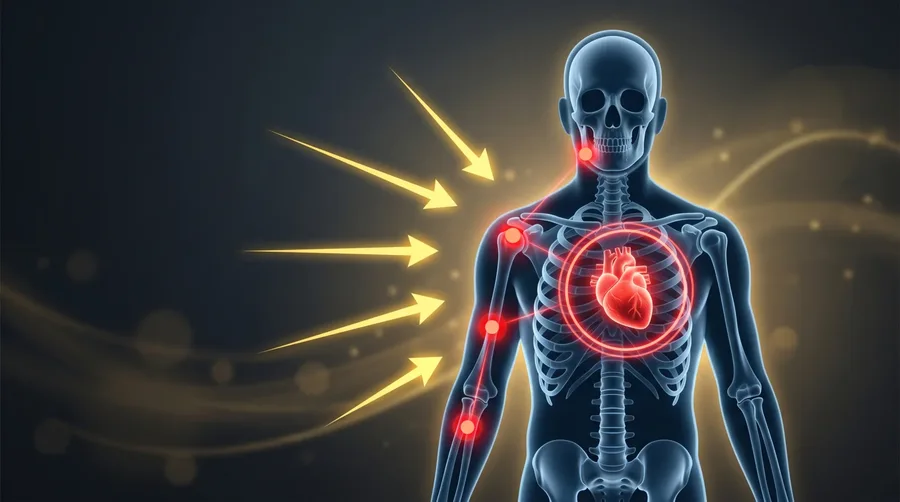
The most common of the heart attack warning signs is chest pain, often described as pressure, tightness, or a burning sensation. However, heart attacks can manifest in many other ways, such as pain radiating to one or both arms, the back, neck, jaw, or stomach. Shortness of breath, with or without chest discomfort, is another critical sign. Cold sweats, nausea, or lightheadedness signal that something could be seriously wrong.
Sometimes, people feel an overwhelming sense of anxiety or a sense of impending doom. It’s essential to understand these symptoms because dismissing even minor discomfort can lead to severe heart damage or worse. For men, the classic symptom of chest pain is more pronounced, whereas women often experience other symptoms like nausea, fatigue, and pain in the upper back, neck, or jaw.
In some cases, heart attacks present silent symptoms. These are particularly dangerous because the signs are so mild they are often mistaken for less serious conditions. Unexplained fatigue, feelings of indigestion, or mild chest discomfort associated with physical activity should also raise an alert. If you want a fuller picture, these heart warning signs your body sends before something goes wrong are worth a slow read.
What are the warning signs of a heart attack in a woman?
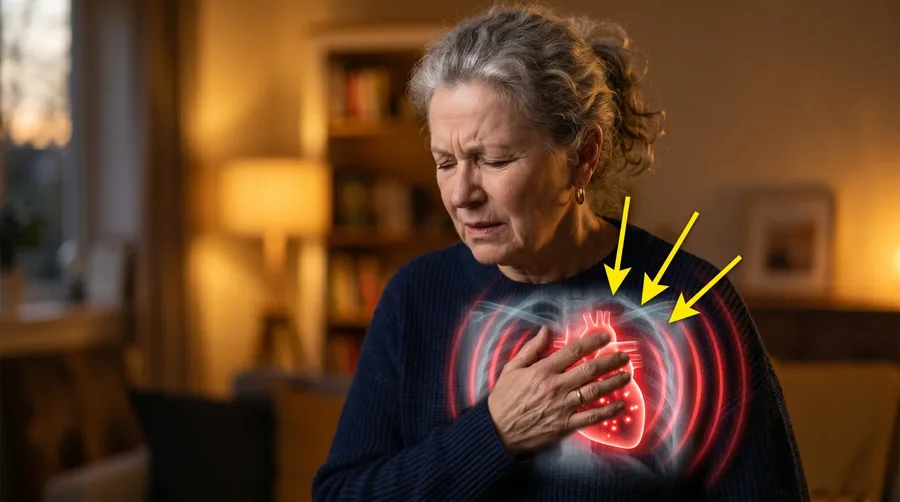
This part deserves its own spotlight, because the warning signs of a heart attack in a woman are frequently atypical and, sadly, under-treated. Many women never get the dramatic chest-clutch you see in films.
Instead, women more often notice unusual fatigue that comes on for no clear reason, shortness of breath, nausea or a stomach-upset feeling, and pain that settles in the jaw, neck, upper back, or one arm. Cold sweats and a sudden wave of lightheadedness are common too. Because these signs are easy to brush off as stress, a bug, or simple tiredness, it helps to trust your gut. If something feels different and wrong, treat it as urgent rather than waiting for it to pass.
Are there pre heart attack warning signs weeks before it happens?
You have probably seen the viral videos promising “9 silent signs that appear weeks before a heart attack.” It’s worth being honest here. A true heart attack is often sudden, so no symptom is a reliable countdown clock you can lean on.
That said, the body can send earlier hints that your heart is under strain. Pre heart attack warning signs to take seriously include creeping fatigue, breathlessness on stairs you used to climb easily, swollen ankles, chest discomfort that comes with exertion, and indigestion that doesn’t quite add up. Think of these as risk signals worth a doctor’s visit, not proof that an attack is days away. Some of these are surprisingly easy to ignore, which is why this list of harmless-seeming symptoms that can signal heart issues is a helpful companion piece.
What is a silent heart attack and how would I know?
A silent heart attack is exactly what it sounds like, a heart attack with symptoms so mild or unusual that you don’t recognize what’s happening. Some people later learn they had one only when a doctor spots the evidence on a routine test.
Clues can be subtle, a brief bout of indigestion or heartburn, a flutter of unexplained fatigue, mild discomfort in the chest, jaw or upper back, or shortness of breath that you chalk up to being out of shape. Older adults and people with diabetes are more prone to these quiet events. If you have ongoing risk factors, regular check-ups are the best way to catch what your body keeps quiet.
What should you do if you’re having a heart attack and you’re alone?
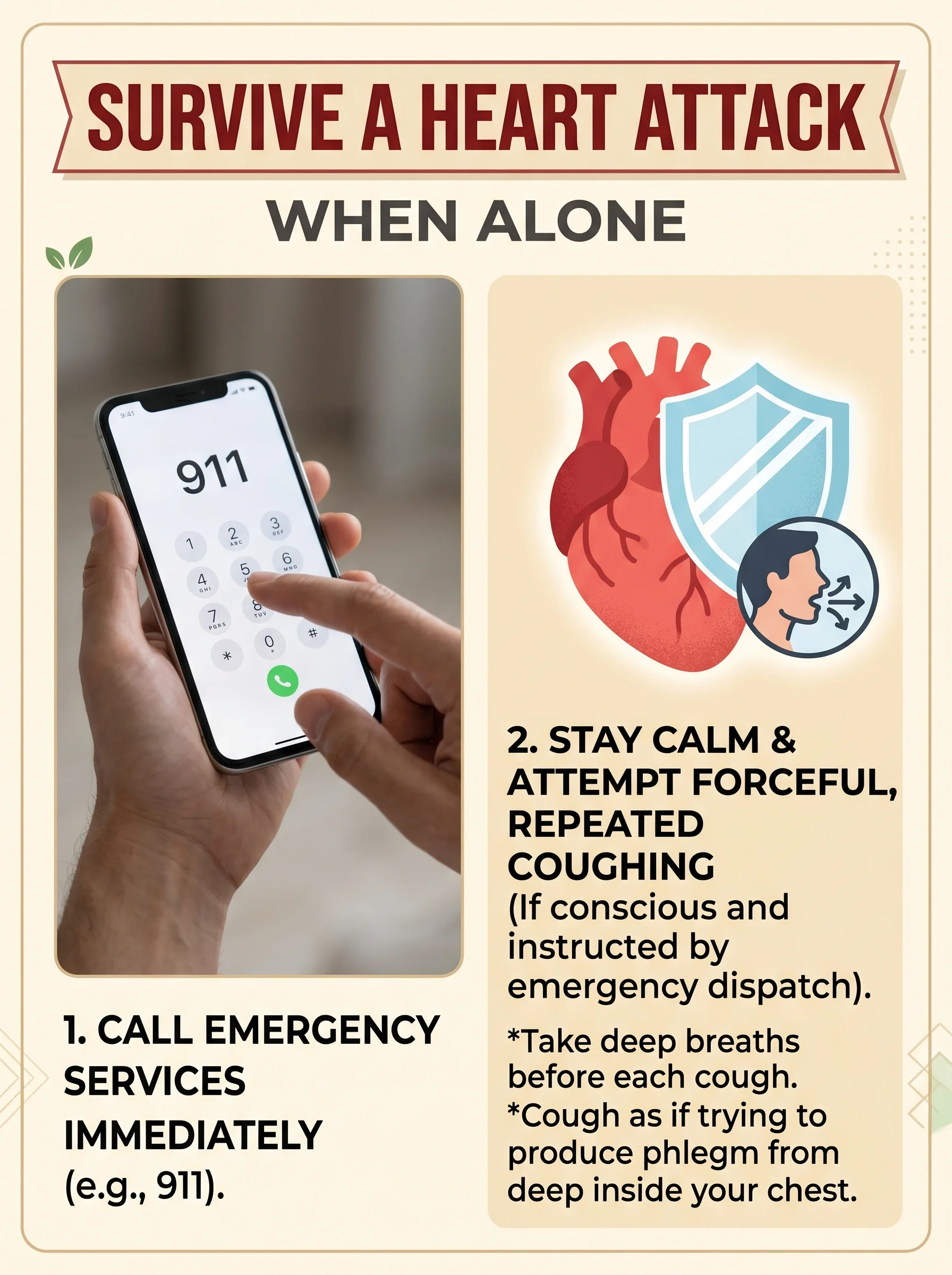
If you suspect you’re having a heart attack and no one is around to help, quick and decisive action can be life-saving. Stay calm, call emergency services immediately, and use the speaker on your phone so your hands are free. Unlock your front door so paramedics can get in if you can’t reach it later. Chew a 325 mg aspirin if you’re not allergic. Sit down, keep your knees propped up, and do not attempt to drive yourself.
Panic can worsen your condition by increasing your heart rate and blood pressure. Focus your thoughts and remember the steps that could save your life.
First, call emergency services immediately. Use your phone and clearly describe your symptoms. Mention your location, even if it’s a general area, so that help can find you quickly. If your phone has a speaker function, use it. This allows you to follow the dispatcher’s instructions while keeping your hands free. Do not attempt to drive yourself to the hospital. The risks of losing consciousness and causing an accident are too high.
While waiting for help, chew on an aspirin if you are not allergic to it and have access to one. Aspirin helps by thinning the blood, which hinders the blood clot from getting larger and impeding blood flow. Chewing a three hundred twenty-five milligram tablet, rather than swallowing it whole, speeds up its absorption into your bloodstream via the oral mucosa.
Find a comfortable and safe position to rest. Sit down and try to remain calm, taking deep, measured breaths. Avoid lying flat if possible; prop up your knees with a pillow to aid in breathing. This can reduce the strain on your heart and help you manage the symptoms better. Remember not to eat or drink anything; consuming food or liquids might complicate emergency care when it arrives.
Does “cough CPR” work to survive a heart attack alone?
A claim keeps circulating online that coughing hard and rhythmically can keep you alive during a heart attack when you’re alone, sometimes called “cough CPR.” It sounds empowering, and that is exactly why it spreads. But please don’t rely on it.
Major heart organizations, including the American Heart Association, do not endorse cough CPR for someone having a heart attack on their own. There is no good evidence it helps, and forcing yourself to cough can waste the precious minutes you should be spending calling for help. The real lifesaving sequence is simple and worth memorizing: call emergency services, unlock your door, chew an aspirin if you can, and sit down to rest while help is on the way.
If you remember one thing, let it be this. The action that saves lives is calling for help fast, not coughing, not driving, not waiting to see if it passes.
What about cayenne pepper?
Cayenne pepper has been mentioned in several user anecdotes and internet forums as a means to help alleviate heart attack symptoms. Some people mix a teaspoon of cayenne pepper in a glass of warm water and drink it when they suspect they’re having a heart attack. Some even add apple cider vinegar to this mixture. The idea here is that cayenne pepper stimulates blood flow, helps improve heart action, and restores strength. There are accounts of individuals who believe this remedy helped save their lives.
However, it’s crucial to underline that while these stories are compelling, there is no scientific confirmation that cayenne pepper can stop a heart attack. Therefore, it should not replace the need to call emergency services immediately if you suspect you are having one.
Let’s focus on the confirmed benefits of cayenne pepper for heart health. Cayenne pepper contains capsaicin, a compound known for its ability to improve circulation and reduce excessive blood clotting. Capsaicin also helps lower high cholesterol and blood pressure, both of which are significant risk factors for heart disease. By incorporating cayenne pepper into your diet, you can aid in maintaining a healthy heart and preventing heart-related issues. If you’re curious, here is a closer look at cayenne pepper, the spice that can protect your heart. Think of it as a supportive habit, not a rescue and never a replacement for any medicine your doctor has prescribed.
How do you prevent a heart attack in the first place?
Living a heart-healthy lifestyle can significantly reduce your risk. The main levers are an active lifestyle, a balanced diet, stress management, avoiding smoking and heavy drinking, and regular medical check-ups. After all, prevention is always better than cure.
Living an active lifestyle is one of the most effective ways to maintain a healthy heart. Regular exercise helps keep your heart strong, reduces bad cholesterol levels, lowers high blood pressure, and helps with weight management. Engaging in at least one hundred fifty minutes of moderate-intensity aerobic activity per week, as recommended by the American Heart Association, can greatly benefit your heart health.
Eating a balanced diet is equally critical. A heart-healthy diet involves consuming plenty of fruits, vegetables, whole grains, and lean proteins while limiting the intake of processed foods, sugary drinks, and excessive saturated fats. Foods rich in omega-three fatty acids, such as salmon and flaxseeds, are particularly beneficial as they help reduce inflammation and can lower triglycerides.
Managing stress is another vital aspect of heart health. Chronic stress has been linked to an increased risk of heart attacks and other cardiovascular diseases. Engage in stress-reducing activities that bring you joy and relaxation, like yoga, meditation, reading, or spending time with loved ones. Finding ways to manage and alleviate stress can have a profound impact on your overall heart health.
Avoid smoking and limit alcohol consumption. Both smoking and heavy drinking can have adverse effects on your heart, from increasing blood pressure to damaging blood vessels and contributing to plaque buildup.
Regular medical check-ups are essential for early detection and management of risk factors. Monitor your blood pressure, cholesterol levels, and blood sugar regularly. If you have pre-existing conditions such as diabetes or hypertension, work closely with your healthcare provider to keep them under control. Medications, lifestyle changes, and regular monitoring can help prevent complications and keep your heart healthy. For everyday inspiration, these daily habits to keep your heart healthy are an easy starting point.
What should you keep on hand?
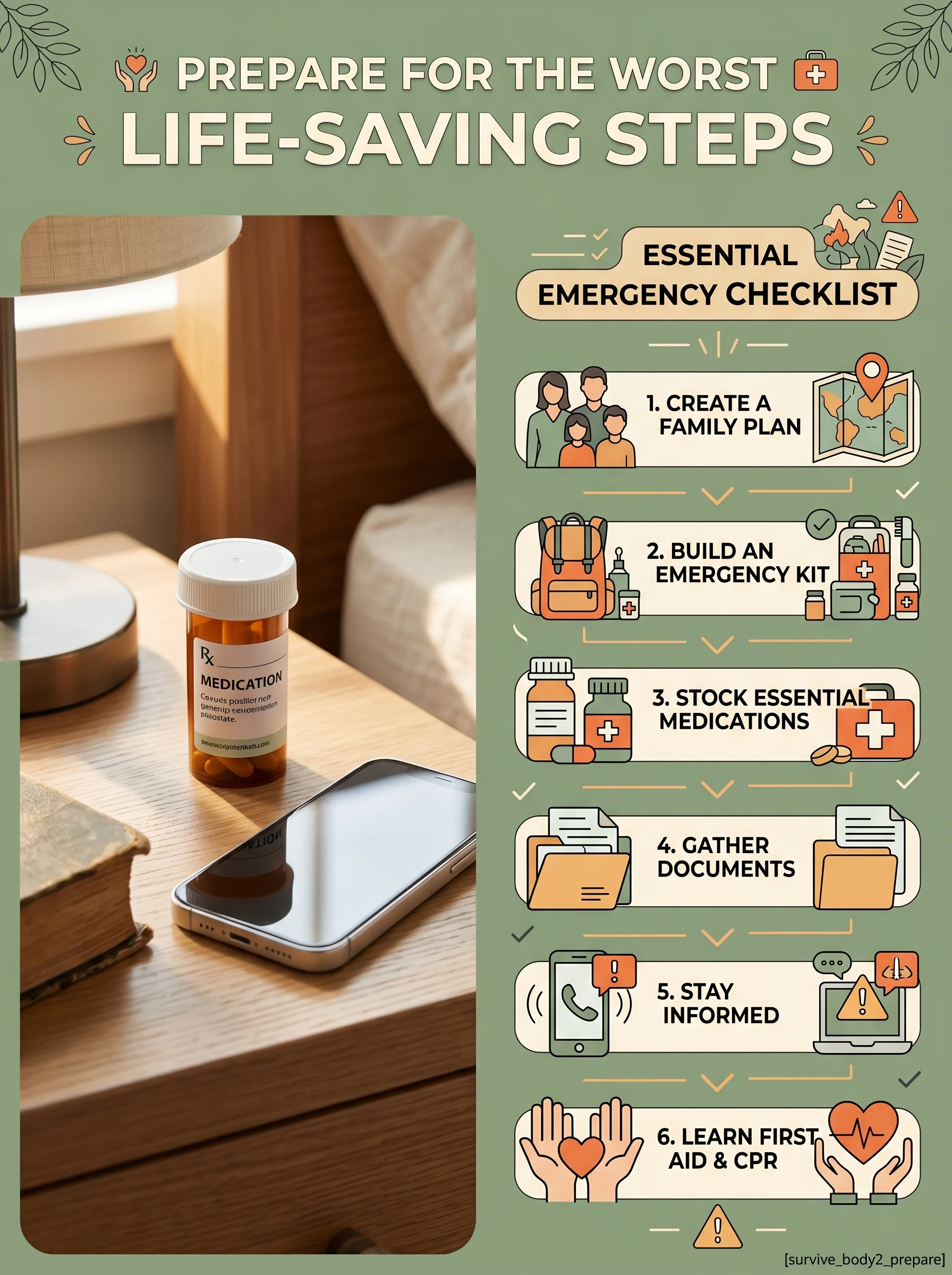
Prevention is key, but equipping yourself with the right tools and resources can give you an extra layer of security.
- Aspirin in any first aid kit. Keep it in an easily accessible place at home and consider carrying some with you if you are at higher risk for heart disease.
- A blood pressure monitor. Regularly checking your blood pressure can help you detect any irregularities early on and seek medical advice promptly.
- A heart rate monitor. Many smartwatches and fitness trackers now come with heart rate monitoring capabilities, making it easier than ever to keep an eye on your heart health.
- Cayenne pepper as part of your home remedies, added to meals or drinks to reap its cardiovascular benefits.
All these measures and tools come together to create a robust plan for maintaining heart health and being prepared for emergencies. But above all, it’s the small, consistent efforts that truly make a difference.
The takeaway
While a heart attack can be a terrifying experience, knowledge and preparation can make all the difference. Learn the heart attack warning signs, take preventive measures, and never hesitate to seek medical help. If you ever find yourself alone, remember the real sequence: call for help, unlock the door, chew aspirin if you can, and sit down to rest. Share this piece with your loved ones. It could save a life. Stay healthy, stay informed, and remember, you have the power to make a difference in your heart health.
If you’d like gentle, practical health notes like this in your inbox, our newsletter lands every Friday with one calm read worth your time.
Frequently asked questions
What are the heart attack warning signs?
The classic heart attack warning signs are chest pain or pressure, pain spreading to one or both arms, the back, neck, jaw or stomach, shortness of breath, cold sweats, nausea, and lightheadedness. Some people also feel a sudden sense of dread. Any of these, especially together, deserve an immediate call for help.
What are the early warning signs of a heart attack in women?
In women the signs are often atypical. Instead of a dramatic chest-clutch, women more often feel unusual fatigue, shortness of breath, nausea, cold sweats, and pain in the jaw, neck, upper back or one arm. Because these are easy to dismiss, trust your instincts and treat anything that feels wrong as urgent.
Are there heart attack warning signs weeks or a month before it happens?
A true heart attack is often sudden, so no symptom is a reliable countdown. Still, signs like creeping fatigue, breathlessness on stairs, swollen ankles, and exertion-related chest discomfort can hint your heart is under strain. Treat them as reasons to see a doctor soon, not proof an attack is imminent.
What is a silent heart attack and how would I know I had one?
A silent heart attack has symptoms so mild or unusual you don’t realize what’s happening. Clues include brief indigestion, unexplained fatigue, mild chest, jaw or back discomfort, or shortness of breath. Older adults and people with diabetes are more prone. Often it’s only found later on a routine medical test.
What should you do if you’re having a heart attack and you’re alone?
Stay calm and call emergency services immediately, using your phone’s speaker so your hands are free. Unlock your door so help can reach you. Chew a three hundred twenty-five milligram aspirin if you are not allergic. Sit down, prop your knees up, don’t lie flat, don’t eat or drink, and never try to drive yourself.
Does cough CPR work to survive a heart attack alone?
No. The viral “cough CPR” claim is not endorsed by the American Heart Association for someone having a heart attack alone, and there is no good evidence it helps. Worse, it can waste critical minutes. The real lifesaving steps are calling for help, unlocking your door, chewing aspirin if you can, and resting.
Does cayenne pepper stop a heart attack?
There is no scientific confirmation that cayenne pepper can stop a heart attack, so it should never replace calling emergency services. Its capsaicin may support circulation and reduce excessive clotting as part of a healthy diet, making it a supportive everyday habit rather than an emergency remedy or a substitute for prescribed medicine.
Share this article