Cayenne Pepper Benefits: The Spice That Can Protect Your Heart
Sheenam Midha · Health writer

On this page
TL;DR: Cayenne pepper benefits start with the heart. It is the one spice Dr. Barbara O’Neill calls the king of herbs, and she reaches for it for heart attacks in progress, for cold feet, for cuts that will not stop bleeding, and for everyday circulation. This piece walks through her own story of helping a woman mid-heart-attack with cayenne, plus how to make a cayenne oil and a foot compress at home.
What if a simple spice sitting in your kitchen right now could support your heart during a crisis, help stop bleeding, and gently nudge your metabolism along? It sounds unbelievable, I know. But the cayenne pepper benefits people talk about are not just internet myths. A lot of them have real, practical roots that herbalists have leaned on for a very long time.
Today, we’re diving into the world of cayenne pepper. And here’s the best part. This isn’t just coming from me. We’ll explore the teachings of Dr. Barbara O’Neill, a renowned health educator known for her natural remedies and holistic approach to healing. She calls cayenne pepper the king of herbs, and once you hear what she has to say, you’ll understand why.
What makes cayenne pepper different from other stimulants?
Cayenne pepper is a remarkable herb. Some people say we shouldn’t use it because it’s a stimulant. It is not a stimulant like caffeine or alcohol or marijuana is a stimulant. It’s a blood stimulant. That means it’s good because anything that moves blood is going to be helpful.

There’s a book you can get, it’s by Sam Beiser. It’s called Curing with Cayenne. He shows in that book that you put cayenne with any other herb and it’ll intensify that other herb’s action.
Cayenne pepper isn’t just that spicy powder you sprinkle on your food, it’s a natural powerhouse of healing. Its secret? A compound called capsaicin, which not only gives cayenne its heat, but also unlocks so many of its health benefits.
It’s a blood stimulant. It can be used internally and it can be used externally. It does three main things internally in the blood. It thins the blood. It strengthens the arterial walls and it opens the capillaries.
For starters, cayenne is an incredible circulatory stimulator. If you’ve ever struggled with cold hands and feet, or even that sluggish feeling that comes with poor circulation, cayenne can help by warming your body from the inside out. Just a small pinch in warm water can work wonders. If gentle circulation is your goal, you might also like our look at niacin for circulation after 60.
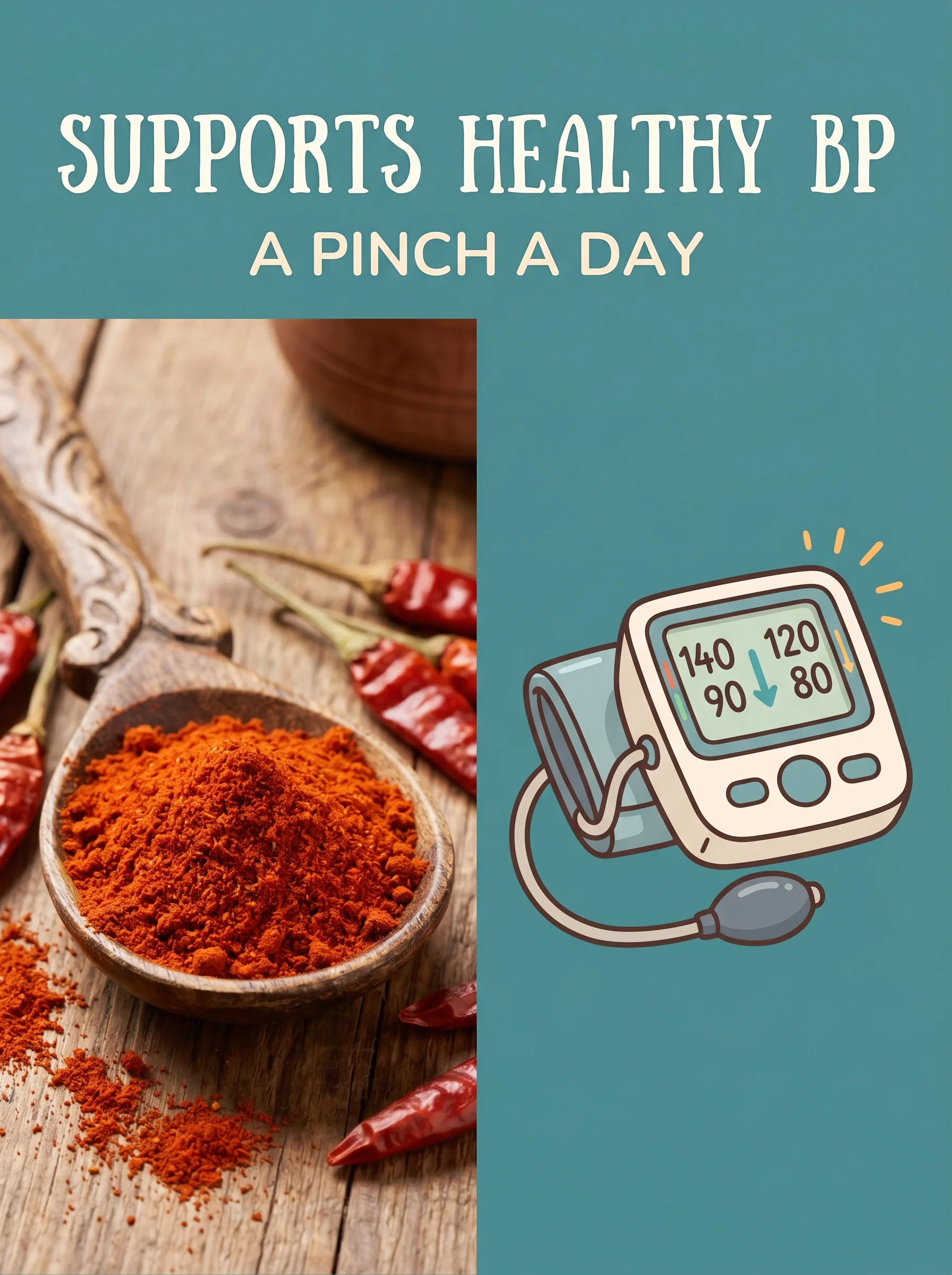
But here’s where it gets even more fascinating. Cayenne pepper has a unique ability to balance blood pressure. Whether it’s too high or too low, it seems to know what your body needs, helping to support it naturally. It pairs nicely with the everyday foods that help normalize blood pressure. No wonder Dr. Barbara calls it one of the most powerful herbs she’s ever worked with.
What are the cayenne pepper benefits during a heart attack?
Cayenne pepper is used by some herbalists as an immediate first response remedy during a heart attack. When someone is having a heart attack, their blood flow is restricted. A teaspoon of cayenne in hot water, given to someone still conscious, is thought to stimulate circulation and help restore blood flow. That is why natural health experts often suggest keeping cayenne pepper not only in the kitchen, but also in the first aid kit.
One important thing first. Cayenne is not a replacement for emergency care. If you suspect a heart attack, call your local emergency number straight away, and never delay an ambulance or stop a prescribed medication to try a home remedy. Cayenne, at most, is something some people reach for while help is on the way. If you ever find yourself in this situation by yourself, it’s worth knowing what to do during a heart attack when you’re alone.
So let me tell you about an experience Dr. Barbara shared. It was one of her retreats. She got the call, a lady had had a heart attack. She was only three minutes away, that’s why you have to be fit. She ran down, it was a cooking class with about 16 people and the woman was lying on the floor.
She was 80. Her husband said she’d already had a few that year, and they always called the ambulance, but they thought, let’s see what they do. And she said to her off sider, cayenne pepper, quickly. They got the cayenne pepper.
Now there was a guy holding a pulse, and he said, the pulse is almost gone. She was just white. So they got, I don’t know how much, you’re just in a hurry, so about half a teaspoon, put it straight in her mouth, she was half conscious, gave her a little bit of water to drink, and the guy holding the pulse yelled out, the pulse is strong. This would have been two minutes.
And you could feel that pulse come back, and all the blood came back to her face. She sat up and said, what happened? Everyone around was amazed. And Dr. Barbara said, no, it’s not me, it’s the cayenne pepper.
So they sold out of cayenne pepper that program. What did the cayenne pepper do? It thinned the blood, it opened the capillaries, and got a dramatic delivery of blood through the whole body. Remember, one minute for one drop of blood to go around your whole body.
It’s a story she’s read about and then witnessed firsthand. This is one of the most jaw dropping uses of cayenne pepper, and it’s no exaggeration to say it could help in a pinch while you wait for the professionals.
What can cayenne do for digestion, sore throats, and bleeding?
Cayenne works in several surprising ways beyond circulation. Taken internally, it boosts hydrochloric acid and digestion. It can ease a sore throat. And while it dilates blood vessels in the blood, if it sees a break, it will constrict that vessel to help stop the bleeding.
So cayenne pepper can also be used to boost hydrochloric acid. You take it in internally, it’ll boost digestion. Cayenne pepper can also ease a sore throat. Remember it’s in the flu bomb, it might give an initial tingle, but then when that tingle settles down, it eases it.
Some people take, or are told to take aspirin for blood thinner. In fact, you might have heard it recommended that anyone over the age of 50 should be on half an aspirin a day. Well, more recent research suggests that routine aspirin can cause stomach bleeds, and it’s a common cause of stomach ulcers, brain bleeds, and eye bleeds. That’s a conversation to have with your own doctor, not something to start or stop on your own. Cayenne pepper, by contrast, is gentler on the stomach lining. If you’re curious about food-first options, here are some anticoagulant foods that help prevent blood clots.
And here’s the part that surprises people. If cayenne pepper’s in your blood and it sees a bleed, it’ll constrict the blood vessels to help stop the bleeding. Yes, it dilates the blood vessels when it’s in the blood, but if it sees a break, it’ll constrict that.
Now, I know what you’re thinking. How can something spicy like cayenne stop bleeding? But many herbalists swear by it. Cayenne has natural coagulating properties that are said to help the blood clot faster. Dr. Barbara even shared the story of a man who deeply cut his hand while chopping wood. Far from medical help, he sprinkled cayenne pepper on the wound, and the bleeding stopped quickly.
It’s hard to believe until you try it yourself. So next time you have a small cut, a pinch of cayenne is worth keeping in mind, though deep wounds always need proper care.
Does cayenne pepper really boost metabolism and burn fat?
This is one of the most searched cayenne pepper benefits, so let’s be honest about it. Cayenne can give your everyday health a little lift, but it’s not a magic weight-loss shortcut. The capsaicin in cayenne may nudge your metabolism and gently curb appetite, and recent reviews suggest the effect is real but modest. Think of it as a small helper alongside good food and movement, not a fat-burning miracle.
If you’re trying to lose weight, a small amount of cayenne pepper at breakfast may help you feel satisfied with a little less throughout the day. Pair it with whole foods and you’ve got a sensible habit, not a quick fix.
Cayenne is also a gentle detox helper. It stimulates circulation, supports better digestion, and gets things moving. There’s a popular drink that combines cayenne pepper, lemon juice, maple syrup, and water. It’s refreshing, and a nice way to jumpstart your morning.
Cayenne pepper’s benefits don’t stop there. Its main compound, capsaicin, is studied for its anti-inflammatory properties, which may help soothe conditions like arthritis, allergies, and chronic pain. And early research is even looking at how capsaicin behaves around certain cancer cells, though that work is still in its early days and far from a treatment.
How do you make cayenne oil for pain at home?
Mix one tablespoon of cayenne powder with half a cup of olive or coconut oil. Heat it gently in a double boiler for about 15 to 20 minutes. Strain it with a cloth, and you’ve got your pain relieving oil ready to use. Apply it directly to achy joints or muscles for a warming sensation that soothes the pain.
If you’ve ever dealt with arthritis, sore muscles, or even tension headaches, cayenne pepper can offer natural relief. It’s all about increasing blood flow to the painful area, which reduces inflammation and eases discomfort. Always do a small patch test first, since the heat can sting sensitive skin.
And if you’re struggling with headaches, cayenne may help there too. A pinch of cayenne pepper in warm water, sipped slowly, stimulates circulation and can help take the edge off tension headaches.
What’s amazing is how versatile this herb is. It’s like having a natural painkiller right in your cupboard.
How to make a cayenne compress for cold feet
For cold or numb feet, make a cayenne compress. Cut a piece of paper towel to the size of the foot. Dab a small amount of olive oil on it, then sprinkle about half a teaspoon of cayenne pepper so it sticks to the paper. Place the paper directly against the sole of the foot, put a sock on, and leave it on overnight.
Dr. Barbara has found that people who let their feet stay cold eventually lose feeling in them. And the blood, she reminds us, is the life of the flesh. Any part of the body that’s cold isn’t getting fed by blood, which means the nerves and tissues aren’t being nourished either.
You cannot put cold feet into hot water or you’ll damage the tissues. So what can you do? You can make a cayenne compress to put on the bottom of the feet.
So to make a cayenne pepper compress, you get some paper towel and you cut it to the size of the foot. And then you put a little olive oil on there. Not a lot, because you don’t want to soil your sheets. The reason for the olive oil is that in a minute you’re going to sprinkle the cayenne on it, and the oil causes the cayenne to stick. So it’s really just there for the cayenne pepper to hold on to.
Now that’s about the right amount. As I said, any more and it will leak because this compress is worn overnight. And now you put the cayenne pepper on that. So you put about a half a teaspoon for each foot. The cayenne pepper is now sticking to the paper, and the foot goes straight onto that. And then you put a sock on. And leave it on all night.
If you put that on a healthy foot, by four in the morning you’d be waking up wanting to rip it off because your feet are so hot. But if someone has no feeling in their feet, or regularly has cold feet, often by morning they’re feeling a little tingle. So you would probably wear it every second night until your feet get hot.
So that’s a very easy way to warm up feet, because feet must be warm. Dr. Barbara has even made it, folded it up, and left it at one lady’s house who had no feeling in her feet. Peripheral neuropathy, that’s a side effect of chemotherapy where people lose that feeling. Many can bring their feet alive again with the cayenne pepper compresses.
It’s incredible to think that something so simple could have such profound health benefits, isn’t it?
How to use cayenne wisely
Cayenne is powerful, but it’s important to use it wisely. Start small, especially if you’re sensitive to spicy foods, and always choose a high quality, organic cayenne pepper.
- Start with a small pinch in warm water to test your tolerance.
- Keep a jar in the kitchen and another in the first aid kit.
- Sprinkle directly on small cuts to help the bleeding stop.
- Make a cayenne compress for cold or numb feet and wear it overnight.
- Use high quality, organic cayenne pepper.
Always check with your doctor before using cayenne in any medical situation, especially if you take blood thinners or have a heart condition. Cayenne is a supportive food, not a substitute for prescribed care.
The takeaway
So, what do you think? Are you ready to make cayenne pepper a part of your life? Whether it’s for heart health, pain relief, or simply warmer feet, the cayenne pepper benefits truly live up to its title as the king of herbs. To round things out, you might enjoy our gentle list of daily habits to keep your heart healthy. And if learning about simple, real-food remedies like this is your thing, the newsletter is where more of it lives, one quiet email every Friday.
Frequently asked questions
What are the main cayenne pepper benefits?
The most talked-about cayenne pepper benefits center on circulation and the heart. It acts as a blood stimulant that thins the blood, strengthens arterial walls, and opens the capillaries. People also use it for digestion, sore throats, pain relief, warmer feet, and a gentle nudge to metabolism.
Is cayenne pepper a stimulant like caffeine?
No, not in that way. It is not a stimulant like caffeine, alcohol, or marijuana. It’s a blood stimulant, meaning it moves blood through the body. That’s why it’s considered helpful rather than harsh, since anything that improves circulation tends to support the whole system.
Does cayenne pepper really boost metabolism and burn fat?
It can help a little, but it’s not a weight-loss shortcut. The capsaicin in cayenne may modestly raise metabolism and curb appetite, and recent reviews suggest the effect is real but small. Use it as a supportive habit alongside whole foods and movement, not as a fat-burning miracle.
Can cayenne pepper help during a heart attack?
Some herbalists keep it on hand and place about half a teaspoon in the mouth of a conscious person while waiting for help. It is not a replacement for emergency care. If you suspect a heart attack, call your emergency number immediately and never stop a prescribed medication to try a home remedy.
Can cayenne really stop bleeding if it also thins the blood?
Yes, that’s the curious part. It dilates the blood vessels when it’s in the blood, but if it sees a break, it’ll constrict that vessel. Cayenne is said to have natural coagulating properties that help the blood clot faster when sprinkled on a small cut, though deep wounds need proper medical care.
How do you make a cayenne foot compress for cold feet?
Cut paper towel to the size of the foot, dab a little olive oil on it so the powder sticks, sprinkle about half a teaspoon of cayenne on top, place it against the sole, put a sock on, and leave it on all night. Wear it every second night until your feet get hot.
Share this article