9 foods that prevent blood clots (anticoagulant foods that help)
Sheenam Midha · Health writer

On this page
TL;DR: Clotting is useful when you cut a finger, and risky when it shows up as thrombosis. This short guide walks through 9 foods that prevent blood clots (garlic, onion, fish, whole grape juice and red wine, cayenne pepper, olive oil, green tea, turmeric, and cinnamon) and the reasons behind each one. These are gentle, supportive helpers, not a replacement for medicine. A doctor is still in charge of any serious case.
Have you ever cut your finger? Did you notice that it bleeds, then stops? The bleeding doesn’t get bigger because your blood clots, preventing a hemorrhage. Clotting is a good thing in that moment. But the same process can turn risky inside the body, in situations like thrombosis.
For a healthy lifestyle, our eating habits matter a lot. And depending on your situation, that care may need to be doubled. If you are prone to clots, leaning into foods that prevent blood clots, the ones rich in vitamins, minerals, healthy fats, and plenty of water, can be a quiet, steady ally.
A quick, honest word before we start. None of these foods “dissolve” a clot or melt away plaque the way some viral videos promise. What a thoughtful diet can do is support smoother circulation and slow the slow build-up over time. That is real, and it is worth doing. Now here are 9 everyday foods that can help you eat in a more anticoagulant style.
1. Garlic
Widely used in the kitchen, garlic is a flavorful seasoning and a generous source of vitamins C and B6, fiber, calcium, phosphorus, selenium, manganese, and other nutrients. What many people don’t know is that garlic also acts as a natural blood thinner.
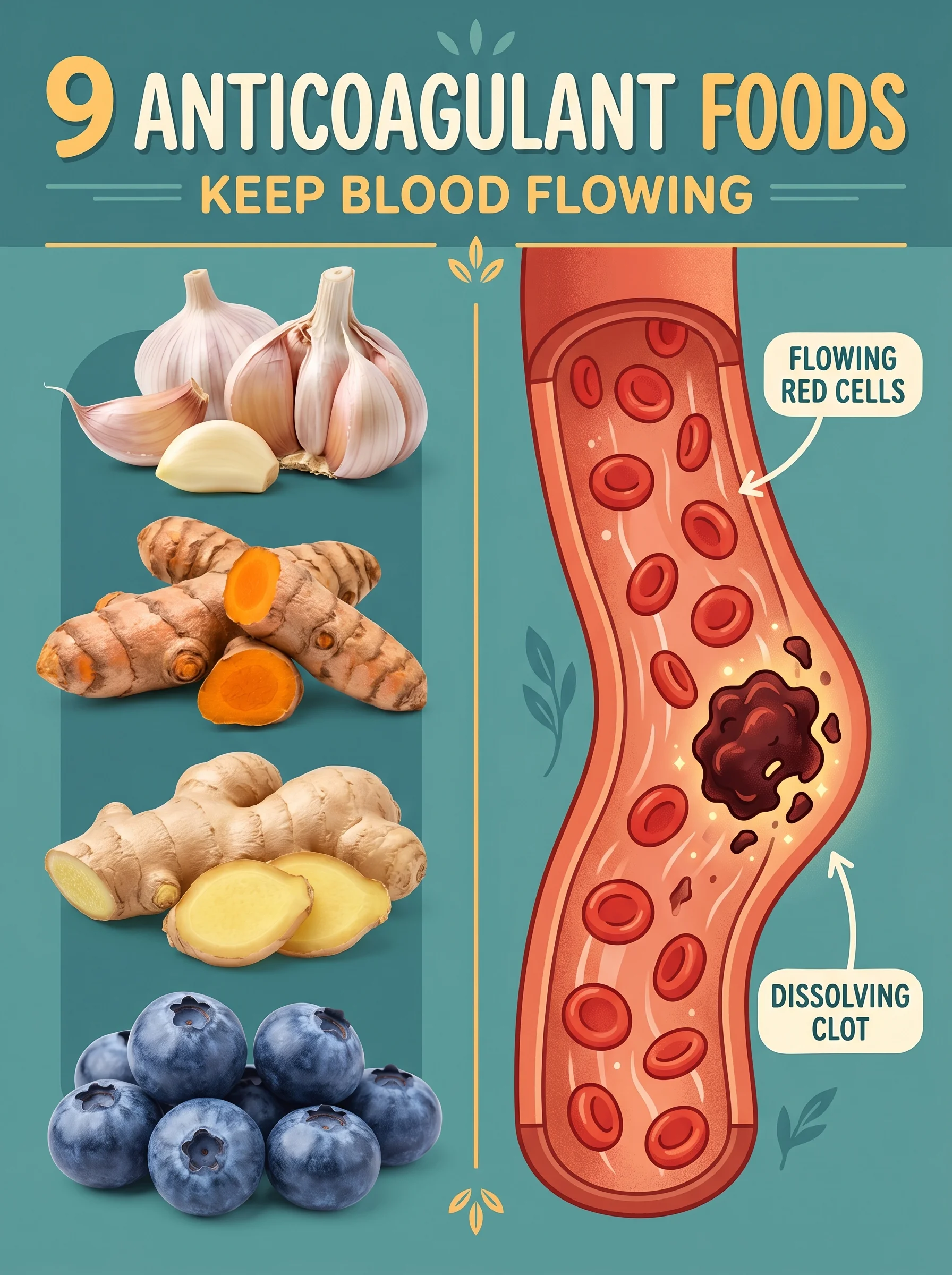
It contains allicin and ajoene, substances that help block the aggregation of blood platelets, which is the sticking-together step that starts a clot. If you like the idea of using garlic as a daily habit, you might also enjoy this simple garlic water remedy to lower triglycerides.
2. Onion
Like garlic, onions flavor recipes and offer essential nutrients, including B-complex vitamins, vitamin C, antioxidants, and minerals. But did you know onions also work as a natural anticoagulant?
Thanks to the adenosine in its makeup, onion can help slow platelet aggregation and the early formation of clots.
3. How does fish help prevent blood clots?
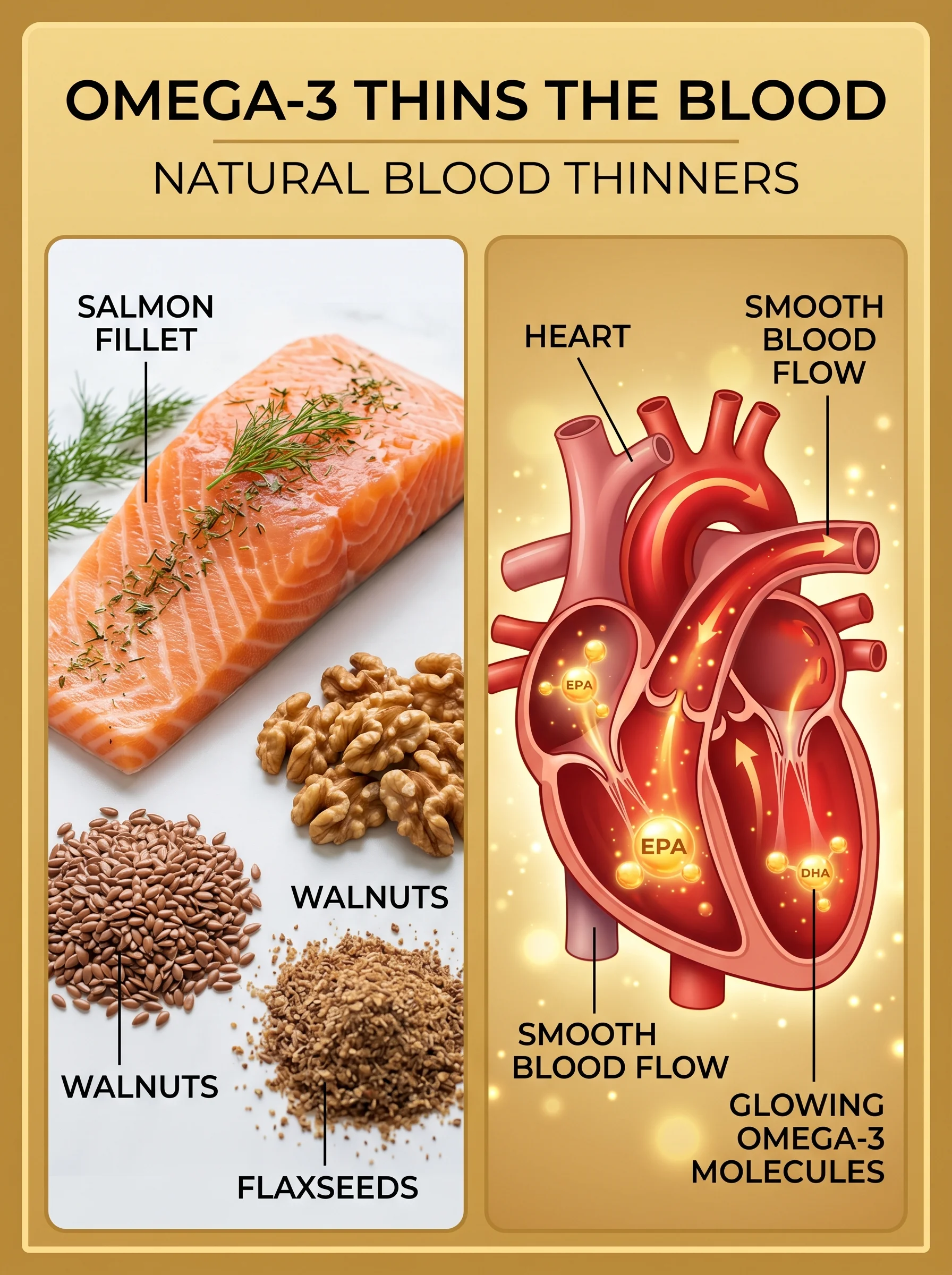
Adding fish to your weekly diet is one of the simplest things you can do for circulation. Fish are a source of protein, omega-3, folic acid, and other nutrients. The ideal is to vary what you eat: salmon, tuna, sardine, mackerel, trout, and anchovy all count.
The omega-3 fatty acids are the key part here. They are among the best-studied natural blood thinners, helping the blood flow a little more easily and supporting heart and vessel health over time. If you don’t eat fish, walnuts and flaxseed offer plant-based omega-3 too, and you can read more in our guide to flaxseed benefits for heart and diabetes.
4. Whole grape juice and red wine
The flavonoids, phenolic acids, and resveratrol found in the skin and seeds of grapes are antioxidants with a heart-protective effect. They help discourage platelet aggregation and support healthier blood vessels. Enjoyed sensibly, they are a pleasant part of an anticoagulant diet.
Even so, we shouldn’t overdo it, since grape juice, for all its benefits, is also high in sugar and calories. A reasonable amount is 1 or 2 glasses of about 6.75 ounces a day.
A glass of red wine carries some of the same compounds, but keep it modest. With alcohol, more is not better, and if you take any medication it is worth a quick check with your doctor first.
5. Cayenne pepper
Cayenne pepper has a warming quality and is often credited with stimulating blood flow, which is why it shows up on so many natural-circulation lists. A little heat in your cooking can be a gentle way to support flow. We dug into this more in our piece on cayenne pepper as a heart-healing spice.
6. Olive oil
Did you know that olive oil also belongs among foods that prevent blood clots? It is rich in polyphenols that act as antioxidants and help discourage the formation of clots, which is one reason it sits at the heart of the Mediterranean way of eating.
Use olive oil to dress your salads, vegetables, pizza, and the everyday recipes you already love.
7. Green tea
Also known as bancha, green tea is gently cleansing. It supports digestion and helps the body move out toxins by nudging diuresis, which in turn supports circulation and can ease swelling. A warm cup is one of the easiest healthy habits to keep.
8. Turmeric
Turmeric is an Asian spice with a long list of perks. It supports digestion, helps with bad cholesterol (LDL), and works as an anti-inflammatory. It earns a spot among foods that prevent blood clots thanks to curcumin, the compound that helps discourage platelet aggregation.
If you are prone to clotting issues, use turmeric to season your fish, meats, stews, and other everyday dishes. It lends more flavor and a lovely color, and it is an easy one to weave in. A pinch of black pepper helps your body absorb it.
9. Cinnamon
An old spice with real nutritional value, cinnamon is another anticoagulant food worth highlighting. It contains cinnamaldehyde and coumarin, compounds linked with discouraging platelet aggregation and clot formation.
Cinnamon is also a gentle natural thermogenic, supports digestion, and adds warmth to oats, tea, and baked apples. A little sprinkled here and there goes a long way.
Which foods cause or increase blood clots?
It helps to know the other side of the plate too. The foods most often flagged as clot-promoting are the heavily processed ones: high-sodium snacks, refined sugar, trans fats, and a lot of saturated fat. None of them ruin a single meal, but a steady diet of them works against everything above. If you want the full picture, we wrote a companion guide to the foods that cause blood clots and stiffen your arteries.
Can foods or juices really clean or unclog your arteries?
This is the big one online right now. You have probably seen “1 drink a day to unclog your arteries” or “foods that dissolve clots the doctors won’t tell you.” Here is the calm truth: no single food, juice, or supplement melts away existing plaque or dissolves a clot. Diet can slow the build-up and support healthier flow, which is genuinely valuable, but it is not a reverse button.
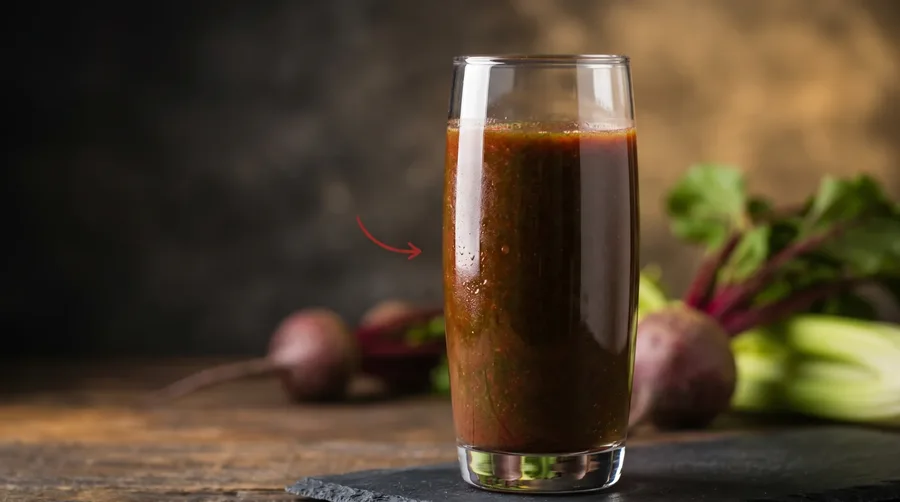
Drinks like celery and beet juice, or supplements like NAC, may support circulation as part of a good overall pattern. Treat them as helpers, not cures, and never as a stand-in for medical care. If you are curious, we cover them honestly in our looks at celery and beet juice for the arteries and NAC for cleaner arteries.
The takeaway
These are nine everyday foods that support an anticoagulant style of eating: garlic, onion, fish, whole grape juice and red wine, cayenne pepper, olive oil, green tea, turmeric, and cinnamon. Think of them as steady, gentle allies rather than quick fixes. In cases of serious conditions like thrombosis, you should be followed by a doctor and keep taking the prescribed medicines. And if you already take a blood thinner, please loop in your doctor before leaning hard on these foods, because some of them can add up. If you want quiet kitchen ideas like this landing in your inbox on a Friday, the newsletter is the place.
Frequently asked questions
What foods help prevent blood clots naturally?
Everyday foods that prevent blood clots include garlic, onion, omega-3 fish, whole grape juice, olive oil, green tea, turmeric, and cinnamon. They contain compounds that gently discourage platelets from clumping together. They support healthy circulation as part of a balanced diet, but they are not a cure or a drug replacement.
What are the best natural blood thinners, and do they work?
Garlic, omega-3 from fish, turmeric, ginger, and cinnamon are the most talked-about natural blood thinners. Research suggests they can mildly support healthier blood flow. The effect is gentle and supportive, not as strong or predictable as prescription anticoagulants, so they work best as everyday habits, not as a replacement for medicine.
Can foods or drinks really clean or unclog your arteries?
No food, juice, or supplement dissolves existing plaque or melts a clot, despite viral claims. A good diet can slow plaque build-up and support circulation over time, which matters. Drinks like celery and beet juice may help as part of a healthy pattern, but they are not a cure and not a substitute for medical care.
Which foods cause or increase blood clots?
The usual culprits are heavily processed foods: high-sodium snacks, refined sugar, trans fats, and excess saturated fat. Eaten often, they can promote inflammation and stiffer arteries. Balancing them with more vegetables, fish, olive oil, and the foods above gives your circulation a steadier footing.
How much grape juice is a reasonable amount?
Grape juice offers heart-friendly antioxidants but is also high in sugar and calories. A reasonable amount is about 1 or 2 glasses of 6.75 ounces a day. If you watch your blood sugar, keep portions small or choose whole grapes instead for the fiber.
Are these foods safe if I take a blood thinner like warfarin?
Talk to your doctor first. Natural blood thinners like garlic, fish oil, turmeric, and ginger can add to prescription anticoagulants, and vitamin-K-rich greens can interfere with warfarin. The goal is steady, consistent eating, not sudden big changes, so your doctor can keep your dose right.
Share this article