Hypertension warning signs your heart may be at risk
Sheenam Midha · Health writer
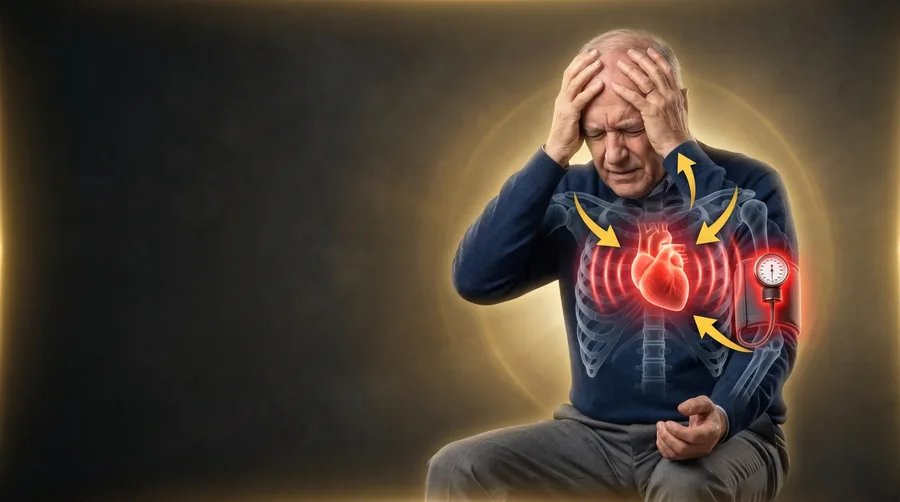
On this page
TL;DR: The warning signs of hypertension are easy to miss because high blood pressure is usually silent. The World Health Organization puts it at around 30% of adults worldwide. Most of the time it only shows up in a reading, but a sudden spike can bring dizziness, headaches, fatigue, shortness of breath, chest pain, ringing ears, blurry vision, neck pain, nausea, or vomiting. If you notice them, call a doctor.
Silent and sneaky, hypertension affects around 30% of the adult population worldwide, according to the World Health Organization (WHO). Known as high blood pressure, it is one of the biggest risk factors for cardiovascular disease, like heart attack and stroke. That is exactly why the warning signs of hypertension matter so much: by the time your body speaks up, the pressure has often been high for a while.
But the tricky part is that most of the time hypertension is only noticed through regular blood pressure checks. When the body starts giving signs, you have usually already developed the problem.
Does hypertension actually have symptoms?
According to the experts, hypertension itself doesn’t really have symptoms. Most of what you feel comes from the damage high pressure quietly does to your organs over time. There is one important exception, though: a sudden spike in blood pressure. When that happens, you can get specific symptoms that need attention quickly to lower the risk of a heart attack or stroke.
So when people ask what the warning signs of hypertension are, the honest answer is that the everyday, “I just don’t feel right” version is usually invisible. The signs you can actually feel tend to show up during a spike or once the disease is more advanced.
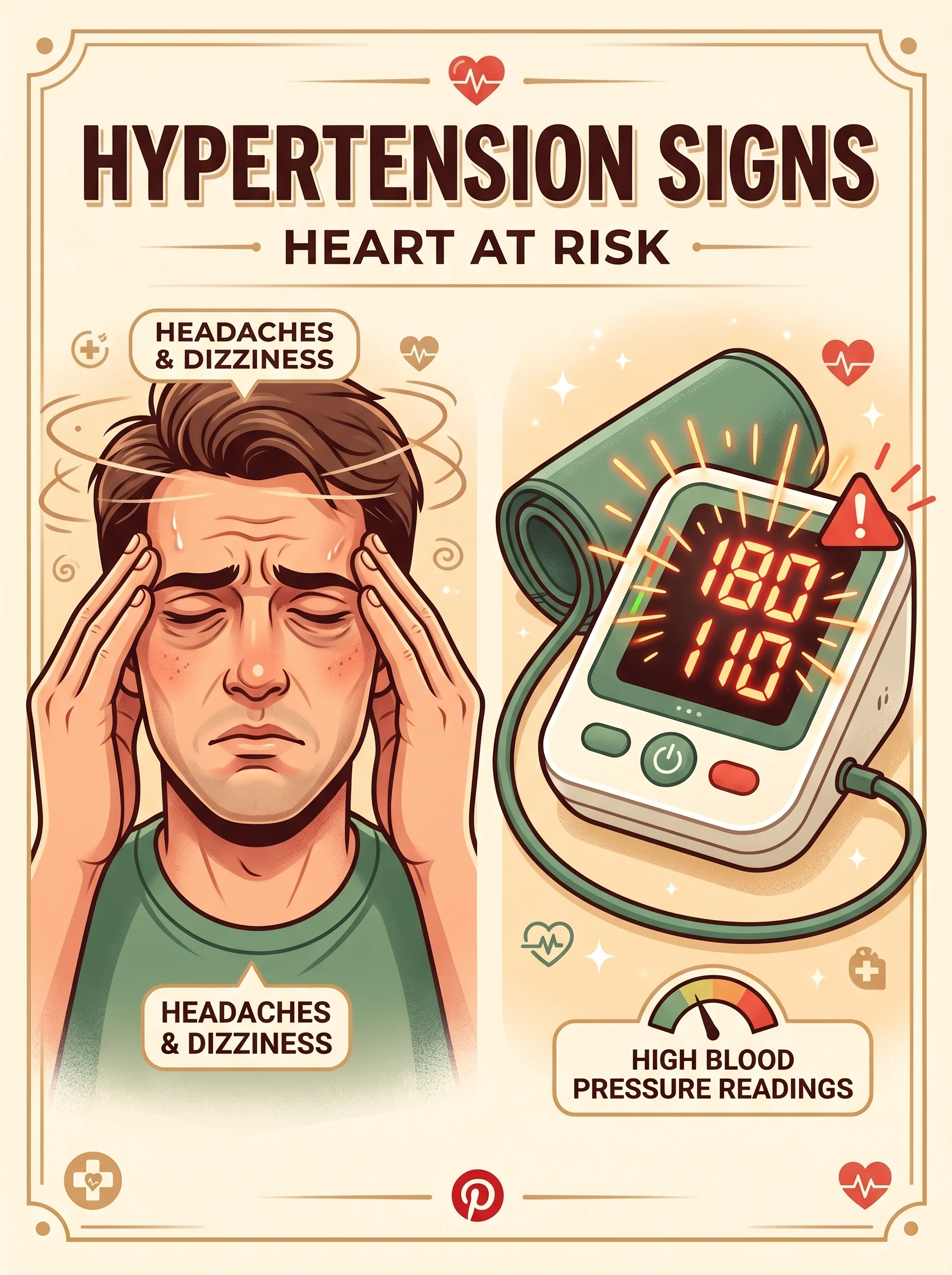
What are the warning signs of hypertension and a hypertensive crisis?
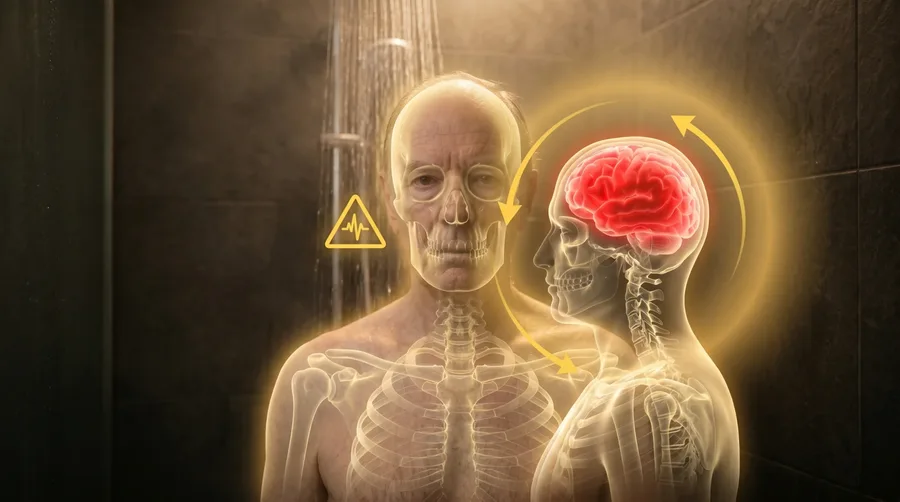
Do you know which signs suggest hypertension or a sudden spike in your blood pressure? Pay attention to these, because together they can point to a hypertensive crisis: dizziness, headaches, fatigue, shortness of breath, chest pain, ringing in the ears, blurry vision, neck pain, nausea, and vomiting.
These symptoms usually appear when the issue is already advanced, so it is wiser to see a doctor whenever your blood pressure reads at or above 130/80 (often written as 13/8), especially if it climbs without an obvious reason. If chest pain or trouble breathing comes on suddenly, treat it as an emergency. These same red flags overlap with the body’s heart warning signs before something goes wrong, so they are worth taking seriously.
Why do these warning signs of hypertension happen?
These signs come from what experts call “target organ damage.” Shortness of breath and chest pain result from the left ventricle thickening (left ventricular hypertrophy) and reduced blood flow through the coronary arteries, which over time can lead to arrhythmia, fluid in the lungs, heart failure, and a heart attack.
Headaches, dizziness, ringing in the ears, and blurry vision are linked to the way large blood vessels in the brain respond to rising pressure, which in the worst case can lead to a stroke. Because the early signs can feel so ordinary, it helps to know which stroke warning signs can show up weeks before it hits.
Don’t brush these symptoms off when you notice them, because an early diagnosis really does change things. The sooner you get checked, the less damage there tends to be.
What to do when you feel unwell from a blood pressure spike
If you think you are dealing with an acute spike, or a longer-running problem that is straining your organs, the best move is to stay calm and seek medical help as soon as the symptoms appear. Your doctor will likely order a few tests, like blood and kidney work and an EKG, to look for the cause of your hypertension.
One thing to be clear about: never stop a prescribed blood pressure medication on your own, even if you feel fine or have seen a viral “cure it from the root” video. Foods and home remedies can support your treatment, but they are not a replacement for medicine your doctor has prescribed.
Don’t make life easy for hypertension. The more you look after yourself, and the sooner you get a diagnosis, the better your quality of life will be through treatment.
How to prevent hypertension day to day
The best way to prevent hypertension is a steady, healthy lifestyle. Small daily habits add up, and many of the same daily habits that keep your heart healthy also keep your numbers in a good range.
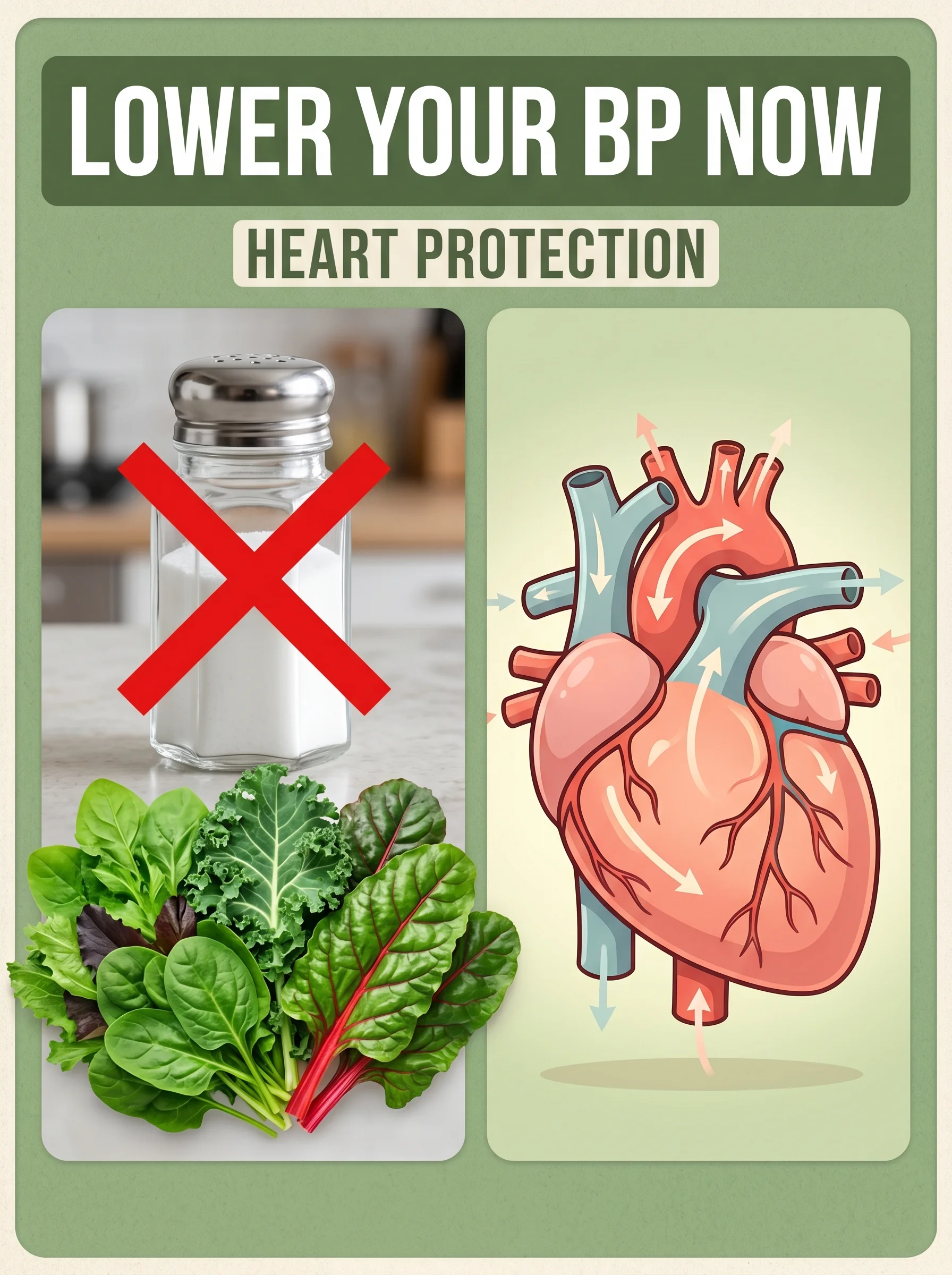
- Eat a balanced diet with a moderate amount of salt.
- Keep your weight in a healthy range.
- Exercise regularly, 3 to 5 days a week.
- Avoid heavy alcohol use, and protect your sleep and stress levels.
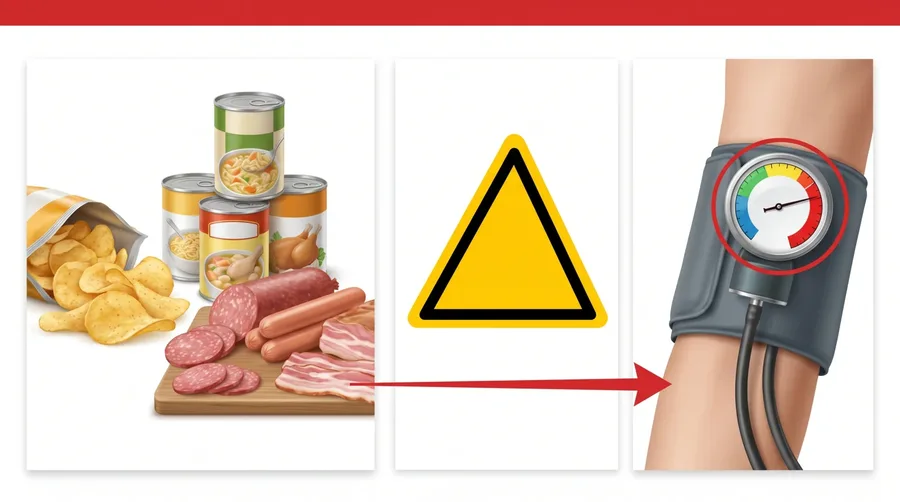
On the plate, lean toward potassium- and magnesium-rich choices: leafy greens, beans, bananas, avocado, berries, nuts, and seeds. There are also plenty of gentle, everyday foods that help normalize blood pressure, while it is just as useful to know the salty, ultra-processed foods that raise blood pressure so you can ease off them.
Does beetroot juice really lower blood pressure?
This is one of the most common questions right now, and the answer is a careful yes. Nitrate-rich beet juice has recent research behind it suggesting a modest drop in blood pressure for some adults with hypertension. The key word is modest, and the studies frame it as an adjunct that works alongside treatment, not a swap for it. If you are curious how it works, here is a closer look at beetroot juice to lower blood pressure naturally.
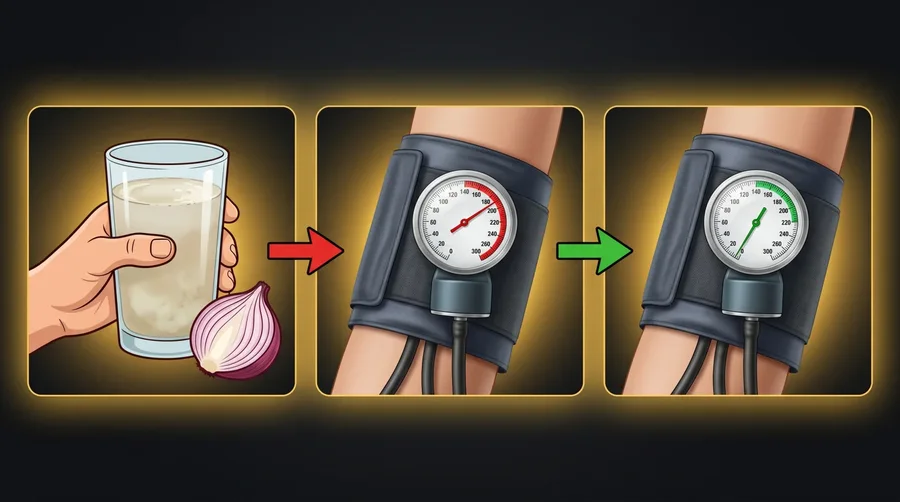
The same goes for popular single-cup remedies like onion juice. They may be supportive at most, the evidence is weak, and blood pressure is multifactorial, shaped by salt, weight, stress, sleep, and alcohol all at once. No single food or “one deficiency” fix replaces the full picture, and none of them should replace a prescribed medication.
Frequently asked questions
What are the warning signs of hypertension?
Most of the time there are none, because high blood pressure is usually silent. When a spike happens or the disease is advanced, the warning signs of hypertension can include dizziness, headaches, fatigue, shortness of breath, chest pain, ringing in the ears, blurry vision, neck pain, nausea, and vomiting. See a doctor if you notice them.
What are the signs of a blood pressure spike?
Dizziness, headaches, fatigue, shortness of breath, chest pain, ringing in the ears, blurry vision, neck pain, nausea, and vomiting. Together these can indicate a hypertensive crisis and need quick medical attention, especially if chest pain or breathlessness comes on suddenly.
When should you see a doctor for high blood pressure?
See a doctor whenever your blood pressure reads at or above 130/80 (13/8), especially if it rises without an obvious reason. Treat sudden chest pain, trouble breathing, or severe headache with blurry vision as an emergency. The sooner you get checked, the fewer lasting injuries there tend to be.
Can you lower or cure high blood pressure naturally without medication?
Lifestyle changes can genuinely lower blood pressure, and some people reduce their medication with a doctor’s guidance. But “cure it from the root” claims that tell you to drop your prescription are not safe. Use food, exercise, and sleep as support, and never stop a prescribed antihypertensive on your own.
Does beetroot juice really lower blood pressure?
Recent research suggests nitrate-rich beetroot juice can produce a modest drop in blood pressure for some adults with hypertension. It is best seen as an adjunct that works alongside your treatment, not a replacement for it. Onion juice and similar single-cup remedies have much weaker evidence.
How do you prevent hypertension?
Eat a balanced diet with moderate salt and plenty of potassium- and magnesium-rich foods, keep your weight healthy, exercise 3 to 5 days a week, limit alcohol, and protect your sleep and stress. Regular blood pressure checks help you catch trouble early, before symptoms appear.
Share this article