7 stroke warning signs that can show up a month before it hits
Sheenam Midha · Health writer
On this page
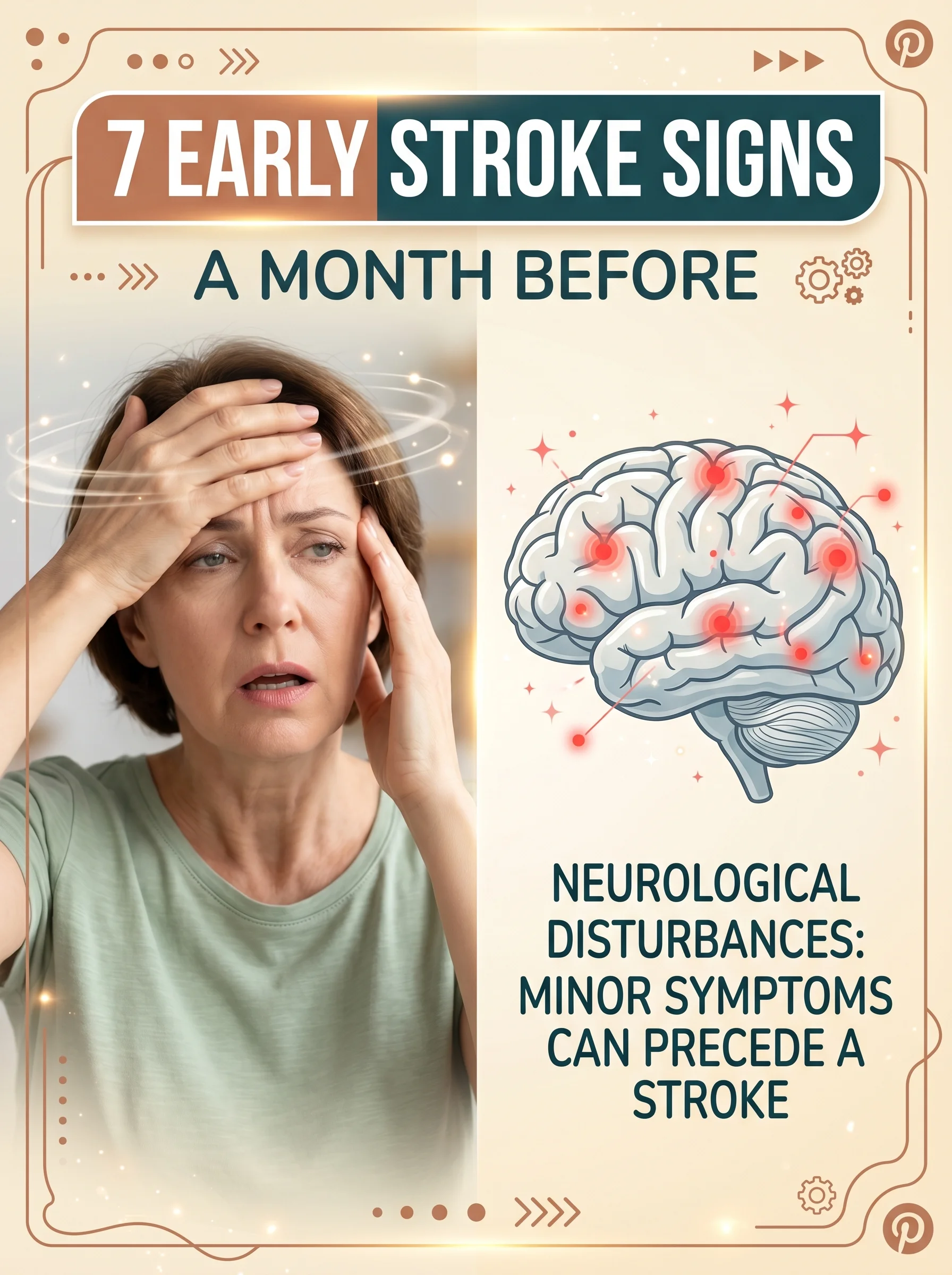
TL;DR: The most useful one month before stroke warning signs to know are creeping blood pressure, unexplained fatigue, sudden vision changes, the worst headache of your life, numbness on one side, trouble speaking, and neurological problems like loss of balance or memory lapses. The single strongest early warning is a TIA, a mini-stroke. And when something happens fast, the tool that saves time is FAST: Face, Arm, Speech, Time to call.
Right now, as you read this, someone, somewhere, is feeling the first quiet signs that something is wrong, but they don’t know it yet. They’re going about their day, checking emails, taking their kids to school, maybe even at the gym, with no idea their body has started waving a small flag.
Here is the honest part. A stroke itself is sudden, and brain cells can start to suffer within minutes. But in the days and weeks before, your body sometimes drops hints. Learning these one month before stroke warning signs is not about predicting the exact day. It is about noticing the patterns early enough to get checked, lower your risk, and know what to do if a real emergency starts.
If you or someone you love notices any of these signs, treat it as a reason to talk to a doctor, not something to sleep off. And if symptoms come on suddenly, you act fast.
Can you really spot stroke warning signs a month ahead?
Sometimes, and partly. Some of the warning signs of stroke are slow-burn risk signals, like blood pressure creeping up or a strange new fatigue that lingers for weeks. Those can show up well ahead of time, and they are worth acting on. Other signs, like one-sided numbness or slurred speech, are not really “a month early.” They are urgent, and they mean call for help now.
So think of it this way. The early warning signs of a stroke buy you time to lower your risk. The sudden ones buy you nothing but minutes, which is exactly why the FAST test below matters so much.
1. Persistently elevated blood pressure
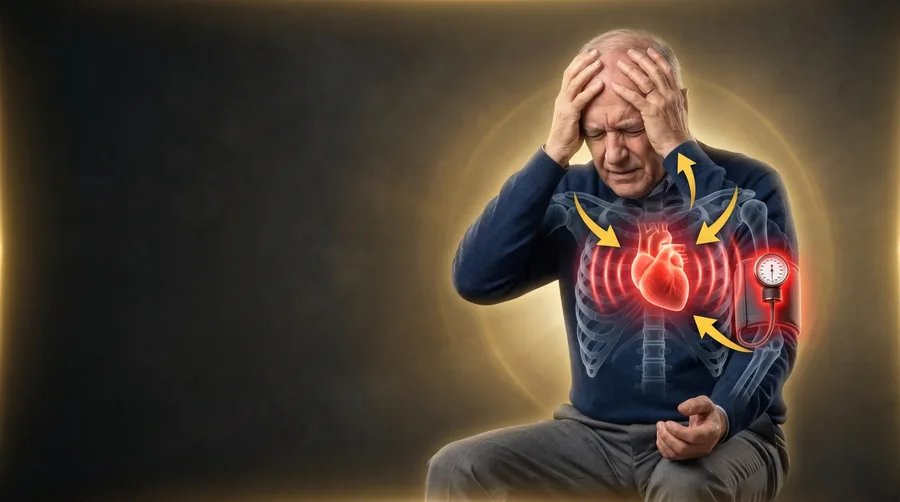
High blood pressure is one of the most dangerous silent killers, and it sits at the top of the list of one month before stroke warning signs. It quietly damages the arteries over time, making them weaker and more prone to rupture. If those arteries are in your brain, this can lead to a hemorrhagic stroke, where blood leaks into the brain tissue and causes serious damage.
You might think, “But I feel fine, I’m healthy.” Or maybe you’re young, and you assume strokes only happen to older people. Here is the reality: strokes are becoming more common in younger people, and high blood pressure doesn’t discriminate. If your numbers have been creeping up, even with no other symptoms, that is a real warning worth acting on. It helps to learn the hypertension warning signs your heart may be at risk, and to lean on everyday foods that help normalize your blood pressure alongside whatever your doctor advises.
2. Excessive fatigue that doesn’t make sense
This is the kind of tiredness that doesn’t add up. You’ve slept a full night, you haven’t pushed yourself too hard, and yet you feel completely drained. If that sounds familiar for weeks on end, it could be more than stress or a busy schedule.
When blood flow to the brain is restricted, even a little, your body can feel it. Lingering fatigue can be a sign that a blockage is forming in one of the arteries that carry oxygen to your brain. It seems normal at first, which is exactly why it gets brushed off. If you find yourself abnormally tired for no clear reason, don’t ignore it. It is one of the quieter early warning signs of a stroke that people most often miss.
3. Sudden vision changes
Imagine waking up and noticing your vision is blurry. Or you suddenly see double, or you can’t quite focus on things that used to be sharp. Sudden vision problems are another meaningful warning sign of stroke.
Why? Because the eyes are wired directly to the brain. An ischemic stroke can block the arteries that supply blood to your eyes, causing sudden vision changes. We usually blame screen time, aging, or poor sleep, but when these changes come out of nowhere, take them seriously. If you or a loved one has a sudden change in vision, don’t wait. It can be your body’s last clear flag before a bigger event.
4. A sudden, severe headache unlike anything before
Headaches are common. But there is a huge difference between your everyday headache and a sudden, severe one that arrives out of nowhere and feels like nothing you have ever felt. It is often described as “the worst headache of my life.”
This can happen with both ischemic and hemorrhagic strokes. With a hemorrhagic stroke, the pain comes from rising pressure inside the skull as blood pools in the brain. For some people, a headache like this can mean a brain aneurysm is about to rupture. If you ever feel one, especially with nausea, vomiting, or dizziness, get to a hospital immediately. Don’t assume it will pass.
5. Sudden numbness or weakness on one side
Have you ever woken up with a numb arm and thought, “It’s just asleep”? Maybe. But sudden numbness or weakness on one side of your body is something far more serious, and it is one of the clearest warning signs of stroke there is.
It happens when blood flow to a specific part of the brain is cut off, so the muscles on the opposite side start to lose function. Even if it fades after a few minutes, do not ignore it. That can be a transient ischemic attack, or TIA, which is essentially a mini-stroke. It feels harmless because the symptoms disappear, but a TIA is the single most reliable warning your brain can give you. It can come days, weeks, or even a month before a full stroke, which is why it deserves a same-day call to a doctor.
6. Trouble speaking or finding words
Imagine trying to talk and your words won’t come out right. You know what you want to say, but your mouth can’t shape it. This is called aphasia, and it is another major warning sign of stroke.
Struggling to speak, slurred speech, or trouble forming clear sentences all point to a problem in the brain’s language center. When blood supply there is interrupted, even briefly, you can lose the ability to speak or understand words. If you or someone near you suddenly can’t get the words out, don’t wait to see if it improves. Call for medical help right away.
7. Neurological problems: memory, balance, nausea
Finally, there are the scattered neurological signs: sudden memory lapses, loss of balance, nausea, or vomiting. They can feel random and unrelated, but they often mean the brain is struggling.
When blood flow to the brain drops, it can affect how you move, how steady you feel, and how well your memory works. These symptoms can appear days or even weeks before a major stroke, which is why they’re so easily ignored or misread. Sudden neurological changes should never be brushed aside. They can be the slow build-up to something much bigger, and noticing them early gives you the most room to act.
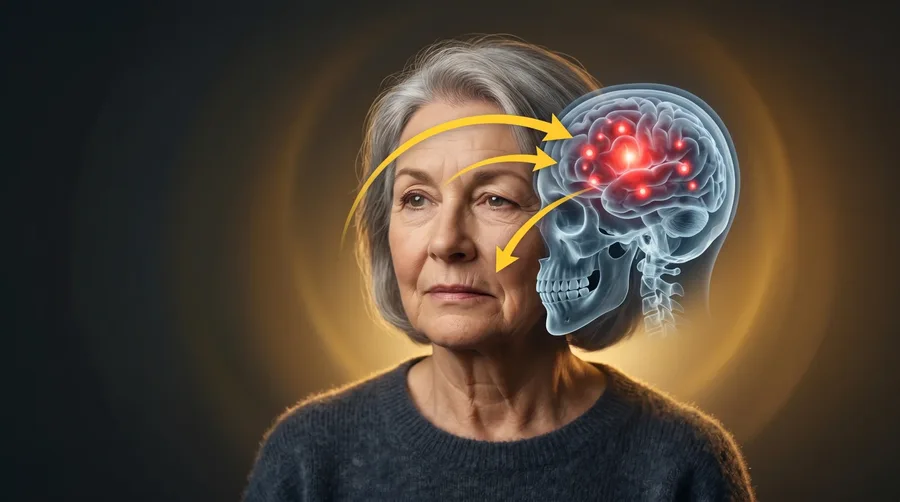
What are the early warning signs of a stroke in women?
Women share all seven signs above, but the warning signs of stroke for women can also look less “classic,” which is part of why they get missed. Alongside one-sided weakness and slurred speech, women more often report sudden fatigue, general weakness, confusion, nausea, hiccups, or a feeling that something is just off. If you are a woman noticing these, especially with risk factors like high blood pressure, don’t talk yourself out of getting checked.
What is a TIA, and how long before a stroke does it happen?
A TIA, or transient ischemic attack, is a mini-stroke caused by a brief blockage of blood flow to the brain. The symptoms, numbness, slurred speech, droopy face, or vision loss, look exactly like a stroke but pass within minutes to an hour. The catch is that a TIA can come days, weeks, or up to a month before a full stroke. It is the closest thing to a genuine early alarm, so even if it resolves, treat it as urgent and see a doctor the same day.
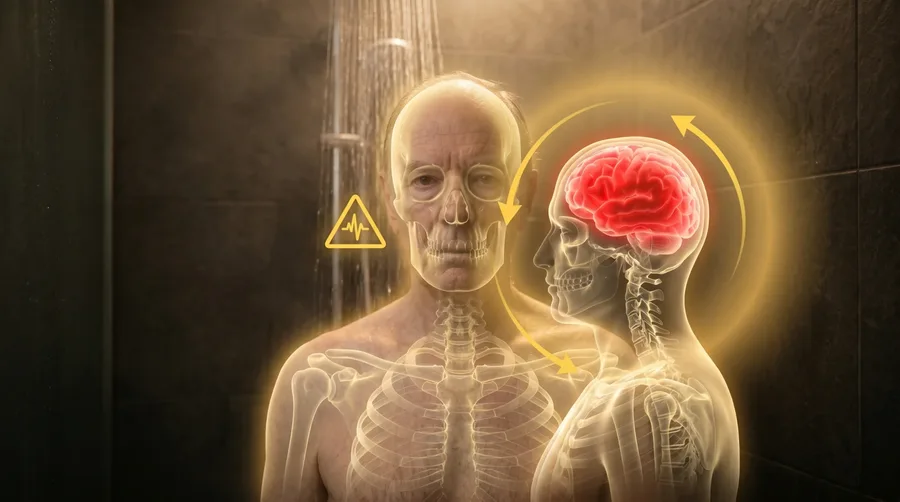
What about “shower mistakes” that supposedly raise stroke risk?
You may have seen viral videos claiming that wetting your head first in the shower, or using water that is too hot or cold, can trigger a stroke. The honest answer is that this advice is mostly low-evidence and overstated. A sudden temperature shock is not a proven stroke cause for healthy people. The real risk factors are far more boring and far more important: blood pressure, smoking, diabetes, and circulation. If you’re curious, we sorted the sensible from the scary in our look at shower mistakes that raise stroke risk after 50, but don’t let a fear clip distract you from the signs that actually matter.
What is the FAST test for spotting a stroke?
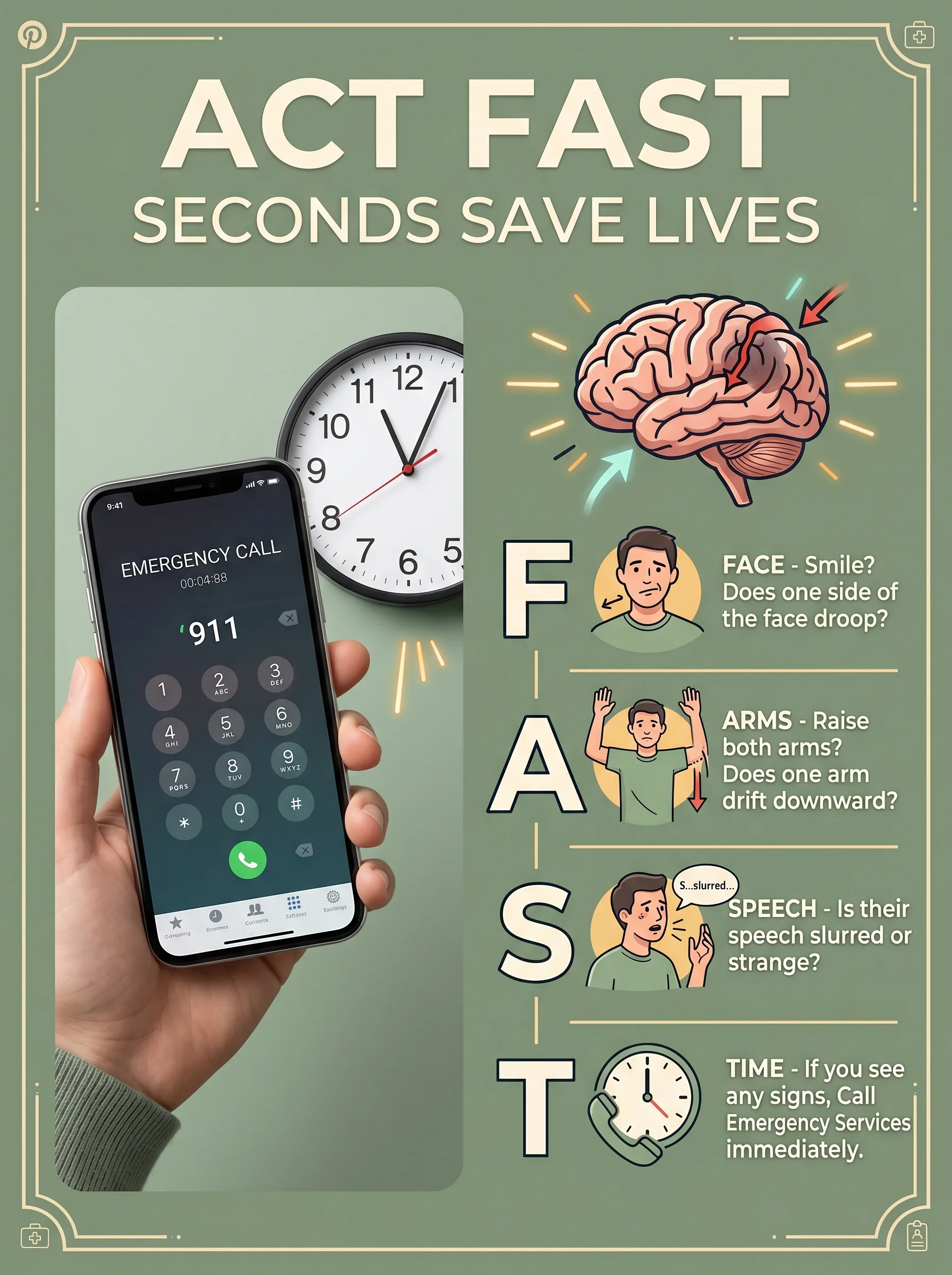
This is the one to memorize. When a stroke is happening, FAST helps you act in seconds. F is Face: ask the person to smile and watch for one side drooping. A is Arm: ask them to raise both arms and see if one drifts down. S is Speech: listen for slurred or strange words. T is Time: if you see any of these, call emergency services immediately and note when symptoms started.
The “month before” signs help you lower your risk over time. FAST is what protects you in the moment, because with a stroke, minutes truly matter.
What should you actually do if you notice any of these signs?
It depends on the sign. Slow-burn ones, like creeping blood pressure, unexplained fatigue, or a string of small neurological hiccups, are your cue to book a doctor’s visit and tackle your risk factors. That is also where steady habits help, from daily habits that keep your heart healthy to understanding food choices and blood-clot risk. None of these replace prescribed medication. They support it.
Sudden signs, like one-sided numbness, slurred speech, a drooping face, or the worst headache of your life, are different. Don’t wait, don’t drive yourself, run the FAST check and call for emergency help right away.
A quiet closing thought
If any of these stroke warning signs ring a bell for you or someone you love, treat it as a conversation to have with a doctor, not a feeling to sleep off. The earlier you listen, the more your body can still be helped. And if you want to stay ahead of the bigger picture, it’s worth knowing the warning signs your heart is in serious danger too, since the heart and brain so often rise and fall together.
If you want more honest, practical notes like this, the newsletter goes out every Friday. You can subscribe if you want them.
Frequently asked questions
What are the warning signs of a stroke a month before it happens?
The one month before stroke warning signs include persistently high blood pressure, unexplained fatigue, sudden vision changes, a severe new headache, one-sided numbness, trouble speaking, and neurological issues like poor balance or memory lapses. A TIA, or mini-stroke, is the strongest early alarm. Any of these deserves a prompt doctor’s visit.
What is a TIA, and how long before a stroke does it happen?
A TIA, or transient ischemic attack, is a mini-stroke from a brief blockage of blood flow to the brain. Symptoms mimic a stroke but pass within minutes to an hour. A TIA can come days, weeks, or up to a month before a major stroke, so even when it clears, see a doctor the same day.
What are the early warning signs of a stroke in women?
Women get the classic signs like one-sided weakness and slurred speech, but the warning signs of stroke for women can also look subtler. Sudden fatigue, weakness, confusion, nausea, hiccups, or simply feeling that something is off are all worth taking seriously, especially with high blood pressure or other risk factors.
What is the FAST test for spotting a stroke?
FAST stands for Face drooping, Arm weakness, Speech difficulty, and Time to call. Ask the person to smile, raise both arms, and repeat a sentence. If their face droops, an arm drifts down, or speech is slurred, call emergency services immediately and note when symptoms started. With stroke, minutes matter.
Can young people have a stroke, and what are the signs?
Yes. Strokes are becoming more common in younger people, partly due to high blood pressure, which doesn’t discriminate by age. The signs are the same: sudden numbness, slurred speech, vision loss, a severe headache, or one-sided weakness. If your blood pressure has been creeping up, treat that as an early warning regardless of age.
Do shower mistakes really raise your stroke risk?
Claims that wetting your head first or using hot or cold water can trigger a stroke are mostly low-evidence and overstated. A temperature shock is not a proven stroke cause for healthy people. The real risk factors are blood pressure, smoking, diabetes, and poor circulation, so focus your attention there.
Share this article