14 foods that prevent blood clots (natural blood thinners)
Sheenam Midha · Health writer
On this page
TL;DR: As we age, blood clots become a real concern (DVT, pulmonary embolism, stroke). These 14 foods that prevent blood clots, from salmon and turmeric to berries, garlic, leafy greens, and a daily glass of water, work as gentle natural blood thinners that help keep blood flowing and platelets from clumping. Simple changes on your plate, real changes in your circulation. If you take a prescription blood thinner, check with your doctor first.
As we age, our bodies undergo various changes, including an increased risk of health issues such as blood clots. Blood clots can be a serious concern, potentially leading to conditions like deep vein thrombosis (DVT), pulmonary embolism, or stroke.
The good news is that some of the most helpful foods that prevent blood clots are probably already in your kitchen. They all start with what we put on our plates. Let’s walk through the clot-busting foods that can quietly support healthier circulation, even as the years add up.
A gentle note before we begin: food works slowly and steadily. These foods support your circulation and act as mild natural blood thinners, but they are not a replacement for prescribed medication or medical care. Think of them as a supportive habit, not a cure.
What foods help prevent or dissolve blood clots naturally?
The short answer: foods rich in omega-3s, antioxidants, and natural anti-inflammatory compounds. Below are 14 of the best foods that prevent blood clots from forming, with simple ways to fit each one into your week. None of them “dissolve” an existing clot on their own, but together they help your blood stay smooth and flowing.
1. Salmon
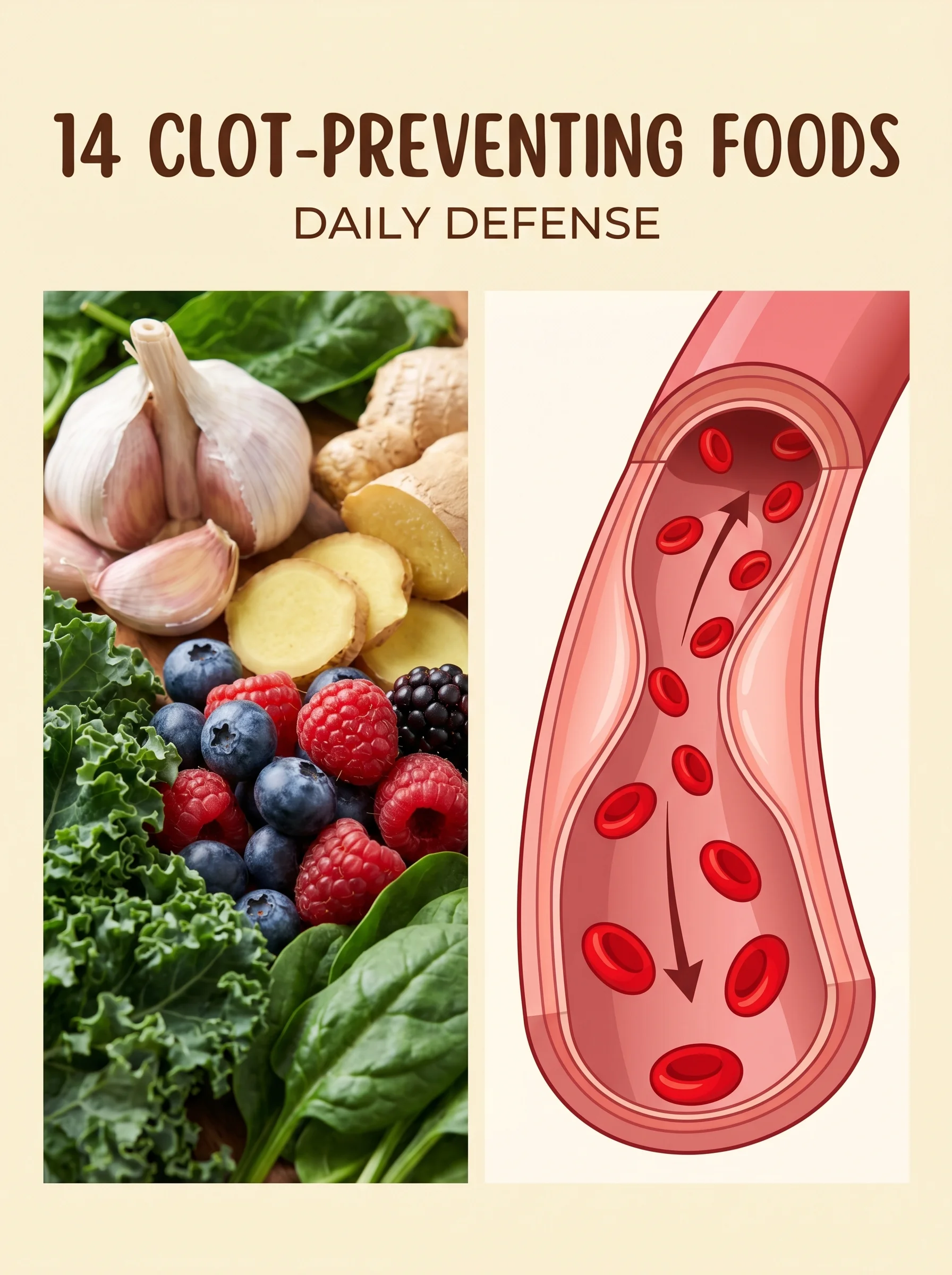
Fatty fish like salmon are rich in omega-3 fatty acids, which have natural anti-clotting properties. Omega-3 helps prevent blood platelets from sticking together, reducing the risk of clot formation. Aim to include salmon or other fatty fish like mackerel and trout in your diet at least twice a week.
2. Turmeric
The active compound in turmeric, curcumin, is well-known for its anti-inflammatory properties. It can help reduce inflammation in blood vessels, making it less likely for clots to form. Consider adding turmeric to your curries, soups, or as a supplement after consulting with a healthcare professional. Turmeric is one of the natural blood thinners that can compound a prescription anticoagulant, so do mention it to your doctor if you take one.
3. Berries
Blueberries, strawberries, and raspberries are rich in antioxidants known as anthocyanins. These antioxidants help improve blood circulation and prevent platelets from clumping together. Enjoy a colorful berry medley as a snack or add them to your morning oatmeal or yogurt.
4. Garlic
Garlic has natural blood-thinning properties and can help lower blood pressure, reducing the risk of clot formation. Include fresh garlic in your meals, or if you’re not a fan of its taste, consider garlic supplements. If you like the idea of garlic for circulation, you might also enjoy a simple garlic water remedy for triglycerides.
5. Leafy greens
Foods like spinach, kale, and Swiss chard are packed with vitamin K, which plays a crucial role in blood clotting. While it may seem counterintuitive, vitamin K helps regulate clotting and can prevent excessive clot formation. Maintain a balance by including these greens in your diet.
One important caveat: if you take warfarin, vitamin K can interfere with how the medication works. You do not have to avoid greens, but keep your intake steady from week to week and let your doctor know your usual habits, so your dose stays right.
6. Nuts
Almonds, walnuts, and pistachios are high in fiber and healthy fats that can improve heart health and reduce the risk of blood clots. Snack on a handful of unsalted nuts or sprinkle them on your salads.
7. Ginger
Ginger contains natural compounds that have blood-thinning effects and can prevent clot formation. Add fresh ginger to your tea, stir-fries, or soups for a flavorful and healthful kick.
8. Olive oil
Extra virgin olive oil is a healthy fat that contains compounds with anti-inflammatory and anti-clotting properties. Use it as a salad dressing or for light sautéing.
9. Water
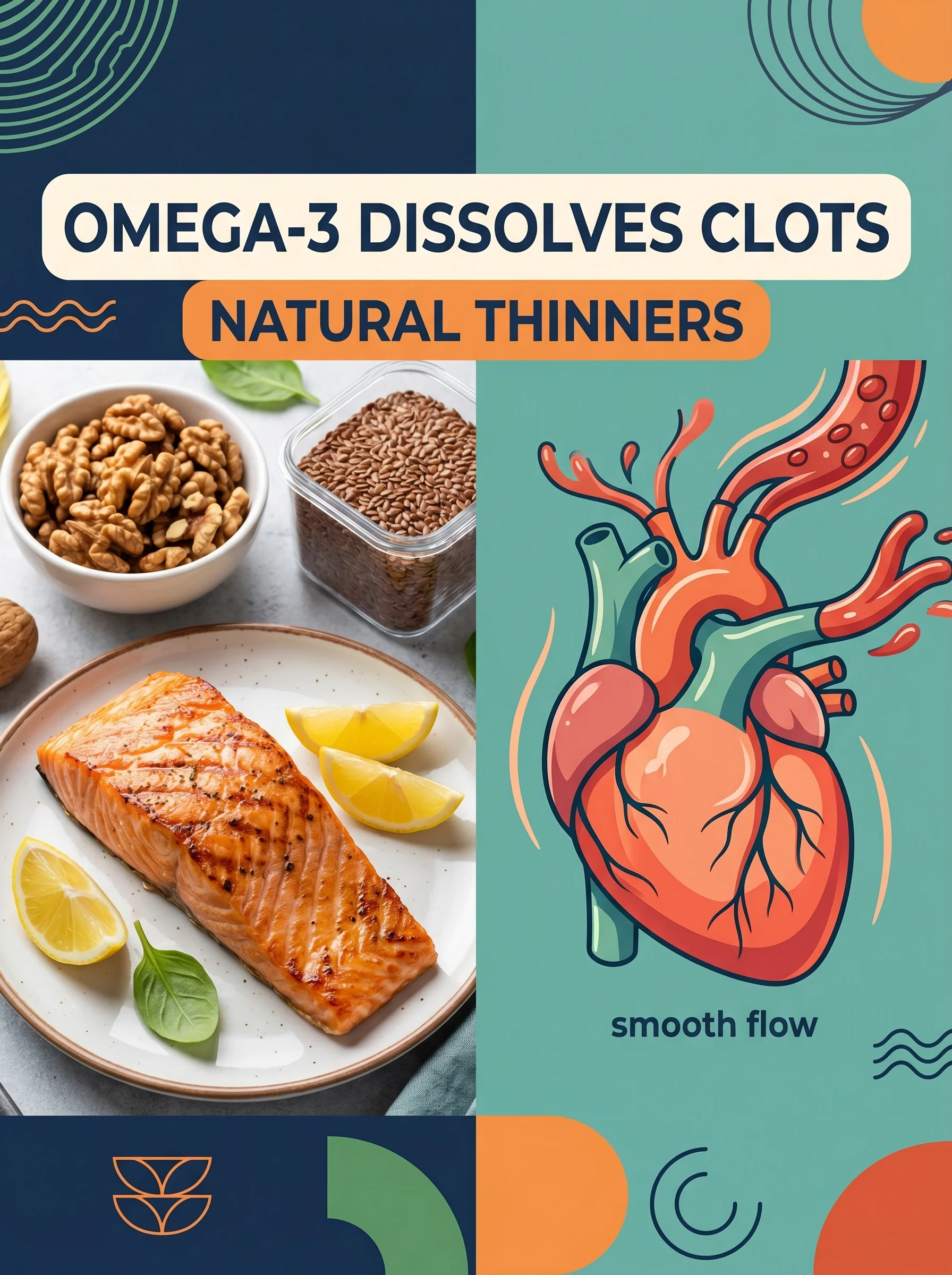
Staying well-hydrated is crucial to prevent the formation of thick, sluggish blood that can lead to clots. Make it a habit to drink plenty of water throughout the day. This is the simplest of all the foods that prevent blood clots, and it costs nothing.
10. Dark chocolate
Dark chocolate with a high cocoa content (70% or more) contains flavonoids that can help improve blood flow and reduce clot formation. Enjoy a small piece of dark chocolate as an occasional treat.
11. Cayenne pepper
Cayenne pepper also contains salicylates, and some people say including it in food can help with blood-thinning. If the warmth appeals to you, here’s more on cayenne pepper as a heart-healing spice.
12. Cassia cinnamon
Cinnamon contains coumarin, a blood-thinning agent. Warfarin, a commonly used blood-thinning drug, is derived from coumarin. Consuming small amounts of cinnamon in the diet may help support the action of other natural blood thinners. Large amounts of cassia cinnamon are not better here, so keep it to the gentle pinch you would use in cooking.
13. Ginkgo biloba
Ginkgo biloba is a popular herbal supplement that people take for blood disorders and memory problems. One laboratory study found that Ginkgo biloba contains compounds that may block thrombin, an enzyme that causes blood clotting. Because it can thin the blood, it is one to clear with your doctor before adding, especially alongside other anticoagulants.
14. Grape seed extract
Some evidence suggests that grape seed extract may benefit people with various heart and blood conditions, including high blood pressure.
What are the best natural blood thinners, and do they actually work?
Omega-3 fish, garlic, ginger, and turmeric are the most talked-about natural blood thinners, and there is real science behind why they help platelets stay calm. The honest answer, though, is that the effect is mild. They support healthy blood flow over time. They do not work as fast or as predictably as a prescription, so they are a helpful add-on, not a swap.
If you want to go deeper on this idea, we have a focused list of anticoagulant foods that help prevent blood clots that pairs nicely with the foods above.
Which foods cause or increase blood clots?
It works both ways. The same plate that can protect you can also work against you. Highly processed foods, high-sodium meals, saturated and trans fats, and a lot of refined sugar all tend to promote inflammation and stickier blood. Cutting back on these often matters as much as adding the good stuff. If you want the full picture, here are the foods that cause blood clots and stiffen your arteries.
Can foods or drinks really clean or unclog your arteries?
You have probably seen the viral videos promising that one glass of juice a day will “unclog your arteries” or “dissolve clots.” Here’s the gentle truth: no single drink melts away existing plaque. Diet can slow the progression of plaque and support healthier circulation, but it does not reverse hardened arteries on its own, and it is never a substitute for statins or medical care.
That doesn’t mean those drinks are useless. Something like celery and beet juice may support circulation and blood pressure as part of a balanced routine. The same goes for trending supplements like NAC: think “may support,” not “cure.” Enjoy them for what they are, and keep your expectations kind and realistic.
The takeaway
As we age, taking proactive steps to maintain our health becomes increasingly vital. Choosing foods that prevent blood clots is a wise, gentle way to look after your circulation. By incorporating these clot-busting foods into your daily meals, you can support healthier blood flow and your overall well-being. Pairing them with simple daily habits that keep your heart healthy makes the effort go even further.
Always check with your doctor before changing your diet if you’re on blood thinners or managing chronic conditions, since natural blood thinners can add up with your medication. If posts like this are your speed, the newsletter goes out every Friday with more of them.
Frequently asked questions
What foods help prevent or dissolve blood clots naturally?
Foods rich in omega-3s, antioxidants, and anti-inflammatory compounds help most. Salmon, turmeric, garlic, ginger, berries, leafy greens, nuts, and plenty of water all support smooth blood flow. No food truly dissolves an existing clot, but together these foods that prevent blood clots help platelets stay calm over time.
What are the best natural blood thinners, and do they actually work?
Omega-3 fish, garlic, ginger, and turmeric are the most studied natural blood thinners. They have a real but mild effect, gently helping platelets resist clumping. They work slowly and unpredictably compared with prescription medication, so treat them as a supportive habit rather than a replacement for a drug your doctor prescribed.
Which foods cause or increase blood clots?
Highly processed foods, high-sodium meals, saturated and trans fats, and lots of refined sugar tend to raise inflammation and make blood stickier. Cutting back on these can matter as much as adding protective foods. A diet built around whole foods, healthy fats, and produce naturally tilts you toward better circulation.
Can a drink really unclog your arteries or dissolve a clot?
No single drink melts existing plaque or dissolves a clot, despite viral claims. Diet can slow plaque buildup and support circulation, but it does not reverse hardened arteries on its own. Treat artery-cleanse juices and supplements as gentle support, never as a substitute for statins or medical care.
Why does vitamin K in leafy greens matter for clotting?
Vitamin K helps regulate clotting, so spinach, kale, and Swiss chard support healthy balance rather than excess. If you take warfarin, keep your greens steady from week to week instead of avoiding them, and tell your doctor your usual habits so your dose stays correct.
Do I need to stop these foods if I take a blood thinner?
Not usually, but talk to your doctor first. Garlic, fish oil, turmeric, ginger, and ginkgo can compound a prescription anticoagulant, and vitamin-K greens interact with warfarin. Never stop your medication. Your doctor can help you enjoy these foods safely and keep everything in balance.
Share this article