8 foods that cause blood clots and stiffen your arteries
Sheenam Midha · Health writer
On this page
TL;DR: Blood clots can build up quietly in your arteries and set the stage for heart attacks and strokes. Eight everyday foods that cause blood clots, from white bread to vegetable oils, feed that inflammation when you eat them too often. Swap them for whole grains, olive oil, and homemade versions, and your arteries get a real break.
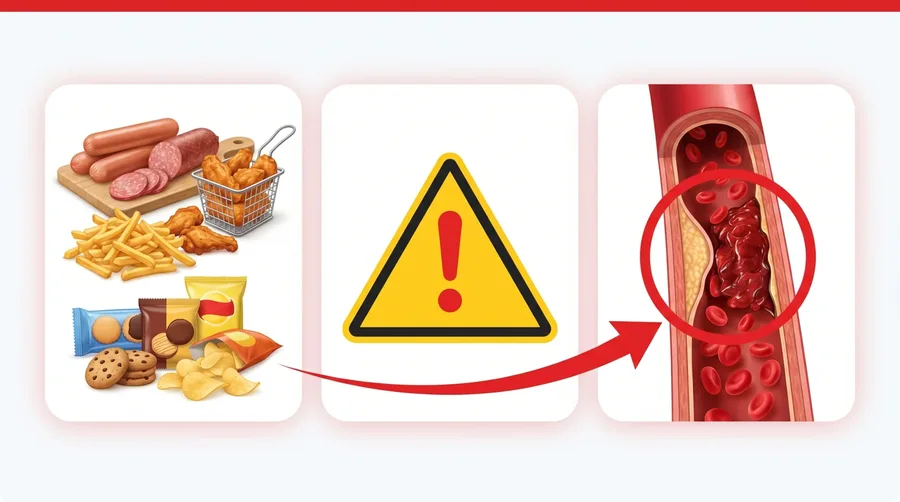
Blood clots can silently build up in your arteries and lead to life-threatening conditions like heart attacks and strokes. The foods that cause blood clots are often the ones you eat every single day without giving them a second thought. Today we’re going to talk about the 8 worst foods that quietly raise your clot risk, the ones most people think they eat only once in a while but often end up eating almost daily without noticing.
When you eat them too often, they cause inflammation in your body. This is like having a sore inside your body that doesn’t heal, which can make your arteries stiff, narrow, and more likely to form clots. None of these foods is poison, and one slice of cake won’t hurt you. It’s the everyday frequency that does the damage. Let’s jump straight into it and reveal the foods that are quietly putting your cardiovascular health at risk.
1. White bread and toasted bread
Let’s start with bread, especially white bread and toasted bread. That toast you love for breakfast? It’s not doing your arteries any favors. White bread is made from refined flour, which lacks nutrition and causes your blood sugar to spike quickly. This forces your body to release a lot of insulin, and too much insulin over time can trigger inflammation inside your arteries.
When you toast bread, it becomes even worse. Toasting produces a chemical called acrylamide, which can damage your arteries and make them less flexible, nudging up the chances of blood clots. If you love bread, switch to whole grain or sourdough, and try not to toast it until it’s dark. A lightly browned slice is gentler than a deeply charred one.
2. Sugary drinks like soda and juice
Next, let’s talk about sugary drinks, like soda and even some fruit juices. These drinks are loaded with sugar, and when you drink them, your body pumps out a lot of insulin. Over time, this can lead to insulin resistance, where your body stops responding to insulin properly, which keeps your arteries in a low-grade inflamed state.
Most people don’t realize how much sugar they’re drinking when they have soda or sweetened juice. Just one can of soda can hold more sugar than you should have in an entire day. These drinks often contain high fructose corn syrup, which is even harder on your arteries than regular sugar. To keep your blood flowing smoothly, stick to water, herbal tea, or unsweetened drinks instead. If plain water feels boring, an aloe and ginger infusion is a gentle, naturally sweet-free swap.
3. Ice cream
You may love ice cream, but it’s one of the harder foods on your arteries. Store-bought ice cream is packed with sugar and unhealthy fats. Eating too much sugar forces your body to produce more insulin, which leads to inflammation. Over time, this can contribute to artery blockages and raise your risk of blood clots.
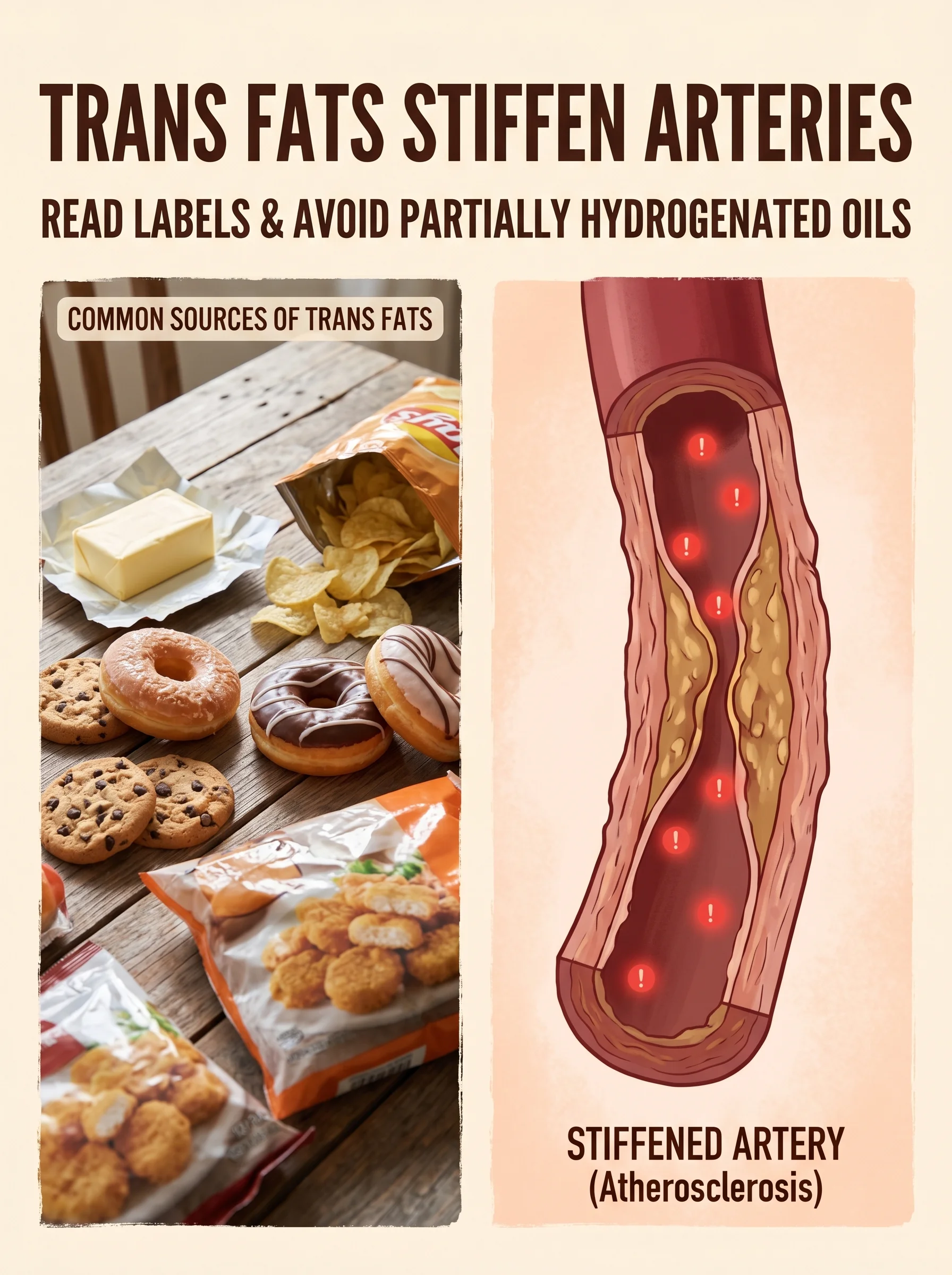
Many ice creams also contain trans fats, which are especially harmful because they raise the bad cholesterol (LDL) in your blood. This cholesterol sticks to your artery walls and causes damage. If you love ice cream, try making your own at home with healthier ingredients like coconut milk and natural sweeteners such as stevia or monk fruit. It scratches the same itch without the trans fats.
4. Margarine
For years, people thought margarine was healthier than butter, but that’s far from the truth. Margarine is made from vegetable oils that are turned into solid fat through a process called hydrogenation, which creates trans fats. These fats are some of the strongest dietary drivers of clotting we know of.
Trans fats raise your bad cholesterol (LDL) and lower your good cholesterol (HDL). This imbalance fuels inflammation in your arteries, making them stiff and more likely to form clots. If you’re looking for a better option, use butter, ghee, or olive oil. Many newer spreads are trans-fat-free, so check the label, but whole fats like olive oil are still the safer everyday choice.
5. Alcohol
Let’s talk about alcohol. While having a drink occasionally might not hurt, drinking too much alcohol regularly can seriously damage your arteries. Alcohol raises levels of C-reactive protein (CRP) in your blood, which is a marker of inflammation. When your arteries are inflamed, blood clots can form more easily.
Excessive alcohol can also raise your blood pressure, cause irregular heartbeats, and strain your liver. The liver plays a key role in controlling your cholesterol and regulating blood clotting, so it matters more than people think. You may have seen viral claims that “one drink a day opens blocked arteries.” That’s wishful thinking, no drink melts existing plaque. The honest advice is moderation: if you drink, keep it to small amounts.
6. Fast food
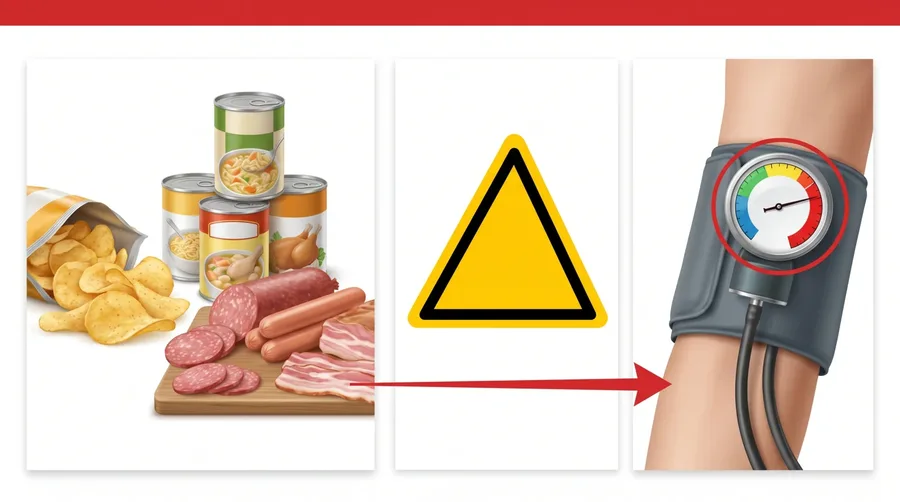
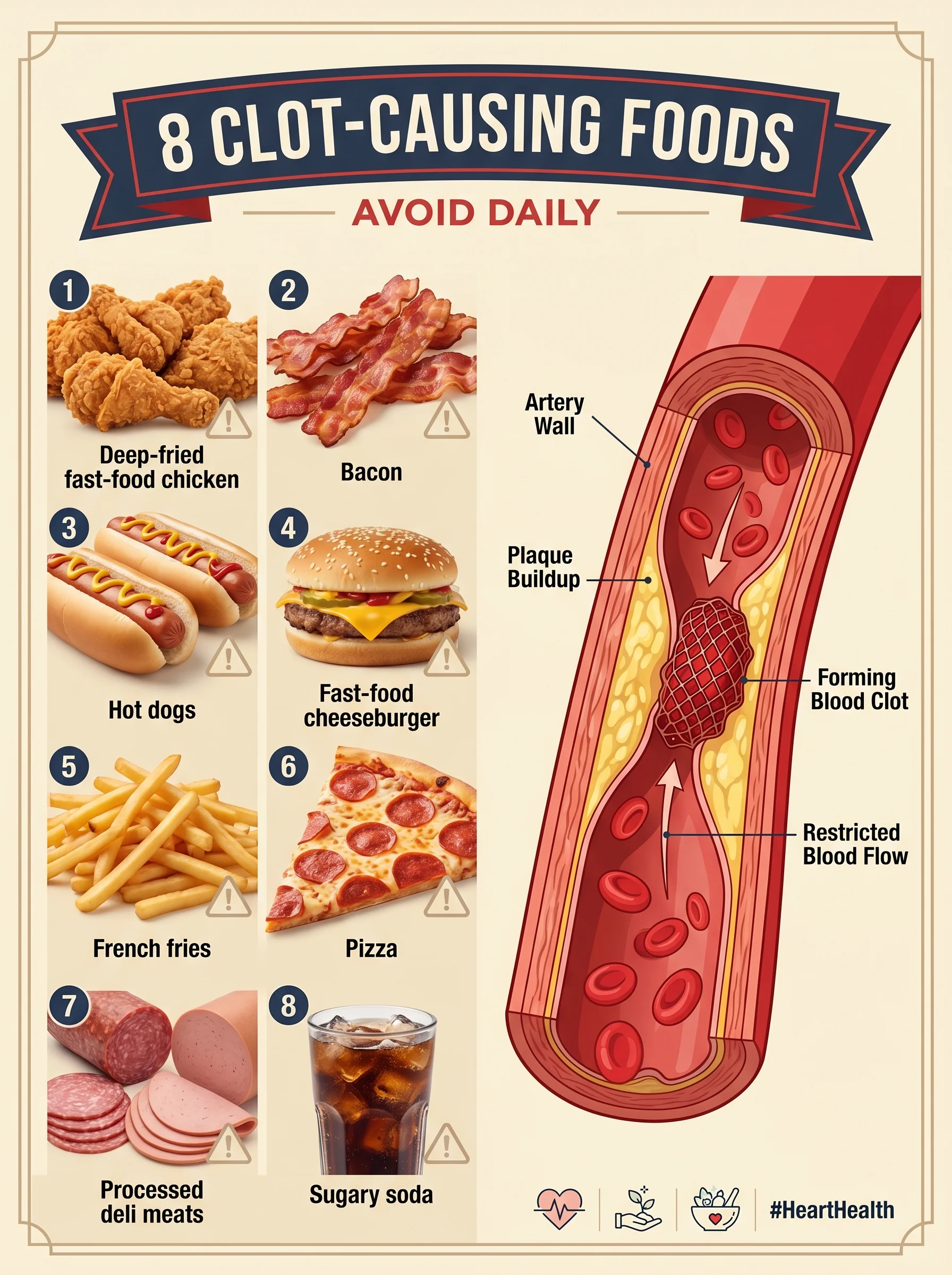
It’s no surprise that fast food is rough on your arteries. Fast food is full of refined carbs, trans fats, and sodium (salt). These ingredients spike your blood pressure, push you toward insulin resistance, and trigger inflammation, all of which add up to a higher risk of blood clots.
Think about a typical fast-food meal: a burger, fries, and a soda. The burger is often made from processed meat loaded with sodium and preservatives, the fries are cooked in unhealthy vegetable oils, and the soda is full of sugar. Together, they’re a perfect storm for your arteries. If salt is your weak spot, it’s worth knowing the other foods that raise blood pressure too. When you’re craving something quick, try homemade burgers and baked fries with better ingredients instead.
7. Cookies and packaged baked goods
Those cookies and packaged cakes may look tempting, but they’re hard on your arteries. Most of these treats are made with refined flour, sugar, and trans fats. That combination is a recipe for trouble when it comes to heart health.
Packaged baked goods also contain preservatives, artificial colors, and flavors, all of which can add to inflammation in your body. Research suggests these additives can upset your gut health, and gut inflammation tends to spill over into your arteries. If you love sweets, try baking your own treats at home using almond flour, coconut flour, and natural sweeteners. Your arteries will be much happier.
8. Vegetable oils
Finally, let’s discuss vegetable oils. You might think that cooking with oils like canola, soybean, or corn oil is healthy, but these oils are high in omega-6 fatty acids. While some omega-6 is essential, far too much of it, with very little omega-3 to balance it, can tip your body toward inflammation.
The real problem is that many processed foods and restaurant meals are cooked with these oils because they’re cheap and easy to use. When these oils are heated again and again, they break down and oxidize, which damages your arteries and encourages plaque buildup. Instead, switch to cooking with olive oil, coconut oil, or avocado oil. These are much kinder to your heart.
The foods that cause blood clots, and what to eat instead
So that’s it, the 8 worst foods that cause blood clots and stiffen your arteries. It’s not about cutting them out completely. It’s about eating them less often and making the better choice most days. Small, steady swaps protect your arteries far more than any one dramatic detox.
The good news is that food works both ways. While some dietary patterns may nudge clot risk up, others support cardiovascular health. Our guide to food choices and blood-clot risk covers ingredients such as garlic, ginger, and turmeric along with important cautions. If you take a prescription blood thinner like warfarin, talk to your doctor before making major dietary changes. Never stop a prescribed medication on your own.
If you want more pieces like this, the newsletter lands in your inbox every Friday with a handful of good links and one tiny essay. That’s the only bell you have to ring.
Frequently asked questions
Which foods cause blood clots the most?
The biggest offenders are foods high in trans fats and refined sugar: margarine, store-bought ice cream, cookies, fast food, and sugary drinks. They drive inflammation that stiffens your arteries and makes clots easier to form. It’s the everyday frequency, not the occasional treat, that does the harm.
Do I need to cut these foods out completely?
No. It’s not about cutting these foods out completely, it’s about eating them less often and making better choices most days. Many people eat them almost every day without noticing, and that steady frequency is what quietly drives the inflammation behind blood clots.
Can any food or drink really unclog or clean my arteries?
Not the way viral videos promise. No single drink, juice, or supplement melts away existing plaque. A heart-smart diet can slow the buildup and support healthy blood flow over time, but it works alongside medical care, never as a replacement for it. Be wary of “clean your arteries overnight” claims.
Why is toasted bread worse than plain white bread?
Toasting bread produces a chemical called acrylamide, which can damage your arteries and make them less flexible, raising the chance of blood clots. White bread is already a problem because it spikes blood sugar and insulin, and toasting it dark simply adds acrylamide on top of that.
Is margarine really worse than butter?
Often, yes. Margarine is traditionally made from vegetable oils hardened through hydrogenation, which creates trans fats that raise LDL, lower HDL, and inflame your arteries. Some modern spreads are trans-fat-free, so read the label, but whole fats like olive oil, ghee, or butter are still the safer everyday pick.
Are natural blood thinners safe to take with my medication?
Not always. Garlic, ginger, turmeric, fish oil, and vitamin E can thin your blood, and vitamin-K-rich greens can interfere with warfarin. If you’re on a prescription anticoagulant, these foods may push your levels too far in either direction. Always check with your doctor first, and never stop your medication on your own.
Share this article