Aloe vera and ginger benefits: a gentle drink for gut, cholesterol, and weight
Sheenam Midha · Health writer

On this page
TL;DR: The aloe vera and ginger benefits people chase most show up in one simple morning infusion. Aloe calms and heals the gut. Ginger fires up metabolism and acts as a natural analgesic. Together they make a gentle, homemade drink worth trying for gastric issues, weight, everyday aches, and bad cholesterol. It is a supportive routine, not a cure, and not a replacement for any medicine you take.
The aloe vera and ginger benefits start with what each plant does on its own. Aloe vera gel is refreshing and helps with itchiness and constipation, supports healing, improves digestion, keeps the body hydrated, and is anti-inflammatory. Ginger works mainly on weight, boosting the metabolism, relaxing the gastrointestinal system, and easing nausea and vomiting. It is antioxidant and anti-inflammatory too, which is why it shows up in so much research on gut and stomach comfort.
You may have heard about aloe juice on its own. An aloe and ginger infusion can be an alternative for soothing gastric issues and gently supporting the body, alongside lowering bad cholesterol and helping with weight. Here are the main benefits, the honest limits, and the exact recipe at the end.
What are the benefits of aloe vera and ginger together?
On their own each plant is useful. Together they cover more ground. The benefits of aloe vera and ginger in a warm infusion stack up like this: aloe calms the stomach lining while ginger eases nausea and stiffness, and both bring anti-inflammatory support to the same cup. That is why so many people keep this drink as a quiet morning habit rather than a one-off remedy.
Can the aloe and ginger infusion really help with weight loss?
It can gently support it. Aloe and ginger together help the body feel less sluggish, since the combination supports digestion and acts as a mild natural laxative. Ginger also gives metabolism a small nudge. None of this melts fat on its own, so think of the drink as one helpful habit beside good food and movement, not a shortcut. If you like the idea of a simple morning reset, this simple morning routine for a stuck gut pairs well with the same gentle approach.
Why is it good for women’s health?
This infusion helps with weight, supports metabolism, and can ease both hot flashes and the sensation of cold hands and feet. That makes it especially welcome during the kinds of hormonal shifts where temperature swings and a slower metabolism tend to show up together. It is a comforting drink to keep nearby on the harder days.
Is aloe and ginger good for gastritis?
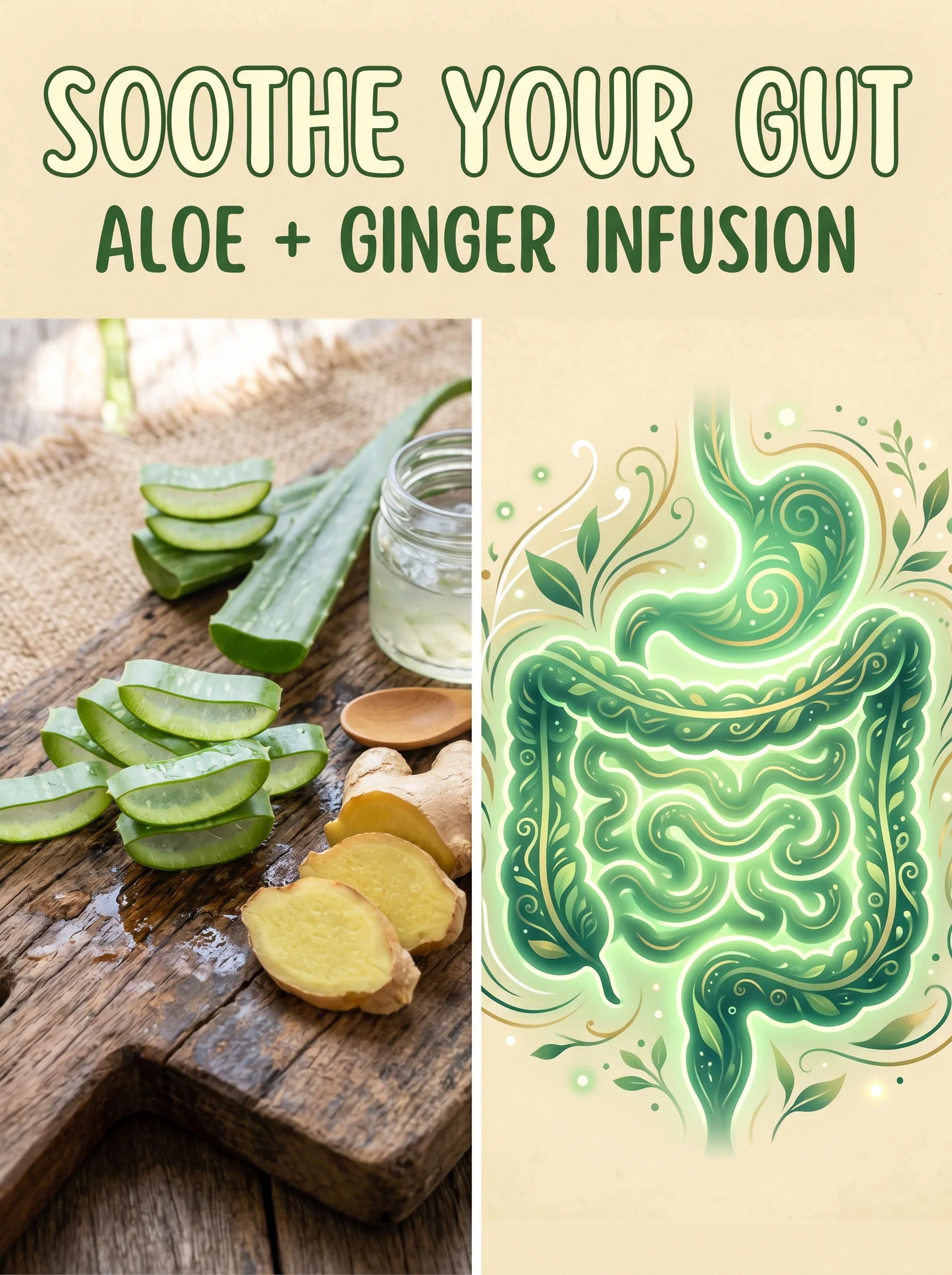
Aloe vera is a gentle anti-inflammatory that helps soothe and regenerate tissue, especially in the gastric mucosa. Ginger, for its part, may help discourage the growth of Helicobacter pylori, the bacteria often behind gastritis.
That is part of why people reach for this infusion when their stomach feels raw. It can ease the inflammation of the stomach lining and help calm the discomfort, nausea, and general malaise that come with gastritis. If your symptoms are persistent or severe, please see a doctor rather than relying on the drink alone, and never stop a prescribed treatment to try it.
Does aloe vera and ginger act as a natural analgesic?
Ginger, combined with aloe, can help take the edge off everyday discomforts like muscle aches, headaches, period cramps, and the heavy ache that comes with varicose veins. Ginger is often described as a natural analgesic, and aloe vera adds anti-inflammatory support for the same sore spots. For joint pain in particular, you might also like this gentler look at an ancient resin for knee pain and inflammation.
Does aloe vera and ginger help lower cholesterol?
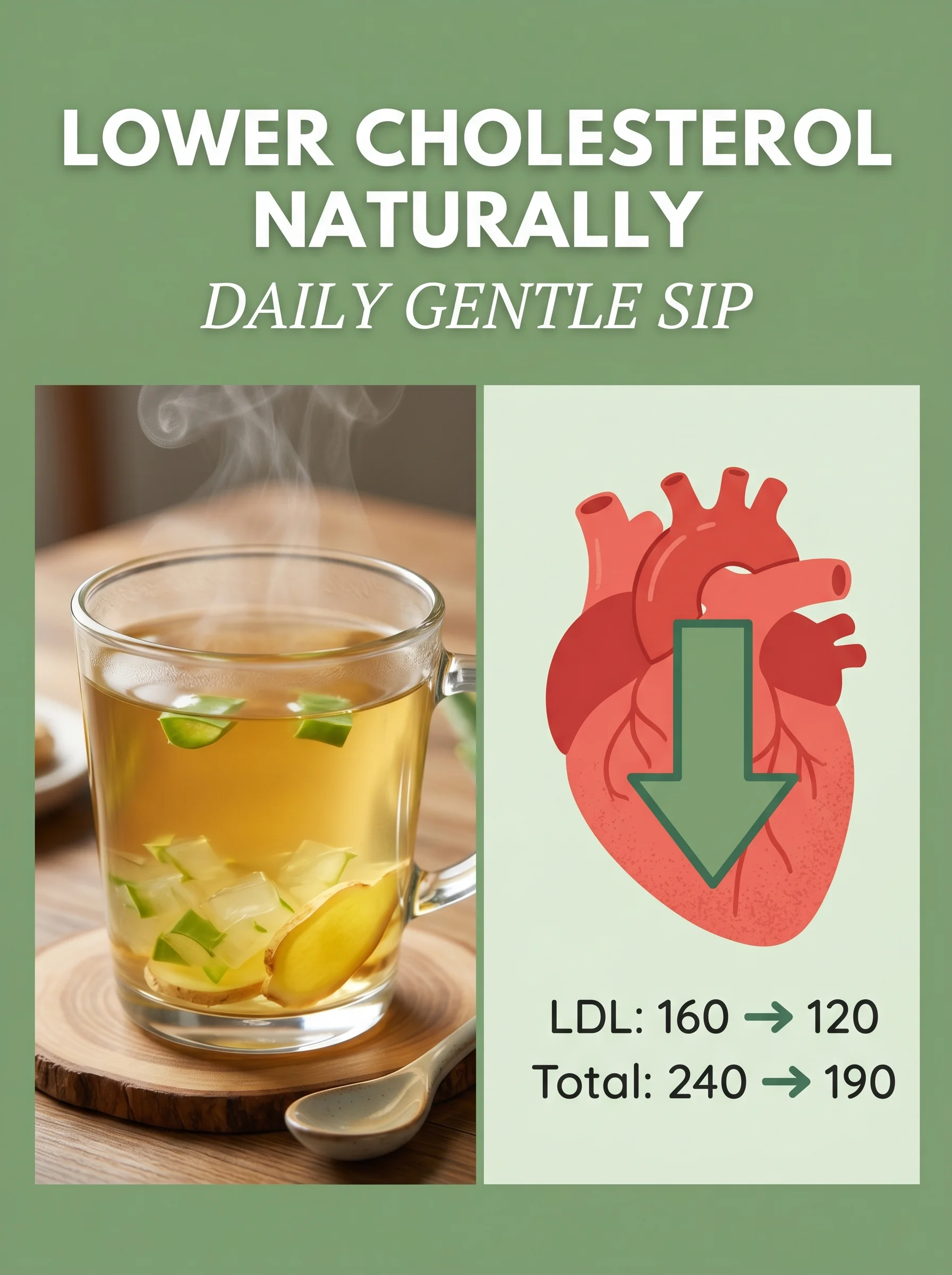
Recent research suggests both plants may have a small, supportive effect on triglycerides and bad cholesterol (LDL). It is a quiet bonus on top of the gut and pain support, not a substitute for cholesterol medicine. If lowering your numbers is the goal, this drink fits nicely alongside other gentle habits, like the ones in this juice to lower cholesterol and triglycerides and the steady comfort of a black tea that is good for your gut and heart.
Can you add lemon, honey, or turmeric?
Yes, and a lot of people do. A squeeze of lemon brightens the flavor and adds a little vitamin C, which is where the popular aloe vera ginger lemon benefits come from. A spoon of honey softens the bite of the ginger, so the aloe vera ginger and honey version is the easiest to actually enjoy first thing in the morning. A pinch of turmeric layers in a bit more anti-inflammatory warmth. Keep additions small. The goal is a drink you look forward to, not a crowded cup.
You may have seen viral posts calling aloe and ginger a “natural bomb 150 times stronger than garlic” that destroys all bacteria. That is hype, not science. This is a soothing, supportive drink, and treating it as a miracle cure does it a disservice.
How to make aloe and ginger infusion at home
Write down the ingredients:
- ½ spoon freshly grated ginger (0.09 ounces)
- 1 spoon aloe vera gel (0.52 ounces)
- 1 cup water (6.75 ounces)
- 1 spoon honey (0.26 ounces)
First of all, never consume more than 0.10 ounces of ginger a day. In excess, it may cause undesired side effects. Now, bring the water to a boil. Once it boils, add the freshly grated ginger and aloe (the translucent gel inside the aloe leaves). Let it simmer for 15 minutes, then let it sit for another 10. Strain to remove any solids. Sweeten your infusion with honey and drink in the morning while fasting.
If you are hypertensive or have Crohn’s disease or gallstones, ginger isn’t recommended for you. Aloe vera is only a problem when consumed in excess. This recipe stays within the ideal dose. If you take any prescribed medication, especially for blood pressure, blood thinning, or blood sugar, check with your doctor before making this a daily habit.
A gentle closing thought
Try it and see how your body responds. If simple, quiet routines like this are the kind of thing you want more of, the newsletter goes out every Friday with a handful of good links and one small essay.
Frequently asked questions
What are the benefits of aloe vera and ginger?
Together, aloe vera and ginger benefits include a calmer gut, gentle support for gastritis, a small metabolism nudge for weight, everyday pain and nausea relief, and mild support for lower cholesterol. Aloe soothes the stomach lining while ginger eases stiffness and inflammation. Think supportive habit, not cure.
When should I drink the aloe and ginger infusion?
Drink it in the morning while fasting. That is when aloe’s calming effect on the gastric mucosa and ginger’s metabolism boost tend to land best. Sip it slowly while it is still warm, and keep it to one cup a day so you stay within the safe ginger limit.
How much ginger is too much?
Never consume more than 0.10 ounces of ginger a day. In excess, it may cause undesired side effects like heartburn or an upset stomach. The recipe above stays well inside that limit, which is part of why a single measured cup is the safest way to enjoy it.
Who should avoid this infusion?
If you are hypertensive, pregnant, breastfeeding, or have Crohn’s disease or gallstones, ginger isn’t recommended for you. Aloe vera is only risky when consumed in excess. Anyone on blood pressure, blood thinning, or blood sugar medication should check with a doctor first, and never stop a prescription to try this drink.
Can I add lemon or turmeric to aloe and ginger?
Yes. A squeeze of lemon adds brightness and a little vitamin C, honey softens the ginger, and a pinch of turmeric brings extra anti-inflammatory warmth. These are the popular aloe vera ginger lemon and turmeric variations. Keep each addition small so the drink stays gentle and easy to sip.
Does aloe and ginger actually help lower cholesterol?
Recent research suggests it may offer modest support for triglycerides and bad cholesterol (LDL), alongside its gut and weight benefits. It is a helpful habit, not a treatment. If your cholesterol is high, use this drink beside, not instead of, the plan your doctor has given you.
Share this article