Saltwater flush for constipation: a simple morning routine for a stuck gut
Sheenam Midha · Health writer
On this page
TL;DR: A saltwater flush for constipation is a simple home remedy for an occasional irregular gut. Mix 2 teaspoons of unrefined sea salt (sea salt or Himalayan) in 1 cup of warm water, drink it on an empty stomach in the morning, and stay near a bathroom. It is a one-off reset, not a daily habit. Skip it entirely if you have high blood pressure, kidney disease, heart disease, or a digestive condition. Always talk to your doctor first.
Our intestines say a lot about how we feel day to day. When things move along nicely, the rest of us tends to follow. But when you are backed up, everything feels heavier. A saltwater flush for constipation is one of the older, simpler resets people reach for when they want a stuck gut to get moving again.
What is a saltwater flush, and how does it work?
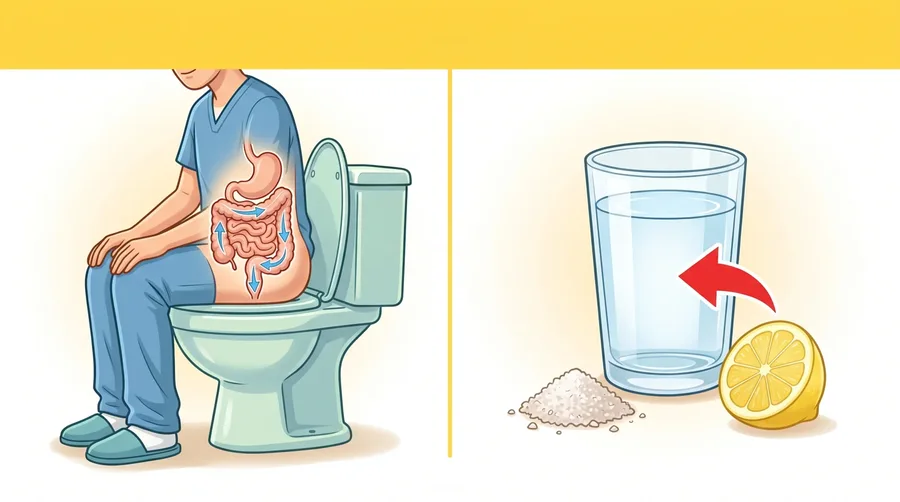
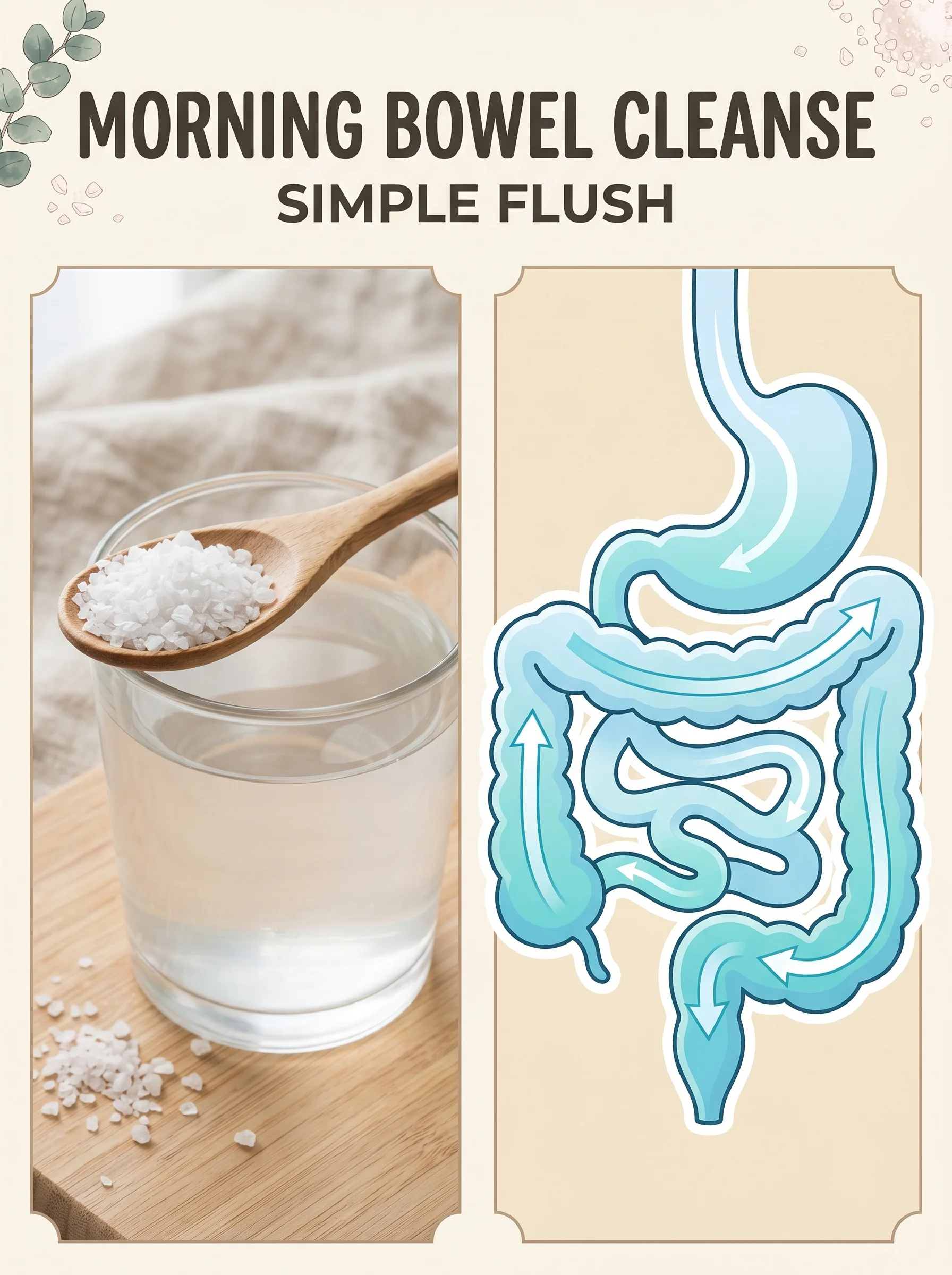
A saltwater flush is a cup of warm water with unrefined sea salt stirred in, drunk quickly on an empty stomach. The salty water is not absorbed the way plain water is, so it pulls fluid into your intestines and gently pushes everything toward the exit. Many people first heard of it as part of the “master cleanse,” but you do not need a whole cleanse program to try it for an off morning.
People reach for it during a bout of constipation, bloating, or irregular bowel activity. It is not a cure for anything, and it is not a detox miracle. Think of it as a one-time nudge, not a treatment.
Why sea salt specifically, and not table salt?
Unrefined sea salt or Himalayan salt is the usual choice because it carries trace minerals alongside the sodium, which people feel is a little gentler on the body than plain refined table salt. If you are curious about salt beyond the kitchen, there are plenty of other everyday uses for coarse salt worth knowing too.
That said, the mineral story gets oversold online. The real reason the flush works is the salt and water together, not magic minerals. The flush still loads your body with a lot of sodium at once, which is exactly why it is not for everyone.
How to do a saltwater flush correctly
The recipe people use is simple. Here is the standard version.
- Use 2 teaspoons of unrefined sea salt (sea salt or Himalayan).
- Stir it into 1 cup (about 8 ounces) of warm water until it dissolves.
- Drink it all at once, first thing in the morning, on an empty stomach.
- Stay home and near a bathroom for the next hour or two.
The empty stomach and the drink-it-quickly part are what make it work. Sipping it slowly over an hour tends to do less.
How fast does a saltwater flush work?
For most people, a saltwater flush works within about 30 minutes to an hour, and sometimes much sooner. You may need to go more than once, so do not plan it before a commute or a meeting. If nothing happens at all, that is your sign to stop and not to keep drinking more salt water chasing a result.
Stay near the bathroom, give it an hour, and treat it as a one-time reset rather than something to repeat back to back.
Is a saltwater flush safe, and who should never do one?
This is the part that matters most. A saltwater flush is generally low-risk as a rare, one-off thing for a healthy adult, but recent guidance from medical sources is clear that it can be genuinely dangerous for some people because of the sodium load.
Do not try a saltwater flush if you have any of the following, even if you feel fine otherwise:
- High blood pressure or you take blood pressure medication. If you are watching your numbers, read our notes on hypertension warning signs instead.
- Kidney disease or any kidney concerns.
- Heart disease or a history of heart problems.
- A digestive condition such as IBD, ulcers, or frequent diarrhea.
- You are pregnant, or you are on a sodium-restricted diet.
Never stop a prescribed medication to try this. If you are unsure where you stand, that uncertainty alone is a good reason to ask your doctor before you reach for the salt jar.
What if the saltwater flush is not working?
If your saltwater flush is not working, the kindest move is to stop, not to double the salt. Repeated flushes can throw off your fluid and electrolyte balance, and that is not worth it for an occasional slow morning. For lasting regularity, the boring stuff genuinely works better than any flush.
Build the basics first: more water through the day, more fiber on the plate, and a bit of movement. If salads feel like a chore, it is easy to get more vegetables in through juices and soups. A warm, soothing drink like an aloe and ginger infusion can be a gentler everyday option for a sluggish gut.
And if your constipation is new, persistent, or comes with bleeding or unexplained weight loss, do not flush it away. Please get it checked, and learn the colon cancer warning signs worth knowing, just so you can rule out anything serious early.

A gentle closing thought
Intestinal health is rarely dramatic, but it is loud when something is off. A saltwater flush for constipation is one of those simple, old-fashioned resets, and it can have its place for the occasional stuck morning. Use it rarely, skip it if you are in any of the at-risk groups, talk to a doctor first, and lean on fiber and water for the long run. If you like these kitchen-pantry remedies, the newsletter lands every Friday with more.
Frequently asked questions
How do you do a saltwater flush correctly?
Stir 2 teaspoons of unrefined sea salt (sea salt or Himalayan) into 1 cup of warm water until it dissolves. Drink it all at once, first thing in the morning on an empty stomach, then stay near a bathroom. The empty stomach and quick drinking are what make it work.
How fast does a saltwater flush work?
Most people feel a saltwater flush work within about 30 minutes to an hour, and sometimes sooner. You may need the toilet more than once, so do it on a free morning at home. If nothing happens, stop rather than drinking more salt water.
Is a saltwater flush safe, and who should never do one?
For a healthy adult, a rare one-off flush is generally low risk. But never try it if you have high blood pressure, kidney disease, heart disease, a digestive condition, or you are pregnant. The sodium load can be dangerous for these groups, so check with your doctor first.
How often can you do a saltwater flush?
A saltwater flush is meant as a one-off reset, not a daily or weekly habit. Doing it repeatedly can upset your fluid and electrolyte balance. If constipation keeps returning, work on fiber, water, and movement instead, and see a doctor if it persists.
What should I do if my saltwater flush is not working?
Stop and do not add more salt. If it has not worked, drinking more salt water only adds risk without helping. Focus instead on hydration, fiber-rich foods, and gentle activity for lasting regularity, and get persistent constipation checked by a professional.
Why sea salt instead of regular table salt?
Unrefined sea salt or Himalayan salt is preferred because it carries trace minerals along with the sodium, which feels a little gentler than refined table salt. The mineral benefit is modest, though. The salt and warm water together are what actually move things along.
Share this article