Black tea benefits: why it's good for your gut and your heart
Sheenam Midha · Health writer
On this page
TL;DR: Besides water and coffee, black tea is one of the most consumed drinks in the world. The black tea benefits are real and quietly wide-ranging: antioxidants, lower LDL cholesterol and blood pressure, reduced stroke risk, and healthier gut microbiota linked to lower rates of type 2 diabetes, heart disease, obesity and even cancer. The biggest effects tend to show up in people who drink it daily, not as a one-off cure.
Besides water and coffee, black tea is one of the most consumed drinks in the world. A cup of hot tea brings comfort, especially when the temperatures are low. The benefits of green tea are well-known, but the black tea benefits deserve the same attention. Recent research suggests black tea supports weight management, heart health, and a healthier gut microbiota.
Most of the good comes from antioxidants and plant compounds called polyphenols and flavonoids, which gently calm inflammation in the body. Black tea has antioxidant properties, is kind to the heart, helps lower LDL cholesterol and blood pressure, and supports the gut, which is the part we will spend the most time on here.
What are the main black tea benefits?
The main benefits of drinking black tea cluster around three areas: your blood vessels, your cholesterol, and your gut. Its polyphenols act as antioxidants, support healthy blood pressure, and may lower LDL cholesterol. They also feed the good bacteria in your gut, and a healthier microbiota is tied to lower rates of type 2 diabetes, cardiovascular disease, obesity and cancer.
None of this makes black tea a medicine. Think of it as a small, friendly daily habit that nudges things in the right direction, alongside the rest of your meals and movement. If you are working on your numbers, it pairs well with the daily habits that keep your heart healthy.

Is black tea good for your gut and cholesterol?
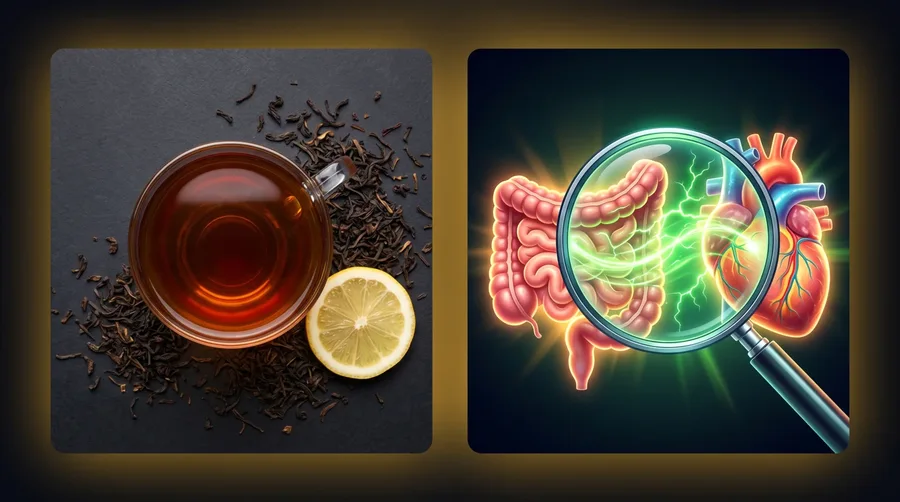
Yes, and this is where black tea quietly shines. The types of bacteria in your intestine play a role in your risk of type 2 diabetes, cardiovascular disease, obesity, and even cancer. Black tea benefits your gut by feeding the helpful microbes and crowding out the less helpful ones.
A study from the University of California, published in the European Journal of Nutrition, found that black tea improves gut microbiota and intestinal function. The author, Susanne Henning, explains that each of us hosts trillions of microorganisms, the gut microbiota, which live throughout our gastrointestinal tract. A 2025 review of black tea clinical trials points in the same direction, suggesting modest but real support for cholesterol and gut health when tea is part of an everyday routine.
On the cholesterol side, the polyphenols appear to help nudge LDL down over time. If lowering cholesterol is your goal, black tea sits comfortably next to other gentle options like carrot juice for cholesterol.
What is gut microbiota, really?
Microbiota is a diverse ecological community of microorganisms, usually a mix of beneficial and potentially harmful bacteria. The human intestine houses more than 100 trillion of them.

These colonies start living in our intestines as soon as we are born. They are essential for the healthy development of our immune system and for several neurobiological and physiological functions. Feeding them well, with fiber, variety, and yes, the odd cup of tea, is one of the simplest things you can do for long-term health.
How many cups of black tea should you drink a day?
Studies in the Netherlands, Saudi Arabia, and Western Australia suggest that drinking around four or more cups a day is where the bigger black tea benefits show up. Regular drinkers tend to have lower rates of stroke, heart attack, high blood pressure, diabetes, and some cancers.
In a study from King Saud University, people who drank more than six cups a day had a notably lower rate of coronary heart disease than those who drank none. That said, more is not always better. Tea has caffeine, so if it keeps you up or makes your heart race, ease back. And tea is best between meals, since drinking it with food can blunt iron absorption.
Why pick black tea over other drinks?
Black tea is a non-sweet, low-calorie drink with less caffeine than coffee or energy drinks, which makes it an easy swap. It has a unique flavor and is simple to find at supermarkets and health stores. If you like exploring herbal options too, a cup of lemongrass tea for cholesterol and immunity makes a gentle, caffeine-free alternative for the evening.
A quick word on tea safety and viral claims
Not every tea is automatically gentle, and the internet sometimes oversells them. Hibiscus tea, for example, is lovely but can lower blood pressure more than expected and may interact with blood pressure or diabetes medication, so it is worth reading up on the hibiscus tea side effects before drinking it daily. You will also see claims that certain infusions are “natural bombs” that destroy all bacteria or replace medicine. Those are overhyped. Tea is a supportive habit, not a cure, and it should never replace a prescription. If you take medication, keep taking it and check with your doctor before leaning on any tea for a health goal.
A gentle closing thought
Black tea is a quiet, everyday habit that happens to do a lot of good work in the background. Brew it, enjoy it between meals, and let it be one small kindness you do for your gut and your heart. Try it if you haven’t yet, and reap all of its benefits.
If you like small, practical notes like this, the newsletter goes out every Friday with one tiny essay and a handful of good links. You can subscribe if you want them.
Frequently asked questions
How many cups of black tea should I drink for the benefits?
Studies in the Netherlands, Saudi Arabia, and Western Australia suggest around four or more cups a day is where bigger benefits appear, with lower rates of stroke, heart attack, high blood pressure, diabetes, and some cancers. Listen to your body, since the caffeine affects everyone differently.
Is black tea good for the heart?
Yes. Black tea supports the heart by helping lower LDL cholesterol and blood pressure and reducing stroke risk. In a King Saud University study, people who drank more than six cups a day had a notably lower rate of coronary heart disease than non-drinkers. It works best as a daily habit, not a one-time fix.
How does black tea help gut health?
Black tea polyphenols feed beneficial gut bacteria. A University of California study in the European Journal of Nutrition found black tea improves gut microbiota and intestinal function. A balanced microbiota is linked to lower rates of type 2 diabetes, cardiovascular disease, obesity, and cancer, so feeding it well matters.
Is black tea good for your gut and cholesterol at the same time?
It can support both. The same polyphenols that nourish your gut bacteria also appear to help nudge LDL cholesterol down over time. The effect is modest and builds gradually with regular drinking, so think of black tea as one helpful piece of a wider heart-healthy routine, not a standalone treatment.
How is black tea different from coffee?
Black tea is a non-sweet, low-calorie drink with less caffeine than coffee or energy drinks. It offers antioxidants and gut benefits coffee does not focus on, and many people find it gentler on the stomach. It is widely available and easy to make part of a daily routine.
Can black tea replace my blood pressure or cholesterol medication?
No. Black tea is a supportive habit, not a substitute for prescribed medicine. It may gently help your numbers over time, but you should never stop or reduce medication on your own. If you want to use tea as part of your plan, keep taking your prescription and talk with your doctor first.
Share this article