Pitaya Dragon Fruit Benefits: Lower Cholesterol and Protect Your Heart
Sheenam Midha · Health writer

On this page
TL;DR: The pitaya dragon fruit benefits worth knowing are simple. This colorful cactus fruit is rich in fiber and antioxidants, so it can support healthy cholesterol, steady blood sugar, and smoother digestion. It is a helpful addition to a heart-friendly diet, not a replacement for medicine. Eat it like a kiwi, flesh and seeds together.
Have you ever heard of pitaya? It’s one of the most beautiful fruits I’ve ever seen, and the pitaya dragon fruit benefits are just as lovely as the look. The pitaya, also known as dragon fruit or cactus fruit, is an exotic fruit with some real health perks. Just as it has three different names, it also has different colors. The most common one has a white pit with black seeds. Other varieties have a red interior, and there are even varieties with yellow skin and a white core. It tastes like a cross between a kiwi and a pear.
What does pitaya do for your body?
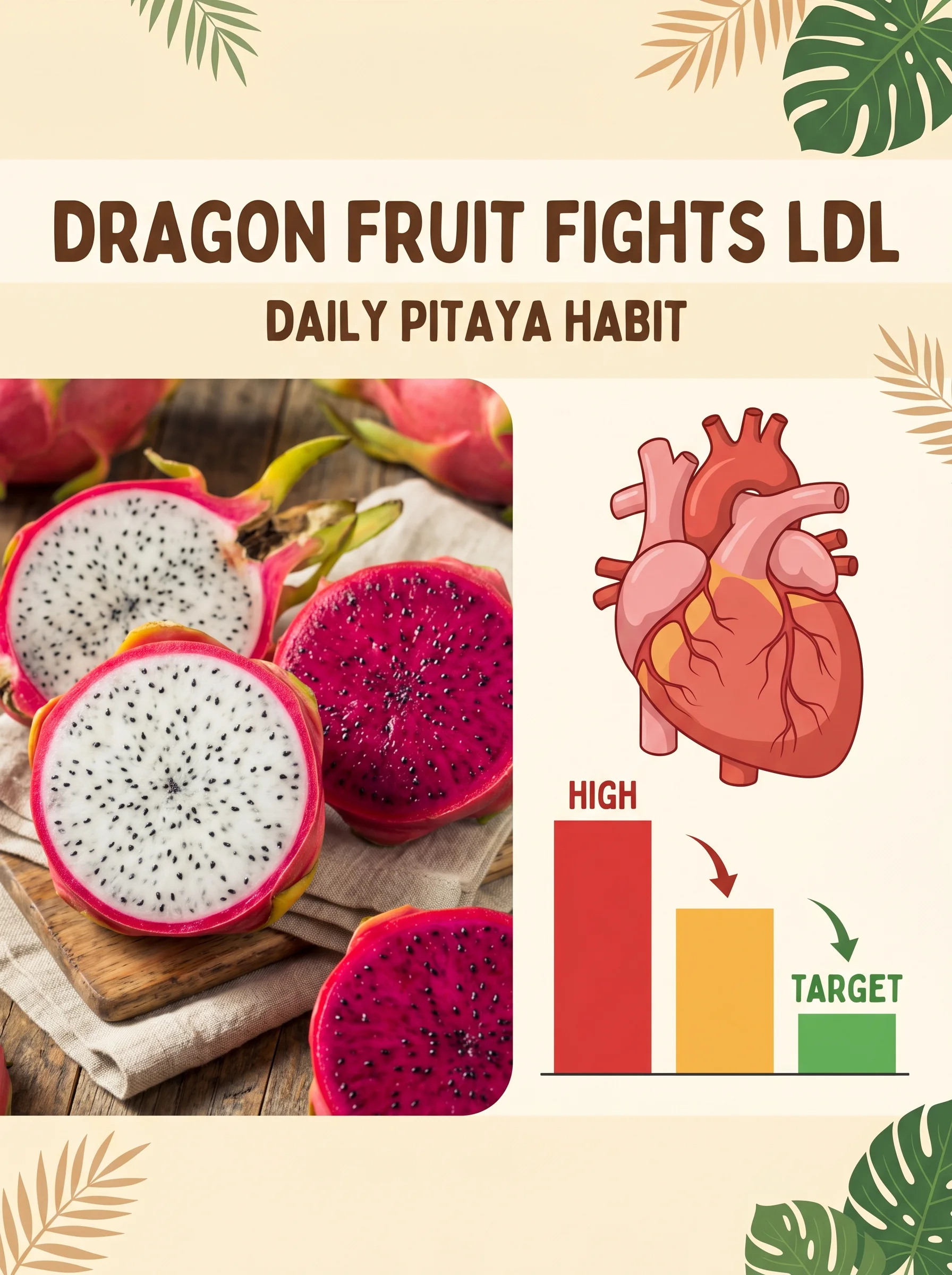
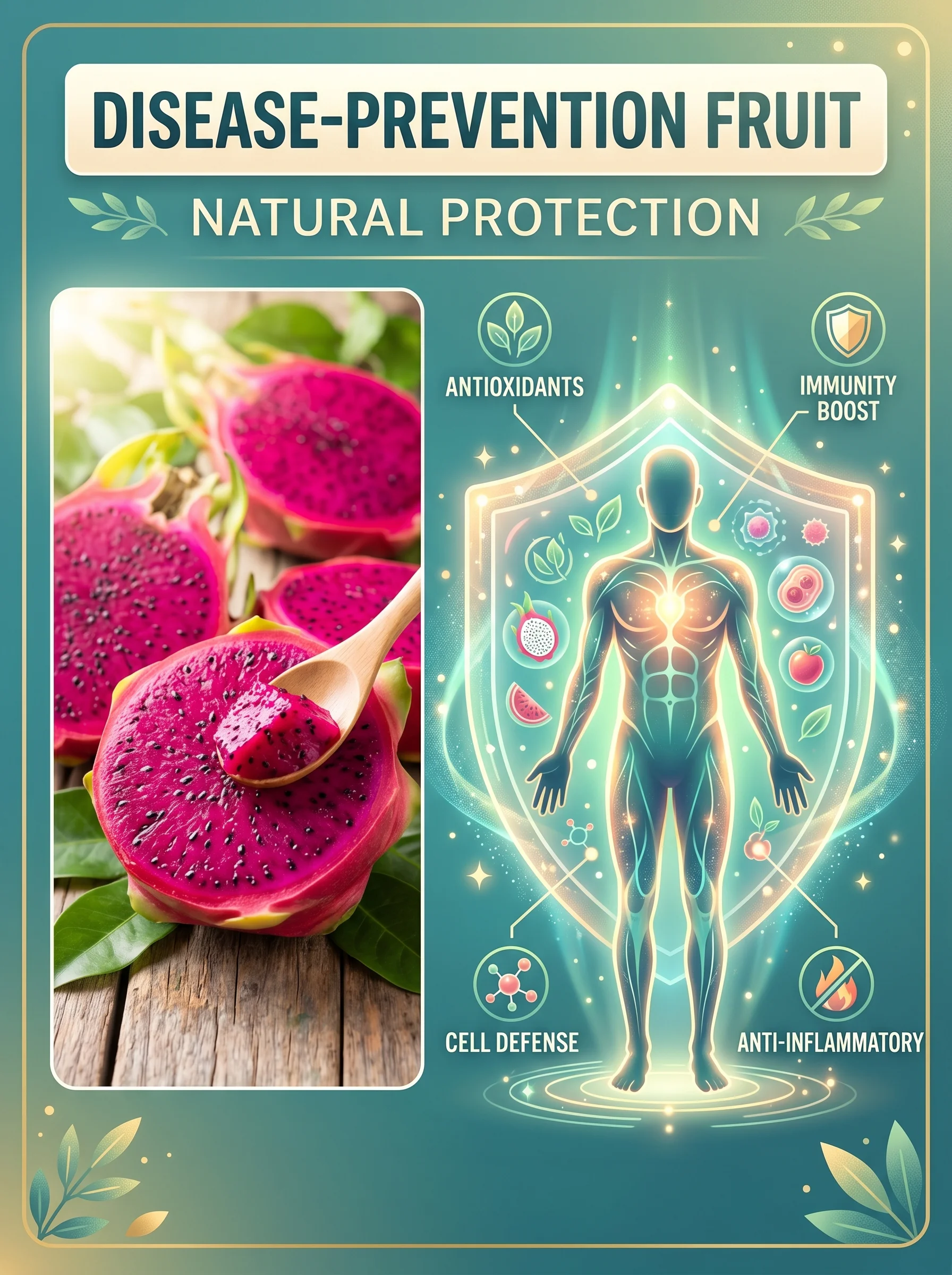
Pitaya helps support healthy blood sugar, feeds digestion, and may help lower bad cholesterol (LDL) while keeping good (HDL) and bad (LDL) cholesterol in better balance. The deep pigments that give pitaya its bright colors are antioxidants, and that is part of why this fruit is linked to heart support. Most of the evidence so far comes from antioxidant and early studies rather than large human cholesterol trials, so it is fair to call this a supportive food, not a cure.
Pitaya is a friendly choice if you are watching your blood sugar, because its fiber slows how quickly sugar lands in your bloodstream. That same fiber keeps your digestive system moving and helps prevent constipation. If a fruit-forward routine appeals to you, you might also like our honest look at what’s actually true about your fruit bowl.
Did you know the pigments that give pitaya its different colors may help lower the level of bad cholesterol in the body? The fruit also helps support the balance between good (HDL) and bad (LDL) cholesterol. And if that’s not enough, it is part of a pattern of eating that helps protect the heart over time. Pitaya pairs nicely with other gentle helpers like apples for heart health and cholesterol and a tablespoon of flaxseed for heart and blood sugar.
Does dragon fruit actually lower LDL cholesterol or just support heart health?
Here is the honest answer. Dragon fruit is not a cholesterol drug, and it will not undo a difficult diet on its own. What it does well is add fiber and antioxidants, two things that help your body manage LDL cholesterol naturally over time. The seeds also carry small amounts of healthy fats. So the truthful framing is “supports,” not “cures.” If your doctor has prescribed a statin or any other medicine, keep taking it, and let pitaya be a helpful extra rather than a swap.
Can one fruit or juice lower both cholesterol and blood sugar at once?
You’ll see viral posts promising a single “magic juice” that melts cholesterol and blood sugar at the same time. That framing is overstated. Whole pitaya can gently nudge both in the right direction because of its fiber, but no single food replaces a balanced diet, movement, and your doctor’s plan. One caution worth owning: juicing strips away the fiber and concentrates the sugar, so whole fruit beats juice here. If juices interest you, we keep it realistic in our piece on a carrot juice routine for cholesterol.
How to pick and eat pitaya
Now that you know the pitaya dragon fruit benefits, you may be wondering where to find this fruit. You can find pitaya in supermarkets and grocery stores. Before you buy, it’s best to choose pitayas with firmer skin, even if that means the fruit isn’t fully ripe yet, then let it soften at home for a day or two.
And then, just eat them like a kiwi. Cut the fruit in half and scoop the creamy flesh with a spoon, seeds and all. The black seeds are edible and carry a little of the fruit’s healthy fat. Pitaya is lovely in salads, fruit bowls, and smoothies. Folding it into a larger heart-friendly routine helps most, so it pairs well with our daily habits to keep your heart healthy.
The takeaway
Now that you know how pitaya can quietly support your body, try the fruit and share your experience. A little pink-and-black fruit that helps with cholesterol, blood sugar, and digestion at the same time is worth rotating into your fruit bowl, as long as you remember it’s a helper and not a cure. If soft, useful food tips are your thing, the newsletter lands every Friday.
Frequently asked questions
What are the main pitaya dragon fruit benefits?
Pitaya is rich in fiber and colorful antioxidants. Those help support healthy LDL and HDL cholesterol balance, steady blood sugar, and smooth digestion. It is a supportive food for heart health rather than a cure, so enjoy it as part of a varied, fiber-rich diet alongside any care your doctor recommends.
Does dragon fruit really lower LDL cholesterol?
Dragon fruit can support healthier cholesterol thanks to its fiber, antioxidants, and the small amount of healthy fat in its seeds. Most evidence comes from early and antioxidant research, not large human trials, so think “supports,” not “cures.” Keep taking any prescribed cholesterol medicine and treat pitaya as a helpful extra.
Is whole pitaya better than dragon fruit juice for cholesterol?
Yes, whole pitaya is the better choice. Juicing removes most of the fiber and concentrates the natural sugar, which can spike blood sugar. The fiber in the whole fruit is exactly what helps your body manage cholesterol and stay full, so eat it sliced with the seeds rather than juiced.
What does pitaya taste like?
It tastes like a mild cross between a kiwi and a pear, lightly sweet and refreshing rather than sugary. The flesh is creamy and soft, and the tiny black seeds are edible and add a gentle crunch, much like the seeds inside a kiwi.
How do I pick a good pitaya?
It’s best to choose pitayas with firmer, evenly colored skin, even if that means the fruit isn’t fully ripe yet. Avoid heavy bruising or dry, brown leaves. Let a firm one rest on the counter for a day or two until it gives slightly to a gentle squeeze, then enjoy it.
How do I eat pitaya?
Just eat it like a kiwi. Slice it in half and scoop out the creamy flesh with a spoon, seeds and all. It’s great in salads, fruit bowls, and smoothies, and it pairs nicely with other fruit. The seeds are edible, so there’s nothing to remove.
Share this article