
Flaxseed benefits for heart, diabetes, and PMS: 5 honest reasons to keep a tablespoon around
Sheenam Midha · Health writer
On this page
TL;DR: Known since the days of Mesopotamia, flaxseed is one of those quiet, functional, gluten-free foods worth a spot in your pantry. The flaxseed benefits worth knowing: it can help lower total and LDL cholesterol, support healthy blood pressure, help with weight through its fiber, support blood-sugar balance and type 2 diabetes prevention, ease PMS and menopause symptoms through lignans, and offer a gentle energy lift. One tablespoon a day is enough. It supports your habits, it does not replace your medication.
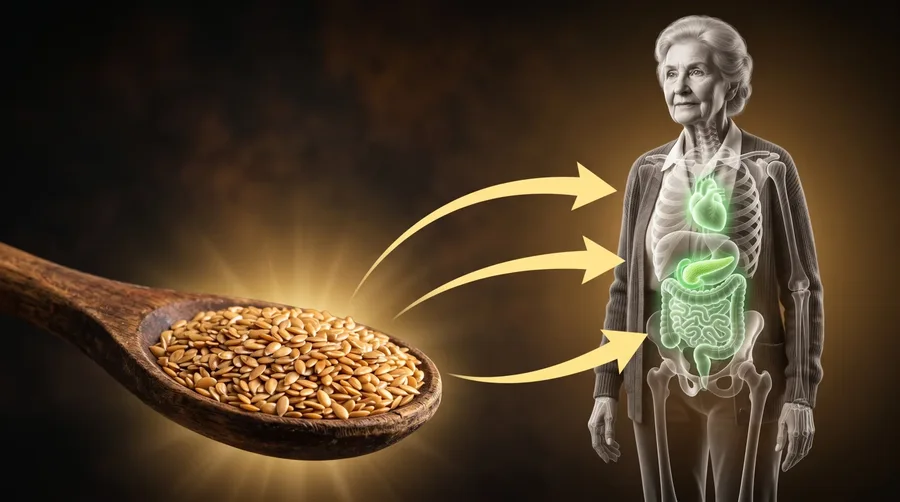
Flaxseed, sometimes called linseed, comes from the flax plant, and people have eaten it for thousands of years. The flaxseed benefits that matter most come down to two things it is rich in: fiber and a plant omega-3 called ALA. Together they look after your heart and your gut, help steady the release of glucose into your blood, and may help lower your risk of some chronic problems. And the best part: it is naturally gluten-free.
Have you ever eaten flaxseed before? Do you know what it actually does for you? Here are five real, honest reasons to keep it around, plus a clear-eyed note on what it can and cannot do.
1. Does flaxseed help prevent heart disease?
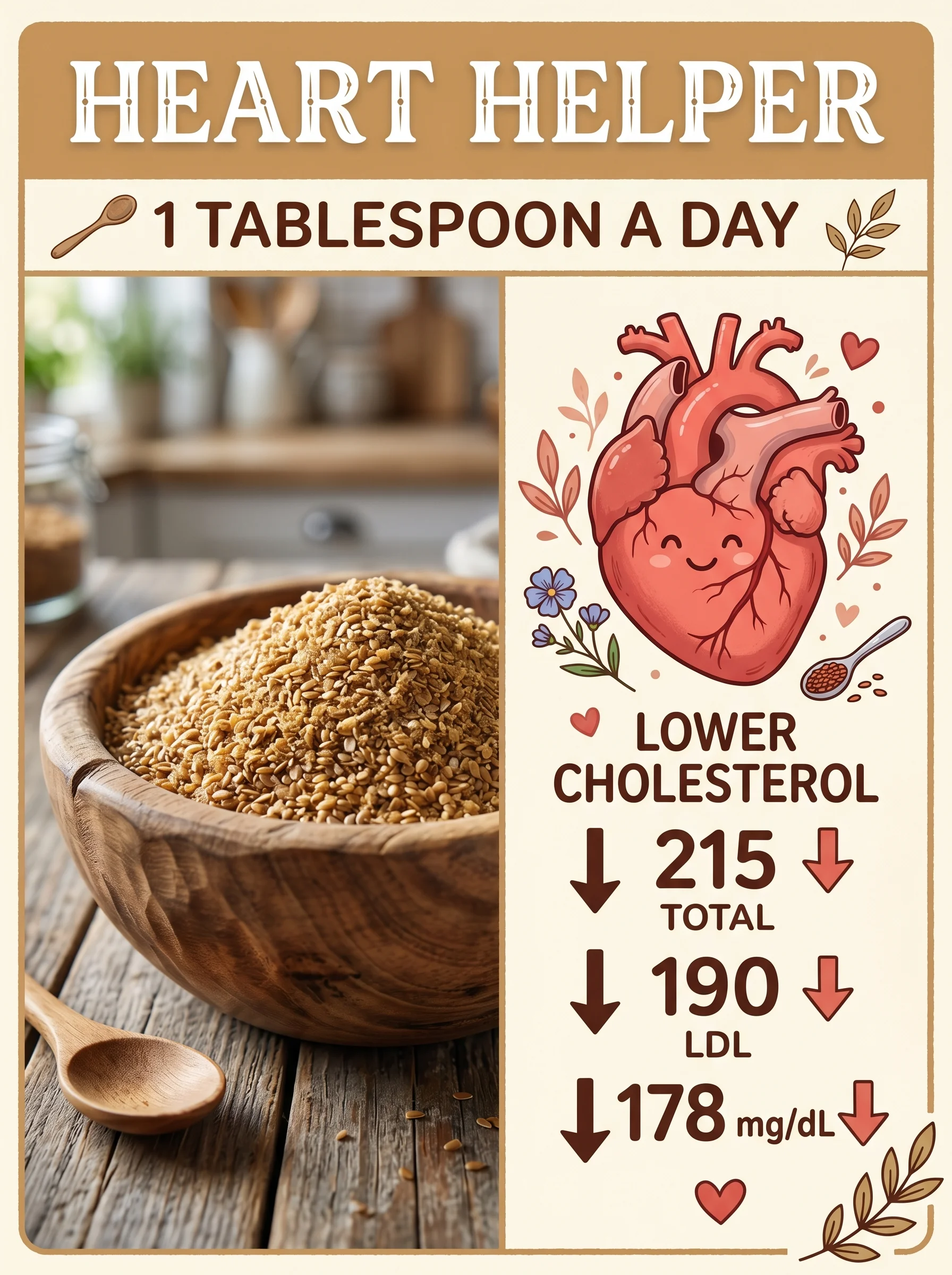
Thanks to its omega-3 (ALA) and its soluble fiber, flaxseed is one of the gentler foods you can lean on for heart health. Research suggests it can help lower total cholesterol and LDL, the so-called bad cholesterol, and may support healthier blood pressure when it is part of a balanced diet.
It works best alongside other heart-friendly habits, not instead of them. If you are building a routine, these daily habits that keep your heart healthy pair nicely with a spoonful of flax. And if you want another easy food to add, apples support your heart, cholesterol, and triglycerides too.
2. How does flaxseed help with weight loss?
Because flaxseed is rich in fiber, eating it slows your digestion and softens the rise of glucose in your bloodstream. That gentler curve helps keep insulin steadier, and steadier insulin tends to quiet the cravings for bread, cakes, cookies, and sweet treats that lead to weight gain.
The fiber also helps you feel full a little longer, which makes it easier to eat the way you already wanted to. Flaxseed will not melt away weight on its own. Think of it as a small, supportive habit that makes the rest of your eating a bit easier.
3. Can flaxseed help prevent diabetes?
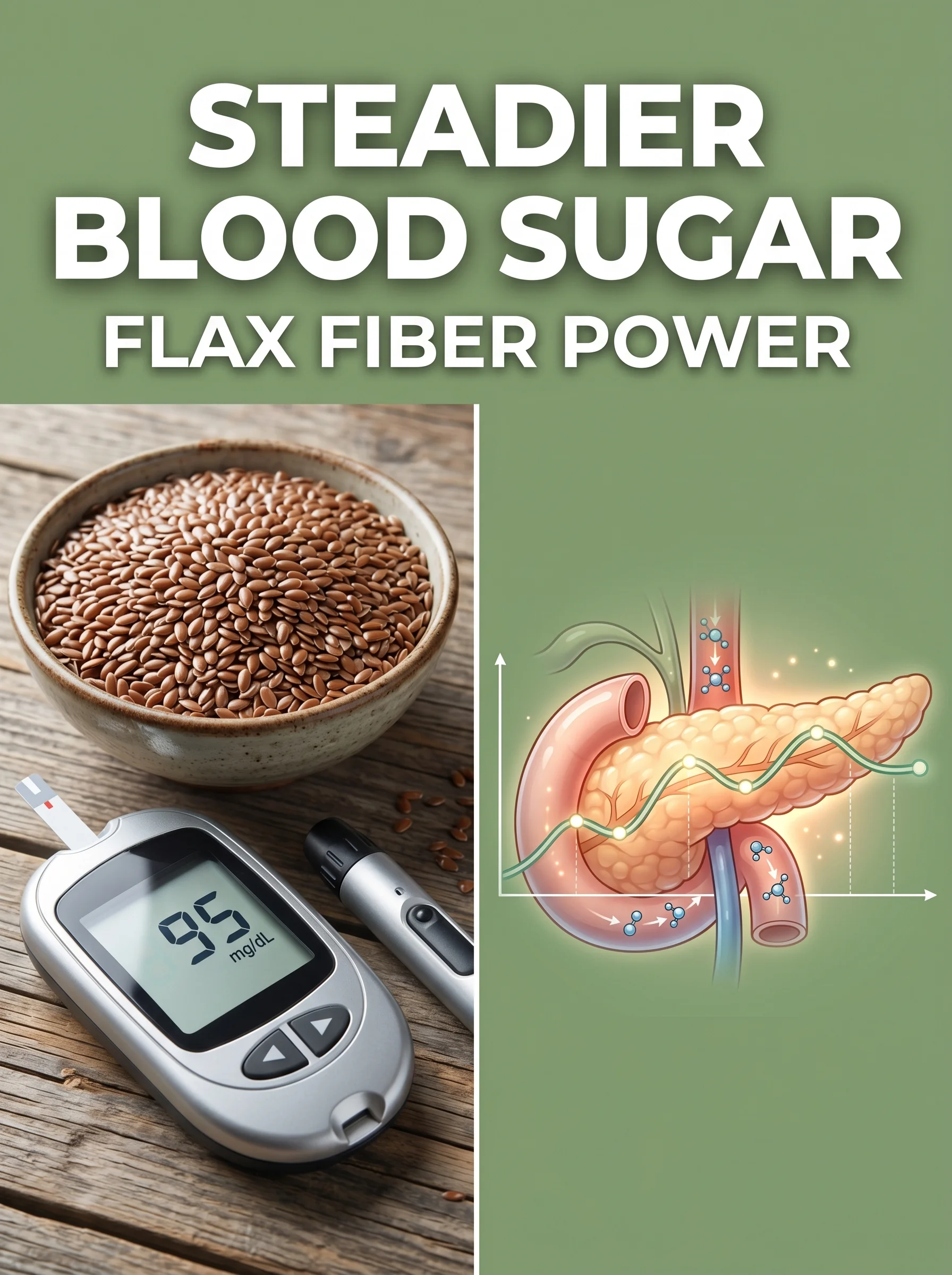
For the same reasons it helps with weight, flaxseed can support blood-sugar balance and type 2 diabetes prevention. Insulin resistance is what often comes before type 2 diabetes, and the fiber in flax helps slow how quickly sugar enters your blood. Some studies also suggest the alpha-linolenic acid (ALA) in flaxseed may be linked to a lower risk of developing diabetes, though researchers are still working out exactly why.
One honest caveat. Flaxseed is a helpful adjunct, not a cure, and it does not replace prescribed diabetes medication. If you already take something for blood sugar, keep taking it and talk to your doctor before changing anything. For more food-based support, this look at berberine and blood sugar covers another option people ask about.
4. Flaxseed for PMS and menopause
Flaxseed has a long-standing reputation as a friend to women through hormonal shifts. It contains plant compounds called lignans, which can mimic estrogen gently in the body. During the pre-menstrual stretch or through menopause, that mild, estrogen-like effect may help ease hot flashes and the emotional dips that come with the territory. Try it for a few weeks and notice how you feel.
5. Does flaxseed actually boost energy?
According to many who use it, flaxseed offers a quiet lift in energy and vitality. The healthy fats and fiber support steadier blood sugar, which often translates into fewer afternoon slumps, and it can help with muscle recovery after movement. It is not a stimulant and it will not feel like coffee. The energy here is the slow, even kind that comes from steadier fuel.
How to eat flaxseed: uses and benefits in three forms
Studies suggest about 1 tablespoon of flaxseed a day is enough to get a good amount of its nutrients. When people search for flaxseed uses and benefits, this is usually what they really want to know, how to actually eat it. There are three easy ways:
- Flaxseed flour (ground flaxseed), which you can stir into juices, smoothies, salads, and fruit. Ground is best, because whole seeds often pass through undigested.
- Flaxseed grain (whole seeds), used in breads, pies, yogurt, and blended drinks. If you eat them whole, chew well so your body can actually reach the nutrients inside.
- Flaxseed oil, lovely drizzled over salads. Never heat this oil or use it for cooking, since heat damages its delicate omega-3.
Besides these three, you can also take a flaxseed oil supplement to get many of the same benefits in a simple capsule. Whichever form you choose, a little water through the day helps the fiber do its job comfortably.
Is flaxseed a magic cure for cholesterol and blood sugar?
You have probably seen the viral posts promising a single food or “magic juice” that lowers cholesterol and blood sugar at once. It is worth saying plainly: no single ingredient does that on its own, and flaxseed is no exception. What flaxseed offers is honest, modest support as part of a whole diet.
It pairs well with other gentle, food-first habits, like a carrot juice routine for cholesterol or adding more foods that help normalize blood pressure. But it supports your medicine and your habits, it does not replace them. If you are on a statin or any prescribed medication, keep taking it and treat flaxseed as a helpful addition, not a substitute.
A gentle closing thought
One tablespoon, once a day, three easy formats. It is hard to find a food that does more, more quietly. Flaxseed will not rescue a rough diet by itself, but as a small daily habit it genuinely earns its place. If you like the idea of little everyday habits that actually move the needle, the newsletter goes out every Friday with a few more.
Frequently asked questions
How much flaxseed should I eat per day?
About 1 tablespoon of flaxseed a day is enough to get a good amount of its fiber and omega-3. Ground (flaxseed flour) is easier to digest than whole seeds. Drink a little extra water through the day so the fiber moves comfortably, and you can build up slowly if your gut is sensitive.
What are the main flaxseed benefits?
The best-known flaxseed benefits are support for heart health and cholesterol, steadier blood sugar, help with weight through fiber, and relief from some PMS and menopause symptoms thanks to plant compounds called lignans. It works as a supportive daily food, not a cure for any one condition.
Does flaxseed lower cholesterol?
Research suggests flaxseed can help lower total and LDL cholesterol when eaten regularly as part of a balanced diet. Its omega-3 (ALA) and soluble fiber do most of the work. It supports, rather than replaces, any cholesterol medication your doctor has prescribed, so keep taking what you are given.
Can flaxseed help with diabetes or blood sugar?
Yes, gently. The fiber in flaxseed slows how fast sugar enters your blood, which can help with blood-sugar balance and type 2 diabetes prevention. It is a helpful adjunct, not a substitute for prescribed diabetes medication. Talk to your doctor before changing any treatment you are on.
Is flaxseed gluten-free?
Yes. Flaxseed is naturally gluten-free, which is part of what makes it so easy to add to almost any diet. If you have celiac disease, just choose a product labeled gluten-free to avoid cross-contamination during processing.
How does flaxseed help with PMS and menopause?
Flaxseed contains lignans, plant compounds that can mimic estrogen gently in the body. During the pre-menstrual stretch or through menopause, that mild effect may help ease hot flashes and emotional dips. Results vary from person to person, so try it for a few weeks and see how you feel.
Can I heat flaxseed oil?
No. Flaxseed oil is wonderful drizzled cold over salads, but you should never heat it or cook with it. Heat damages its delicate omega-3 fats and can give it an off taste. For cooking, use a more heat-stable oil and save the flax oil for finishing.
Share this article