Fruit myths and truths: 7 things people get wrong about your fruit bowl
Sheenam Midha · Health writer
On this page
TL;DR: Most fruit myths confuse natural sugar with refined sugar and shame the wrong foods. This is a short tour through seven fruit myths and truths: whether diabetics can eat fruit, whether papaya helps constipation, whether freezing kills nutrients, whether heavy fruits are bad at night, and more. The honest answer is usually “it depends,” and this clears up exactly when.
Do you like fruit? Do you prefer to eat one at a time, or do you like mixing everything into a big fruit salad? Fruit is the favorite choice for a healthy snack between meals. It carries vitamins and fiber and is a quiet ally in weight loss. And yet, even with all the research showing how fruit helps prevent disease, the old fruit myths refuse to die. So let’s walk through the most common fruit myths and truths and see what actually holds up.
Is eating mango with milk bad for you? Are oranges really the best source of vitamin C? Do you lose all the nutrients if you peel a fruit? Which fruit has the most fiber? These are exactly the kinds of myths about fruit that get passed down at the dinner table, so let’s sort the truths from the tales.
Can diabetics eat fruit? (Myth that they can’t)
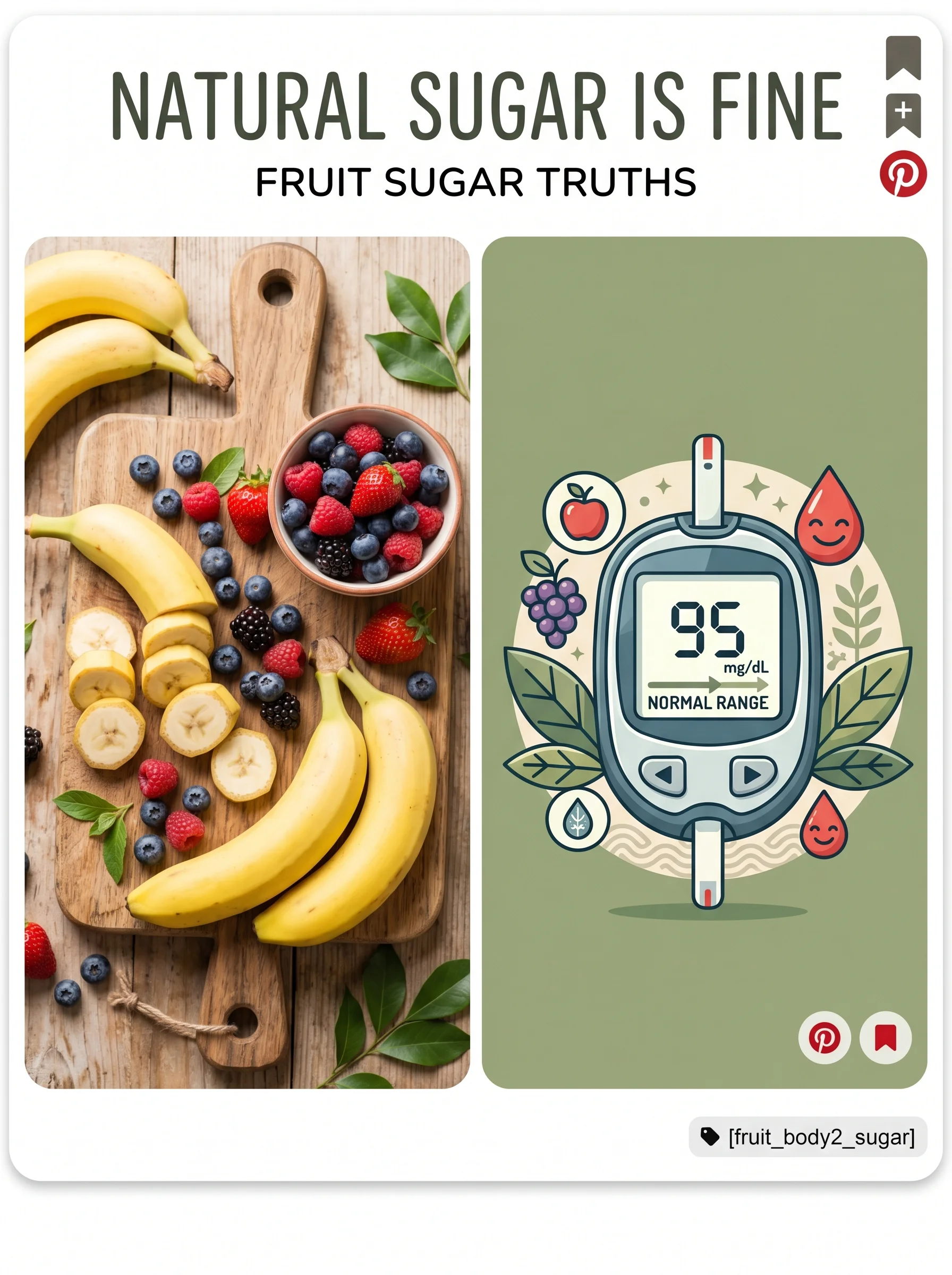
Diabetics can eat fruit. Fruit does contain sugar, called fructose, but that does not make it off-limits for people with diabetes. According to experts, fruit also delivers vitamins, minerals, antioxidants, and fiber, and that fiber actually slows how quickly the natural sugar reaches your blood. The smarter move is to lean on whole fruit over juice, since blending or juicing strips away the fiber that keeps things steady.
There are still cases where someone needs to lower or avoid certain fruits, for example with allergies or food intolerances, and portion size matters too. But that depends on each person, and on any plan your doctor has set. If you are managing your numbers, none of this means stopping prescribed medication. Think of fruit as a supportive everyday food, not a treatment.
Do papaya and plum help with constipation? (True)
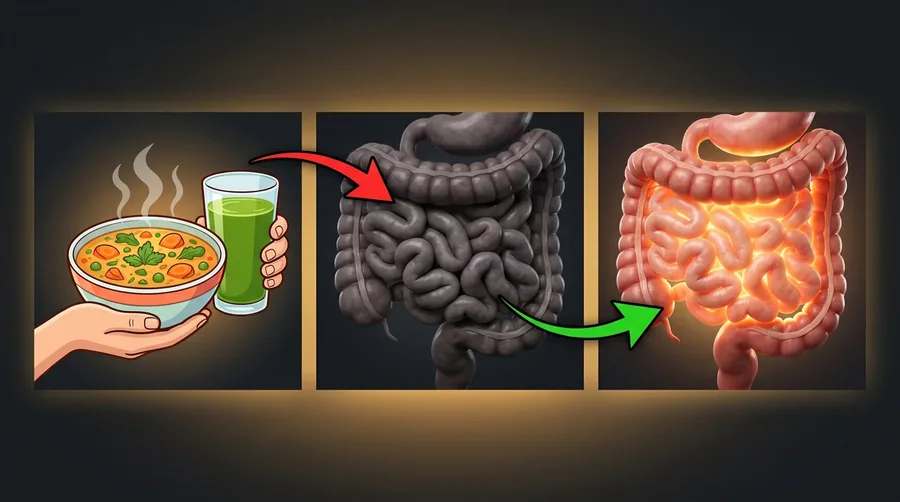
Papaya and plum are rich in fibers that absorb water and gently speed up intestinal transit. If a stuck gut is a regular worry, pairing fiber-rich fruit with enough water through the day does more than any single “miracle” food. For more gentle ways to keep things moving, our note on eating more vegetables with juices and soups pairs nicely with this.
Are myths about fruit sugar overblown? (Mostly yes, but moderation still counts)
Here is one of the biggest myths about fruit sugar: that the natural sugar in fruit is the same threat as the refined sugar in soda and candy. It is not. Whole fruit comes wrapped in fiber, water, and antioxidants, which changes how your body handles that sugar entirely.
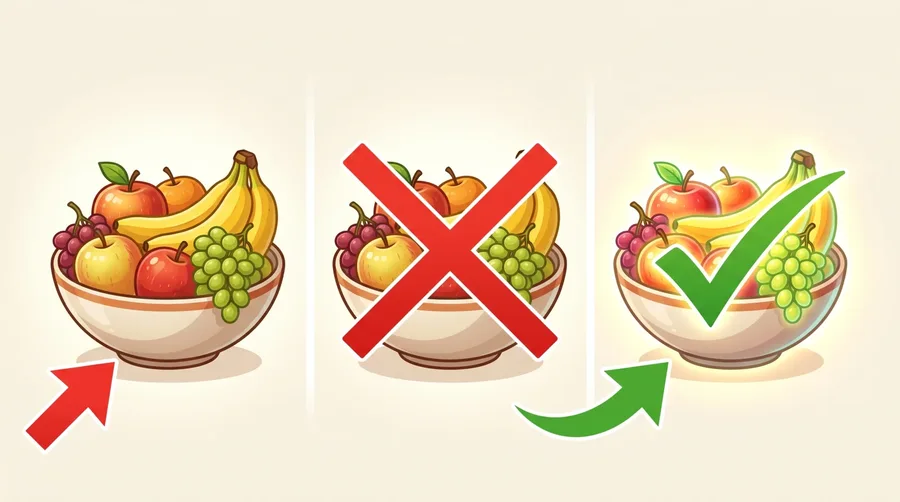
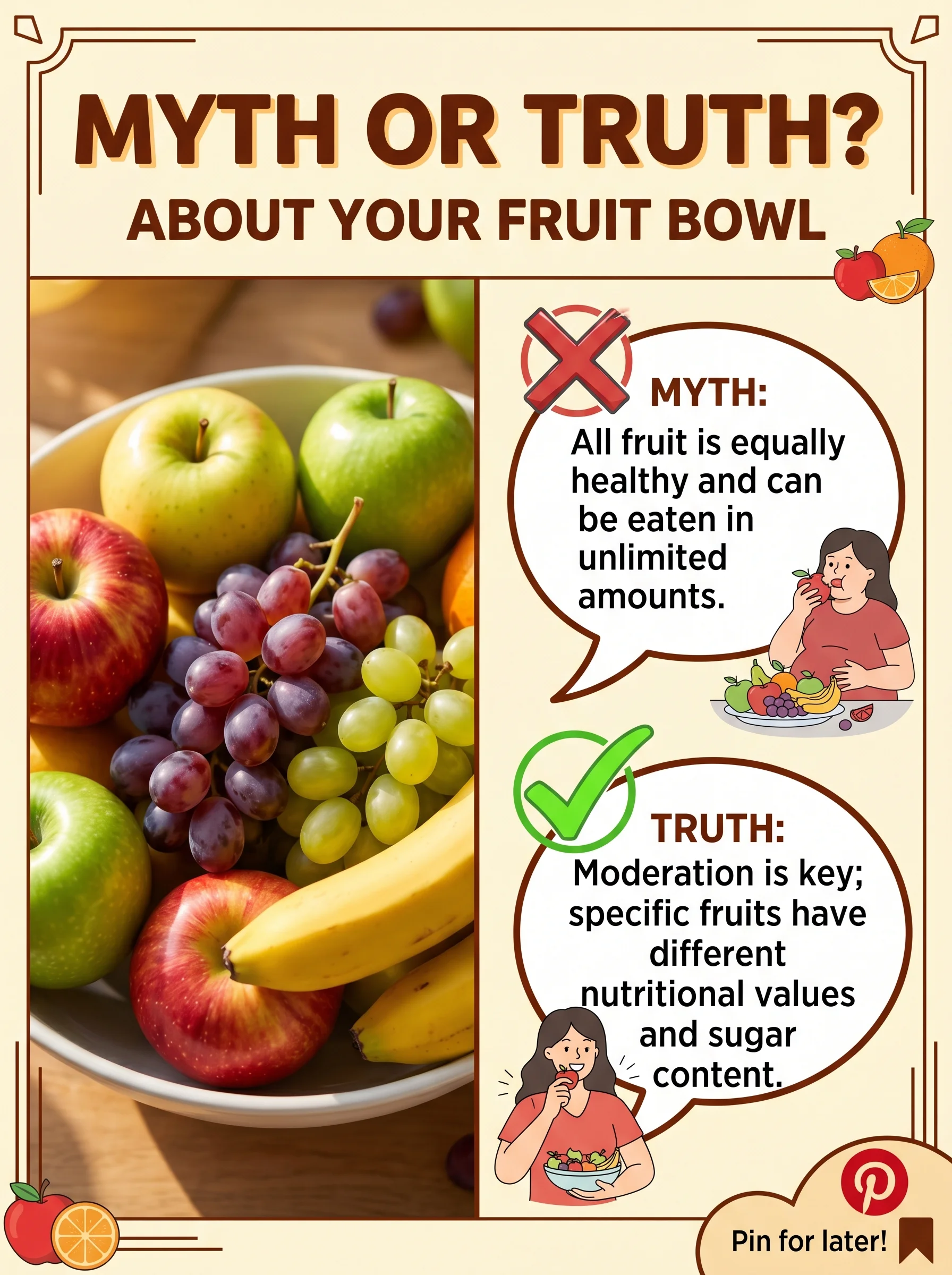
Still, “it’s healthy, so I can eat it freely” is itself a myth. Some fruits carry more calories than others, like avocados, mangoes, and bananas, and are worth eating in moderation. A diverse, colorful mix tends to serve you better than a mountain of any one fruit. Recent research suggests variety, not just quantity, is what links plant-rich eating to sharper thinking and steadier blood sugar over time.
Do some fruits help with tanning? (True)
Some yellow and orange foods, like mangoes, carrots, apricots, melons, and peaches, contain carotenoids that can gently support your skin tone. But the effect is not immediate. Don’t drink a glass of juice expecting an instant glow. You would need to eat these foods regularly with your meals for several weeks before the season, and they are never a replacement for actual sun protection.
Should people with gastritis avoid citrus fruits?
Partially true. Your stomach’s pH is actually more acidic than any citrus fruit, so on paper citrus should not be the problem. In practice, some people with gastritis do feel discomfort after certain fruits. It comes down to your own tolerance, so notice how you feel rather than banning a whole food group on principle.
Do frozen fruits lose their nutrients? (Myth)
The lower temperature keeps microorganisms from spoiling food, and when frozen, fruit stays close to its natural state. What actually costs you nutrients is poor thawing. It is a common mistake to pull fruit from the freezer and drop it straight into the microwave or a bowl of hot water.
The process should happen gradually. Move the fruit from the freezer to the fridge, then let it come to room temperature naturally. This works for any food. Frozen fruit won’t have quite the same texture as fresh, so it is best stored in the lower part of your freezer and used in smoothies or cooking. Freezing is one of the easiest realistic ways to actually eat more produce without it going off.
Is eating fruit at night bad for you? (Myth)
It is common to hear this from a mother or grandmother, but it is not really true. As with most of these fruit myths and truths, it depends on the person. Some people with a slower digestive process may feel discomfort after heavy fruit late in the evening. Mango, watermelon, and cucumber are common culprits, but that is far from a universal rule. If a light fruit helps you wind down, that is fine. If a heavy one keeps you up, simply move it earlier.
What about the trending fruit and vegetable claims?
A few fresh angles are worth a calm word, because they spread fast online.
- Variety over quantity. Newer research points to a diverse mix of colorful fruits and vegetables, not just a bigger pile of one, as the thing tied to better long-term health.
- ”One more serving” beats “five a day.” A small, attainable goal like adding a single extra fruit or vegetable tends to drive bigger real change than an all-or-nothing target.
- Arugula and nitrates. The nitrates in greens like arugula are mostly a circulation friend, not a foe, in normal food amounts.
- Cayenne and metabolism. The capsaicin in cayenne pepper may nudge metabolism slightly, but it is a small effect, not a weight-loss shortcut.
- Pesticide worry. Some produce carries more residue than others. A calm rinse under running water handles most of it. That is no reason to eat less fruit.
A gentle closing thought
Most fruit myths and truths come down to the same answer: it depends on your body. Pay attention to how you feel after certain foods, thaw frozen fruit slowly, choose whole fruit over juice, and don’t let a family rule keep you from a mango on a warm evening. If you are curious about specific fruits next, our pieces on apples for heart health and dragon fruit (pitaya) go a layer deeper.
If this was useful, the newsletter goes out every Friday with more of the same. You can join the drop if you want it to land in your inbox.
Frequently asked questions
Can diabetics really eat fruit?
Yes. Fruit contains fructose, but that does not make it off-limits for people with diabetes. Whole fruit also brings vitamins, minerals, antioxidants, and fiber, and that fiber slows the rise in blood sugar. Favor whole fruit over juice, watch portions, and follow your own care plan. Never stop prescribed medication.
Is the sugar in fruit bad for you?
The natural sugar in whole fruit is not the same threat as refined sugar in soda or candy. It comes wrapped in fiber, water, and antioxidants that change how your body handles it. Most myths about fruit sugar overstate the risk, though calorie-dense fruits like mango and banana still deserve moderation.
Do frozen fruits have fewer nutrients than fresh?
Not inherently. The cold keeps microbes from spoiling food, so frozen fruit stays close to its natural state. The bigger risk is poor thawing, like microwaving it or using hot water. Thaw gradually in the fridge, then at room temperature, and frozen fruit is an easy way to eat more produce.
Is it better to eat a variety of fruits or just more of them?
Variety appears to matter as much as quantity. A diverse, colorful mix of fruits and vegetables is linked to better long-term outcomes than eating a large amount of any single one. An easy starting goal is simply adding one more serving you enjoy, rather than chasing a strict daily target.
Are citrus fruits off-limits if I have gastritis?
Not automatically. Your stomach pH is more acidic than citrus fruit, so citrus is rarely the real cause. Still, some people with gastritis feel discomfort after certain fruits. It depends on personal tolerance, so notice your own reaction instead of cutting out a whole food group by default.
Is it bad to eat fruit at night?
Not for most people. Some with slower digestion may feel discomfort after heavy fruit late in the evening, with mango, watermelon, and cucumber being common culprits. But that is not a universal rule. If a heavy fruit disrupts your sleep, simply enjoy it earlier in the day instead.
Share this article