
Arugula benefits: the peppery leafy green that quietly does a lot
Sheenam Midha · Health writer
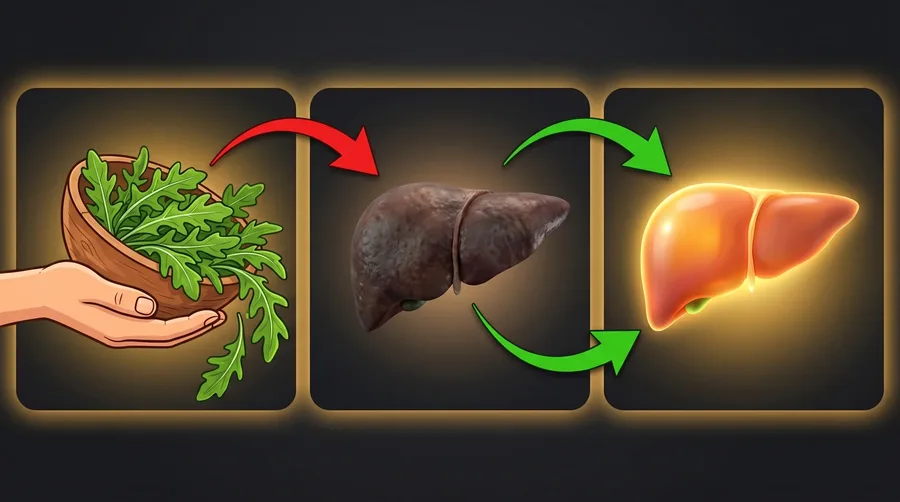
On this page
TL;DR: Arugula is a dark, peppery leafy green with antioxidant and anti-inflammatory properties. The arugula benefits run wide: stronger immunity, better vision and skin, stronger bones, lower glucose, easier digestion, sharper brain function, and a lower risk of cancer. It is rich in fiber, low in calories, and works raw, stir-fried, or blended into pesto.
Arugula, also called rocket, is a dark leafy green rich in vitamins A and C with antioxidant and anti-inflammatory properties. The arugula benefits show up across the body. It supports eye health, helps steady blood sugar, and looks after your heart. It also brings minerals like potassium and calcium that help regulate blood pressure, plus phosphorus, magnesium, and vitamin K that keep your bones strong.
This leafy green is a simple way to enrich your diet with vitamins and minerals, and it is also rich in fiber and low in calories. You can add it to a weight loss plan and eat it raw or stir-fried in salads or other dishes. If salads feel like a chore, it blends just as happily into juices and soups when you want to eat more vegetables without much fuss.
What are the health benefits of arugula?
Arugula is a dark leafy green rich in vitamins A and C with antioxidant and anti-inflammatory properties. It brings minerals like potassium and calcium for blood pressure, plus phosphorus, magnesium, and vitamin K for bone health. It is also high in fiber and low in calories, which makes it a useful addition to a weight loss diet. In short, the nutritional benefits of arugula stack up nicely for such a small handful of leaves.
Helps strengthen the immune system
Eating arugula helps support the immune system thanks to its vitamin C. Strong immunity gives your body a better defense, which helps protect you against a range of everyday infections.
Improves vision and skin health
Because arugula is rich in vitamins A, C, and K, it supports eye health and healthy cell turnover. Vitamin C is also linked with a lower risk of cataracts. On the skin side, arugula supports melanin, offers a little protection against UV rays, and helps slow visible signs of aging.
Prevents osteoporosis
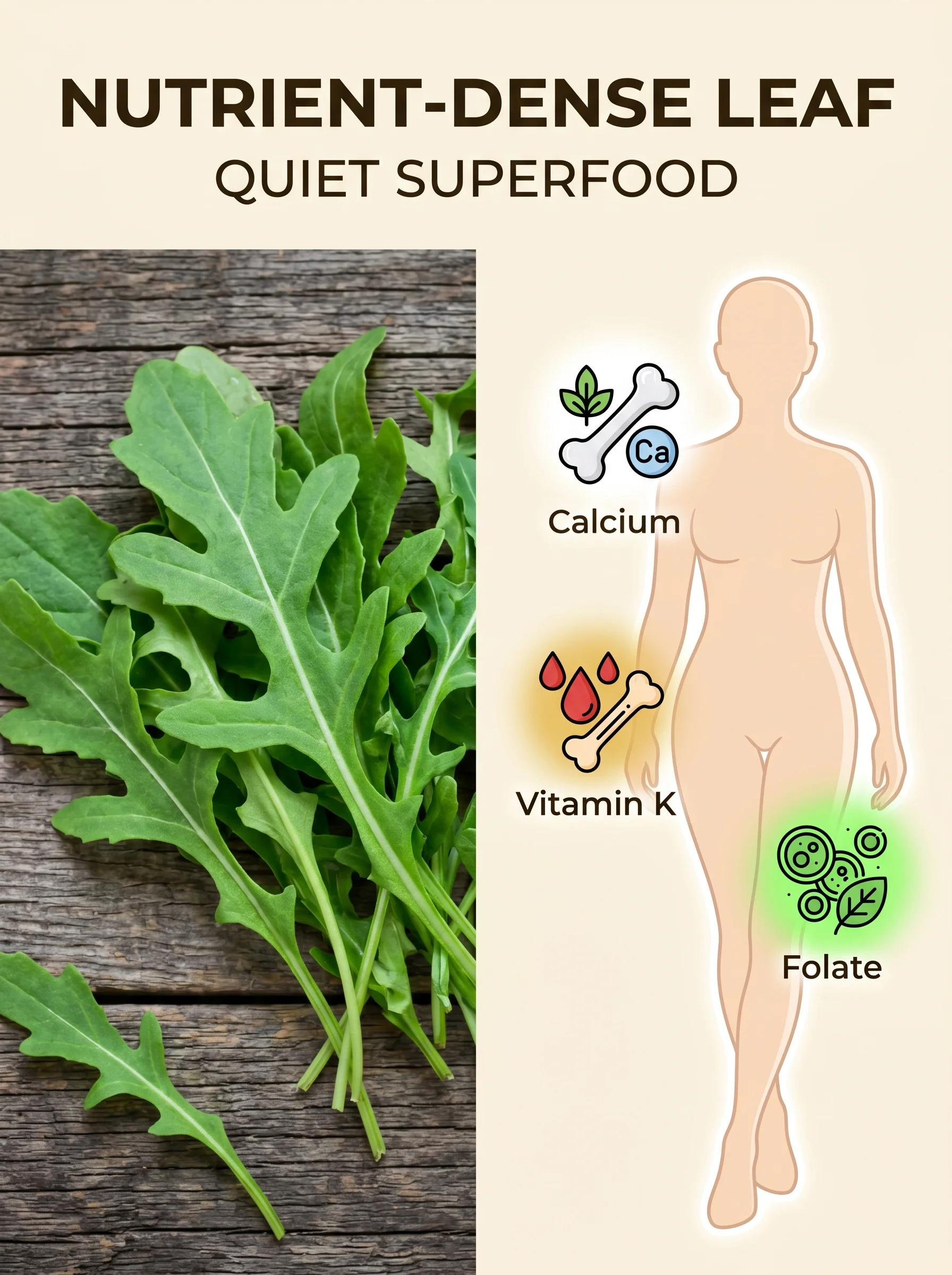
The vitamin K in arugula also looks after your bones, helping reduce wear and the risk of fractures by improving calcium absorption. When the body runs low on this vitamin, more calcium ends up leaving through the urine. Arugula is also a quiet source of folate, and if you want to know the signs of folate deficiency to watch for, leafy greens like this are an easy place to start.
Does arugula lower blood sugar?
This is one of the more talked-about arugula benefits. Because arugula is high in antioxidants, substances that help keep free radicals in check, it can support healthy glucose levels and insulin sensitivity. That makes it a friendly choice as part of a balanced plate, though it works alongside your routine and is not a replacement for any medication your doctor has prescribed.

Helps with digestion
Easier digestion is another benefit of arugula. It contains sulforaphane, a sulfur compound that can help calm stomach acidity, a common complaint for anyone dealing with chronic indigestion and other gut troubles. The fiber helps too, feeding the gut bacteria that keep things moving comfortably.
Improves brain function
Brain function gets a little help here as well, since vitamin K is tied to healthy cognitive activity. A diet rich in leafy greens is associated with slower cognitive decline, which may help protect against degenerative brain conditions, support focus, and keep the mind feeling sharp.
Does arugula lower the risk of cancer?
One of the headline arugula benefits is its link to a lower cancer risk. Cruciferous vegetables, like arugula, broccoli, and collard greens, are associated with a reduced risk of some cancers, especially lung and cervical. The compounds behind this are part of why so many foods that help block cancer cells tend to be green and leafy.
Are the nitrates in arugula dangerous or good for you?
Arugula is naturally high in dietary nitrates, and that worries some people. The short answer is calming: the nitrates you get from vegetables behave very differently from those added to processed meats. In leafy greens they help your body make nitric oxide, which supports circulation and healthy blood pressure. For most people, the nitrates in arugula sit firmly on the helpful side, which is one reason greens often appear among foods that help normalize blood pressure.
Is it better to eat more vegetables or a variety of them?
Recent research suggests the answer is both, and variety matters more than we used to think. Eating a colorful mix of plants seems to do more for long-term health than leaning on any single “superfood.” So arugula is best seen as one bright thread in a varied diet rather than a cure on its own. A gentle, realistic goal helps too. Studies on behavior point to small, specific aims, like adding one more serving of vegetables a day, working better than sweeping targets that feel out of reach.
How to eat arugula
The nicest way to eat arugula is raw, in salads seasoned with lime, olive oil, salt, garlic, onion, and a little chives and parsley. It also goes well on pizza, burgers, risottos, soups, pâtés, and even juices. Another idea is to use arugula in pasta sauces, perhaps replacing basil in a pesto. If you like a peppery kick, it pairs beautifully with warming spices, and you can read more about that in our note on cayenne pepper as a heart-friendly spice.
When buying arugula, choose the greenest, firmest leaves. Give them a good rinse before eating, an easy habit that helps wash off any residue. And avoid cooking arugula for too long, since some vitamins and minerals, like vitamin C, are lost with heat.
A gentle closing thought
A handful of arugula is one of those small choices that quietly does a lot, for your eyes, your bones, your gut, and your mood. Let it sit on your plate a few times a week and it earns its place.
If you like small, practical notes like this, the newsletter goes out every Friday. You can subscribe if you want them.
Frequently asked questions
What are the benefits of arugula?
Arugula benefits span the whole body. It offers vitamins A, C, and K plus antioxidants that support immunity, eye and skin health, stronger bones, steadier blood sugar, easier digestion, and a lower risk of some cancers. It is also high in fiber and low in calories, which makes it a useful everyday green.
Is arugula good for weight loss?
It can be. Arugula is rich in fiber and low in calories, so it adds volume and crunch to a meal without much energy cost. You can work it into a weight loss plan and eat it raw or lightly stir-fried in salads, soups, or other dishes, ideally alongside a varied, mostly whole-food diet.
Are the nitrates in arugula dangerous or good for you?
For most people they are good for you. The nitrates in leafy greens like arugula help the body make nitric oxide, which supports circulation and healthy blood pressure. This is very different from nitrates added to processed meats. Unless your doctor has advised otherwise, arugula’s nitrates are nothing to fear.
Can arugula help with blood sugar?
It can support healthy blood sugar. Arugula is high in antioxidants that help control free radicals, which is linked to steadier glucose levels and better insulin sensitivity. It works best as part of a balanced plate and is a helpful addition to, not a replacement for, any treatment your doctor has prescribed.
What is the best way to eat arugula?
Raw is the most nutritious way, in salads seasoned with lime, olive oil, salt, garlic, onion, and a little parsley. It also works on pizza, burgers, risottos, soups, and juices, and can replace basil in a pesto. Rinse the leaves first and avoid long cooking, since heat lowers vitamin C.
Does arugula really lower cancer risk?
Cruciferous vegetables like arugula, broccoli, and collard greens are associated with a reduced risk of some cancers, especially lung and cervical. Arugula is not a cure, but eating a colorful variety of these greens regularly is one simple, evidence-backed habit that supports long-term health.
Share this article