10 foods that fight cancer you should be eating
Sheenam Midha · Health writer
On this page
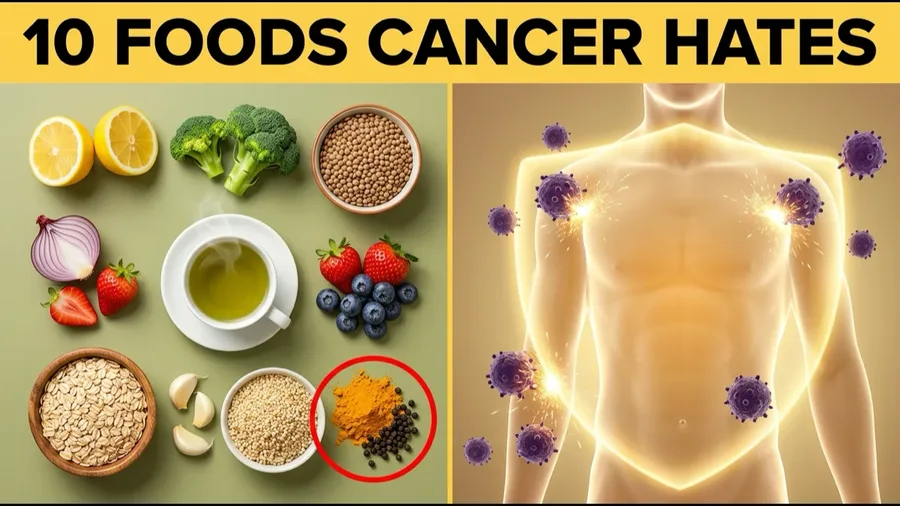
TL;DR: Cancer is a complex disease, but research suggests a meaningful share of cancers can be lowered by diet, physical activity, and a healthy body weight. These ten foods that fight cancer are the ones worth building your week around, from leafy greens and cruciferous vegetables to turmeric and green tea. No single food prevents or cures cancer on its own, but together they help stack the odds in your favor.
Cancer is a leading cause of death worldwide, and it is a complex disease shaped by many factors, including diet. Research suggests that a meaningful share of cancers can be reduced by appropriate diets, physical activity, and a healthy body weight. A pattern rich in foods that fight cancer and inflammation, like fruits, vegetables, whole grains, and legumes, can help lower the risk of many cancers, and the list below is where most of that protection actually comes from.
None of these foods are exotic or expensive. Most are sitting in the produce aisle of any grocery store. What matters is how consistently they show up on your plate and how you combine them, because the research keeps pointing to the overall pattern of your diet, not any single superfood. If salads feel like a chore, you can also work more vegetables in through juices and soups instead.
How do foods that fight cancer actually change your risk?
A diet rich in fruits, vegetables, whole grains, and legumes lowers the risk of many cancers by delivering fiber, antioxidants, and plant compounds that protect cells from damage, support the immune system, and slow the growth of abnormal cells. It is the overall pattern that matters, not one hero ingredient eaten in isolation.
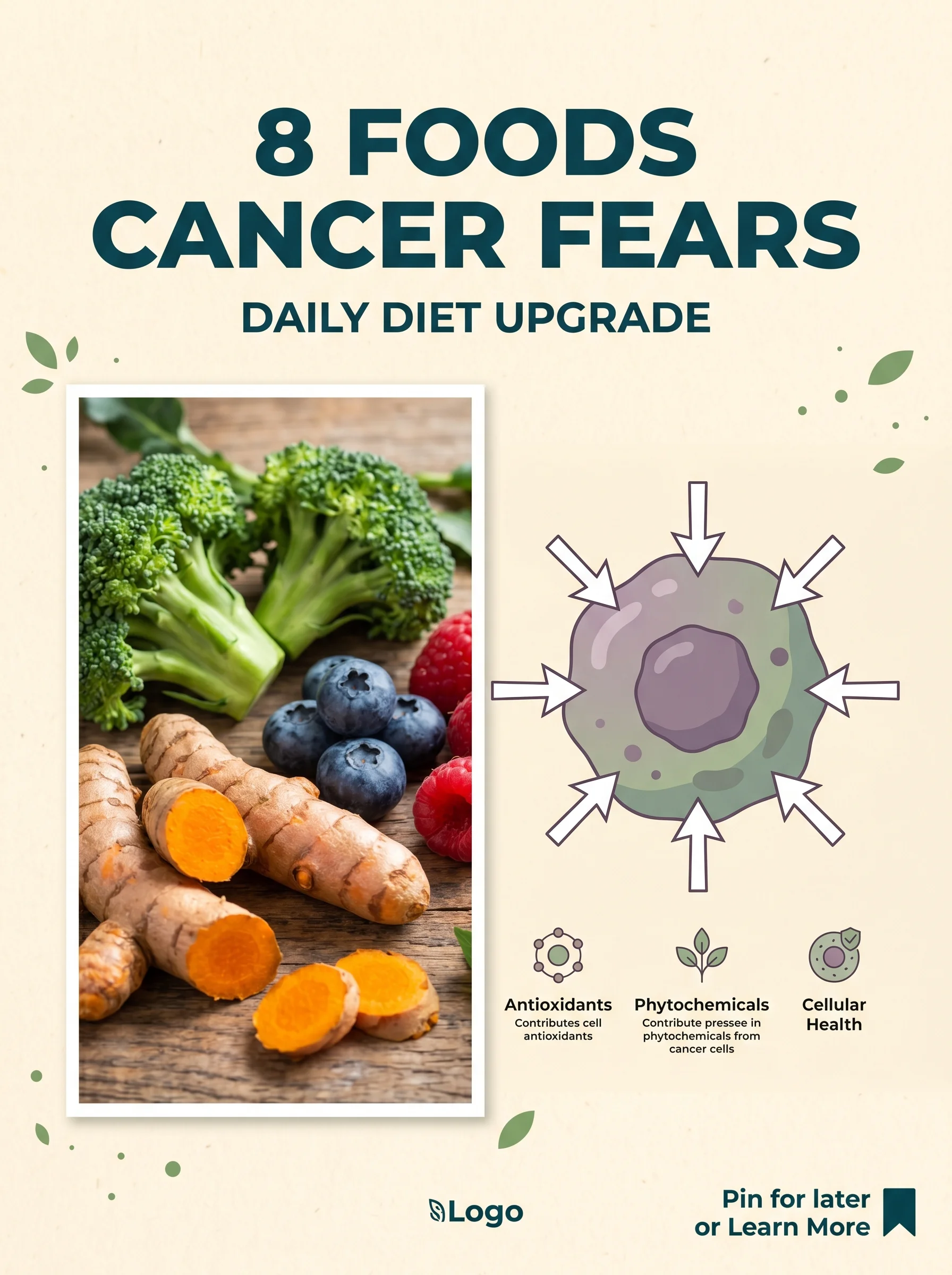
The foods below work through different mechanisms. Some feed the good bacteria in your gut. Some neutralize the free radicals that damage DNA. Some contain specific compounds that have been shown in studies to slow cancer cell growth directly. The common thread is that they are all plants, and they all belong in a rotation, not a one-off week.
What are the top 10 cancer-fighting foods?
Here are the ten foods that help fight cancer with the most consistent research behind them. Think of this as a rotation to spread across your week, not a checklist to finish in a day.
1. Leafy greens
Leafy vegetables such as spinach, kale, romaine, arugula, Swiss chard, and collards are rich in carotenoids, which act as antioxidants and boost the body’s defenses. Carotenoids are the same family of pigments that give these greens their deep color, and they help protect cells from the kind of oxidative damage that can set the stage for cancer.
The simplest way to eat more is to make one meal a day a greens-forward meal. A large salad at lunch, a handful of spinach wilted into an omelet, kale stirred through a soup near the end of cooking. Peppery greens like arugula bring their own cruciferous compounds, so variety across the week matters more than quantity on any single day.
2. Beans
Beans are a great source of fiber and plant-based protein. They are also rich in various vitamins, minerals, and antioxidants, which is a combination you rarely get from a single cheap ingredient. The fiber in beans feeds the bacteria in your gut that produce protective compounds, and those compounds help keep your colon lining healthy.
Black beans, kidney beans, chickpeas, and pinto beans all count. A cup a day, stirred into soups, salads, or a grain bowl, is an easy habit to build without much cooking.
3. Nuts
Nuts are packed with protein, fiber, and healthy fats. They also contain a variety of antioxidants and compounds that may help protect against cancer. The fat profile is the part most people underrate: the monounsaturated fats in almonds and walnuts support the same cellular membranes that cancer cells try to destabilize.
A small handful a day is the sweet spot. Portion control matters because nuts are calorie-dense, but a quarter cup as a snack or sprinkled over yogurt is enough to make the difference.
4. Whole grains
Whole grains are a good source of fiber and contain many important nutrients. Studies have shown that a diet high in fiber may help reduce the risk of colorectal cancer. That is one of the clearer links in the nutrition research, and it is one of the easiest to act on. Fiber works alongside nutrients like folate, which has its own role in colon cancer prevention.
Oats, brown rice, barley, quinoa, and whole wheat bread all belong in the rotation. The switch from refined to whole grains is a low-effort change with a high-fiber payoff, and your gut bacteria will do a lot of the work for you once the raw material is there.
5. Cruciferous vegetables
This group includes broccoli, cauliflower, cabbage, and Brussels sprouts. They contain sulforaphane, a plant compound with anticancer properties. Sulforaphane is one of the most studied plant compounds in the cancer-prevention literature, and broccoli is one of the richest sources of it.
Light steaming preserves the sulforaphane better than boiling. A three to four minute steam, or even raw florets in a salad, keeps the compound intact. Pairing broccoli with a little mustard powder or raw radish activates the enzyme that makes sulforaphane more available. If you want a deeper look at this group, here are more foods that block cancer cells and how to actually eat them.
6. Do berries really fight cancer cells?
Berries are rich in vitamins, minerals, and dietary fiber. They also contain antioxidants like anthocyanins, which may have anticancer properties. Anthocyanins are the deep blue and red pigments in blueberries, blackberries, and raspberries, and they are among the most potent plant antioxidants studied to date. They will not destroy a tumor on their own, but the research on berry compounds slowing the damage that feeds abnormal cells is genuinely encouraging.
Fresh or frozen both work, and frozen is often cheaper and just as nutrient-dense. A cup a day, stirred into oatmeal, yogurt, or eaten as a snack, fits into almost any diet without feeling like a discipline project.
7. Tomatoes
Tomatoes are a great source of lycopene, an antioxidant studied for its role among foods that fight prostate cancer. Lycopene is the red pigment in tomatoes, and cooking tomatoes actually increases how much lycopene your body can absorb, which is the opposite of what happens with most vegetables.
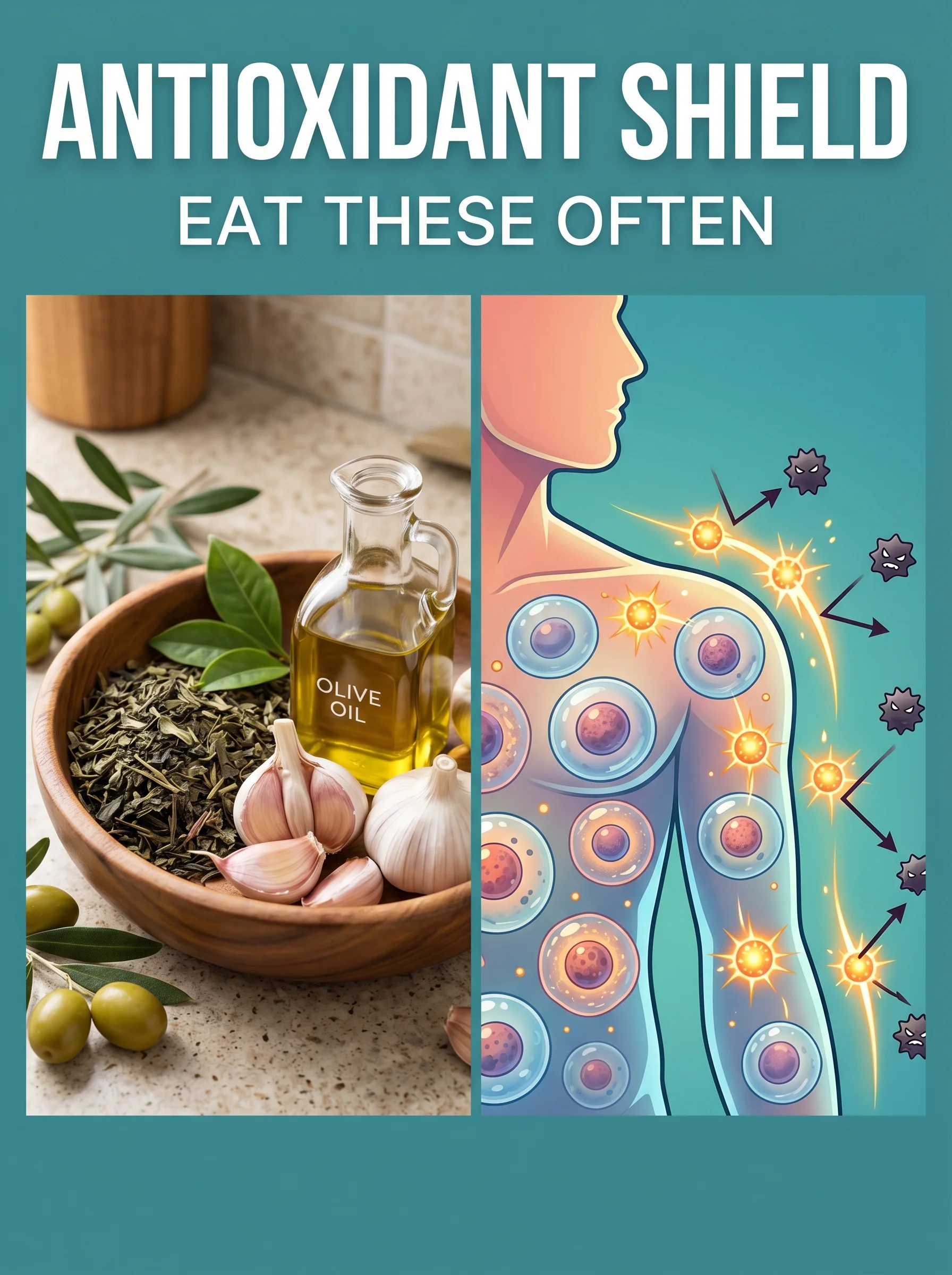
Tomato sauce, roasted tomatoes, and tomato soup are all excellent vehicles. Adding a little olive oil when you cook them helps too, because lycopene is fat-soluble and absorbs better alongside healthy fat. Food is supportive here, not a substitute for screening, so it is still worth knowing the early prostate cancer symptoms men often miss.
8. Garlic and the allium family
Garlic and other allium vegetables, such as onions and leeks, contain powerful anticancer compounds. The sulfur compounds that give garlic its strong smell are the same compounds that have been shown to slow the growth of certain cancer cells in studies. Garlic and onions also double as prebiotics, feeding the healthy gut bacteria that more recent research keeps tying to lower risk.
Fresh, crushed garlic is more potent than pre-minced jarred garlic. Let crushed garlic sit for ten minutes before cooking to let the active compounds form, then add it near the end of the pan rather than burning it at the start.
9. Why is turmeric on every anti-cancer food list?
Turmeric contains curcumin, a compound that has been shown to slow the growth of cancer cells in lab research. Curcumin is the bright yellow pigment in the spice, and it is one of the most studied natural compounds in cancer research. Its main weakness is absorption: on its own, very little curcumin actually makes it into the bloodstream.
The workaround is simple. Black pepper contains piperine, which dramatically boosts how much curcumin your body can use. A pinch of pepper with turmeric, plus a source of fat like olive oil or coconut milk, is the combination that makes the spice worth the effort.
10. Green tea
Green tea is rich in antioxidants called polyphenols, which may help lower the risk of various types of cancer. The specific polyphenol that gets the most attention is EGCG, and green tea is one of the most concentrated dietary sources of it.
Two to three cups a day is the range most studies use. Brewing for two to three minutes at just under boiling preserves the polyphenols without pulling out the bitter tannins. A squeeze of lemon in the cup helps your body absorb more of the antioxidants.
Can any single food prevent or cure cancer?
No. You may have seen viral posts claiming “cancer dies when you eat these foods” or that a “14-day diet swap” can reverse cancer. That framing is misleading. No single food, and no short diet, can prevent, treat, or cure cancer on its own. The honest version is risk reduction: it is the overall pattern of your diet, kept up over years, that helps lower your risk for many cancers.
It is also important to maintain a healthy weight, be physically active, and limit your intake of alcohol, processed meats, red meats, and sugar-sweetened drinks. Those lifestyle levers, along with the food list above, are where most of the real prevention happens. Cutting back on the everyday foods that may feed cancer cells matters just as much as adding the good stuff.
In addition to these foods, certain herbs and spices, such as cayenne pepper, saffron, oregano, and cinnamon, have been studied for anticancer properties. Including these in your diet can add flavor and modest benefits without much effort. None of this replaces care from your medical team, and you should never stop prescribed treatment in favor of a food or supplement.
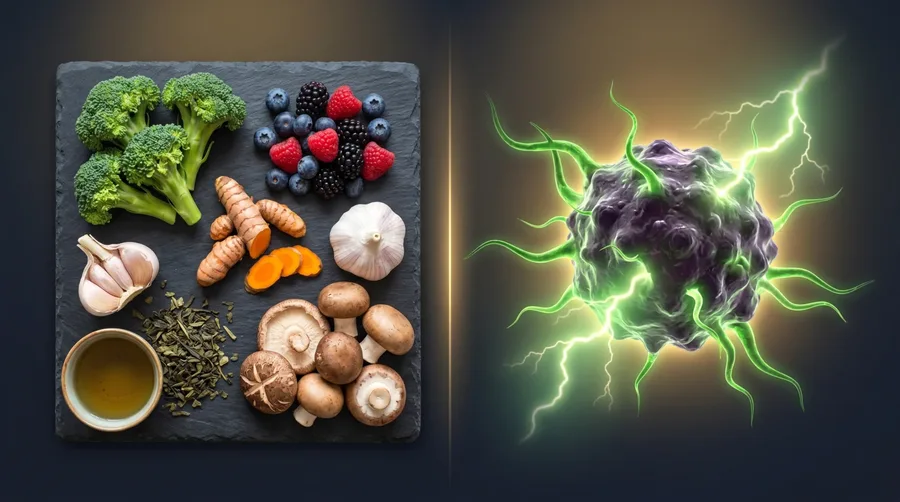
One study showed that a combination of tomato and broccoli was more effective at slowing tumor growth than either tomato or broccoli alone.
How to actually eat this way, week in and week out
The benefits of these foods that help to fight cancer are most reliable when they are part of a balanced diet you keep up. The practical part matters, so here is how to make this list a habit that sticks rather than a list you read once and forget.
- Build one meal a day around leafy greens or cruciferous vegetables.
- Keep frozen berries in the freezer so you always have a cup ready for breakfast.
- Cook tomatoes with olive oil at least twice a week to unlock the lycopene.
- Add a pinch of black pepper whenever you use turmeric.
- Swap one cup of refined grains for whole grains each day.
- Keep a jar of beans in your weekly rotation, stirred into soups, salads, or grain bowls.
- Replace one cup of coffee or soda with green tea.
- Check with your doctor before making major dietary changes if you are on medication or have a diagnosis.
The takeaway
Aim for a colorful, varied diet for the best protection. The ten foods that fight cancer above are not a rigid prescription, they are a rotation, and the goal is to get most of them into your week most of the time. Pair them with a healthy weight, regular movement, and less alcohol and processed meat, and you have done most of what diet can do for you.
If you want more nutrition pieces like this, the newsletter goes out every Friday. One short essay, a handful of good links, nothing you will have to argue with your family about at dinner.
Frequently asked questions
What are the top 10 cancer-fighting foods?
The ten with the most consistent research are leafy greens, beans, nuts, whole grains, cruciferous vegetables, berries, tomatoes, garlic and other alliums, turmeric, and green tea. Each works through fiber, antioxidants, or specific plant compounds. None is a magic bullet, so the goal is to rotate many of them through your week rather than rely on one.
Can any single food actually prevent or cure cancer?
No. No single food can prevent, treat, or cure cancer on its own, and claims that “cancer dies” when you eat a certain food are not accurate. What the research supports is risk reduction over time from an overall pattern rich in plants, plus a healthy weight and less alcohol and processed meat. Always keep following your medical team’s advice.
Do berries and green tea really fight cancer cells?
Both contain compounds studied for slowing cancer cell growth, anthocyanins in berries and EGCG in green tea. In lab and population research these show promise, but eating them does not destroy existing tumors. Treat berries and green tea as supportive everyday habits within a varied diet, not as a treatment or a replacement for medical care.
Which food on this list has the strongest evidence?
Cruciferous vegetables like broccoli and green tea have some of the most consistent evidence, because both contain compounds, sulforaphane and EGCG, that have been studied specifically for their effects on cancer cells. That said, no food here is a magic bullet. The evidence is strongest for diets that include many of these foods together.
Can I get the same benefits from a supplement instead?
Probably not. Most studies that show cancer-fighting effects use whole foods, not isolated extracts, and some supplements, especially high-dose antioxidants, have shown mixed or even negative results in large trials. Food is the form the research actually supports, so reach for the produce aisle before the supplement shelf.
What foods should cancer patients eat during and after treatment?
Needs during treatment are very individual, since appetite, side effects, and nutrition goals differ from prevention. Many of these whole, plant-rich foods still fit, but treatment may call for more protein and gentler textures. Always ask your oncology team or a registered dietitian for guidance tailored to your situation rather than following general lists.
What should I cut back on alongside adding these foods?
Alcohol, processed meats, red meats, and sugar-sweetened drinks are the main items to limit, based on the same research that backs the foods above. Adding the good stuff is easier when you are not still flooding your system with the inputs that raise risk in the first place.
Share this article