How to eat more vegetables with juices and soups (when salads feel like a chore)
Sheenam Midha · Health writer
On this page
TL;DR: If you want to know how to eat more vegetables without forcing down another salad, juices and soups are the easiest way. The World Health Organization suggests at least 14 ounces (400 g) of fruit and vegetables, or five daily portions, to help protect against problems like cancer, diabetes, and heart disease. This is how to make juices and soups work: which greens to use, how to keep the nutrients in, and a gentle trick for learning to like flavors you have always resisted.
Even with everything we know about healthy diets, a lot of people still don’t enjoy eating vegetables. If that is you, learning how to eat more vegetables with juices and soups may be the kindest fix. The World Health Organization suggests at least 14 ounces (400 g) of fruit and vegetables, or five daily portions, to help lower the risk of chronic problems like cancer, diabetes, and cardiovascular disease. That same habit helps close common nutrient gaps too.
But plenty of us still resist leafy greens and vegetables. Some people dislike the bitter taste of greens like arugula or chicory. Others say they don’t have time to prep, or just aren’t drawn to vegetables stir-fried or raw in a salad.
Do you want to add more vegetables to your daily meals without the chore? Let’s look at easy ways to eat more vegetables using natural juices and soups.
What’s the easiest realistic way to actually eat more vegetables?
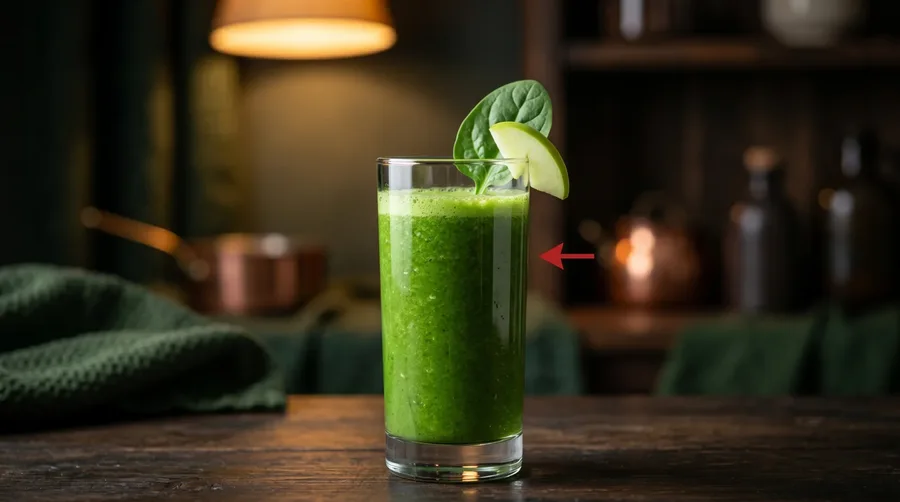
The easiest realistic way to eat more vegetables is to drink or sip them. A green juice blends fruit and vegetables together, so the nutrients go down easily and the acidic fruits soften the bitter notes. Because juices pair well with lemon, pineapple, or passion fruit, the sharpness of greens like kale and arugula fades into the background. The water in the juice holds onto most of the vitamins and minerals, so you still get the benefits in a form that feels like a treat.
There is also a fresh, kinder way to think about goals. A May 2025 study found that aiming to “eat one more serving” tends to drive bigger real changes than chasing the big “five a day” target all at once. So if five feels like a wall, just add one. One extra handful of greens in a juice today is a real win.
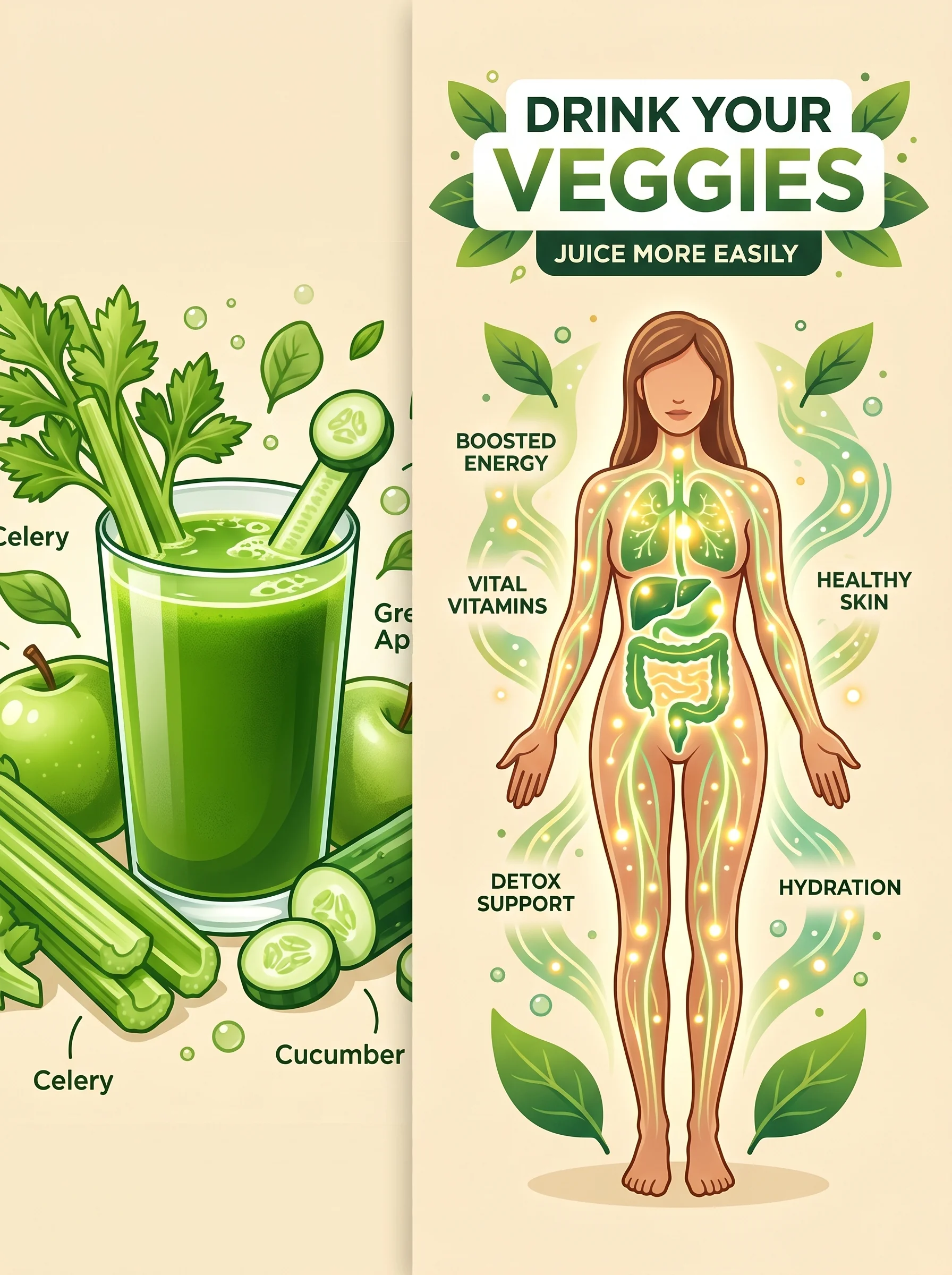
Since a green juice carries both fruit and vegetables, it makes getting essential nutrients simpler. Juices feel different from salads or stir-fries, and they are usually built around more acidic foods, lemon, pineapple, or passion fruit, which mask the bitter flavors so well that you stop noticing them.
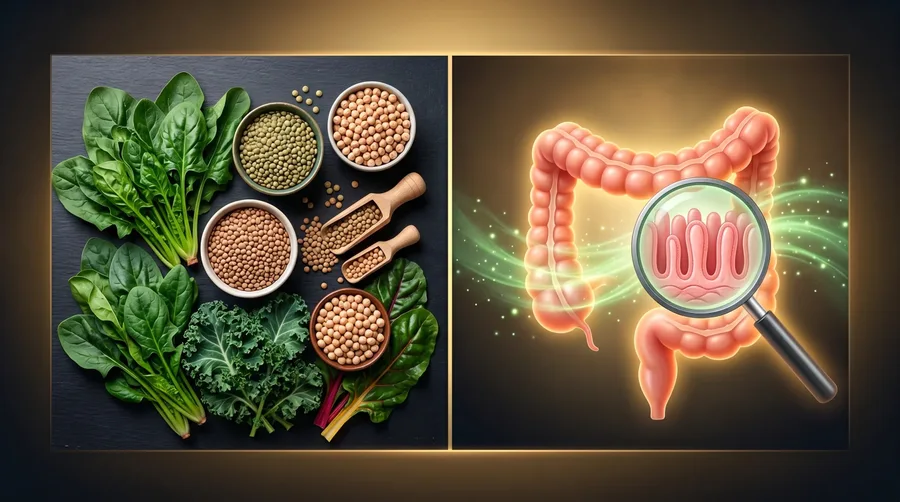
Besides the usual kale, you can rotate watercress, spinach, cabbage, broccoli, beet, parsley, cucumber, or celery. A beet-based blend is a lovely place to start, and a glass of beetroot juice can also support healthy blood pressure. If you lean on spinach, a spinach and apple juice is gentle and friendly to your triglycerides too. Try not to strain or sweeten your juices, or you will pour away the fiber and add sugar you don’t need.
Is it better to eat a variety of vegetables or just more of them?
Both matter, but variety quietly does a lot of the work. Research published in Nature Food in June 2025 tied a diverse mix of colorful plants, not just a bigger pile of one vegetable, to better long-term outcomes like sharper thinking and lower diabetes risk. The takeaway is simple and freeing: you don’t need to eat mountains of kale. You need a rainbow.
This is one more reason juices and soups shine when you want to eat more fruit and vegetables. Both let you mix several colors in a single glass or bowl. A juice with green spinach, orange carrot, and red beet covers more ground than a plate of one steamed vegetable ever could.
What about soup?
If juice isn’t your thing, why not make soup? Soup is a gentle gateway to vegetables when you aren’t used to them, and it is a quiet way to eat several vegetable portions in one sitting. Soups are forgiving, and they let you fold in a lot of greens and vegetables at once.
Aim for one vegetable of each color, green, yellow, and white, and skip ultra-processed add-ins like bacon or sausages. Choose fresh meat and natural seasonings instead. A good base is a protein (red meat or chicken), two vegetables, natural seasonings, and a little pasta or potato. For a vegetarian bowl, lean on carrots, zucchini, cauliflower, pumpkin, and broccoli.
How do you cook vegetables without losing the nutrients?
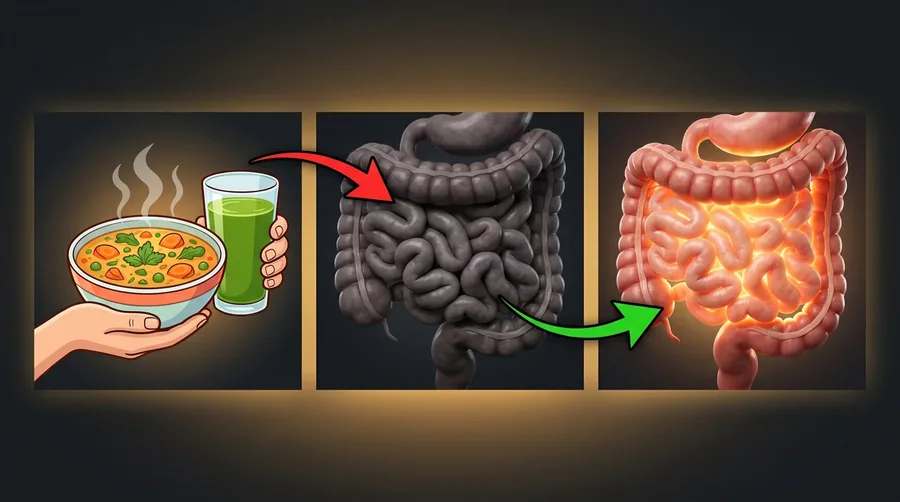
Because the cooking water holds most of the vitamins and minerals, juices and soups are among the best ways to get everything out of your vegetables. With soup, cook it on low heat for as short a time as you can. The hotter the pot and the longer it simmers, the more nutrients slip away. Keeping that broth means you keep the goodness too.

A trick for learning new flavors
Another gentle trick for learning to enjoy new flavors is to pair a food you rarely eat, or even one you dislike, with a food you love. The food you like reshapes the overall flavor and slowly raises your acceptance of the other. Done a few times, this helps you eat vegetables and feel healthier, and as a bonus, the fiber keeps you fuller for longer, which can support weight loss on the side.
A little spice helps too. If you enjoy heat, a pinch of cayenne can wake up a bland soup, and you may have heard it gets talked up as a fat burner. Be honest with yourself here: cayenne and capsaicin may give metabolism and appetite a small nudge, but the effect is modest and it is not a weight-loss shortcut. Use it because it makes your vegetables taste better, and let any extra perk be a bonus.
Are the nitrates in arugula dangerous or good for you?
This question comes up a lot, so let’s be calm and clear. Leafy greens like arugula are naturally rich in nitrates, and the food-based nitrates in vegetables are generally linked to better blood pressure and circulation, not harm. The worry you may have read about involves nitrosamines, which mostly relate to certain processed and cured meats, not fresh greens. For most people, the everyday arugula in a juice or salad sits firmly on the helpful side.
One sensible note while you eat more produce: some fruits and vegetables can carry pesticide residue. A 2025 report noted that diets heavier in higher-residue produce raised pesticide levels in the body. The fix is not fear, it is a quick rinse. Wash your vegetables under running water, and if you like, lean toward lower-residue or organic options for the “dirtier” items. Then keep enjoying your greens.
How to actually make this work
- Blend juices with kale, watercress, spinach, cabbage, broccoli, beet, parsley, cucumber, or celery.
- Don’t strain or sweeten juices, keep the fiber and skip the added sugar.
- Pair vegetables with acidic fruits like lemon, pineapple, or passion fruit to mask bitterness.
- Go for variety, a mix of colors beats a big pile of one vegetable.
- For soups, pick one vegetable of each color (green, yellow, white) and add protein.
- Skip ultra-processed meats like bacon and sausage, use fresh meat and natural seasonings.
- Cook soups on low heat for the least time possible to preserve nutrients.
- Rinse produce under running water, and aim for one extra serving rather than a perfect five.
- Pair a food you dislike with one you love to help your palate warm up to it.
A gentle closing thought
Learning how to eat more vegetables doesn’t have to mean suffering through salads. Juices and soups do the heavy lifting, variety does more than sheer quantity, and the small trick of pairing a food you dislike with one you love can quietly widen what you enjoy. Aim for one more serving than yesterday, not a perfect score. The fiber will help you feel full, which supports weight loss on the side. If you enjoy a fall walk, a handful of roasted chestnuts is a rare low-fat, vitamin-C-rich nut that pairs nicely with this whole-food approach.
If this was useful, the newsletter goes out every Friday with more of the same. You can join the drop if you want it to land in your inbox.
Frequently asked questions
How can I eat more vegetables if I don’t like salads?
Drink and sip them instead. Green juices and vegetable soups let you eat several portions at once, while acidic fruits like lemon or pineapple hide the bitterness. Both keep most of the nutrients, so you get the benefits without forcing down a salad you don’t enjoy.
How many vegetables should I eat daily?
The World Health Organization suggests at least 14 ounces (400 g) of fruit and vegetables, or five daily portions, to help lower the risk of problems like cancer, diabetes, and cardiovascular disease. If five feels like too much, recent research suggests that simply adding one more serving than usual is a realistic, motivating place to start.
Is it better to eat a variety of vegetables or just more of them?
Variety matters as much as quantity. Recent research links a diverse mix of colorful plants to better long-term health than a large amount of any single vegetable. Juices and soups make this easy, since you can blend several colors, like green spinach, orange carrot, and red beet, into one glass or bowl.
Should I strain my green juice?
No. It is better not to strain or sweeten your juices, because straining throws away the fiber and sweetening raises your sugar intake. Keeping the pulp means you keep the part of the vegetable that fills you up and feeds your gut, which is half the reason to drink it in the first place.
Are the nitrates in arugula dangerous or good for you?
For most people, the natural nitrates in arugula and other leafy greens are linked to better blood pressure and circulation, not harm. The nitrosamine worry you may have read about mostly involves processed and cured meats, not fresh vegetables. Rinse your greens, enjoy them, and you are on the helpful side.
Why do my soups lose flavor and nutrients?
Heat and time are the culprits. Cook soup on low heat for as short a time as possible, because the hotter the pot and the longer it simmers, the more nutrients are lost. Keeping the broth helps too, since many vitamins and minerals leach into the cooking water you would otherwise pour away.
How do I learn to like vegetables I currently dislike?
Pair a food you rarely eat, or even one you dislike, with a food you love. The food you enjoy reshapes the overall flavor and gradually raises your acceptance of the other. Repeat it a few times and your palate slowly warms up, which makes eating vegetables feel natural instead of forced.
Share this article