Foods that cause cancer you eat almost every day
Sheenam Midha · Health writer
On this page
TL;DR: The everyday foods that cause cancer risk are not exotic. Processed meats and alcohol have the strongest evidence behind them, while refined sugar, refined carbs, and charred high-heat cooking play a smaller, supporting role. You do not need to starve sugar to stay safe. Lean on whole foods, berries, leafy greens, cruciferous vegetables, turmeric, and green tea, cook with gentler heat, and the rest gets easier.
Most of us eat at least one or two foods that cause cancer risk every week, often without thinking about it. That sounds scary, but it does not have to be. The point here is not to panic over a single hot dog or a slice of cake. It is to gently understand which everyday foods carry real evidence behind them, which ones get blamed unfairly, and what you can reach for instead.
So let’s walk through it together, calmly. We’ll look at the science behind the most harmful foods linked to cancer, separate the solid evidence from the viral fear, and find simple swaps that fit into a normal week.
What everyday foods are linked to cancer?
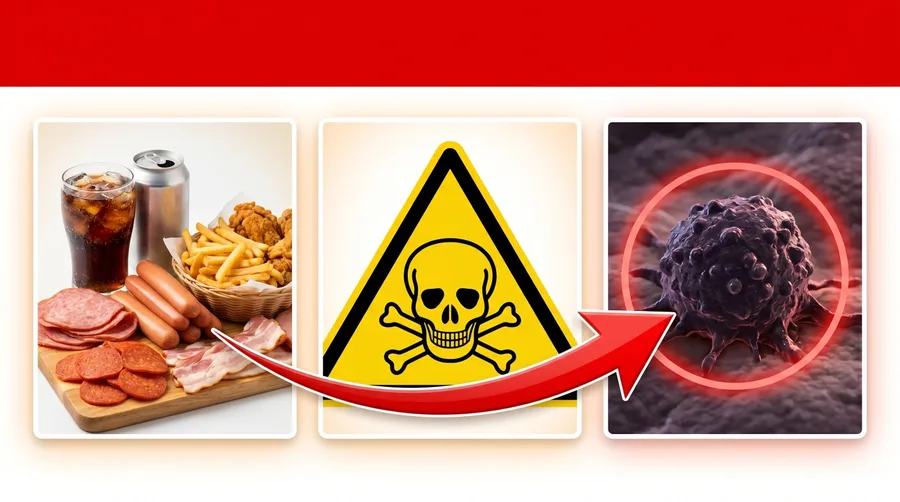
When people search for foods that cause cancer, they usually picture sugar first. But the strongest evidence actually points to processed meats and alcohol. After that come patterns more than single villains: a lot of refined sugar, a lot of refined carbs, and food charred at very high heat, eaten often, over years.
One important thing to hold onto: most of this is about correlation and habit over time, not a single bite flipping a switch. No normal food “gives” you cancer on its own. It’s the overall pattern of eating that nudges your risk up or down. That framing keeps things honest, and a lot less frightening.
Does sugar actually feed cancer cells?
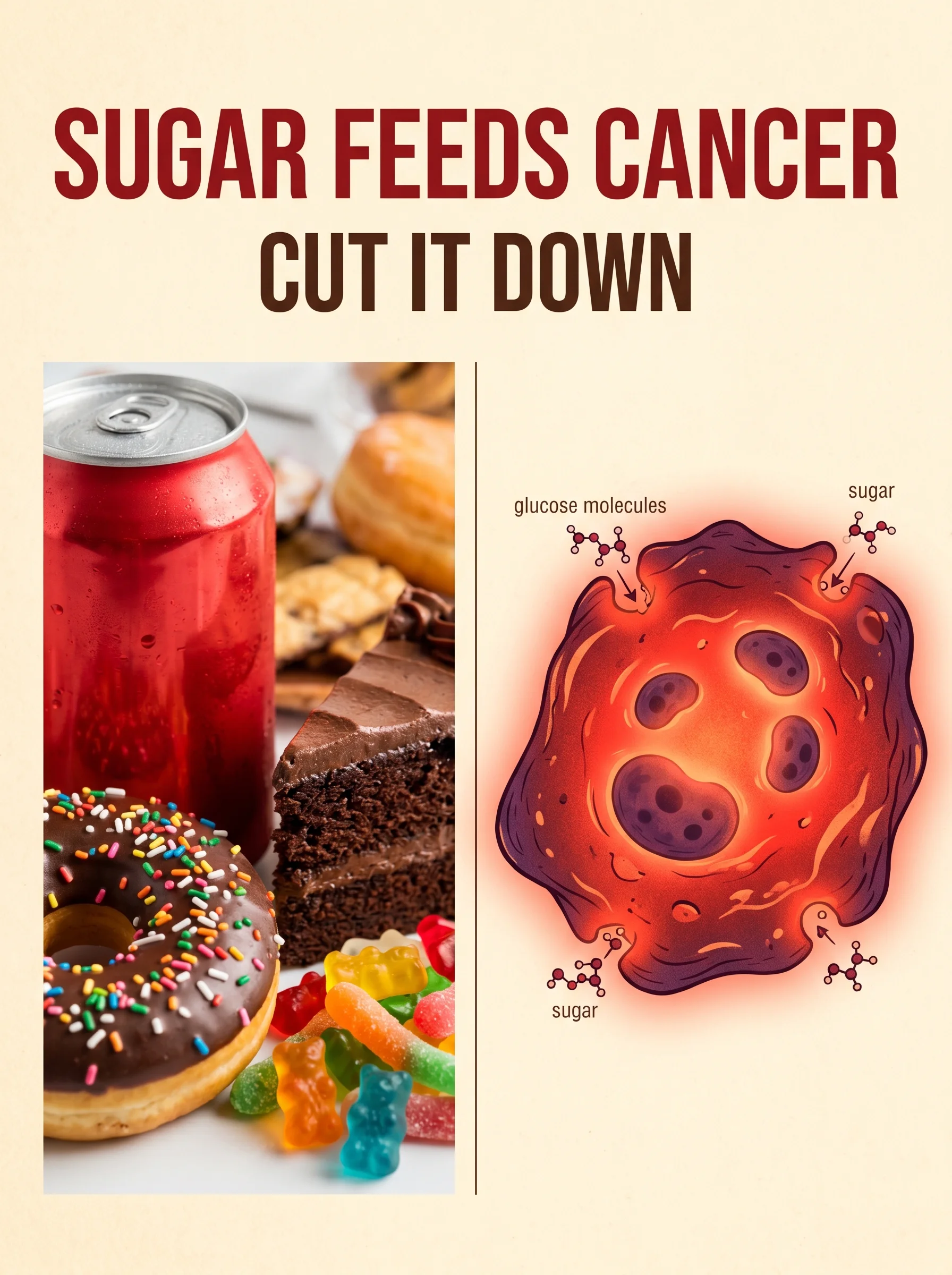
Here’s the honest answer, because this is the big myth to clear up. Yes, cancer cells use glucose to grow, and they often use a lot of it. But so do your brain, your muscles, and every other healthy cell in your body. Cutting sugar from your plate does not starve a tumor. Your body simply makes its own glucose to keep you running.
So the viral line that “sugar feeds cancer, so quit sugar to beat it” is an oversimplification. It is not a treatment, and it should never replace care from your doctor. If you are in treatment, please do not change your diet to try to outsmart cancer without talking to your team first.
Where refined sugar does matter is the slow, indirect route. Soft drinks, baked goods, and processed snacks spike insulin and, eaten often, push weight up over time. Excess body fat and long-term high insulin are linked to higher risk for several cancers. So cutting back on refined sugar is still a smart move, just for the right reasons. If you are curious about the sweetener debate too, our look at what a decade of French data shows on artificial sweeteners and cancer risk is a calm place to start.
The simple swap: lean on whole, fiber-rich foods like fruit, vegetables, whole grains, and beans. They come with the antioxidants and fiber that refined sugar strips away, and they keep your blood sugar steadier through the day.
Are processed meats really carcinogenic?
This is the one with the strongest evidence, so it is worth taking seriously. Processed meats like hot dogs, bacon, sausages, and deli slices are classified by the World Health Organization as a Group 1 carcinogen. That means there is strong evidence they can raise cancer risk, especially colorectal cancer.
The likely culprits are the preservatives, like sodium nitrite, which can form compounds called nitrosamines, plus the high-heat cooking many of these meats get. “Group 1” sounds alarming, but it describes the strength of the evidence, not the size of the risk from one sandwich. An occasional rasher of bacon is not the issue. A daily habit is where it adds up.
The simple swap: reach for fresh, unprocessed proteins most days. Grass-fed beef, free-range chicken, eggs, beans, and wild-caught fish are lower in additives, and oily fish brings anti-inflammatory omega-3 fats along for the ride. Heavy red and processed meat eaters may also want to read our notes on colon cancer warning signs, just so you know what to watch for.
Do refined carbs act like sugar in the body?
In a way, yes. Refined carbohydrates like white bread, white pasta, and white rice break down into glucose quickly, so they nudge the same insulin response we talked about with sugar. They are also stripped of fiber, which means they fill you up briefly and leave you hungry again soon after.
The simple swap: choose whole-grain versions where you can, like brown rice, quinoa, oats, and whole wheat. The fiber slows digestion, steadies blood sugar, and feeds the good bacteria in your gut. They also carry useful nutrients like vitamin E, selenium, and lignans that refined grains leave behind.
How does cooking method change the risk?
It is not only what you eat, it is also how you cook it. Very high-heat methods like grilling, frying, and broiling, especially until food is charred, can create compounds called heterocyclic amines (HCAs) and polycyclic aromatic hydrocarbons (PAHs). In research these have been linked to higher risk of breast, colon, and prostate cancer.
The simple swap: lean on gentler methods more often, like baking, steaming, stewing, and stir-frying. They form fewer of those compounds and tend to keep more nutrients in the food. When you do grill, a quick marinade and trimming off charred bits both help. None of this means you can never have a barbecue. It just means char does not need to be a weekly thing.
What about dairy?
Dairy is one of the more debated items on any list of foods that cause cancer, so let’s keep it measured. Some studies suggest hormones in dairy, like insulin-like growth factor 1 (IGF-1), may encourage cell growth, and high-fat dairy adds saturated fat that has been linked in some research to breast and colon cancer. Other studies show dairy may actually lower colorectal risk. The picture is genuinely mixed.
So you do not need to give up dairy in a panic. If you enjoy it, moderate amounts are fine for most people. If you want to trim the saturated fat, choose lower-fat or plant-based options like almond, oat, or soy milk, and reach for unsweetened yogurt. Whatever you pick, the overall pattern of your week matters far more than any single glass of milk.
What should I eat instead of the foods that raise cancer risk?
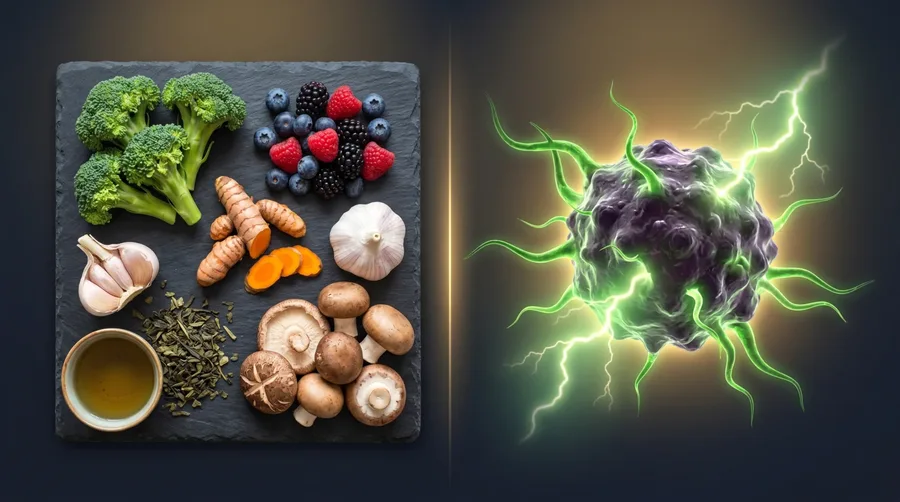
This is the encouraging part. Protecting yourself is not only about cutting things out, it’s about crowding your plate with foods that genuinely help. A few worth keeping in regular rotation:
Berries. They are loaded with antioxidants like vitamin C, anthocyanins, and ellagic acid that help protect cells from damage and calm inflammation. They are also lower in sugar and high in fiber, which makes them a lovely swap for sweeter desserts.
Leafy greens. Spinach, kale, and collard greens bring folate, vitamin K, and a stack of protective plant compounds, all for very few calories. Folate in particular matters for cell health, which is why we wrote a whole piece on folate for colon cancer prevention.
Cruciferous vegetables. Broccoli, cauliflower, and Brussels sprouts contain glucosinolates, compounds studied for their anti-cancer activity. They are filling, fiber-rich, and easy to roast or stir-fry. For more in this vein, see our roundup of foods that block cancer cells.
Turmeric. This golden spice contains curcumin, studied for its anti-inflammatory properties. A pinch in soups, stews, and curries is an easy daily habit, and a little black pepper helps your body absorb it.
Green tea. It is rich in antioxidants called catechins and makes a gentle swap for sugary drinks. If you want even more ideas, our list of proven cancer-fighting foods goes deeper.
The science behind the swaps
Step back and the message is reassuring. Recent research consistently suggests that diets rich in vegetables, fruit, whole grains, and beans are linked with lower risk of several cancers, while diets heavy in processed meat and alcohol are linked with higher risk. No single food is a magic shield, and none is a guaranteed cause. It is the pattern, repeated over years, that shapes your odds.
That is genuinely good news, because patterns are forgiving. One charred steak, one birthday cake, one weekend of bacon does not undo a year of mostly good choices. You are aiming for “more often than not,” not perfection.
How to actually make the changes stick
The evidence is clear that what you eat matters, but how you live matters too. Regular movement, decent sleep, less alcohol, and lower long-term stress all support the same goal. Here is a gentle, doable checklist to start from.
- Treat processed meats and alcohol as occasional, not daily.
- Cut back on refined sugar and sugary drinks, for steadier weight and blood sugar.
- Swap white bread, pasta, and rice for brown rice, quinoa, oats, and whole wheat.
- Cook with baking, steaming, and stir-frying more often than grilling, frying, and broiling.
- Enjoy dairy in moderation, or choose lower-fat and plant-based options.
- Add berries, leafy greens, cruciferous vegetables, turmeric, and green tea to your weekly rotation.
- Move regularly, sleep enough, and go easy on alcohol.
A gentle closing thought
You do not have to overhaul everything overnight, and you do not have to fear your fridge. Ease back on the foods that cause cancer risk, add more of the foods that protect you, and look after the rest of your life too. Small, steady changes add up to a lot more than any crash plan ever will.
If this was useful, the newsletter goes out every Friday with more of the same. You can join the drop if you want it to land in your inbox.
Frequently asked questions
What are the foods that cause cancer most strongly linked in research?
Processed meats and alcohol have the strongest evidence. The World Health Organization classifies processed meats like bacon, hot dogs, and deli slices as a Group 1 carcinogen, mainly for colorectal cancer. Heavy refined sugar, refined carbs, and charred high-heat cooking play a smaller, supporting role.
Does sugar actually feed cancer?
Not in the way viral posts claim. Every cell in your body uses glucose, including healthy ones, so cutting sugar does not starve a tumor. Refined sugar still matters indirectly, because frequent spikes and weight gain over time are linked to higher risk. Cut back for those reasons, not as a treatment.
Are processed meats really carcinogenic?
Yes, the evidence is strong enough that the World Health Organization lists them as a Group 1 carcinogen. The risk comes from preservatives like nitrites and high-heat cooking, and it builds with regular daily intake. An occasional serving is not the concern. A daily habit is where the risk adds up.
Should I give up dairy entirely?
Not necessarily, the research is genuinely mixed. Some studies link high-fat dairy to higher risk, others link dairy to lower colorectal risk. For most people, moderate amounts are fine. If you want to trim saturated fat, choose lower-fat or plant-based options like almond, oat, or soy milk.
Does cooking method really matter that much?
It can, when food is regularly charred at very high heat. Grilling, frying, and broiling can form HCAs and PAHs, compounds linked to breast, colon, and prostate cancer. Gentler methods like baking, steaming, and stir-frying form fewer of them and preserve more nutrients. Marinating and trimming char both help.
Is diet alone enough to prevent cancer?
No, and no diet can guarantee prevention. Food is one important piece alongside regular movement, good sleep, limited alcohol, not smoking, and lower long-term stress. The goal is a supportive overall pattern that lowers your risk, not a single perfect food or a strict rulebook you cannot keep.
Share this article