Do artificial sweeteners contribute to cancer? What a decade of French data shows
Sheenam Midha · Health writer
On this page
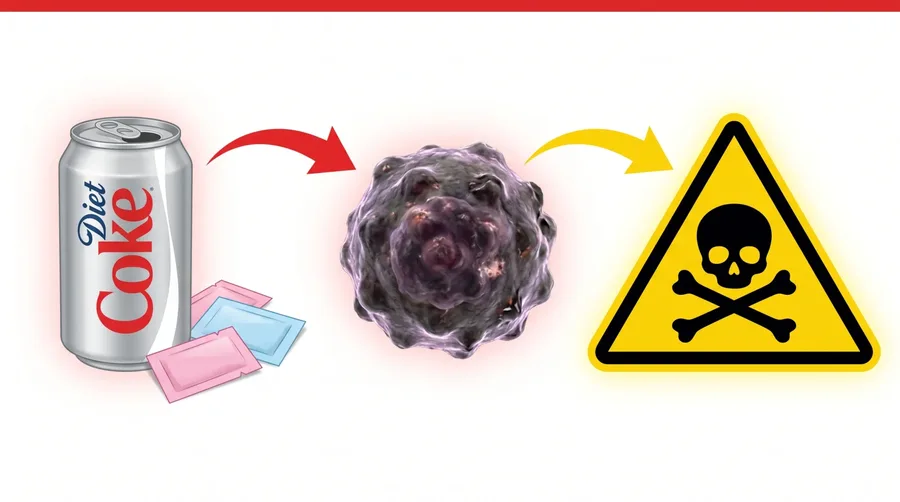
TL;DR: Most people swap sugar for sweeteners to avoid disease, but the evidence is not exactly clean. So do artificial sweeteners contribute to cancer? A French study of over 100,000 volunteers across more than a decade found a link, with regular consumers showing 13 to 14 percent higher odds. Aspartame led the pack at 22 percent for breast cancer. Sucralose had the weakest link. This is association, not proof, and it is reason to ease up, not to panic.
When we talk about health and diet, most people know that watching sugar is one of the simplest ways to protect your weight and keep disease at bay. So when they go looking for a lighter diet, many turn to artificial sweeteners. And then the doubts start: are sweeteners safe, and do artificial sweeteners contribute to cancer?
Since 1940, studies have linked artificial sweeteners with cancer in lab mice. In the 70s, this led the US to put warning labels on anything containing saccharine, much like cigarette packages. The good news is that human research has come a long way since then. Here is what the newer data actually shows, and what it does not.
What did the French study actually measure?
Researchers analyzed more than a decade’s worth of health data from 102,865 French volunteers in the NutriNet-Sante project. The study started in 2009, and researchers tracked the data from that year until January 2021. Every six months, volunteers kept a dietary diary. They wrote down everything they ate and drank during the day, and even took pictures and saved labels so portion sizes could be judged accurately.
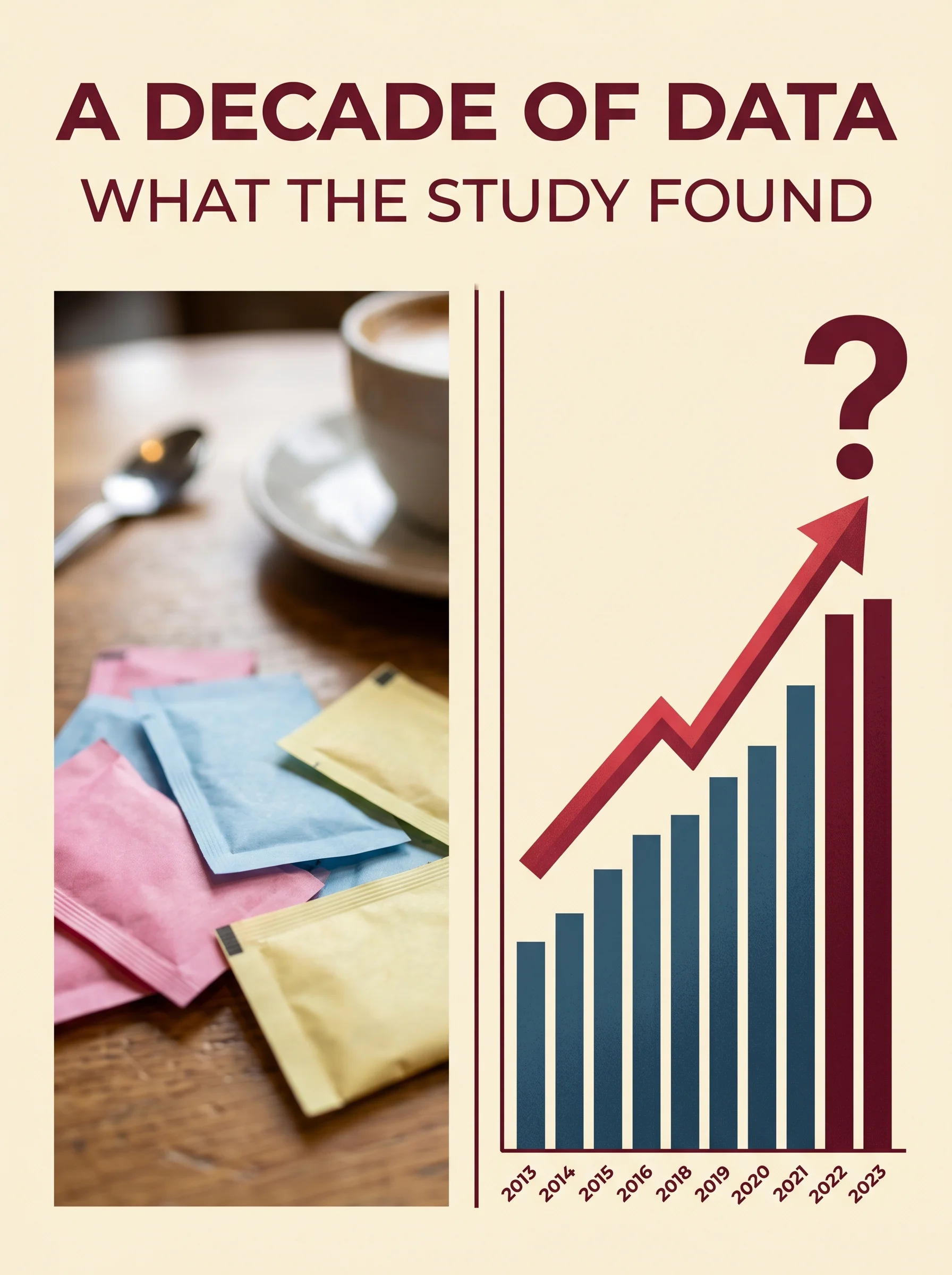
Thanks to these notes, the researchers had a solid record of which sweeteners people consumed and how much they used on an average day. That detail is what makes this one of the more careful human studies we have on the question.
What does research show about artificial sweeteners and cancer?
The headline finding was that consuming artificial sweeteners was associated with a higher risk of cancer. More specifically, people who consumed any kind of artificial sweetener had a 13 to 14 percent higher chance of developing cancer than those who didn’t. Researchers focused on three common sweeteners: aspartame, acesulfame potassium, and sucralose.
Cancer rates were 15 percent higher for frequent consumers of aspartame and 12 percent for those who rarely used it. Aspartame was more linked to breast cancer than the other sweeteners, with a 22 percent higher chance for frequent consumers. Rates were 13 percent for frequent consumers of acesulfame potassium and 12 percent for those who rarely consumed it. Sucralose had the lowest association: only 4 percent for frequent consumers and 3 percent for occasional ones.
One important caveat. This was an observational study, which means it can show an association between cancer risk and artificial sweeteners but cannot prove one causes the other. People who reach for sweeteners often differ in other ways too, from overall diet to lifestyle. So the findings are a reason to be thoughtful, not a verdict. If you are curious about the bigger picture, our evidence-based guide to food choices and cancer risk puts this in context.
Does aspartame cause cancer, and what about bladder cancer?
This is where the headlines get tangled. In 2023 the World Health Organization’s cancer research arm (IARC) labeled aspartame “possibly carcinogenic,” its Group 2B category. That phrase gets widely misread as “confirmed cause,” but it simply means the evidence is limited and a link cannot be ruled out. The same group of food-safety regulators kept the existing safe daily limit, and the FDA still considers aspartame safe within those amounts.
Searches for artificial sweeteners and bladder cancer, and for artificial sweeteners and colon cancer, spike whenever a new study lands. The honest answer is that the French data pointed most clearly to overall cancer and breast cancer, not to a single confirmed site like the bladder. Older bladder cancer worries trace back mostly to those 1970s saccharine experiments in rodents, which used doses far beyond anything a person would consume. So far, the human research has not confirmed those early fears.
Which sweeteners are allowed in the US today?
Nowadays, the FDA allows six artificial sweeteners in the US, and they show up across packaged foods. Saccharine was discovered in 1879 and turns up in fruit juices, sweets, jams, and cookies, especially those wearing a “low-fat” label. Aspartame was approved by the FDA in 1981 and is frequently added to sodas, energy drinks, desserts, sweets, gums, and weight-control products.
Acesulfame potassium, approved in 1988, is used in sodas and protein shakes, and can be added to medicines to make them easier to take. Sucralose was approved in 1998 and shows up in most of the same things as aspartame. Neotame and advantame, approved in 2002 and 2014, are not as common yet. The first four are allowed in the European Union too.
Which sweetener is safest: stevia, monk fruit, or erythritol?
If diet soda fears have you eyeing the alternatives, you are not alone. Plant-based options like stevia and monk fruit are often positioned as gentler choices, and so far they have not carried the same cancer signal in human studies. Erythritol, a sugar alcohol, made headlines in 2026, but that scrutiny is about heart and blood-vessel concerns, not cancer, so it is worth keeping the two issues separate.
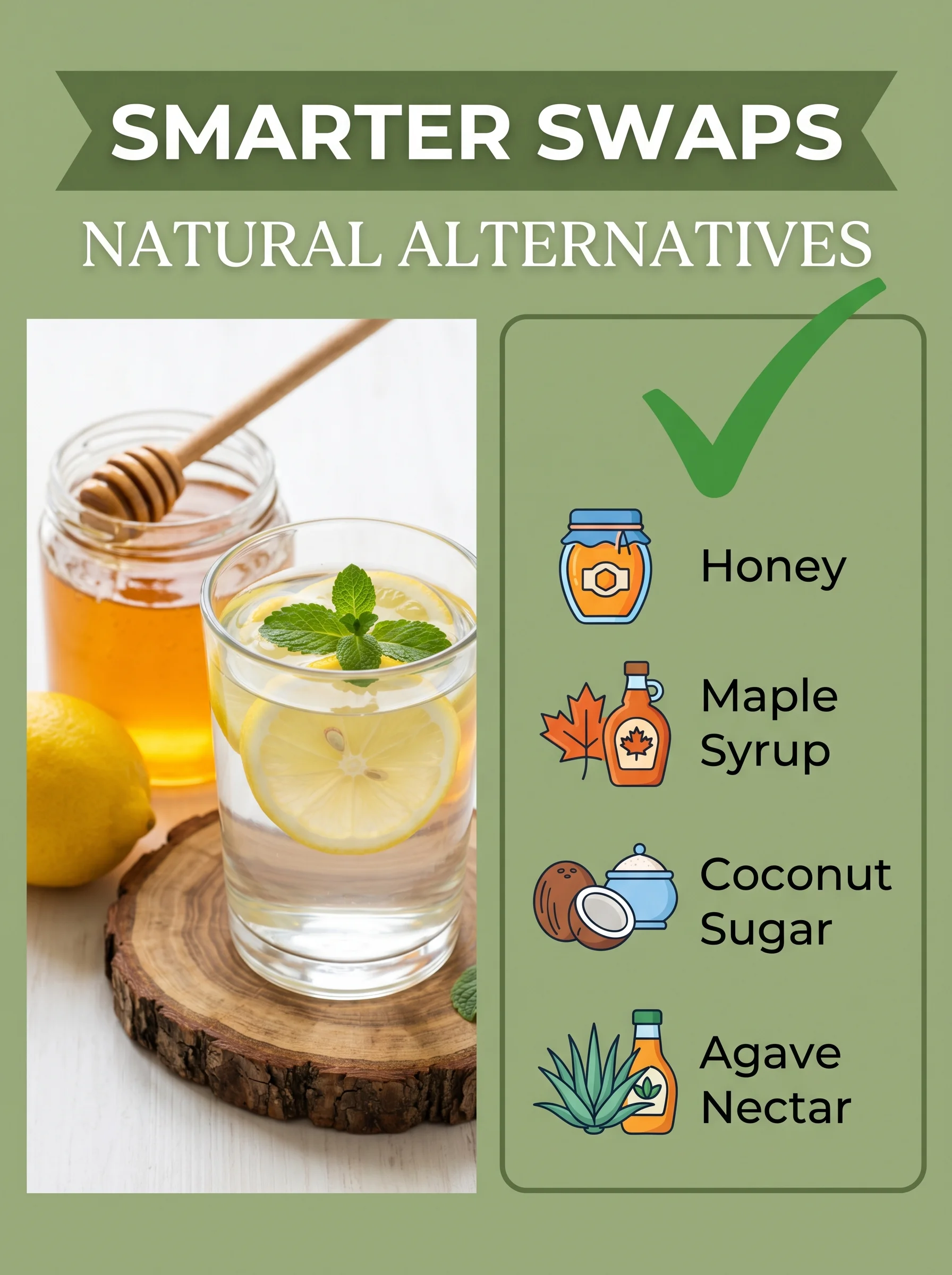
The simplest move of all is to lean on whole sweeteners your body already knows: a little honey, a few dates, or fruit blended into your food. Cutting back on the sweet taste overall, rather than chasing the perfect substitute, tends to pay off most. Filling your plate with a varied mix of plants and minimally processed foods does far more good than fretting over a single packet.
The takeaway
The evidence on artificial sweeteners and cancer risk is not a smoking gun, but a decade of data from more than a hundred thousand French adults is hard to shrug off. Frequent aspartame use carried the biggest jump, especially for breast cancer, while sucralose sat at the low end. None of this means panic, and it is never a reason to change prescribed medicine on your own. It is simply a nudge to enjoy the sweet stuff with a lighter hand. While you are tuning up your diet, our guide to early signs of cancer worth knowing is a good companion read. If you want more pieces like this landing in your inbox, the newsletter goes out every Friday.
Frequently asked questions
Do artificial sweeteners contribute to cancer?
A large French study found that people who regularly consumed artificial sweeteners had a 13 to 14 percent higher chance of developing cancer than non-consumers. It is an association, not proof of cause, so the sensible response is to use sweeteners modestly rather than to avoid them in fear.
Does aspartame cause cancer?
Aspartame showed the strongest link in the French data, with a 22 percent higher breast cancer chance for frequent users. The WHO’s cancer arm calls it “possibly carcinogenic,” which means limited evidence, not a confirmed cause. Regulators and the FDA still consider it safe within daily limits.
Do artificial sweeteners cause bladder cancer?
Bladder cancer worries date back to 1970s saccharine experiments in rodents that used very high doses. Human research, including the French study, has not confirmed a clear bladder cancer link. The clearer associations in people have been with overall cancer and breast cancer, not the bladder.
Is diet soda actually safe to drink?
An occasional diet soda is not a danger, and within-limit sweetener use is deemed safe by regulators. The concern is steady, heavy daily intake, which the French study tied to modestly higher cancer odds. Treating diet soda as a sometimes drink rather than a default is the balanced move.
Which sweetener is safest: stevia, monk fruit, or erythritol?
Stevia and monk fruit are plant-based and have not shown the same cancer signal as aspartame in human studies, so many people prefer them. Erythritol’s recent scrutiny is about heart and blood-vessel risk, not cancer. Whole options like honey, dates, or fruit are the gentlest choices.
How much aspartame per day is considered too much?
Regulators set an acceptable daily intake that most casual users never reach, and staying within it is considered safe. The French study’s higher risk showed up in frequent, long-term consumers. Cutting back on the overall sweet taste, rather than counting packets, is the easiest way to stay comfortable.
Share this article