Early warning signs of cancer you shouldn't ignore
Sheenam Midha · Health writer
On this page
TL;DR: Cancer is the word that strikes fear into our hearts, but knowledge is power. The early warning signs of cancer are often subtle whispers from our bodies, not loud alarms, and spotting them early can change the outcome. Here are twelve symptoms worth paying attention to, from unexplained weight loss and fatigue to mole changes, night sweats, and persistent pain, plus how long each one should last before you call your doctor.
Cancer is a complex disease that can affect anyone, regardless of age, gender, or lifestyle. It occurs when abnormal cells in the body divide uncontrollably and form tumors. While there are many types of cancer, they all share one common characteristic, the potential to be life-threatening if not detected and treated early. That is exactly why learning the early warning signs of cancer matters so much, because the symptoms below are often easy to brush off until they are not.
The exact cause of cancer is often unknown. It involves a combination of genetic mutations and external triggers that disrupt normal cell growth regulation mechanisms. This leads to uncontrolled cell division and tumor formation. There are several known risk factors that can increase a person’s likelihood of developing cancer. These include genetic predisposition, exposure to certain chemicals or substances (such as tobacco smoke), radiation exposure, unhealthy diet and lifestyle choices (including excessive alcohol consumption and lack of physical activity), infections such as HPV or hepatitis viruses, and environmental factors like air pollution.
It’s important to note that while these risk factors may increase the chances of developing cancer, they do not guarantee its occurrence. Many people with no apparent risk factors still develop cancer. Understanding the causes and risk factors can help individuals make informed decisions about their health. By avoiding known carcinogens and adopting healthy habits such as regular exercise and a balanced diet rich in fruits and vegetables, you can significantly reduce your risk of developing this devastating disease. If you want a place to start, these proven cancer-fighting foods are an easy, everyday habit to build on.
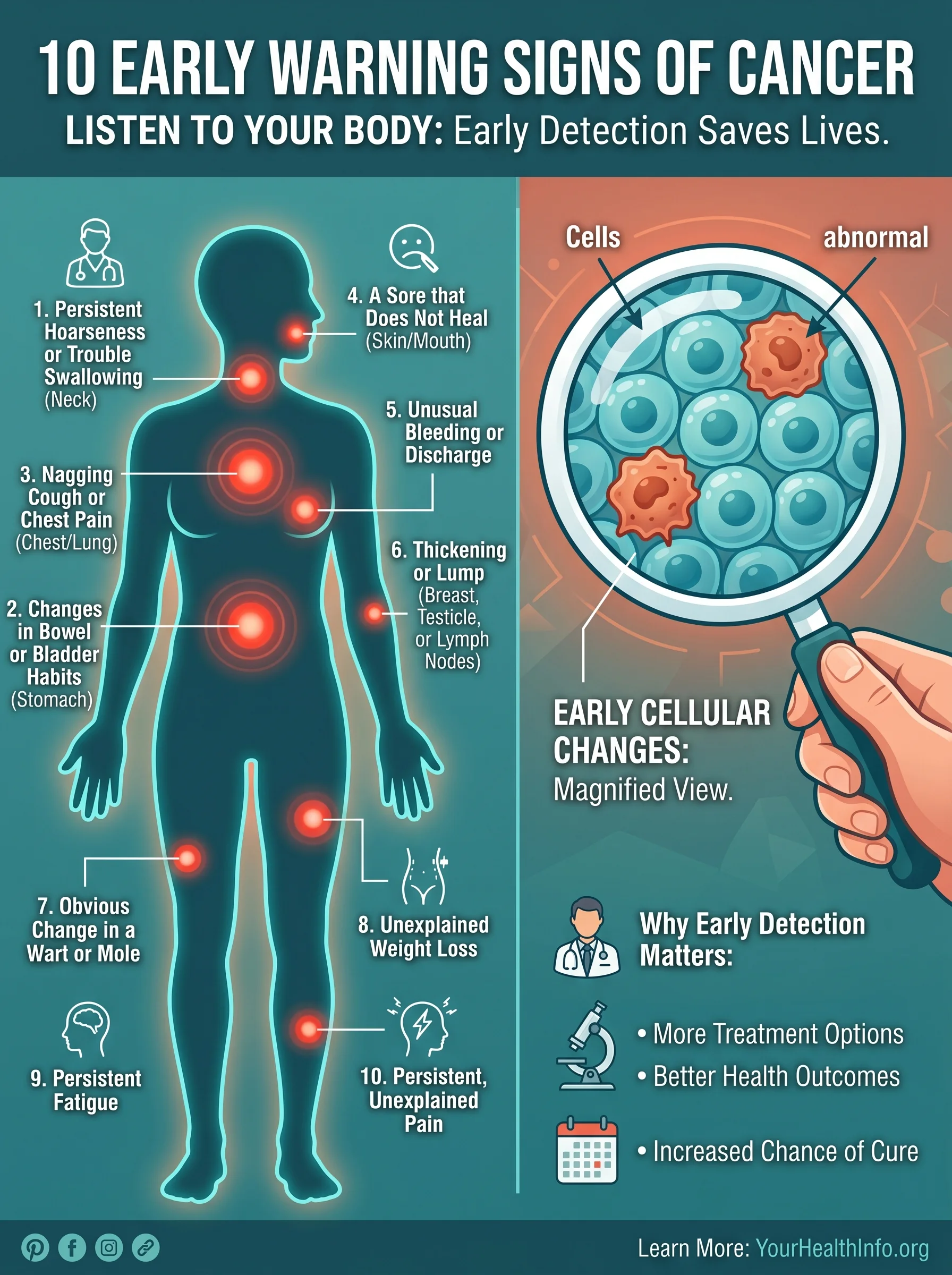
Cancer symptoms may vary depending on the type and stage of the disease. However, there are some common early warning signs of cancer that everyone should pay attention to. The theme that ties them together is simple: know your normal, and take notice when something quietly shifts and stays that way.
1. Unexplained weight loss
Losing weight can be a goal for many people, but when it happens unexpectedly and without any effort on your part, it may be cause for concern. Unexplained weight loss is one of the early signs of cancer that should not be ignored, and along with persistent fatigue it is one of the most commonly overlooked. If you have lost more than 10 pounds without making any changes to your diet or exercise routine, it’s important to pay attention to this symptom.
While there could be other reasons for sudden weight loss, such as stress or hormonal imbalances, it’s always better to err on the side of caution and consult with a healthcare professional. Unintentional weight loss can occur in various types of cancers including lung, pancreatic, stomach, and colon cancer. Tumors release substances into the body that can affect metabolism and lead to rapid weight loss. With the early signs of pancreatic cancer in particular, weight loss often shows up before more obvious symptoms, which is one reason it can go unnoticed for so long.
2. Fatigue and weakness
Feeling tired or lacking energy from time to time is normal. However, when fatigue and weakness become persistent and unexplained, it could be a potential early sign of cancer. Cancer cells can disrupt the normal functioning of the body by releasing chemicals that cause fatigue. This overwhelming feeling of tiredness may persist even with adequate rest and sleep.
If you find yourself struggling to complete everyday tasks or experiencing difficulty in concentrating, it’s important not to ignore these symptoms. While there are numerous possible causes for fatigue and weakness, including stress, poor diet, lack of exercise, or certain medical conditions like anemia or thyroid problems, if these symptoms are prolonged without any apparent reason, it’s crucial to consult your healthcare provider for further evaluation. When unexplained fatigue lingers for several weeks despite good rest, that steadiness is the part worth getting checked.
3. Changes in bowel habits
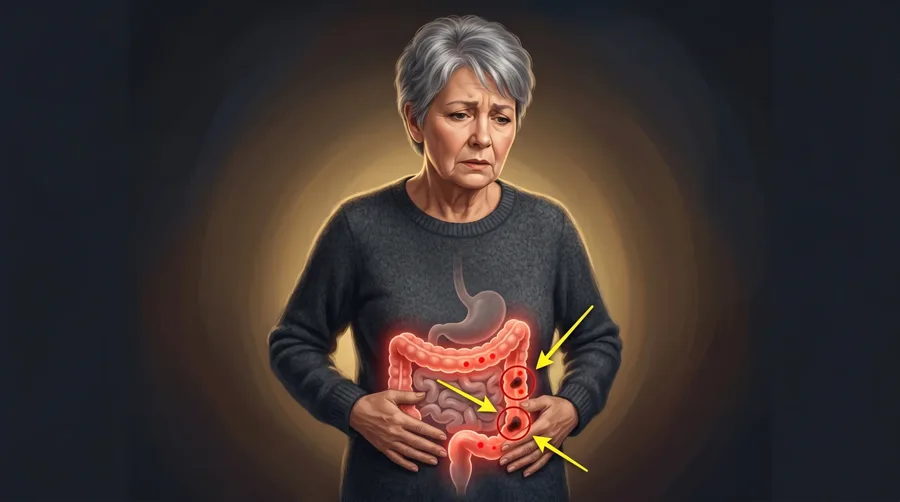
Any changes in bowel habits can be an indication of something going wrong within our bodies, including the possibility of cancer. These can range from persistent diarrhea or constipation to unusual stools such as pencil-thin or bloody stools.
Persistent diarrhea could indicate issues with the colon or rectum, while chronic constipation might point towards colorectal cancer. Bloody stools may be a sign of gastrointestinal bleeding which could be caused by various types of cancers like colon or rectal cancer. If any abnormal bowel habits persist for more than a couple of weeks without any apparent cause (like dietary changes), it would be wise to consult your doctor. If you want to understand the early signs of colon cancer in more detail, these colon cancer warning signs are worth a careful read.
4. Changes in bladder habits
Changes in bladder habits can be an early sign of cancer. One common change is increased frequency and urgency to urinate. You may find yourself needing to use the bathroom more often than usual or feeling a sudden urge that cannot be ignored. This could indicate a problem with your bladder or urinary tract.
Another possible symptom is blood in the urine, also known as hematuria. If you notice pink, red, or brown discoloration in your urine, it’s crucial not to dismiss it as something insignificant. Blood in the urine can occur due to various reasons, including bladder cancer. Additionally, experiencing pain or discomfort while urinating should never be ignored. In men, changes in urinary flow, frequency, or urgency can also be among the early signs of prostate cancer, and these early prostate cancer symptoms men miss are easy to wave off for far too long.
5. Difficulty swallowing or hoarseness
Difficulty swallowing, also known as dysphagia, can occur when there is a blockage or narrowing in the throat or esophagus. This can be caused by various factors including tumors or inflammation. Similarly, hoarseness may be a result of vocal cord nodules or polyps, which can be precancerous. These seemingly harmless symptoms could actually be early signs of cancer, and a hoarseness or cough that does not settle is also among the early signs of lung cancer worth mentioning to your doctor.
6. Skin changes or sores that won’t heal
Our skin is the largest organ in our body, and it can often give us important clues about our overall health. If you notice a sore or lesion on your skin that doesn’t seem to be healing as it should, it could be a cause for concern. This includes wounds that take longer than usual to scab over and start the healing process. Sometimes these sores may even bleed or ooze fluids. A sore that won’t heal is one of the classic early signs of skin cancer.
Skin changes can also manifest as discoloration, such as darkening or yellowing of the skin, redness or inflammation around a particular area, itching, tenderness, or thickening of the skin.
7. Lumps and bumps
One of the early signs of cancer that should never be ignored is the presence of lumps or bumps on your body. These can appear anywhere, but are most commonly found in the breasts, testicles, neck, and armpits. Not all lumps are cancerous. However, it is crucial to have any new or unusual growths checked out by a healthcare professional as soon as possible. A new lump or thickening in the breast or underarm is among the earliest signs of breast cancer, which is one reason regular self-checks matter.
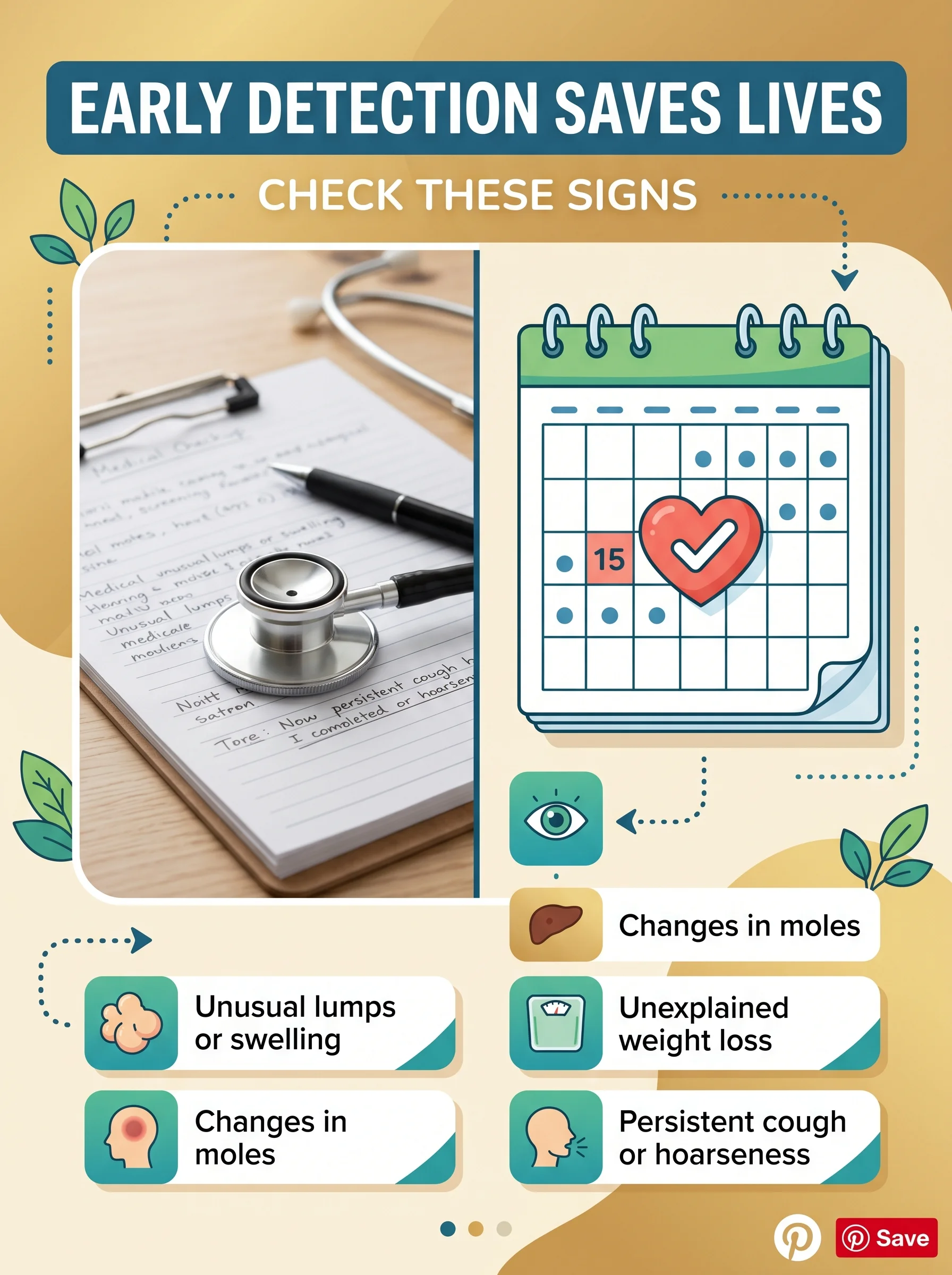
In some cases, a lump may be small and painless, while in others it may grow rapidly or cause discomfort. Lumps associated with cancer may feel hard or uneven under the skin. If you notice any unexplained lumps or bumps on your body that don’t go away after a few weeks, make an appointment with your doctor.
8. Unexplained pain
Unexplained pain refers to discomfort or soreness that cannot be attributed to an injury or specific reason. It may come and go, or it could be constant. The location of the pain can vary depending on the type of cancer and its stage. If you experience ongoing headaches, backaches, abdominal pains, bone pains, or any other unexplained discomfort that lasts for more than a few weeks without obvious reasons such as injury or strain, it is crucial to consult with your healthcare provider.
9. Persistent indigestion
Indigestion, also known as dyspepsia, is a common digestive problem that can occur for various reasons. While it is usually nothing to worry about, persistent or recurring indigestion could be a sign of something more serious, such as cancer. Indigestion typically presents with symptoms like bloating, discomfort in the upper abdomen, and feeling full too quickly. It can also cause heartburn and nausea. These symptoms may come and go but persisting over time should not be ignored.
10. Changes in moles
Moles are common and usually harmless, but it’s important to pay attention if they start to change in size, shape, or color. This could be a potential warning sign of skin cancer. Keep an eye out for any new moles that appear on your body or existing ones that undergo changes.
If you notice a mole becoming asymmetrical, with irregular borders or different shades of color within it, it’s time to take action. Additionally, if a mole starts to itch, bleed, or become painful without any apparent reason, don’t ignore it. These symptoms can indicate melanoma, the most dangerous form of skin cancer. Regularly check your entire body for any suspicious moles and consult with a dermatologist if you have concerns.
11. Persistent fevers
Fever is a common symptom that can be caused by various factors, such as infections or inflammation. However, persistent fevers could also be an early sign of cancer. When your body is fighting off cancer cells, it can trigger an immune response that leads to a fever. If you have been experiencing unexplained fevers for more than a week or if they come and go without any apparent reason, it’s important to take note of this symptom and seek medical attention. Most cases of fever are not related to cancer at all, but recognizing the potential link can help in early detection.
12. Unexplained night sweats
Night sweats refer to excessive sweating that occurs during sleep without any apparent cause. They are different from the normal sweating that helps regulate body temperature during physical activity or hot weather. If you find yourself frequently waking up with soaked sheets and clothing, it’s important not to ignore this symptom.
Unexplained night sweats can indicate various types of cancer including lymphoma, leukemia, or even certain solid tumors. Isolated episodes of nocturnal perspiration do not automatically mean you have cancer. However, if they persist for an extended period along with other concerning symptoms like unexplained weight loss or fatigue, it is essential to consult your healthcare provider.
Why are early warning signs of cancer appearing in younger adults?
For a long time, many of these symptoms were thought of as something to watch for later in life. That picture is shifting. Recent research suggests early-onset cancers are climbing, with people born around 1990 carrying a noticeably higher risk than those born a few decades earlier. Prevention organizations have been raising the alarm, and the message for 2026 awareness has been a gentle but firm one: know your normal.
The danger is rarely the symptom itself. It is the quiet thought, “I’m too young for that,” which leads people to wait. That delay is what turns a treatable problem into a harder one. If you are under 50 and a symptom on this list lingers, your age is a reason to get it checked, not a reason to wait. You are allowed to ask your doctor to take it seriously. For a closer look at the symptoms people most often dismiss, these 10 early signs of cancer people ignore until it’s too late are worth knowing.
How long should a symptom last before you see a doctor?
A handy rule of thumb runs through almost every symptom above: most of these early warning signs of cancer become worth a doctor’s visit when they last more than two to three weeks without an obvious explanation, or when they keep coming back. A passing cough, a one-off bad night’s sleep, or a single off day is rarely the concern. It is the steadiness, the symptom that settles in and stays, that matters.
You do not need to wait until you are certain. Bring it up early, ask what is normal for you, and let a professional do the reassuring or the testing. Most of the time the news will be ordinary, and that peace of mind is worth the appointment.
The takeaway
Experiencing one or more of these symptoms does not guarantee a cancer diagnosis. Many conditions can cause similar manifestations. If you experience any of the symptoms mentioned here, don’t panic but do take them seriously. It’s always better to be safe than sorry when it comes to your health. Consult with a healthcare professional who can provide proper evaluation and guidance. Leading a healthy lifestyle that includes regular exercise, a balanced diet, avoiding tobacco products and excessive alcohol consumption can significantly reduce your risk of developing cancer. A plate built around real, plant-rich food helps too, and these foods that block cancer cells are an easy supportive habit, not a substitute for screening or medical care. Stay vigilant and proactive about your health. If you want more pieces like this in your inbox every Friday, the newsletter is the place.
Frequently asked questions
What are the early warning signs of cancer you should never ignore?
The most commonly overlooked early signs are unexplained weight loss and persistent fatigue, along with new lumps, changes in bowel or bladder habits, a sore that won’t heal, mole changes, persistent indigestion, unexplained pain, fevers, and night sweats. Any of these that lasts more than two to three weeks deserves a doctor’s look.
What early cancer signs do young people tend to ignore?
Younger adults most often dismiss unexplained weight loss, ongoing fatigue, changes in bowel habits, and persistent pain, usually thinking they are “too young” to worry. With early-onset cancers rising, that delay is risky. If you are under 50 and a symptom lingers, your age is a reason to get checked, not a reason to wait.
When should unexplained fatigue or weight loss be checked?
Get checked if you lose more than 10 pounds without changing your diet or exercise, or if fatigue stays persistent despite good rest for several weeks. Both can have ordinary causes like stress, anemia, or thyroid issues, but they are also among the most-cited overlooked early signs of cancer, so a quick evaluation is worth it.
How long should a symptom last before seeing a doctor?
As a general guide, most early warning signs of cancer are worth a visit when they last more than two to three weeks without an obvious explanation, or when they keep returning. You do not need to be certain. It is the steadiness of a symptom, not its severity, that signals it is time to ask a professional.
What mole changes are worth worrying about?
Watch for a mole becoming asymmetrical, with irregular borders or different shades of color within it. If a mole starts to itch, bleed, or become painful without any apparent reason, don’t ignore it. These changes are among the early signs of skin cancer and can indicate melanoma, its most dangerous form, so see a dermatologist.
Can lifestyle changes actually lower cancer risk?
Yes. Leading a healthy lifestyle that includes regular exercise, a balanced diet rich in fruits and vegetables, avoiding tobacco products, and limiting excessive alcohol can significantly reduce your risk of developing cancer. These habits are supportive, not a cure or a replacement for screening, but they meaningfully tip the odds in your favor.
Share this article