Foods That Fight Cancer: 10 Everyday Picks
Sheenam Midha · Health writer
On this page
TL;DR: The foods that fight cancer are the ones that quietly protect your cells from damage, calm inflammation, and help your body defend itself. Berries, cruciferous vegetables, leafy greens, garlic, nuts and seeds, tomatoes, green tea, whole grains, citrus, and turmeric all earn a spot. No single food prevents or cures cancer. What matters is the overall pattern, eaten most days. Small, sustainable changes add up over time.
Today, we’re diving into a topic that’s incredibly important for anyone looking to boost their health and well-being: foods that fight cancer. So, grab a cup of tea, sit back, and let’s get started.
First things first, let’s talk about what we mean by foods that fight cancer. These are foods that contain specific nutrients and compounds known to help protect your cells from damage and reduce inflammation, which can lower the risk of cancer over time. Think of these foods as your body’s natural defense team, working quietly in the background to keep you healthy.
Cancer develops when cells in your body start to grow uncontrollably. This can happen due to many factors, including genetics, lifestyle choices, and environmental exposures. Research has shown that diet plays a real role in cancer risk. By eating a variety of nutrient-rich foods, you give your body more support to fight off potential threats. If you’re curious about the other side of the plate, here are the foods feeding cancer cells you eat almost every day.
What are the top 10 foods that fight cancer?
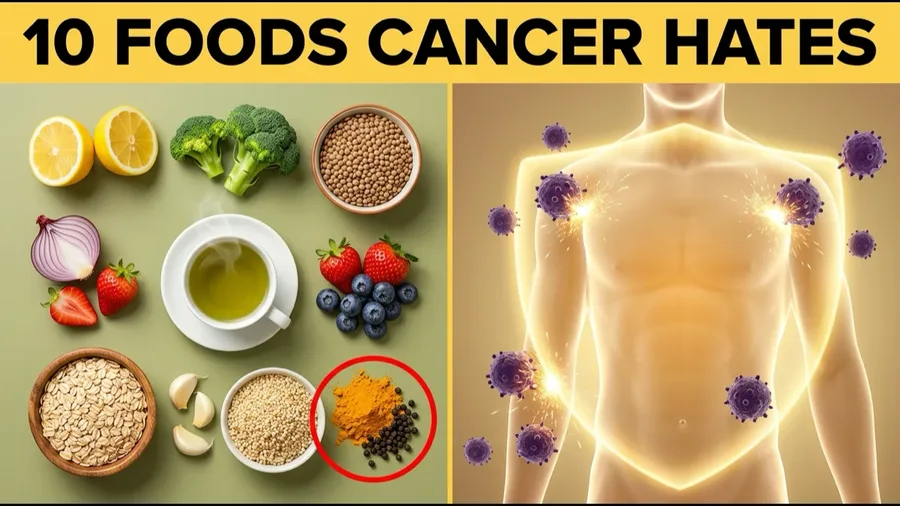
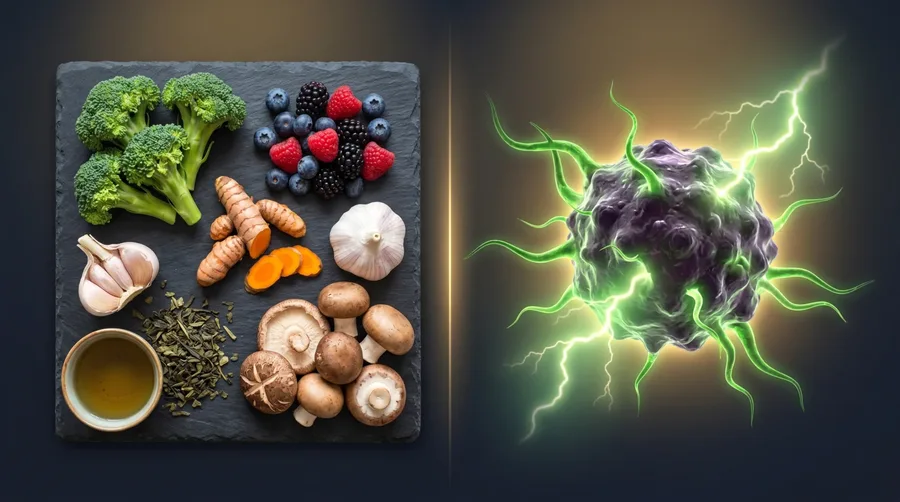
The short list runs ten deep: berries, cruciferous vegetables, leafy greens, garlic, nuts and seeds, tomatoes, green tea, whole grains, citrus fruits, and turmeric. Each one carries specific nutrients or compounds that protect cells from damage, reduce inflammation, or support the immune system. These are foods that fight cancer and inflammation at the same time, which is part of why they keep showing up on every dietitian’s list. Together, they’re your body’s natural defense team.
1. Berries
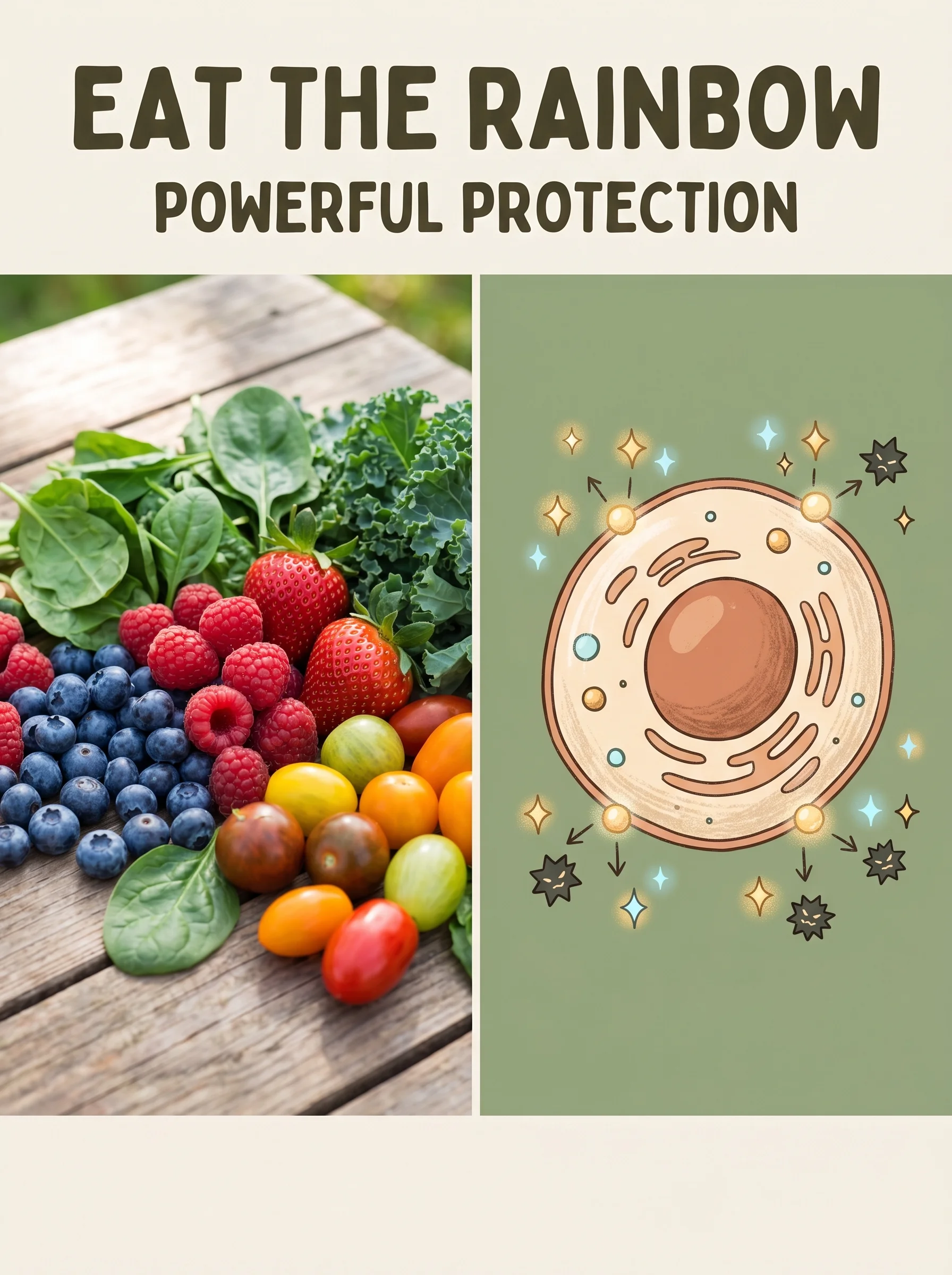
Berries, like blueberries, strawberries, and raspberries, are packed with antioxidants, vitamins, and fiber. Antioxidants help protect our cells from damage caused by free radicals, which can lead to cancer. Studies suggest that the polyphenols in berries can help slow the growth of cancer cells and limit the spread of tumors. They’re also one of the easiest foods that help fight cancer to add to your day, in smoothies, salads, or as a simple snack.
2. Cruciferous vegetables
Cruciferous vegetables, such as broccoli, cauliflower, and Brussels sprouts, contain glucosinolates, which are sulfur-containing compounds. These have been shown to support the body’s natural detox pathways and reduce inflammation. Including a variety of cruciferous vegetables gives you a range of flavors and textures, so healthy eating stays interesting. If raw salads feel like work, you can eat more vegetables with juices and soups instead.
3. Leafy greens
Leafy greens like spinach and kale are rich in vitamins, minerals, and antioxidants. They contain carotenoids, pigments that help protect cells from damage. Research suggests that a diet high in leafy greens may lower the risk of several types of cancer, including breast, skin, and stomach cancer. Greens slip easily into salads, smoothies, soups, or a quick side dish.
4. Why is garlic so often called a cancer-fighting food?
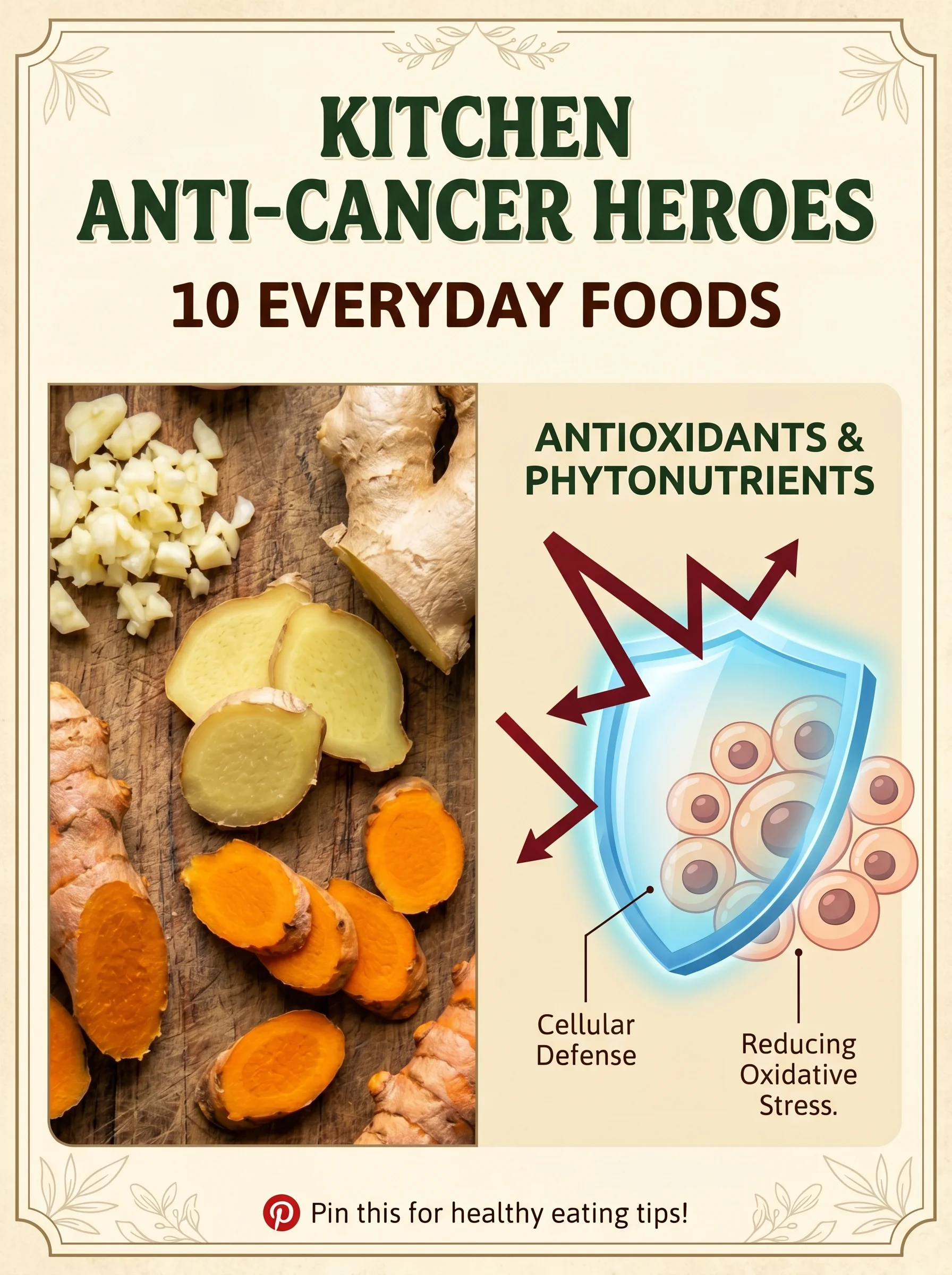
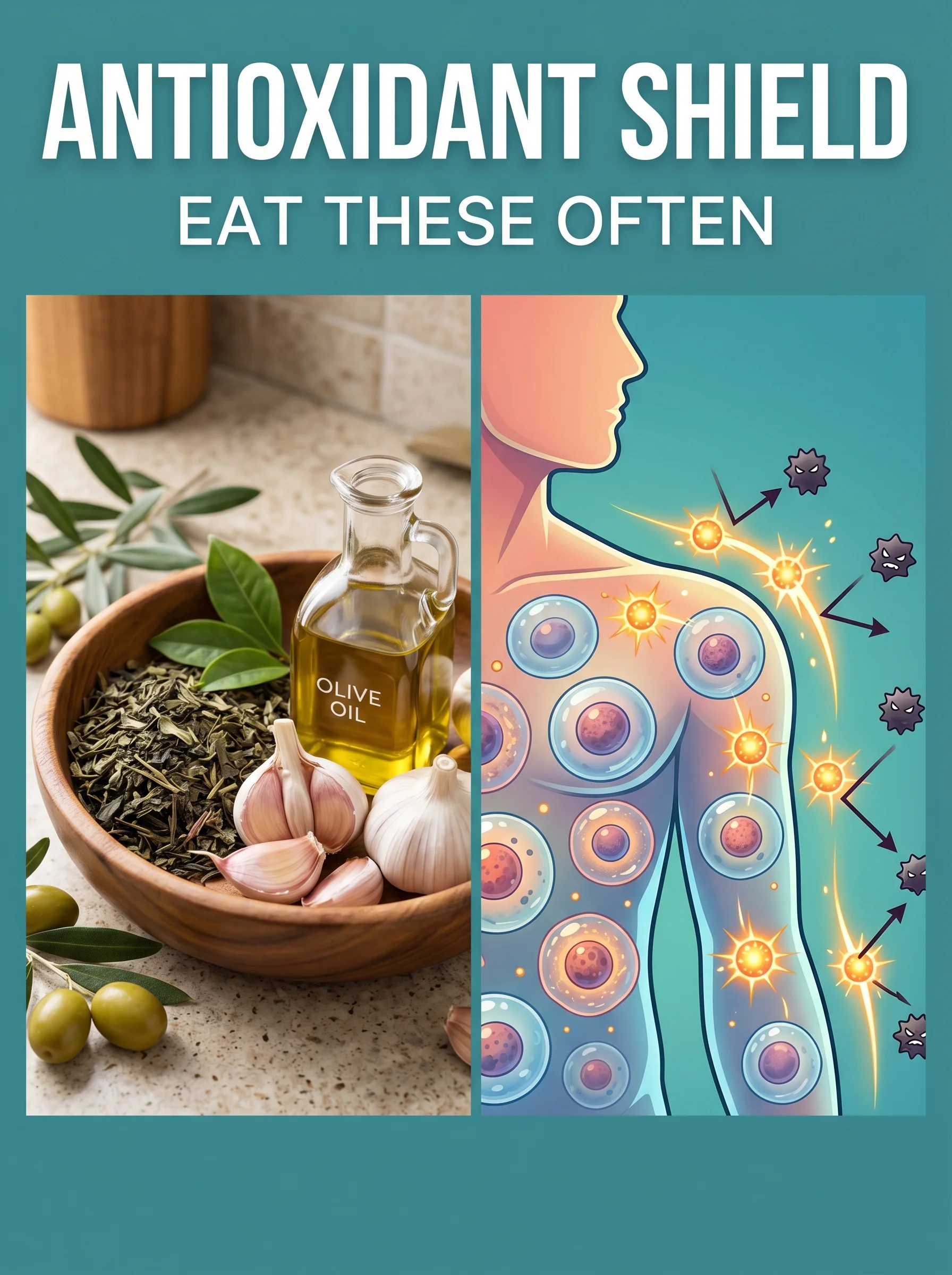
Garlic is not just a flavor powerhouse; it’s one of the most studied foods that help to fight cancer. It contains allicin, a compound linked to a lower risk of certain cancers, including stomach and colorectal cancer. Garlic also supports the immune system and has anti-inflammatory properties. As a bonus, garlic and onion act as prebiotics that feed the healthy bacteria in your gut, which is part of how plant-rich eating protects you. Add it to pasta, stir-fries, and roasted vegetables with ease.
5. Nuts and seeds
Nuts and seeds, such as almonds, walnuts, and flaxseeds, are excellent sources of healthy fats, fiber, and antioxidants. They carry compounds like lignans and omega-3 fatty acids, which have been linked to a reduced risk of cancer. A daily handful is an easy win, and you can read more on flaxseed benefits for heart, diabetes, and PMS if you want to go deeper. Toss them on yogurt, oatmeal, or salads for an extra crunch.
6. Tomatoes
Tomatoes are rich in lycopene, a powerful antioxidant that gives them their red color. Lycopene is one of the better-known foods that fight prostate cancer, and it has been studied for other types too. Cooking tomatoes, such as in sauces or soups, increases the availability of lycopene, making it easier for your body to absorb. Tomatoes work in everything from salads to pasta sauces, adding both flavor and nutrition.
7. Green tea
Green tea is packed with catechins, antioxidants that help protect cells from damage. Studies have linked regular green tea drinking with a lower risk of several types of cancer, including breast, prostate, and colorectal cancer. Sipping green tea is a gentle daily habit, hot or cold, and a great swap for sugary drinks. If you prefer a different brew, black tea has its own gut and heart benefits worth knowing.
8. Whole grains
Whole grains, such as oats, brown rice, and whole wheat, are rich in fiber, vitamins, and minerals. They help steady blood sugar and support a healthy digestive system, and that fiber matters because steadier insulin is part of a lower-risk picture. Diets high in whole grains have been linked to a lower risk of colorectal cancer and other chronic diseases. Choose whole-grain bread, pasta, and cereals where you can.
9. Citrus fruits
Citrus fruits like oranges, lemons, and grapefruits are high in vitamin C and other antioxidants. These nutrients help support the immune system and protect cells from damage. Research suggests a diet rich in citrus may lower the risk of certain cancers, including esophageal and stomach cancer. Enjoy them on their own, in salads, or squeezed into water for a refreshing drink.
10. Turmeric
Turmeric is a spice that contains curcumin, a compound with powerful anti-inflammatory and antioxidant properties. Research suggests curcumin may slow the growth of cancer cells and limit the spread of tumors. Adding turmeric to your meals is a flavorful way to support your health. Use it in soups, stews, and curries, or make a soothing turmeric tea by mixing the powder with warm milk and honey.
Can any single food actually prevent or cure cancer?
This is the honest part, and it matters. No single food prevents, cures, or treats cancer. You may have seen viral videos promising that “cancer dies when you eat these foods” or that a 14-day diet swap can reverse your risk overnight. Those claims are not supported by evidence, and they can be genuinely harmful when they push people away from real care.
What the research actually points to is a pattern. Cancer experts like the American Institute for Cancer Research keep landing on the same message: a mostly plant-based way of eating, built from the foods that fight cancer above, lowers risk over years, not days. Think of it as risk reduction, not a treatment. And if you’ve been diagnosed or are in treatment, please follow your care team’s guidance and never stop prescribed medication because of something you read online. These foods are supportive, not a substitute.
How to actually fit these foods that fight cancer into your day
Now that we’ve covered the benefits, let’s talk about how you can easily fold these foods into ordinary meals without overhauling everything.
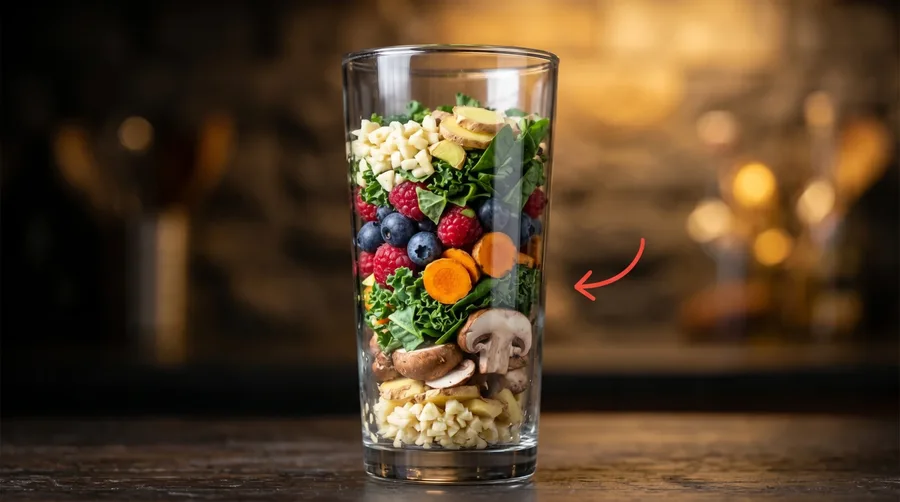
- Kickstart your morning with a berry smoothie. Blend a handful of mixed berries, a cup of spinach, and some almond milk. Add a scoop of protein powder or a tablespoon of flaxseeds for a boost.
- Incorporate leafy greens by adding them to salads, soups, and stir-fries, or blend them into smoothies.
- Add garlic to pasta, stir-fry, or roasted vegetables, or make a garlic-infused olive oil.
- Keep a stash of nuts and seeds for snacks, or make your own trail mix with dried fruits.
- Make green tea part of your daily routine, and try different varieties like jasmine or matcha.
- Add turmeric to soups, stews, curries, smoothies, or sprinkle it over roasted vegetables.
For more ideas in the same spirit, see these 10 proven cancer-fighting foods worth eating and a closer look at foods that block cancer cells and how to actually eat them.
A gentle closing thought
By including these foods that fight cancer in your diet, you take a proactive step toward better health and well-being. Remember, it’s all about making small, sustainable changes that add up over time. So start today by adding a few of these foods to your meals and see how you feel.
If this was useful, the newsletter goes out every Friday with more of the same. You can join the drop if you want it to land in your inbox.
Frequently asked questions
What are the top 10 foods that fight cancer?
The ten everyday foods that fight cancer are berries, cruciferous vegetables, leafy greens, garlic, nuts and seeds, tomatoes, green tea, whole grains, citrus fruits, and turmeric. Each carries nutrients or compounds that protect cells, calm inflammation, or support the immune system. Eating several of them most days is what counts.
Can any single food prevent or cure cancer?
No. No single food prevents, cures, or treats cancer, and claims that one food can are not supported by evidence. What lowers risk is the overall pattern of eating, mostly plants, over months and years. Treat these foods as supportive, and always follow your care team’s guidance.
Do berries and green tea really fight cancer cells?
Both contain antioxidants studied for cancer risk. Berries deliver polyphenols that may slow cancer cell growth, and green tea provides catechins linked to lower risk of several cancers. They are not cures, but as part of a varied diet they help protect your cells from damage over time.
What foods help fight prostate cancer?
Tomatoes are a standout because their lycopene has been studied for prostate cancer risk, and cooking them makes the lycopene easier to absorb. Cruciferous vegetables, green tea, and a generally plant-rich diet are also linked to lower risk. No food replaces screening or medical care.
What foods should cancer patients eat during and after treatment?
Needs vary a lot during treatment, so a registered dietitian or oncology team should guide your plan. In general, gentle, nutrient-dense foods like cooked vegetables, whole grains, lean protein, and easy-to-tolerate fruits help maintain strength. Never change medications or rely on food in place of prescribed treatment.
Do I need to overhaul my whole diet?
Not at all. It’s about making small, sustainable changes that add up over time. Start by adding one or two of these foods to meals you already enjoy, build from there, and see how you feel.
Share this article