
Lemongrass tea benefits for cholesterol and immunity
Sheenam Midha · Health writer

On this page
TL;DR: The lemongrass tea benefits worth knowing are quiet ones. This calm, citrusy brew is rich in antioxidants and anti-inflammatory compounds, and it is gently linked to better cholesterol numbers, easier digestion, and a steadier immune system. Here is what lemongrass actually does, and how to make a cup in about fifteen minutes.
Lemongrass, also known as citronella, is a tall grass-like plant found in the tropical regions of Asia, Africa, and South America. It is a popular ingredient in many cuisines around the world, and the same fragrant stalks that flavor soups, curries, and stir-fries make a soothing cup of tea. If you have been curious about the benefits of drinking lemongrass tea, this is the gentle, honest version.
Below are the properties of the plant, the real lemongrass tea benefits, and a simple lemongrass tea recipe for cholesterol and immunity.
What is in lemongrass, and why does it matter?
Lemongrass contains several compounds that make it a nice addition to your week. It is rich in antioxidants, which help protect your cells from the everyday damage caused by free radicals. It also has anti-inflammatory properties, which can help calm low-grade inflammation in the body.
None of this is dramatic, and that is the point. Think of lemongrass tea as a small, supportive habit rather than a fix. It sits alongside the bigger things that move your numbers, like fiber, movement, and steady sleep, the same way a warm cup of black tea supports your gut and heart.
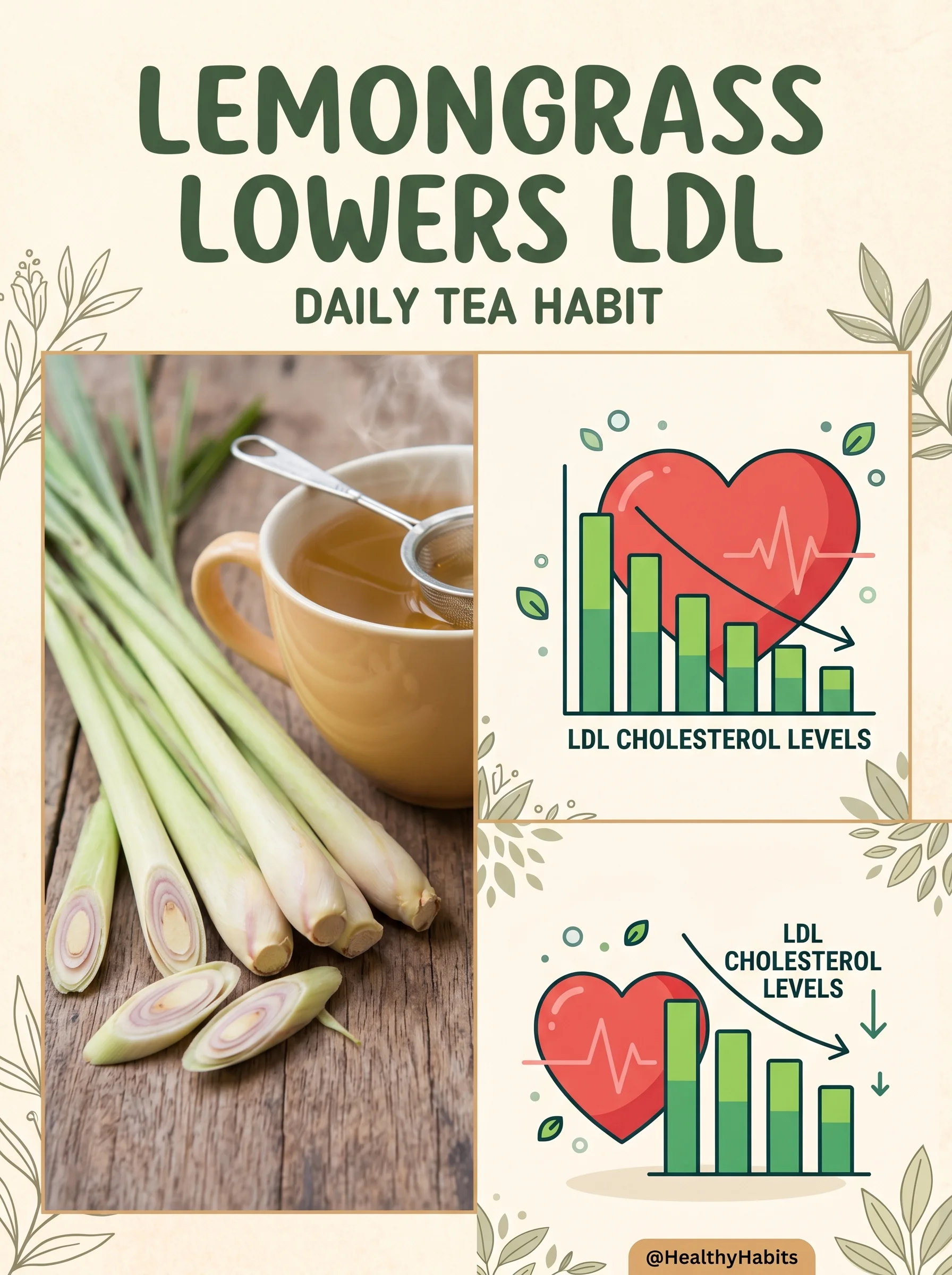
Lemongrass has been used for centuries in traditional medicine to ease all kinds of small complaints, and modern interest has caught up to the parts that hold true.
What are the benefits of drinking lemongrass tea?
Here are the most notable lemongrass tea benefits, kept realistic:
- Offers antioxidant support that may help with healthy cholesterol levels
- Relieves digestive problems such as bloating and constipation
- Gives the immune system a gentle, steady boost
- Helps you feel better through the usual colds and sniffles
- Acts as a mild natural diuretic, helping the body release extra water
- Can take the edge off anxiety and stress, especially as an evening ritual
Does lemongrass tea really help lower cholesterol?
This is the question people most want answered, so let’s be straight about it. Recent research suggests the antioxidants and anti-inflammatory compounds in lemongrass may support healthier cholesterol levels over time, but lemongrass tea is not a treatment, and it does not replace anything your doctor has prescribed.
Food and tea support your heart. They do not replace statins, and they do not replace a balanced diet. The wins come from the whole pattern, not one magic cup.
You may have seen viral posts promising a single “magic juice” that melts cholesterol and blood sugar at once. That framing is overstated. A cup of lemongrass tea, a glass of carrot juice for cholesterol, or a simple garlic water remedy for triglycerides can each be part of a heart-friendly routine, but the lasting change comes from fiber, real food, and movement repeated over months. If you keep your expectations gentle, you will not be disappointed.
How does lemongrass tea support digestion and immunity?
For digestion, lemongrass earns its old reputation honestly. It can ease bloating and help things move along when you feel stuck, and as a mild diuretic it nudges the body to release extra water. A warm cup after a heavy meal is one of the simplest lemongrass tea benefits to feel for yourself.
For immunity, the support is steady rather than sudden. The antioxidants help your body handle everyday stress, and a comforting hot drink during cold season is its own kind of care. If you like that idea, a warming aloe and ginger infusion works in the same gentle, daily-habit way.
How to make lemongrass tea
Now that we have covered the health benefits, here is how to make a simple, fragrant cup.
Ingredients
- 4 to 5 stalks of lemongrass
- 4 cups of water
- Honey (optional)
Instructions
Rinse the lemongrass stalks and peel away the tough outer layer. Cut the stalks into small pieces. Bring the water to a boil in a pot, then add the lemongrass. Lower the heat and let it steep for 10 to 15 minutes. Strain the tea and serve hot. You can sweeten with a little honey if you like. A slice of fresh ginger turns it into a cozy cold-season brew.
The takeaway
Lemongrass is a versatile, friendly herb you can cook with or simply steep on its own. The lemongrass tea benefits worth keeping are the quiet ones: easier digestion, gentle antioxidant support for your cholesterol, and a steadier immune system through the seasons. Treat it as a supportive daily habit, keep taking any medication your doctor prescribed, and let the small things add up. If you want more quiet kitchen remedies like this, the newsletter goes out every Friday.
Frequently asked questions
What are the benefits of drinking lemongrass tea?
The main benefits of drinking lemongrass tea are easier digestion, antioxidant and anti-inflammatory support that may help with cholesterol, a gentle immune boost, and a calming effect on stress. It is a supportive daily habit, not a cure, so pair it with a balanced diet and movement.

Does lemongrass tea really lower cholesterol?
Lemongrass contains antioxidants and anti-inflammatory compounds, and recent research suggests these may support healthier cholesterol levels over time. The effect is gentle and supportive. Lemongrass tea does not replace statins or a heart-healthy diet, so think of it as one helpful piece of a bigger routine.
How long should you steep lemongrass tea?
Bring the water to a boil, add the chopped lemongrass, then lower the heat and let it steep for 10 to 15 minutes. A longer steep gives a stronger, more citrusy cup. Strain and serve hot, sweetened with a little honey if you like.
Can lemongrass tea help with digestion?
Yes. Lemongrass tea can ease bloating and constipation and acts as a mild natural diuretic, helping your body release extra water. A warm cup after a heavy meal is one of the simplest ways to feel its calming effect on the gut.
Are there any side effects of lemongrass tea?
For most people, lemongrass tea is gentle and safe in normal amounts. Because it is a mild diuretic, very large quantities are not ideal. If you are pregnant, nursing, or taking prescription medication, check with your doctor first, and start with one cup a day to see how you feel.
How much lemongrass tea can you drink each day?
One to two cups a day suits most people and is enough to enjoy the benefits. There is no need to overdo it, and more is not better. Spread it through the day, like a cup after lunch and one in the evening, and listen to how your body responds.
Share this article