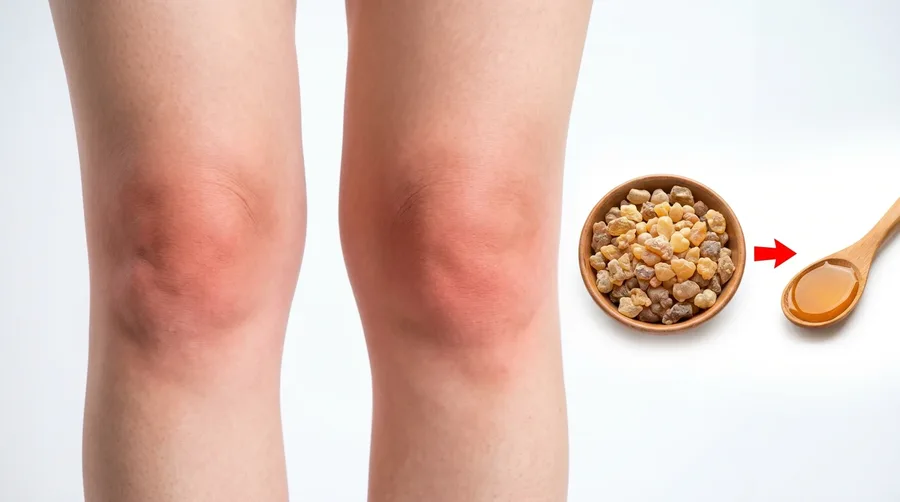
Boswellia serrata benefits: the ancient resin for knee pain and inflammation
Sheenam Midha · Health writer
On this page
TL;DR: The boswellia serrata benefits worth knowing center on inflammation. This ancient Ayurvedic resin gently calms the chemistry behind knee osteoarthritis, gut flares, and breathing trouble, and fresh 2025 trial data is finally catching up to three thousand years of use.
The boswellia serrata benefits people search for most almost always come back to one word: inflammation. It is the quiet engine behind so many everyday aches, from stiff knees to a flaring gut. But what exactly is inflammation, how does it tie into disease, and where does a tree resin fit in? Let us walk through it slowly.
Boswellia serrata is an ancient herb used for thousands of years in Ayurvedic and traditional Chinese medicine, and it naturally and gently helps fight inflammation. Modern research is now confirming much of what tradition already knew. Here is what boswellia is, how it works in the body, the science behind its benefits, and how you might use it to soothe joint pain, gut issues, and breathing problems.
What is boswellia serrata?
Boswellia serrata is the gummy resin of the Indian frankincense tree, tapped from its bark and dried into a potent medicinal extract. You may also see it sold under its Ayurvedic name, shallaki. Its key active ingredients are boswellic acids, which give the herb its anti-inflammatory properties. Ancient texts describe its use as far back as 1000 BC.
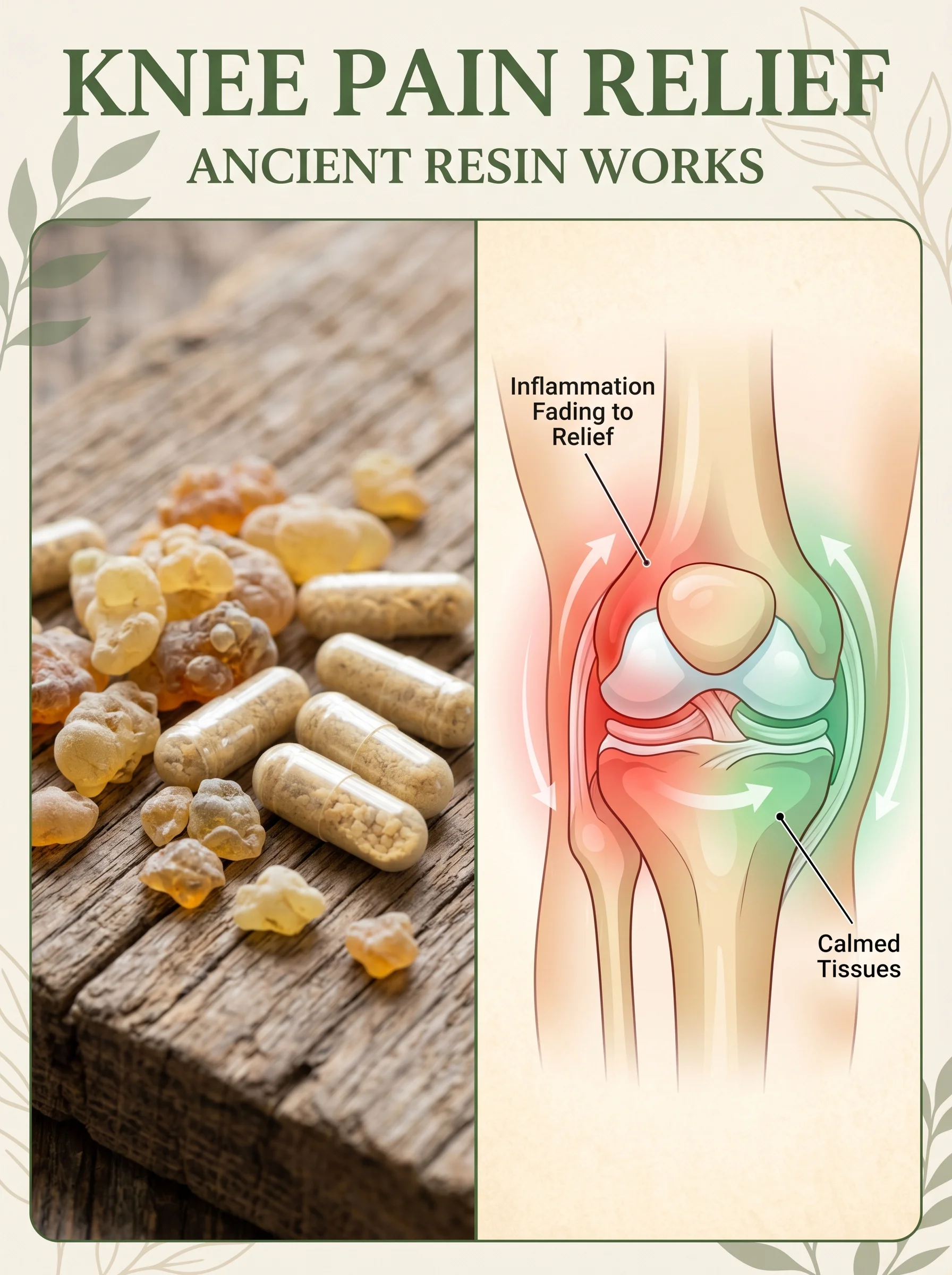
The tree grows in the dry mountainous regions of India, Northern Africa, and the Middle East. The gummy resin from boswellia trees has long been prepared as both incense and medicine. Today, boswellia resin is still tapped from the bark of these trees and dried to make potent medicinal extracts.
Why does controlling inflammation matter so much?
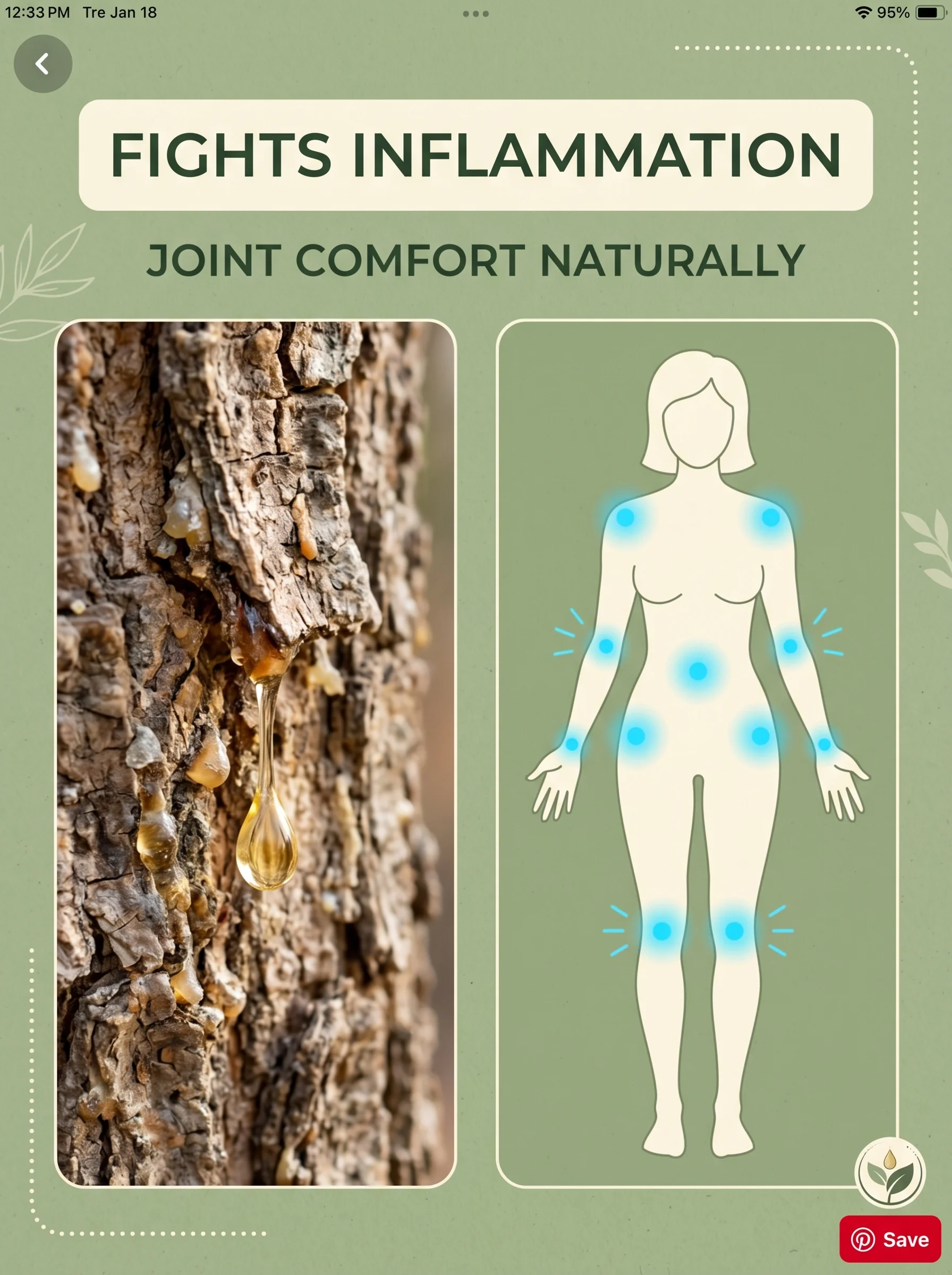
Inflammation is your body’s natural defense against injury or invading microbes. It is the redness, swelling, heat, and pain you see around a cut or infection as blood vessels dilate and white blood cells rush to the scene. Acute, short-term inflammation like this helps protect and heal the body. Trouble arises when it becomes chronic or excessive.
Conditions like asthma, arthritis, Crohn’s, and even cancer all involve chronic inflammation flaring up and damaging tissues. This is where boswellia comes in. Its boswellic acids help switch off parts of the inflammatory process, which is also why so many of the boswellia serrata health benefits overlap with foods and herbs that quiet inflammation, like the deeply pigmented aronia berry.
How do the benefits of boswellia serrata actually work?
Boswellia blocks a key inflammation enzyme called 5-LOX, prevents white blood cells from releasing inflammatory cytokines, and reduces pro-inflammatory messenger proteins tied to conditions like Crohn’s and arthritis. The result is less swelling, stiffness, and pain, through a mechanism that sits in the same family as ibuprofen and aspirin.
First, it blocks an enzyme called 5-LOX, which plays a big role in producing chemicals called leukotrienes that promote inflammation. Stopping 5-LOX disrupts this inflammatory pathway. This is a similar anti-inflammatory mechanism to common medications like ibuprofen and aspirin.
Second, boswellia helps prevent the release of pro-inflammatory compounds called cytokines from white blood cells. Fewer cytokines means less inflammation. And third, boswellia appears to reduce the production of inflammatory messenger proteins associated with conditions like Crohn’s and arthritis.
1. Joint conditions, knee pain, and osteoarthritis
Research shows boswellia is one of the more reliable natural options for joint conditions like osteoarthritis, rheumatoid arthritis, and tendonitis. In one clinical study of people with osteoarthritis, 70% of those taking boswellia resin extract experienced reduced knee pain and improved mobility and flexibility, compared to just 32% in the placebo group.
That older finding now has fresher company. A 2025 randomized, double-blind, placebo-controlled trial in adults aged 40 to 75 with early knee osteoarthritis reported meaningful pain relief and improved joint function over the study period. So when people ask whether boswellia serrata really reduces knee pain, the honest answer is that it tends to work gradually, building over several weeks rather than in a single dose, much like a steady supportive habit rather than a switch.
A separate review of clinical trials also confirmed boswellia’s pain-easing effects in osteoarthritis and rheumatoid arthritis. The encouraging part is that it appears to work about as well as NSAID pain relievers like ibuprofen, often with fewer of the gut side effects. It is still wise to keep your doctor in the loop, never to quietly drop a prescribed medication.
2. Tendon pain and injury recovery
Research also suggests boswellia is helpful for tendon pain and injury recovery. In one study, applying a topical boswellia extract reduced pain and swelling in people with tennis elbow and helped restore grip strength and range of motion.
3. Gut inflammation and breathing issues
Beyond joints and tendons, boswellia also shows promise for gut inflammation and breathing issues. Studies suggest it can reduce symptoms and support gut healing in inflammatory bowel diseases like Crohn’s and colitis. If gut comfort is your main concern, you might also enjoy this gentle aloe and ginger infusion for the gut alongside it.
It also appears to ease asthma symptoms and breathing difficulty by relaxing bronchial restriction and calming lung inflammation. In one study group, boswellia did not just reduce the frequency of asthma attacks, it allowed 71% of patients to step back from other asthma medications, ideally under their doctor’s guidance.
Boswellia serrata vs turmeric: should you take both?
This is one of the most common questions now, partly because turmeric and boswellia keep showing up side by side on supplement shelves. They are not rivals so much as teammates. Turmeric’s curcumin and boswellia’s boswellic acids calm inflammation through different routes, so they can complement each other.
A 2025 network meta-analysis even explored the combined effect of curcumin and boswellia for knee osteoarthritis, and the stacked formulas are a genuinely trending area of research. If you already lean on anti-inflammatory eating, boswellia slots in nicely beside herbs like berberine, another ancient herb earning modern lab validation. There is no need to pick a single hero; the point is the overall calm.
How do you dose boswellia serrata correctly?
Extracts standardized to 60 to 65% boswellic acids tend to offer the best value, which is why you will see labels boasting figures like 65% boswellic acids. For osteoarthritis, clinical studies finding benefits used doses between 100 and 250 milligrams once or twice daily. Products standardized to 30 to 40% boswellic acids may require 500 to 600 milligrams.
The raw resin can also be taken in larger amounts, around 1200 to 2400 milligrams per day. But the standardized extracts are usually preferred, since they deliver a higher concentration of the active boswellic acids in a smaller, gentler dose.
One important point on safety and side effects: boswellia appears to be well tolerated for most people, but it may increase the effects of blood-thinning and sedative medications. If you take any prescription medicine, especially anticoagulants, it helps to understand which foods and compounds also thin the blood, and to check with your doctor first. The same goes if you are pregnant or breastfeeding.
The surprising cancer research on boswellia serrata benefits
Emerging cell and animal research suggests boswellia may help slow tumor formation and growth. In the lab it can lower VEGF, a factor tumors use to grow new blood vessels, and it appears to nudge colon, prostate, and blood cancer cells toward programmed cell death. This is early-stage work, so it belongs firmly in the “promising, not proven” basket rather than anywhere near a cure.
The range of cancers boswellia seems to touch in these early studies makes it an interesting area of natural medicine research, and it pairs conceptually with the better-studied relationship between food choices and cancer risk. Always treat this as a supportive idea to discuss, not a replacement for any treatment.
There is one human angle worth noting. Studies show boswellia is safe and tolerable for glioblastoma patients receiving radiation, where it helped reduce radiation-related brain swelling. Used alongside standard care, never instead of it, boswellia is being explored as a way to make that care a little kinder on the body.
From everyday joint pain to early cancer research, boswellia serrata is a traditional medicine that quietly earns its keep, one calm anti-inflammatory step at a time.
A gentle closing thought
Boswellia is just one of many traditional herbs being confirmed by science. The story here is not a miracle, it is patience: a resin that has soothed bodies for three thousand years is finally getting its lab validation. If your knees, gut, or lungs have been asking for help, it is worth a conversation with your doctor about adding it.
If you liked reading about this, the newsletter lands every Friday with more quiet, well-researched finds like boswellia. That is the only bell you need to ring.
Frequently asked questions
What are the benefits of boswellia serrata?
The main boswellia serrata benefits center on calming chronic inflammation. It is used for osteoarthritis, knee pain, rheumatoid arthritis, tendonitis, Crohn’s, colitis, and asthma. It has also shown early promise in cancer research and in easing radiation-related brain swelling in glioblastoma patients receiving treatment.
Does boswellia serrata really reduce knee pain, and how fast?
Research suggests it does, but gradually rather than instantly. In trials, a majority of osteoarthritis patients reported less knee pain and better mobility over several weeks of daily use. A 2025 placebo-controlled trial in adults aged 40 to 75 with early knee osteoarthritis also reported meaningful pain relief and improved joint function.
Boswellia vs turmeric for joints, or should you take both?
They work through different anti-inflammatory pathways, so they tend to complement rather than compete. Turmeric’s curcumin and boswellia’s boswellic acids are increasingly studied together for knee osteoarthritis, and combined formulas are a trending area of research. Many people use both, ideally after checking with their doctor.
What is the right boswellia serrata dose and extract?
For osteoarthritis, studies finding benefits used 100 to 250 milligrams of a 60 to 65% boswellic acid extract, once or twice daily. Extracts standardized to 30 to 40% boswellic acids may need 500 to 600 milligrams, and the raw resin runs 1200 to 2400 milligrams per day.
Is boswellia safe to take with other medications?
Boswellia appears to be well tolerated with few side effects, but it may increase the effects of blood-thinning and sedative medications. Check with your doctor before starting it if you take any prescription medicine, especially anticoagulants, or if you are pregnant or breastfeeding. Never stop a prescribed medication on your own.
Can boswellia really help with asthma?
Research is encouraging. Boswellia appears to ease asthma symptoms and breathing difficulty by relaxing bronchial restriction and calming lung inflammation. In one study group, it allowed 71% of patients to step back from other asthma medications. Any changes to asthma treatment should be made with your doctor’s guidance.
Share this article