How to clean arteries of plaque naturally with NAC
Sheenam Midha · Health writer

On this page
TL;DR: If you are wondering how to clean arteries of plaque naturally, NAC (N-acetylcysteine) is one supplement worth knowing. It is the active ingredient in many common cough syrups, but its story runs much deeper than clearing mucus. It helps your body make glutathione, keeps your arteries’ inner lining healthy, slows LDL from oxidizing into sticky plaque, and may help prevent blood clots. Typical doses run 600 to 1,800 milligrams a day. It supports your arteries, but it does not melt away plaque that is already there, so always check with your doctor first.
You’ve probably taken cough syrup at least once in your life, right? But what if I told you that this common medicine hides an impressive benefit your doctor probably never mentioned? Would you believe me?
We’re going to look at some interesting findings about N-acetylcysteine, or NAC, a substance found in popular cough syrups you can grab at your local pharmacy. What’s fascinating is that the research goes far beyond treating a simple cough. It reaches all the way to your heart and arteries, and it gives us a calmer, more honest answer to a question a lot of people are searching right now: how to clean arteries of plaque naturally.
What is NAC and where does it come from?
N-acetylcysteine might sound like something from a lab, but it actually comes from a natural source: the amino acid cysteine. This compound has been used in medicine for decades. It first gained recognition as a life-saving antidote for acetaminophen overdose, but its benefits go far beyond that.
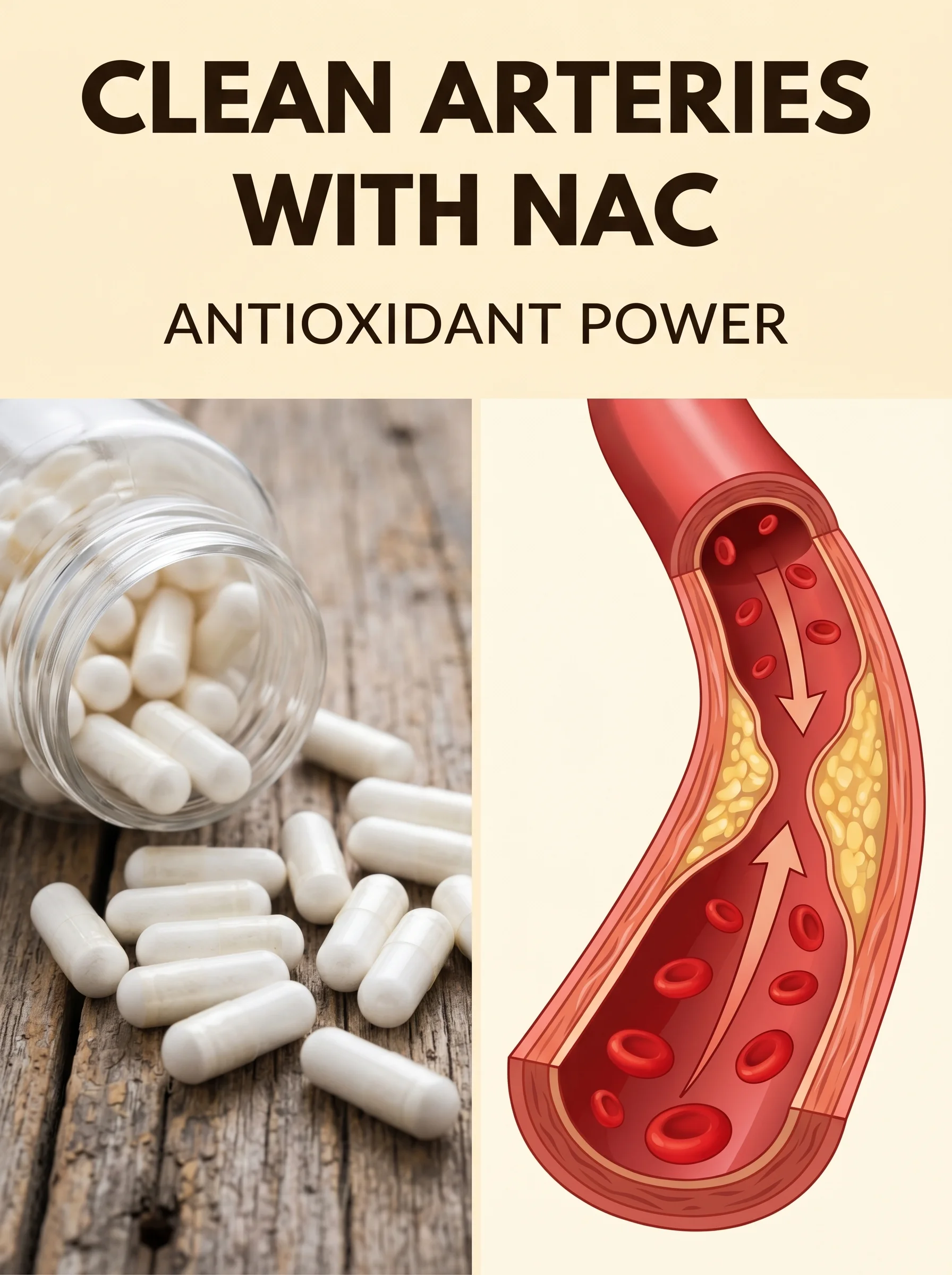
NAC helps your body produce glutathione, one of the most powerful antioxidants we have. Think of glutathione as your body’s ultimate defender, shielding your cells from damage caused by unstable molecules known as free radicals. Free radicals can wear down your tissues over time, adding to aging and chronic disease.
Scientific research has repeatedly highlighted the value of NAC. Studies have explored how NAC supports the production of glutathione and helps lower oxidative stress. Other research suggests NAC may help protect the endothelium, the thin layer of cells that line your blood vessels, from damage. This is why NAC keeps coming up in conversations about cardiovascular health and about how to clean arteries naturally and keep them working well.
How do you clean arteries of plaque naturally?
You cannot scrub plaque out of an artery the way you clear a clogged drain, and any drink or pill that promises to do that is overselling it. What you can do is slow the buildup, calm the inflammation that drives it, and keep your blood flowing smoothly. That is the honest version of how to clean arteries of plaque naturally, and it comes from steady habits, not a single miracle.
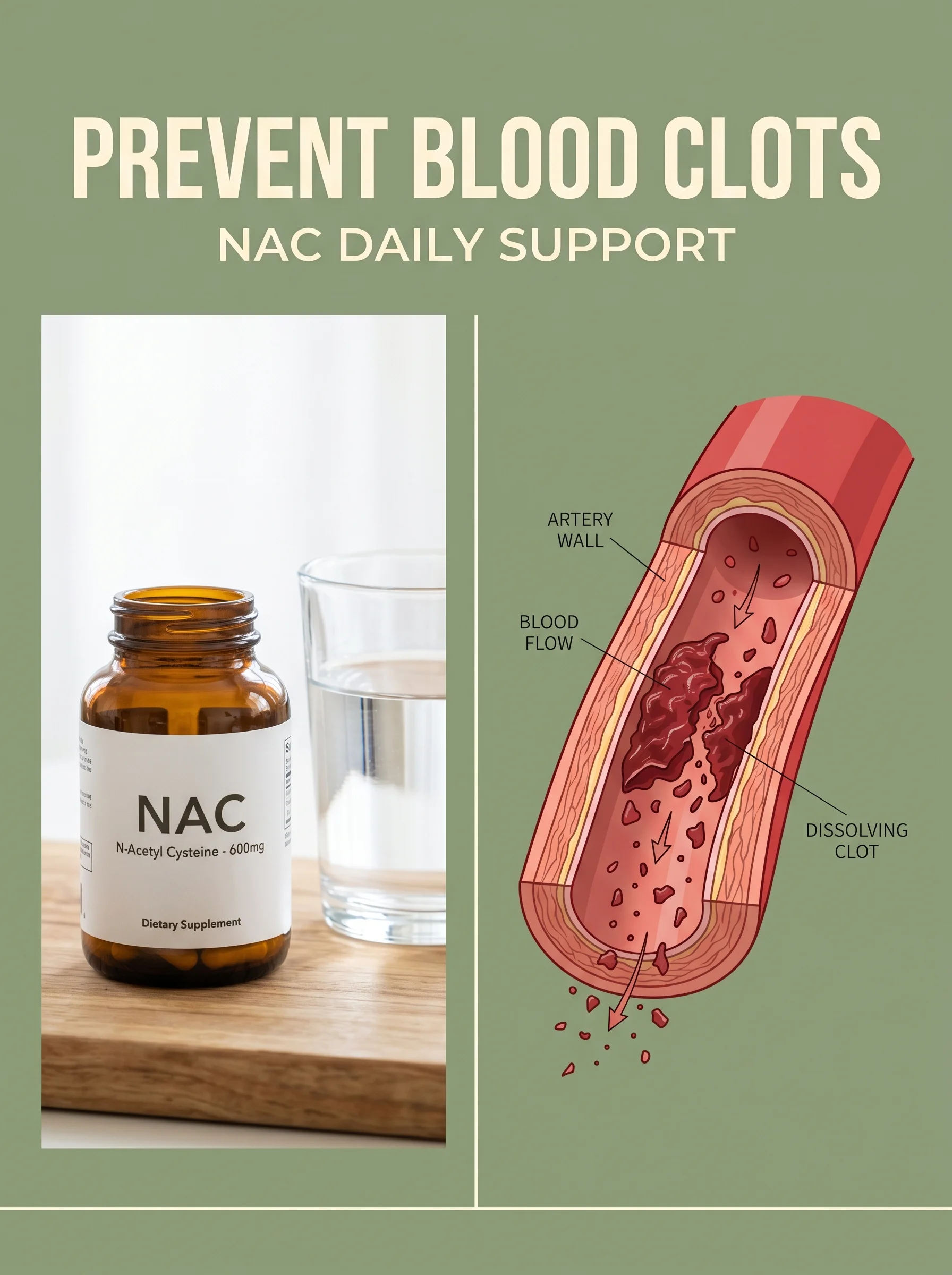
NAC fits into that steady approach. It supports artery health by lowering oxidative stress and inflammation, helping protect the endothelium that lines your blood vessels, and slowing LDL cholesterol from oxidizing into sticky plaque. Healthier endothelium means smoother blood flow and fewer clots.
Imagine your blood vessels as highways carrying oxygen and nutrients to every corner of your body. Over time, these highways can get clogged or damaged from an unhealthy diet, lack of exercise, and stress. By reducing oxidative stress and inflammation, NAC helps keep these highways clearer and more functional. It works best alongside food and movement, so it pairs nicely with the kind of approach in these daily habits that keep your heart healthy.
NAC’s effect on endothelial function is the part worth paying attention to. A healthy endothelium keeps blood flowing smoothly, which lowers the risk of clots and blockages. When that layer is damaged, it’s like potholes appearing on a busy road. NAC acts a bit like a repair crew, helping the lining stay healthy and your circulation efficient.
Can supplements really clean arteries naturally?
Here is the honest answer to “can you really clean your arteries naturally.” Supplements like NAC, and popular drinks like celery and beet juice, may support circulation and slow new plaque from forming. But the evidence is still early, and none of them dissolve plaque that is already stuck to your artery walls. You will see viral videos promising to unclog your arteries with one glass a day. Treat those with friendly skepticism. Diet and supplements slow the progression, they do not reverse it overnight.
This matters because the most powerful tools for cleaning arteries naturally are not exotic at all. They are the boring, reliable ones: not smoking, moving your body, sleeping well, managing blood pressure and blood sugar, and eating mostly whole foods. Think of NAC as a quiet supporting player, never a replacement for medical care or any medication your doctor has prescribed.
How does NAC help prevent blood clots?
When LDL oxidizes, it forms sticky plaque that clings to the walls of your arteries, narrowing them and slowing blood flow. Over years, that can set the stage for serious problems like heart attacks or strokes. By slowing this oxidation, NAC helps your arteries stay clearer and your blood flow smoother.
Chronic inflammation is another hidden threat to your cardiovascular health, and NAC is a gentle ally against it. Ongoing low-level inflammation can slowly damage your blood vessels and raise the risk of blood clots. NAC may help by improving circulation and breaking down some of the thick, sticky substances in the blood that can lead to clot formation. If you want food-based ways to support cardiovascular health too, our guide to food choices and blood-clot risk is a good place to start.
What are the best natural blood thinners, and a big caution
NAC often shows up in lists of natural blood thinners alongside turmeric, garlic, ginger, fish oil, and vitamin E. Many of these foods do gently support healthy circulation, and you can read more about the anticoagulant foods that help prevent blood clots. It is also worth knowing which foods push the other way, like the foods that cause blood clots and stiffen your arteries.
Now the important caution. If you already take a prescription blood thinner, like warfarin or another anticoagulant, please do not start NAC or stack natural blood thinners on your own. They can add up and raise your bleeding risk, and vitamin-K-rich greens can interfere with warfarin. None of this means these foods are bad. It just means the timing and dose should go through your doctor. Never stop a prescribed medication to swap in a supplement.
What else does NAC do in the body?
NAC isn’t just about your heart. Its benefits reach across your whole body. Take your liver. NAC is widely recognized as the gold-standard treatment for acetaminophen overdose, protecting liver cells from damage. Beyond emergencies, it supports long-term liver health by easing oxidative stress, a common issue in conditions like fatty liver disease. Think of your liver as a hardworking filter, and NAC helps keep it running efficiently.
Another area where NAC shines is respiratory health. If you’ve ever had a stubborn cough that just wouldn’t clear, NAC can help. It works by thinning mucus, making it easier to clear from your airways. This is why it’s a trusted choice for managing chronic respiratory conditions like COPD and cystic fibrosis.
Emerging research also points to NAC’s role in brain health. It helps balance levels of glutamate, a key neurotransmitter, which may matter for conditions like depression, bipolar disorder, and age-related cognitive decline. Some research suggests NAC might support cognitive function and ease certain mental health symptoms, though this work is still ongoing.
If you’ve ever worried about heavy metal exposure, NAC may offer some peace of mind. It assists the body in binding to harmful metals like mercury and lead, making it easier to eliminate them. That can be useful if you work around high toxin exposure or live where heavy metal contamination is a concern.
For women navigating fertility challenges, especially those with polycystic ovary syndrome (PCOS), NAC shows promise. Research suggests it may improve insulin sensitivity and support ovulation, which can help with conception.
How much NAC should you take?
Typical doses range from 600 to 1,800 milligrams per day, but the right amount depends on your needs. Even though it comes from a natural source, it’s worth using NAC responsibly. Always talk with your healthcare provider before adding any supplement to your routine, especially if you’re on other medications or managing a chronic condition.
While NAC is generally considered safe, some people notice mild side effects such as nausea or stomach discomfort. And remember, NAC isn’t a miracle cure or a substitute for a healthy lifestyle. It works best alongside balanced nutrition, regular movement, and other steady habits. The goal isn’t to chase symptoms but to support your body’s own ability to heal and thrive.
The takeaway
The versatility of NAC is what makes it so interesting. It’s a natural compound, yet its benefits stretch from your heart to your liver, lungs, and even your brain. If you’ve been searching how to clean arteries of plaque naturally, NAC is a reasonable supportive piece, as long as you keep your expectations honest and your doctor in the loop.
The next time you see a bottle of cough syrup, remember that the active ingredient, NAC, has a story that goes far beyond soothing a cough. Your health is your greatest treasure, so stay curious and stay healthy. If pieces like this are your speed, the newsletter goes out every Friday with more of them.
Frequently asked questions
How do you clean arteries of plaque naturally?
You cannot dissolve existing plaque with a food, drink, or pill, but you can slow it and support clearer flow. Not smoking, moving daily, sleeping well, managing blood pressure and blood sugar, eating whole foods, and supplements like NAC all help. Steady habits do the real work, not a single miracle drink.
Can you really clean your arteries naturally with NAC or celery and beet juice?
They may support circulation and slow new plaque, but the evidence is still early, and neither melts away plaque that is already on your artery walls. Treat viral “unclog your arteries in one glass” claims with friendly skepticism. Use NAC and these drinks as gentle support, never as a replacement for medical care.
How does NAC protect your arteries?
NAC lowers oxidative stress and inflammation, helps protect the endothelium that lines your blood vessels, and slows LDL cholesterol from oxidizing into the sticky plaque that clings to artery walls. Healthier vessel lining means smoother blood flow and fewer chances for a clot to take hold.
Can NAC help prevent blood clots?
It may. NAC appears to improve circulation and help break down some of the thick, sticky substances in blood that can lead to clots. By also protecting the endothelium and easing inflammation, it lowers the conditions that set clots up. If you take a prescription blood thinner, ask your doctor before adding it.
Is NAC safe with blood thinner medication?
Be careful here. NAC and other natural blood thinners like garlic, fish oil, and turmeric can add to prescription anticoagulants and raise bleeding risk, and vitamin-K greens can interfere with warfarin. Do not start NAC on your own if you take these drugs, and never stop a prescribed medication to swap in a supplement.
What is a typical NAC dose, and are there side effects?
Typical doses range from 600 to 1,800 milligrams per day, but the right amount depends on the person. Some people notice mild nausea or stomach discomfort. Always check with your healthcare provider before starting, especially if you’re on other medications or managing a chronic condition.
Share this article