How to remove dental plaque naturally (without harsh rinses)
Sheenam Midha · Health writer
On this page
TL;DR: Dental plaque is a soft biofilm of hundreds of microbes, and most of them are supposed to be there. Here is how to remove dental plaque naturally by supporting your oral microbiome with probiotic foods, nutrient-dense eating, and gentler oral care, plus an honest note on what home care can and cannot do (soft plaque, yes; hardened tartar still needs a dentist).
Today we’re diving into a topic that affects pretty much everyone, but that most of us don’t think about nearly enough: dental plaque. Talking about the gunky stuff that builds up on our teeth isn’t exactly the most glamorous subject. But if you’ve ever wondered how to remove dental plaque naturally, understanding what plaque actually is comes first, and it’s absolutely crucial if you want to keep a healthy, beautiful smile for life.
Plaque isn’t just some harmless, icky substance. It’s actually a biofilm teeming with hundreds of different types of microbes, some good, some bad, and some downright ugly for your oral health. When the balance of these microbes gets out of whack, that’s when problems like cavities, gingivitis, and chronic bad breath can start to crop up.
Here’s the thing: even if you’re an avid brusher and flosser, you could still be dealing with plaque buildup. That’s partly because a lot of common dental products, like strong mouthwash, can disrupt the delicate ecosystem in your mouth, leading to issues down the line.
What is dental plaque, really?
In simple terms, plaque is a sticky film of bacteria that constantly forms on our teeth. It’s made up of hundreds of different microbial species, all clumped together in a slimy matrix. Believe it or not, a lot of these microbes are actually supposed to be there.
Our mouths are home to the second largest microbial community in the entire body, second only to the gut. And the vast majority of these oral microbes are either beneficial or neutral. They’re known as commensal bacteria. These friendly oral bacteria play a crucial role in keeping your mouth healthy. They help keep things in balance by competing with the more harmful bugs and preventing them from taking over. It’s kind of like a tiny Game of Thrones in there, with different microbial factions constantly vying for control.
Can you remove hardened tartar at home, or only plaque?
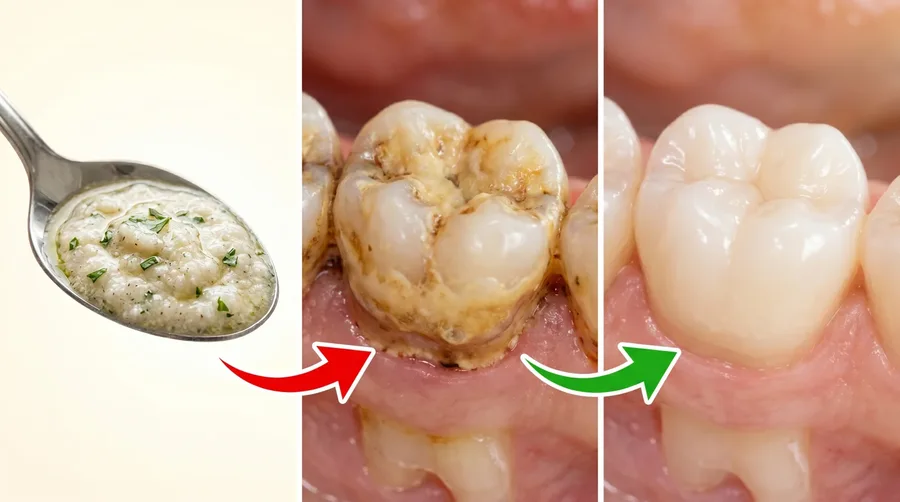
This is the honest line everyone deserves up front. Soft plaque, the fresh, sticky film that forms each day, is the part you can manage at home with brushing, flossing, and the habits below. Hardened tartar (also called calculus) is different. Once plaque mineralizes and turns into that yellowish crust, it bonds to the tooth, and only a dental professional with the right instruments can safely scrape it off. So yes, a dental cleaning removes both plaque and tartar, while home care realistically handles the soft plaque before it sets.
When plaque is left to build up and harden into tartar, the trouble compounds. Tartar that creeps below the gum line can trigger inflammation and infection, which leads to gum disease. Left unchecked, gum disease can progress to tooth loss, and ongoing gum inflammation has even been linked in research to broader concerns like heart disease. That mouth-body connection is one good reason to fold oral care into your daily habits for a healthy heart, not treat it as a separate chore.
Why does an imbalance lead to plaque and tartar?
When the commensal bacteria in our mouths start getting out of balance, that’s when they can turn from friend to foe and start contributing to plaque formation. Certain lifestyle factors, like a sugary diet, smoking, or chronic stress, can all tip the scales in favor of the bad bugs.
The takeaway is gentle, not scary: you’re not trying to scrub your mouth sterile. You’re trying to keep the good bacteria in the majority so plaque has a harder time taking hold in the first place. That mindset shift is the whole foundation for the natural approach below.
Can mouthwash and fluoride backfire on the oral microbiome?
If you’re like most people, your first instinct might be to reach for a strong mouthwash. That’s what we’ve been told to use since we were kids. But some of these products can work against the very balance you’re trying to protect.
Take mouthwash, for example. Many commercial rinses contain harsh antimicrobial ingredients like chlorhexidine, which can wipe out both good and bad bacteria without discriminating. Sure, this might leave you with that zingy, minty-fresh feeling. But it can also clear out the beneficial bacteria that normally keep things in check, which sometimes lets opportunistic bugs like Candida albicans move in and cause problems like oral thrush. Used occasionally or as your dentist directs, mouthwash is fine. Used like a daily reset button, it can backfire.
Fluoride is more nuanced, and it’s worth being fair about it. Fluoride has a long, well-studied track record of helping prevent cavities, which is why most dentists still recommend it. The concern worth respecting is overuse, not the ingredient itself. If you’d rather moderate it, that’s a reasonable personal choice, but please don’t drop a dentist-recommended product based on a viral claim. Never stop a treatment your dentist prescribed without talking to them first.
Look, conventional dental products aren’t the enemy. If you have a serious case of gum disease, your dentist may recommend a medicated mouthwash to get things under control, and that’s exactly when to use it. But for everyday plaque prevention, there are gentler, microbiome-friendly options worth leaning on.
How to remove dental plaque naturally
The solution is a lot simpler (and tastier) than you might think. Learning how to remove dental plaque naturally really comes down to supporting your oral microbiome, that delicate balance of bacteria in your mouth. One of the easiest ways to do that is by adding more probiotic-rich foods to your diet, like yogurt, kefir, sauerkraut, and kimchi.
These fermented foods are packed with beneficial bacteria that can help crowd out the bad bugs and nudge your mouth back toward a healthier balance. Research suggests that regular probiotic intake may help reduce plaque buildup and support gum health, which is a lovely bonus for something you can simply eat.
Another key strategy is to focus on nutrient-dense, anti-inflammatory foods like leafy greens such as arugula, antioxidant-rich berries, wild-caught salmon, and coconut oil. These foods give your body the raw materials it needs to fight infection and keep teeth and gums strong. On the flip side, try to minimize sugary, processed foods and drinks. These feed the harmful bacteria in your mouth and speed up plaque formation faster than you can say “pass the cookies.” A simple warm saltwater rinse between brushings can also calm gum inflammation gently, without the collateral damage of a harsh chemical rinse.
Is baking soda safe to remove dental plaque, or does it damage enamel?
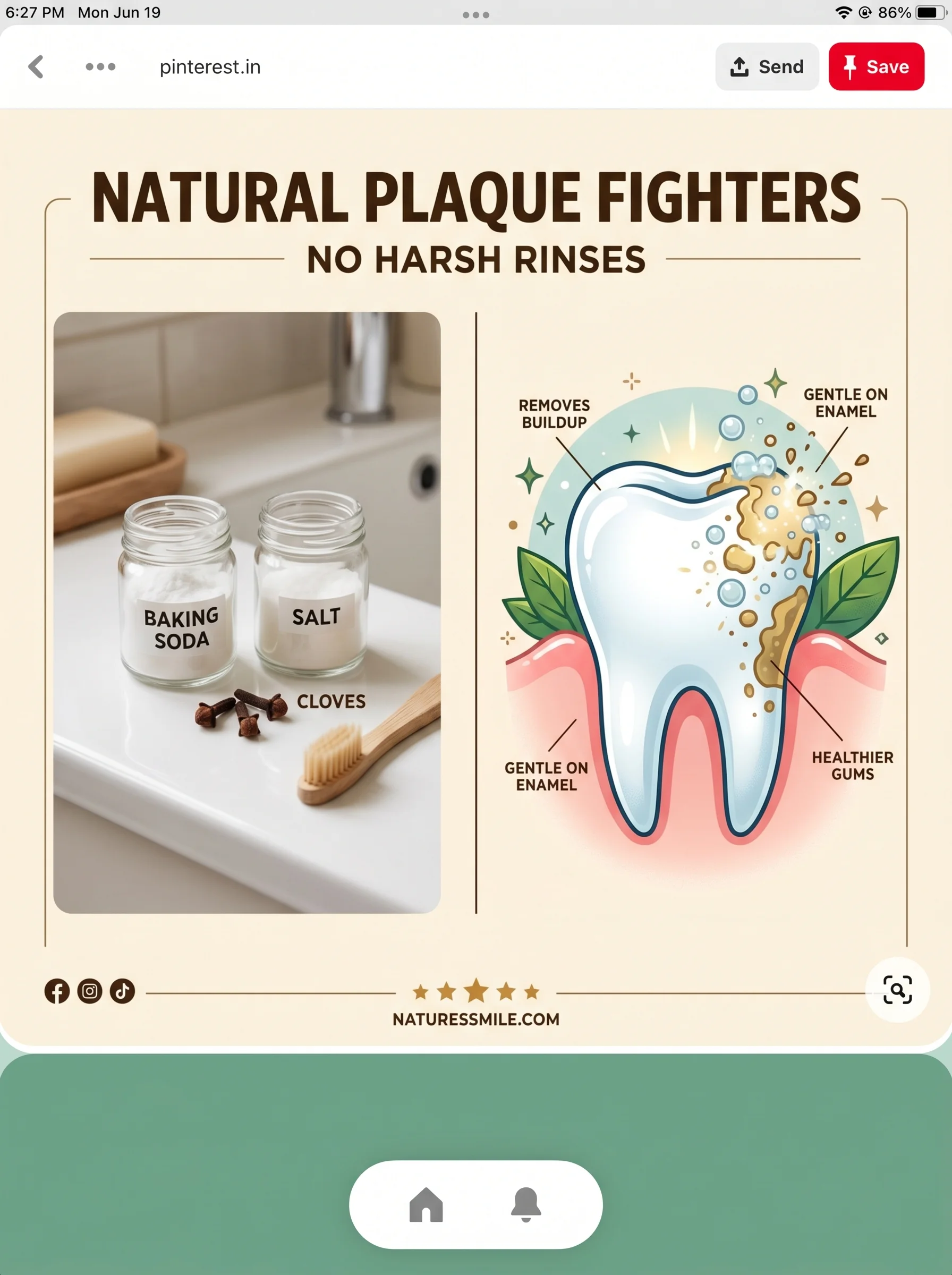
Baking soda is the big viral one right now, so let’s be clear and kind about it. A gentle baking soda paste can help lift fresh, soft plaque and freshen breath, and used now and then it’s generally considered safe. The catch is twofold. First, it loosens soft plaque only; it will not remove hardened tartar, despite what some videos promise, so that part still needs a dentist. Second, it’s mildly abrasive, and scrubbing with it daily or aggressively can wear down enamel over time. If you’d like the full picture, here’s an honest look at using baking soda for plaque and tartar, including how often is sensible. Easy does it is the whole message.
Gentler products and the basics
When it comes to your oral hygiene routine, I’m a fan of gentle, low-tox products like coconut oil toothpaste, aloe vera mouthwash, and miswak sticks for brushing. These traditional remedies have been used for centuries, and they tend to remove plaque and bacteria without bulldozing your natural oral flora. A quick word on dental picks and the metal scalers sold online: they’re tempting, but used carelessly they can scratch enamel and nick your gums, so leave the deep tartar work to a professional.
And of course, don’t forget the basics: brushing twice a day with a soft brush and flossing once a day. A good floss that actually reaches between teeth does more for plaque than any gadget. But the real key is consistency. Like with any health habit, the more you prioritize taking care of your teeth and gums, the better results you’ll see over time.
A small first step you can take today
Starting today, pick one small way to start supporting your oral health. Maybe it’s swapping your sugary afternoon snack for a handful of berries, or trading a harsh rinse for a warm saltwater swish. Whatever you choose, commit to making it a regular habit. As you start to see and feel the difference in your mouth, let that momentum carry you forward into even more positive changes.
- Add probiotic-rich foods like yogurt, kefir, sauerkraut, and kimchi.
- Lean into leafy greens, berries, wild-caught salmon, and coconut oil.
- Minimize sugary, processed foods and drinks.
- Consider gentle products like coconut oil toothpaste, aloe vera mouthwash, or miswak sticks.
- Use baking soda sparingly, never daily or with hard scrubbing.
- Brush twice a day, floss once a day, and see a dentist for hardened tartar.
The takeaway
Your smile is one of your greatest assets, not just because it looks nice, but because it’s a window into the health of your whole body. By taking simple, proactive steps to remove dental plaque naturally and protect your oral microbiome, you’re not just investing in a brighter smile, you’re investing in a brighter, healthier future. If quiet, practical wellness reads like this are your thing, the newsletter lands once a week, every Friday.
Frequently asked questions
How do you remove dental plaque naturally at home?
Support your oral microbiome rather than nuke it. Brush twice daily with a soft brush, floss once a day, eat probiotic foods like yogurt and kefir, cut back on sugar, and use a warm saltwater rinse. These remove soft plaque before it hardens, which is the part you can manage at home.
Can you remove hardened tartar at home, or only plaque?
You can only remove soft plaque at home. Once plaque hardens into tartar, it bonds to the tooth and needs a dental professional with proper instruments to remove it safely. No toothpaste, rinse, or DIY trick reliably removes tartar, so book a cleaning if you feel rough, crusty buildup.
Does a dental cleaning remove plaque?
Yes. A professional cleaning removes both soft plaque and hardened tartar, including below the gum line where home care can’t reach. Most people benefit from a cleaning every six months. Between visits, daily brushing and flossing keep new plaque from building up and hardening.
Is baking soda safe to remove dental plaque, or does it damage enamel?
A gentle baking soda paste used occasionally can lift soft plaque and freshen breath. But it’s mildly abrasive, so daily or aggressive use can wear enamel over time. It also won’t remove hardened tartar. Use it sparingly, with a light touch, not as an everyday scrub.
Why can mouthwash make plaque worse?
Many strong rinses contain antimicrobials like chlorhexidine that wipe out good and bad bacteria alike. Losing the beneficial bacteria can let opportunistic bugs like Candida albicans take hold and cause issues like oral thrush. Used occasionally or as your dentist directs is fine; daily use as a reset can backfire.
What foods help fight dental plaque?
Probiotic-rich foods like yogurt, kefir, sauerkraut, and kimchi help crowd out harmful bacteria. Nutrient-dense, anti-inflammatory foods like leafy greens, berries, wild-caught salmon, and coconut oil give your gums what they need to stay strong. Cutting back on sugar matters just as much as what you add.
Share this article