How to remove dental plaque with baking soda (safely)
Sheenam Midha · Health writer
On this page
TL;DR: Plaque is a sticky film of bacteria that hardens into tartar and quietly sets up cavities, gingivitis, and bad breath. If you are looking for how to remove dental plaque at home, a cheap baking soda paste, brushed on for two minutes and left to sit for 10-15 minutes, can lift soft plaque, neutralize mouth acids, and gently whiten teeth. One honest caveat: baking soda only works on soft plaque. Once plaque hardens into tartar, only a dentist can take it off. Pair it with a whole-food diet and daily flossing and your smile does the rest.
Have you ever stopped to think about how much your oral health impacts your overall wellbeing? It’s a question that many of us overlook, but the truth is, the state of our teeth and gums can have far-reaching effects on our lives. So if you have been searching for how to remove dental plaque without anything fancy, you are in the right place.
In today’s world, where sugary sodas, starchy snacks, and processed foods reign supreme, it’s more important than ever to take a closer look at what’s happening inside our mouths. Run your tongue along your teeth and feel a gritty, sticky substance. That, my friends, is plaque, a film of bacteria that clings to your teeth, feeding on the sugars and starches you consume.
If left unchecked, this plaque hardens into tartar, setting the stage for a host of oral health issues that can impact not just your smile, but your overall health and confidence.
What is dental plaque, and why is it such a problem?
Plaque is a sticky film of bacteria that forms on your teeth. As these bacteria feast on the sugars and starches in your diet, they produce acids that slowly erode your tooth enamel, creating tiny holes we know as cavities. Over time, if plaque is allowed to accumulate, it hardens into tartar, a crusty, yellow substance that can only be removed by a dental professional.
And here’s where things get really concerning. If plaque and tartar are left to their own devices, they can lead to serious oral health problems like gingivitis, periodontitis, and even tooth loss.
Gingivitis is an early stage of gum disease, characterized by red, swollen, and bleeding gums. If not treated, it can progress to periodontitis, a severe gum infection that damages the soft tissue and bone supporting your teeth. In extreme cases, this can lead to tooth loss and even impact your overall health. Interestingly, gum health and heart health travel together, which is one more reason the same small daily habits that protect your heart tend to protect your mouth too.
But it’s not just about cavities and gum disease. Poor oral hygiene can also lead to bad breath, known as halitosis. Imagine trying to have a conversation with someone, only to be met with the unpleasant odor of decay and bacteria. It’s not a pretty picture, and it can seriously impact your social life and self-esteem.
How to remove dental plaque with baking soda
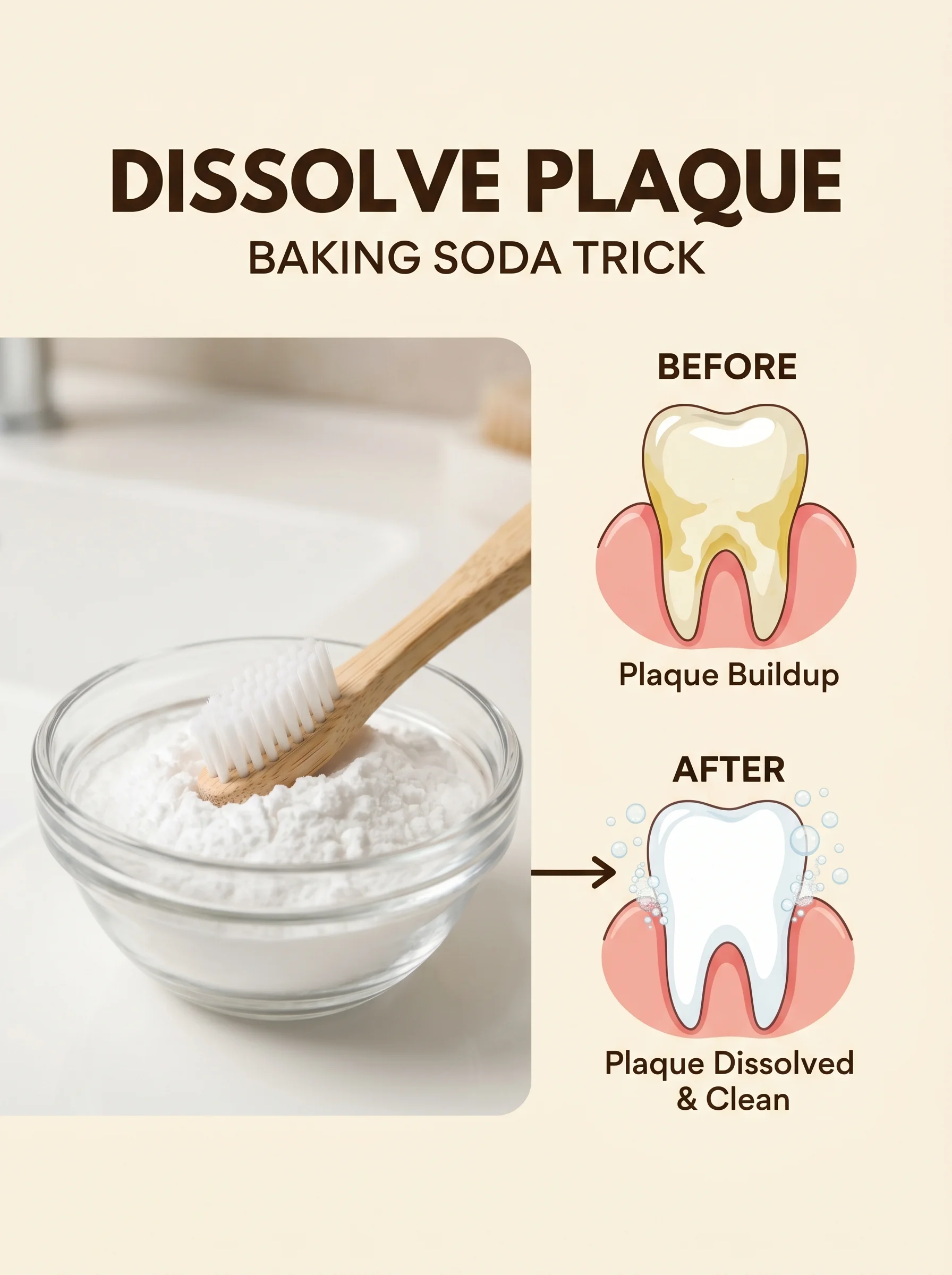
Baking soda, or sodium bicarbonate, is a natural, gentle abrasive, and that is the heart of how to remove dental plaque with something you already have in the kitchen. When you mix baking soda with water to create a paste and brush your teeth with it, the soft crystals scrub away plaque and surface stains while neutralizing the acids that lead to tooth decay.
Not only does it lift plaque, but it also helps regulate your mouth’s pH levels, creating an environment that’s less hospitable to harmful bacteria.
And the benefits don’t stop there. Baking soda has natural whitening properties, so regular use can help remove surface stains and brighten your smile. It also has mild antibacterial properties, which means it can help reduce the buildup of bacteria in your mouth that leads to decay and gum disease. If you suffer from mouth sores or ulcers, a gentle baking soda rinse can even soothe the area.
Can you remove hardened tartar at home, or only plaque?
This is the part the viral videos tend to skip, so let’s be honest about it. Baking soda, oil pulling, and homemade pastes can all help with soft plaque, the film you can still brush or floss away. They cannot remove hardened tartar (also called calculus). Once plaque mineralizes and bonds to the tooth, it is too hard for any home method to safely lift.
That tartar can only come off with a professional cleaning, where a dentist or hygienist uses proper instruments. So a fair way to think about it: baking soda is a great everyday tool for keeping plaque from building up, but it is not a replacement for your dental visit. The most reliable plan is doing both. For more gentle, everyday options, here is how to fight dental plaque naturally without harsh rinses.
Is baking soda safe for your teeth, or does it wear down enamel?
Used sensibly, baking soda is one of the gentler things you can put on your teeth. It is actually less abrasive than many whitening toothpastes. The catch is in how you use it. Scrubbing hard, every single day, with a stiff brush is where people get into trouble, because any abrasive can wear enamel over time if you go at it too aggressively.
So keep it gentle. Use a soft-bristled brush, a light hand, and a few times a week rather than as your only toothpaste forever. If you have sensitive teeth, braces, or dental work, check with your dentist first. The goal is a clean, calm mouth, not a scrubbed-raw one.
How to use baking soda to remove plaque, step by step
Mix a small amount of baking soda with water to create a paste, then brush your teeth with it gently for two minutes, just as you would with regular toothpaste. For best results, leave the paste on your teeth for 10-15 minutes before rinsing. This gives the baking soda time to work, loosening soft plaque and neutralizing acids.
You might be thinking, “But I already use toothpaste, isn’t that enough?” Many toothpastes today already contain baking soda, and that is plenty for most people. Using a plain baking soda paste a few times a week is simply a cost-effective, low-fuss way to give plaque less of a foothold between cleanings. It is a supportive add-on, not a cure-all.
- Mix a pinch of baking soda with a little water into a paste.
- Brush gently for two minutes with a soft-bristled brush.
- Let it sit 10-15 minutes, then rinse well.
- Use it a few times a week, not as your only daily toothpaste.
- Keep up your regular fluoride toothpaste and dentist visits.
How to remove dental plaque naturally with your diet
While baking soda is a handy tool, learning how to remove dental plaque naturally is really about what happens at the table. The real key to optimal oral health lies in your diet and overall lifestyle choices.
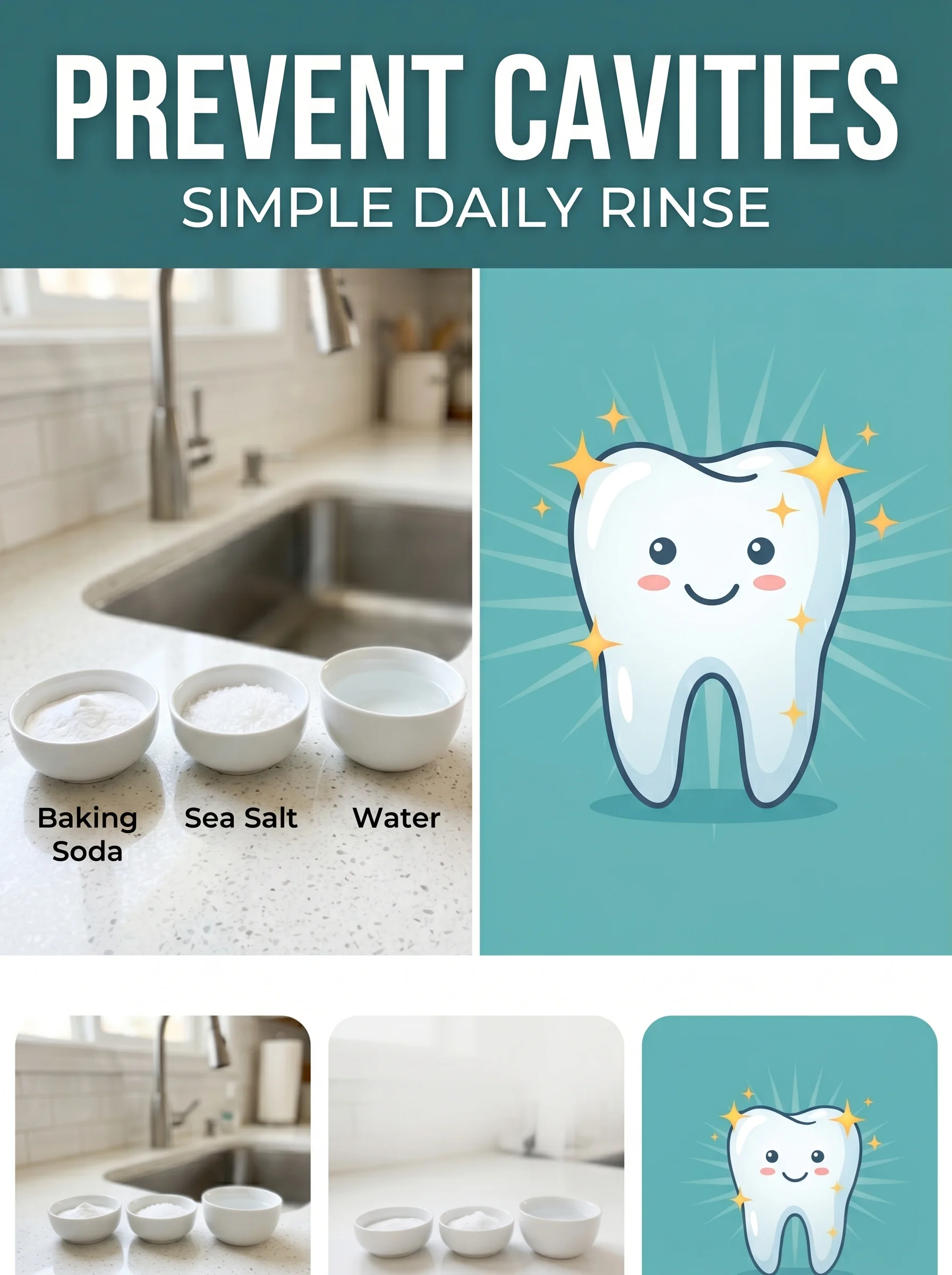
Think about the foods you eat on a daily basis. Are they mostly packaged, refined, and processed? Do you indulge in sugary treats and soda more often than you’d like to admit? These dietary choices are the root cause of plaque buildup and the oral health issues that follow.
To truly protect your teeth and gums, it’s crucial to focus on whole, unprocessed foods that are rich in fiber and nutrients. Crunchy fruits and vegetables like apples, carrots, and celery act as natural toothbrushes, scrubbing away plaque and stimulating saliva production. Leafy greens and dairy products are excellent sources of calcium, which strengthens your teeth and bones. And don’t forget about water, staying hydrated helps flush away harmful bacteria and food particles. If salads feel like a chore, here are easy ways to eat more vegetables with juices and soups.
But it’s not just about what you eat, it’s also about how you eat. Taking the time to chew your food thoroughly not only aids in digestion but also stimulates saliva production, which helps neutralize acids and remineralize your teeth. And if you do indulge in sugary or acidic foods, try to consume them with a meal rather than as a standalone snack. This helps minimize their contact with your teeth and gives your saliva a chance to do its job.
How to build a daily oral health routine
No oral health regimen is complete without regular brushing and flossing. The American Dental Association recommends brushing twice a day for two minutes each time and flossing at least once daily. And don’t forget to replace your toothbrush every three to four months, a frayed, worn-out toothbrush is far less effective at removing plaque and bacteria.
- Brush twice a day for two minutes each time.
- Floss at least once daily to reach where the brush cannot.
- Swap to a fresh toothbrush every three to four months.
- Use a baking soda paste a few times a week, left on for 10-15 minutes before rinsing.
- Lean on whole, fiber-rich foods and keep water close all day.
- See your dentist on schedule, since only they can remove hardened tartar.
The takeaway
Your oral health is a window into your overall health and wellbeing. By taking simple steps like adding a gentle baking soda paste to your routine, focusing on a whole-food diet, and keeping up with regular dental care, you can keep your teeth and gums healthy for a lifetime.
Just remember the honest boundary: baking soda is brilliant for soft plaque, but tartar belongs to your dentist. The next time you brush, mix a little baking soda with water and give it a go. You may be surprised at how clean and refreshed your mouth feels afterward. Your smile is one of your greatest assets, and taking care of your teeth and gums is really investing in your overall quality of life. If posts like this are your speed, the newsletter lands every Friday with more of them.
Frequently asked questions
How do you remove dental plaque at home?
Brush twice daily for two minutes, floss once a day, and a few times a week use a gentle baking soda paste left on for 10-15 minutes before rinsing. This lifts soft plaque and neutralizes acids. Crunchy produce and plenty of water help too. Home care handles plaque, but a dentist handles hardened tartar.
Can you remove hardened tartar at home, or only plaque?
You can only remove soft plaque at home. Once plaque mineralizes into tartar, it bonds hard to the tooth and no baking soda, oil pull, or DIY paste can safely take it off. Hardened tartar needs a professional cleaning with proper instruments, so keep up your regular dental visits.
Is baking soda safe for your teeth, or does it damage enamel?
Used gently, baking soda is safe and actually less abrasive than many whitening toothpastes. The risk comes from scrubbing hard every day with a stiff brush, which can wear enamel over time. Use a soft brush, a light hand, and a few times a week rather than as your only toothpaste.
How often should you use baking soda on your teeth?
A few times a week is plenty for most people. Daily heavy use is unnecessary and raises the chance of enamel wear. Treat it as a supportive add-on alongside your regular fluoride toothpaste, not a full replacement. If you have sensitive teeth or dental work, ask your dentist first.
How do you remove dental plaque naturally?
Natural plaque control is mostly diet and routine. Eat crunchy fruits and vegetables that scrub teeth and boost saliva, choose calcium-rich foods, drink water through the day, and chew thoroughly. Pair that with twice-daily brushing, daily flossing, and an occasional gentle baking soda paste to keep soft plaque from building up.
What dental tools are used to remove plaque, and should you use them at home?
Dentists use scalers and curettes to scrape plaque and tartar, but these are best left to professionals. DIY dental picks can scratch enamel, cut gums, and push bacteria deeper if used wrong. At home, your safest tools are a soft brush, floss, and a light baking soda paste, then let your hygienist do the deeper work.
Share this article