
Essential oils for sleep: lavender and 3 calming picks
Sheenam Midha · Health writer

On this page
TL;DR: Stress and anxiety are the main reasons sleep slips, and a few drops of essential oil before bed can quiet both. The best essential oils for sleep are lavender, valerian, sweet marjoram, and ylang-ylang, with lavender being the most studied. Inhale a drop from your palm, add 2 to 3 drops to a diffuser, or blend 5 drops with 3 ounces of coconut or almond oil for a massage. Always dilute, never swallow them, and keep them away from pets.
Do you sleep well? Have you heard that a good night’s sleep can soften almost any problem? Not resting well over time raises the risk of heart disease, nudges your blood pressure around, and is linked to diabetes. Some people say it even dims your sex drive. This is exactly why so many people go looking for essential oils for sleep when nothing else seems to help.
But even when they know how much sleep matters, plenty of people still lie awake at night. Stress and anxiety are the main causes of poor sleep. When you are stressed or anxious, your brain doesn’t switch off for a single moment, which keeps you in a constant state of alert.
The good news is gentle. Just a few drops of essential oil before bed can ease that stress and anxiety, and let your body settle into a restful night. If poor sleep is quietly weighing on your heart too, these daily habits to keep your heart healthy pair nicely with a calmer bedtime.
Which essential oils are actually proven to help sleep?
Of all the calming scents, lavender has the most research behind it for sleep, so it is the one to reach for first. Valerian, sweet marjoram, and ylang-ylang round out a small, reliable shortlist. You may also see cedarwood, vetiver, chamomile, and bergamot on trendy 2026 roundups, and those can smell lovely, but lavender stays the best-studied starting point.
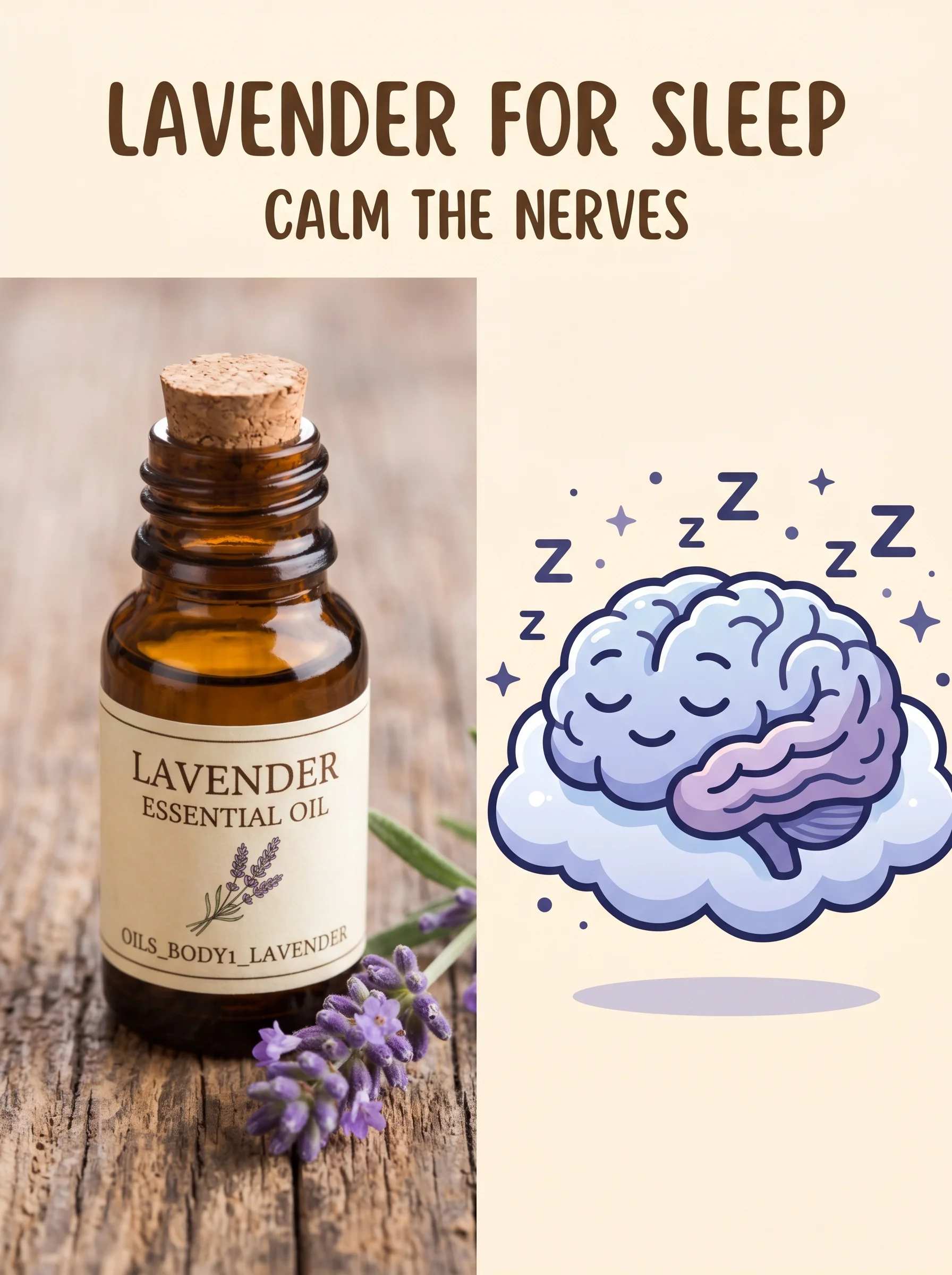
Lavender
Lavender helps ease anxiety and helps you relax, reducing insomnia and making the night feel more tranquil. Lavender essential oil for sleep is also the simplest to try: put a drop on each side of your pillow, or place a drop on your fingertip and gently massage your temples.
Valerian
Another calming oil is valerian. It has soothing properties, helps quiet anxiety, eases the symptoms of nervous tension, and is a great ally for sleep. The aroma is earthy and strong, so a little goes a long way.
Sweet marjoram
If you like a sweeter aroma, try sweet marjoram oil. This one is lovely for lowering nervous tension and hyperactivity, calming the body, and helping you ease into restful sleep. If blood pressure is on your mind, you might also look at these gentle foods to normalize your blood pressure alongside it.
Ylang-ylang
If you want to build a calm, floral atmosphere, reach for ylang-ylang. It is perfect for creating a tranquil mood when your nerves are frayed, and it also helps soften anxiety, tension, shock, fear, and panic. When racing thoughts come with a fluttery chest, these ways to calm heart palpitations naturally can help too.
How do you use essential oils for sleep?
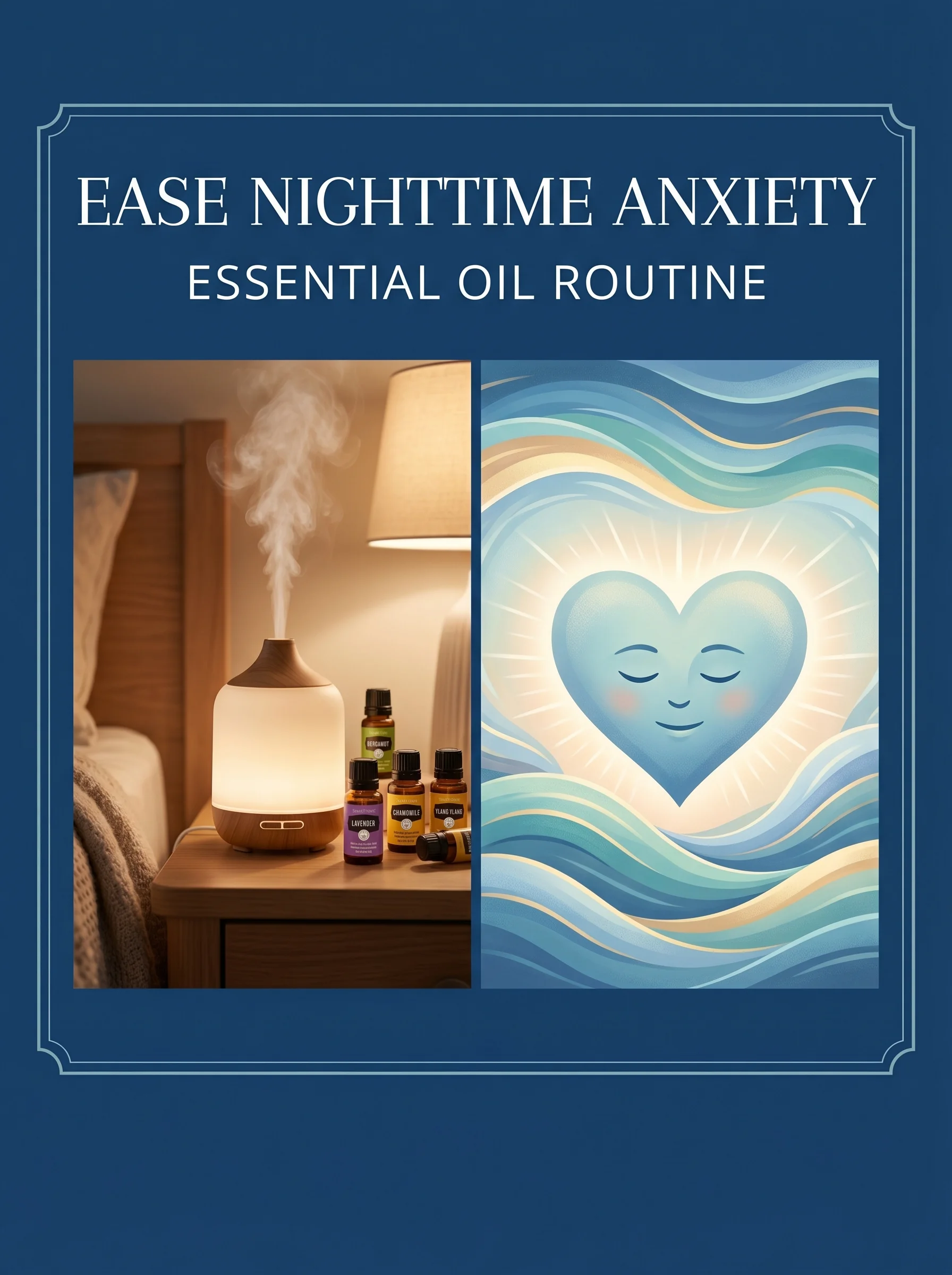
The easiest way is a simple inhalation. Put a drop of your chosen oil on your hands and rub them together. Breathe in, hold for around 3 seconds, then exhale. Repeat 2 or 3 times.
If you have a diffuser at home, try diffusing essential oils for sleep by adding 2 or 3 drops to release the aroma into the room. The space will feel more relaxed and gently perfumed as you wind down.
If you prefer touch, use essential oils for a massage. Mix 5 drops of your oil of choice with 3 ounces of a carrier oil like coconut or almond, then make slow, circular movements for about 20 minutes.
How do you use lavender oil for sleep, diffuser or pillow?
Both work, and it mostly comes down to what you have on hand. A diffuser spreads the scent through the whole room, which is nice if you wake often or share the bed. The pillow method, a single drop on each corner, is quicker and keeps the aroma close to your face. Many people start with the pillow and add a diffuser later. For a no-oil bedtime ritual on nights you would rather sip something warm, this chamomile and apple tea for insomnia is a soothing companion.
Are essential oils safe to use for sleep?
For most people, yes, when used with a little care. Always dilute oils in a carrier before they touch your skin, and never swallow essential oils. Do a small patch test first if your skin is sensitive, and keep oils well out of reach of pets, since cats and dogs can be very sensitive to them. If you are pregnant, breastfeeding, or managing a health condition, check with your doctor first. Essential oils are a gentle support for winding down, not a replacement for any medicine your doctor has prescribed.
The takeaway
If sleep has been hard lately, these gentle tricks can genuinely help. Since each oil has a slightly different effect, give them a fair trial one at a time until you find the one that suits you. Start with lavender, keep the doses small, and let your nose lead the way.
If small sleep notes like this are useful, the newsletter goes out every Friday. One tiny essay and a handful of good links.
Frequently asked questions
Why do essential oils help with sleep?
Stress and anxiety are the main causes of poor sleep. When you feel anxious, your brain stays switched on and holds you in a state of alert. Calming scents like lavender signal the nervous system to relax, which can ease that tension before bed and make it easier to drift off into a restful night.
Which is the best essential oil for sleep?
Lavender is the best essential oil for sleep because it has the most research behind it and reliably eases anxiety and insomnia. Valerian, sweet marjoram, and ylang-ylang are strong calming alternatives. Each one feels a little different, so test them one at a time until you find your favorite.
How many drops of essential oil should I put in a diffuser for sleep?
Add 2 or 3 drops of your chosen oil to the diffuser before bed. That is enough to scent the room and create a calm mood without becoming overpowering. Start on the lower end, especially in a small bedroom, and add a drop only if you want the aroma a touch stronger.
How do you inhale essential oils?
Put a single drop on your hands and rub them together. Breathe in slowly, hold your breath for around 3 seconds, then exhale gently. Repeat the process 2 or 3 times. This quick inhalation is one of the simplest ways to feel calmer right before you lie down.
How do you make an essential oil massage blend for sleep?
Mix 5 drops of your oil of choice with 3 ounces of a carrier oil such as coconut or almond. Massage it in with slow, circular movements for about 20 minutes. Diluting in a carrier keeps the blend gentle on your skin, since essential oils should never be applied undiluted.
Are essential oils safe around pets?
Use caution. Cats and dogs are far more sensitive to essential oils than people, and some oils can be harmful to them. Diffuse only in a well-ventilated room your pet can leave, keep bottles out of reach, and never apply oils to your pet. When in doubt, ask your vet before diffusing.
Share this article