Early signs of colon cancer that most people miss
Sheenam Midha · Health writer
On this page
TL;DR: The early signs of colon cancer are easy to miss because they start out quiet and feel like everyday tummy trouble. Watch for bowel habit changes, dark loose stools, rectal bleeding, unexplained weight loss, and the rest of the nine symptoms below. It’s also rising fast in younger adults, so age alone is not a reason to wait. Here’s the full list, plus the lifestyle habits that help prevent it.
Many cancers stay quiet in the early stages, and colorectal cancer is one of the quietest of all. That’s exactly why the early signs of colon cancer slip past so many people. They feel like a bad week of digestion, not something to worry about. But by the time the disease is obvious, it’s often already advanced and harder to treat.
The good news is that your body does leave clues, and they’re easy to read once you know what you’re looking for. Let’s walk through them gently, no panic required.
What causes colorectal cancer in the first place?
Genetics plays a real part, and so does everyday life. A lack of exercise and unhealthy eating habits add up over the years. A diet heavy in processed foods, fats, and red meat tends to favor this kind of disease, and smoking and heavy drinking are major culprits too.
That combination, genes plus lifestyle, is why prevention matters even if cancer has shown up in your family before. Your daily habits still move the needle.
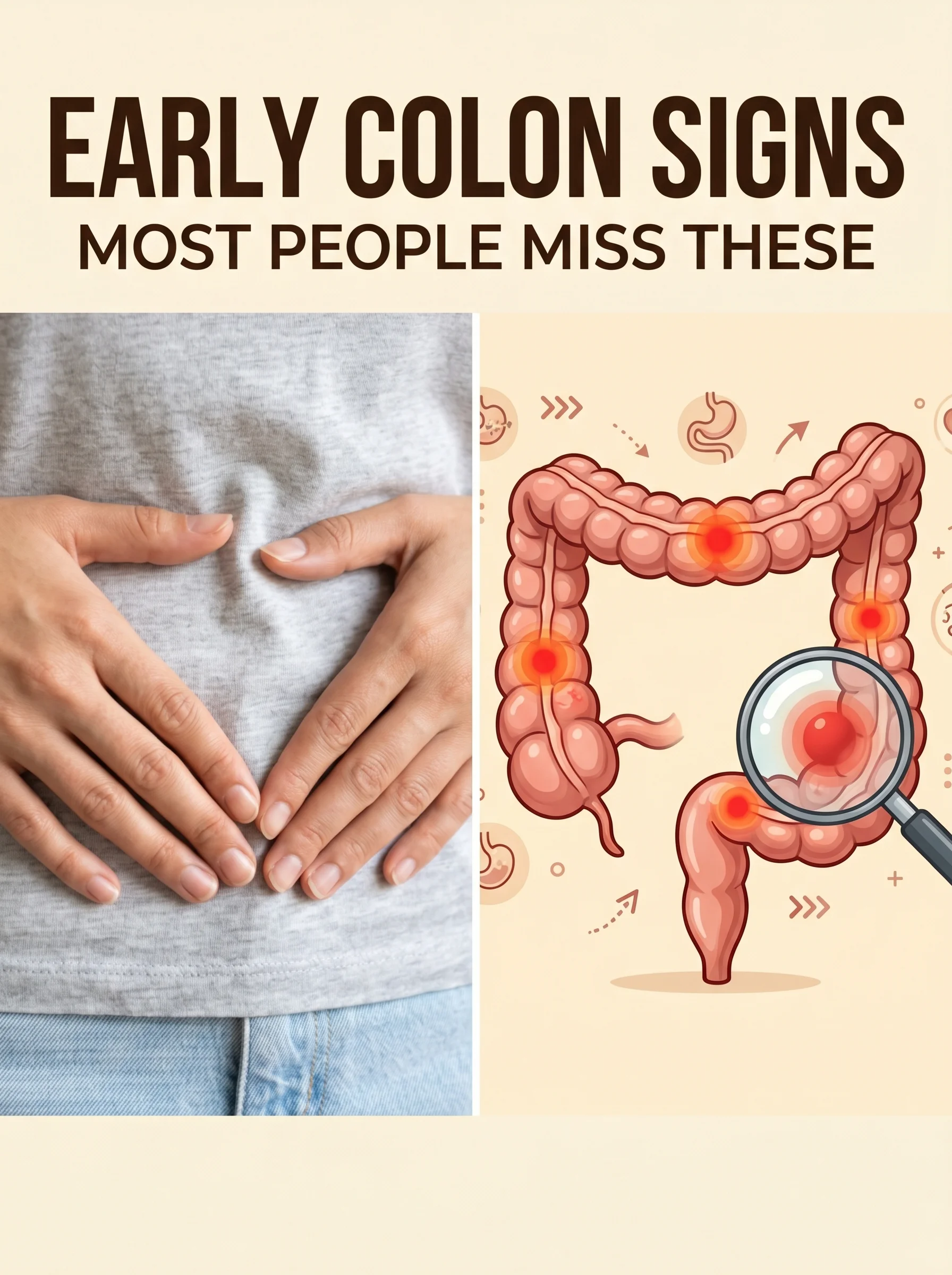
What are the 9 early signs of colon cancer?
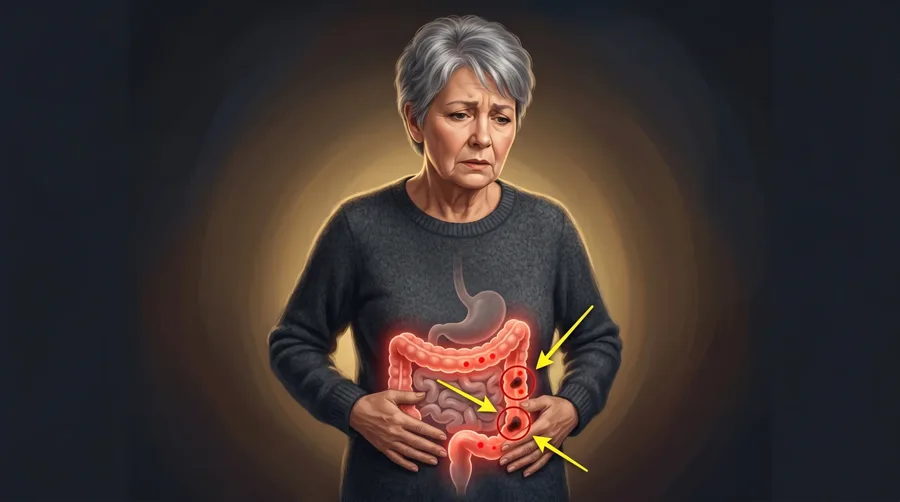
The nine early signs of colon cancer to watch for are changes in bowel habits, dark loose stools, rectal bleeding, itching or burning in the anal area, unexplained weight loss, nausea and vomiting, frequent fatigue and weakness, a feeling that the bowel isn’t completely empty, and abdominal discomfort with cramps, gas, and pain. If more than one of these sticks around, it’s worth a check-up.
- Changes in bowel habits, including constipation or diarrhea.
- Stools that are loose and have a dark color.
- Rectal bleeding or blood in the stool.
- Itching or burning in the anal area.
- Unexplained weight loss.
- Nausea and vomiting.
- Frequent fatigue and weakness.
- Feeling that the bowel isn’t completely empty after a bowel movement.
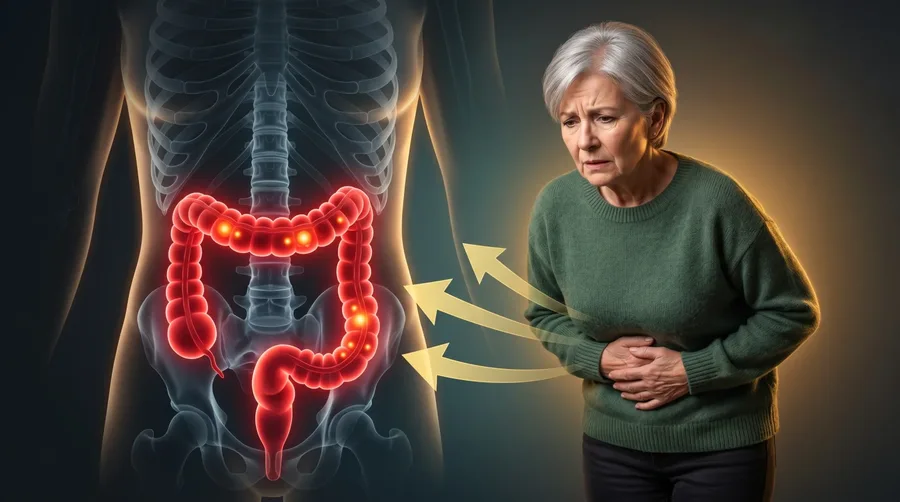
- Abdominal discomfort characterized by cramps, gas, and abdominal pains.
If you have more than one of these symptoms, it’s important to check with a doctor for a proper diagnosis. These signs can easily be mistaken for hemorrhoids, stress, or a passing stomach bug, which is part of why they get ignored for so long. For a closer look at the bleeding and bowel changes specifically, our guide to silent bowel cancer symptoms that need attention goes deeper, and you can compare notes with these colon cancer warning signs you should never ignore.
What are early colon cancer symptoms in your 30s and 40s?
This is the part more people are asking about now, and for good reason. Colorectal cancer is rising in younger adults, and recent research suggests rates have been climbing among people in their 20s, 30s, and 40s even as they fall in older groups. Rectal cancer in particular seems to be driving the increase, and doctors openly admit they don’t fully understand why yet.
In younger people, the early colon cancer symptoms look much the same: a change in bowel habits, blood in the stool, cramping that won’t settle, fatigue, or losing weight without trying. The trap is the assumption that you’re “too young” for this. That mindset can delay a diagnosis by months.
Even one episode of rectal bleeding is worth mentioning to a doctor, no matter your age.
Why is colon cancer rising in young adults with no family history?
Honestly, no one has the full answer yet. Researchers are looking hard at the gut, including a theory that a toxin called colibactin, made by certain strains of E. coli living in the bowel, may quietly do damage starting in childhood. It’s a leading hypothesis, not a settled fact, so treat it as something scientists are studying rather than proven.
What we can say with more confidence is that the familiar risk factors still matter: a processed, low-fiber diet, very little movement, smoking, and heavy alcohol. None of these are a guarantee of anything, and plenty of cases happen without an obvious cause. That’s also why screening exists, so the disease can be caught before it ever speaks up.
Is blood in the stool always a sign of bowel cancer?
No, and this is worth saying clearly so you don’t spiral. Blood in the stool is far more often caused by hemorrhoids, small tears, or inflammation than by cancer. Bright red blood on the toilet paper is common and usually harmless.
But “usually harmless” is not the same as “ignore it.” Dark, tarry, or persistent bleeding, or any bleeding paired with weight loss, fatigue, or a change in your bowel habits, deserves a proper look. The only way to know the cause is to have it checked, and that check is quick and ordinary.
How can you prevent it?
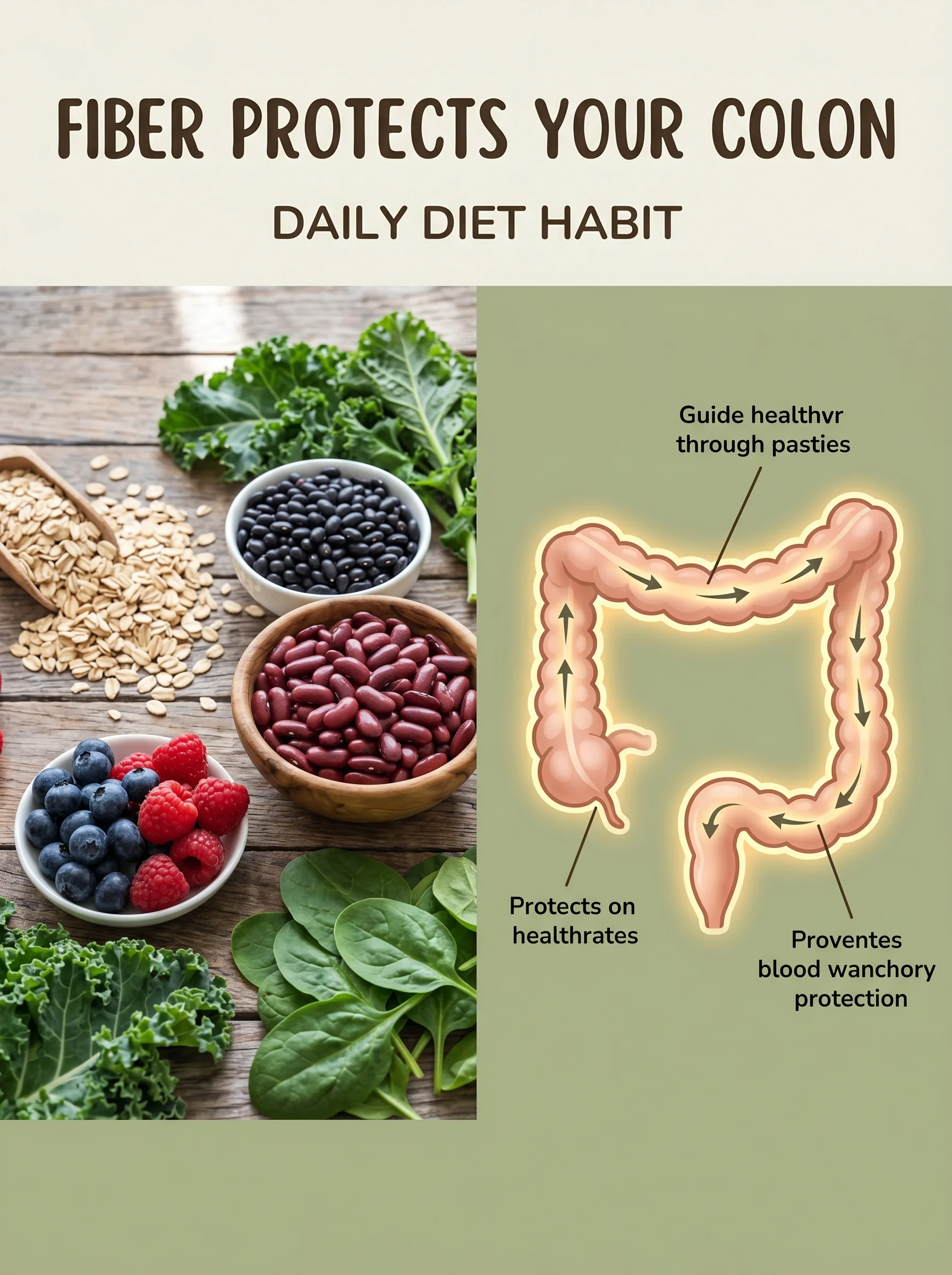
Prevention leans on the basics, done consistently. Build meals around whole grains, fruits, and vegetables, and keep fiber high, since a high-fiber diet is one of the strongest known dietary protections for the colon. You might find our notes on folate for colon cancer prevention and these foods that help block cancer cells useful here. Think of food as support for your body, not a replacement for medical care.
Move your body regularly, ease off processed meat and heavy drinking, and don’t smoke. Most of all, keep up with screening. A doctor can catch this disease in its early stages, often before any symptom appears, which is the whole point.
Should I get screened before age 45?
Many guidelines now suggest starting routine screening at 45 for people at average risk. But if you have a family history, ongoing symptoms, or one of the warning signs above, screening earlier is a conversation worth having with your doctor, regardless of age. There are several options to discuss, from a colonoscopy to simpler stool-based tests, and the right one depends on your situation.
The takeaway
The early signs of colon cancer are subtle on purpose, which is exactly why they deserve attention. More than one symptom hanging around for more than a couple of weeks is the moment to pick up the phone and book a check-up, even if you feel too young for any of this. You can also read more about the early warning signs of cancer in general. If you want more pieces like this landing in your inbox, the newsletter goes out every Friday.
Frequently asked questions
What are the early signs of colon cancer?
The early signs of colon cancer include changes in bowel habits, dark or loose stools, rectal bleeding, unexplained weight loss, ongoing fatigue, and abdominal cramps or a feeling that your bowel never fully empties. They’re easy to mistake for everyday digestion, so if more than one lingers for a couple of weeks, see a doctor.
Why is colon cancer rising in young adults?
Rates are climbing in people under 50, and researchers admit they don’t fully know why. A processed, low-fiber diet, inactivity, smoking, and alcohol all play a part, and a gut toxin called colibactin from certain E. coli strains is one leading theory under study. The key takeaway is that being young no longer rules colon cancer out.
What are early colon cancer symptoms in your 30s and 40s?
They look the same as at any age: blood in the stool, a lasting change in bowel habits, cramping that won’t settle, unexplained weight loss, and tiredness that doesn’t lift. The main risk for younger adults is assuming they’re too young, which delays diagnosis. Any of these symptoms is worth checking, whatever your age.
Is blood in the stool always a sign of bowel cancer?
No. Blood in the stool is far more often caused by hemorrhoids, small tears, or inflammation than by cancer, and bright red spotting is usually harmless. Even so, dark or persistent bleeding, or bleeding alongside weight loss or bowel changes, should always be checked by a doctor to rule out anything serious.
Should I get screened before age 45?
Many guidelines now recommend starting routine screening at 45 for average-risk adults. If you have a family history, ongoing symptoms, or any warning signs, talk to your doctor about screening earlier. Options range from a colonoscopy to simpler stool-based tests, and the best choice depends on your personal risk.
How can I lower my risk of colorectal cancer?
Eat a diet rich in whole grains, fruits, vegetables, and fiber, stay physically active, and limit processed meat, alcohol, and smoking. Treat healthy food as support rather than a cure, and never stop prescribed treatment on your own. Most importantly, keep up with screening so the disease can be caught early.
Share this article